
U-M scientist close to discovering Holy Grail of energy efficient lighting
Light bulbs are turning on above the heads of some University of Michigan professors as they push research to invent the next generation of energy-efficient light bulbs.
We’re all putting compact fluorescent light bulbs (CFL’s) into our home light fixtures and waiting patiently for local governments to put LEDs into our streetlights. But while all of this is happening scientists at the University of Michigan are working on the latest light acronym – OLED.
That’s Organic Light-Emitting Devices to us non-rocket scientists. The noticeable difference between these bulbs and CFL’s is that they create more appealing and energy efficient white organic light from light-emitting devices. This new light is considered the Holy Grail in the next generation of light bulbs because it creates more light from less wattage than other light bulbs.
For instance, normal incandescent light bulbs give off light as a byproduct of producing heat. Fluorescent lights can be as much as six times more efficient at producing light. LED lights are even more efficient because they produce mostly light that is seen by the human eye, which not the case with other lights.
OLED’s use nano technology to produce and manipulate the white light more efficiently and without using harmful chemicals like mercury, which is often found in fluorescent lighting.
U-M and Princeton scientists have been working on creating this type of light and believe they are much closer now. The scientists must find a way to reduce the costs to manufacture the OLED’s. Currently they are too high to be commercially competitive.
Source: University of Michigan
Writer: Jon Zemke
Related Articles

Free “Skate Day” for Ypsi kids celebrates end of school year
Ypsilanti’s Corner Health Center is inviting local youth to celebrate the end of the school year and the beginning of summer by enjoying free roller-skating at the inaugural Ypsi Skate Night.
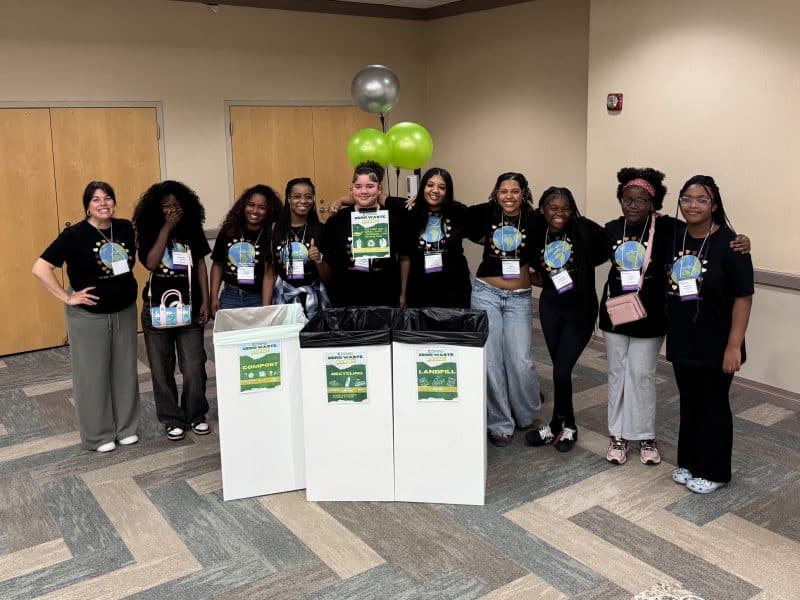
Students lead successful effort to reduce waste at annual forum at EMU
Eastern Michigan University (EMU) students spearheaded a recent effort to transform the annual Southeast Michigan Stewardship Coalition Community Forum into a zero-waste event for the first time.

Q&A: New EMU President Brendan Kelly on enrollment, parking, AI, student service, and more
Five weeks into his new job, we sat down with Eastern Michigan University (EMU) President Brendan Kelly to discuss his plans for the future of EMU, his alma mater.


