
20 years of FestiFools: Founder Mark Tucker looks back on Ann Arbor’s beloved puppet parade
We chatted with FestiFools founder Mark Tucker about the unlikely origins and enduring spirit of the community puppet parade.
This story is part of a series about arts and culture in Washtenaw County. It is made possible by the Ann Arbor Art Center, Destination Ann Arbor, Larry and Lucie Nisson, the University of Michigan Arts Initiative, and the University Musical Society.
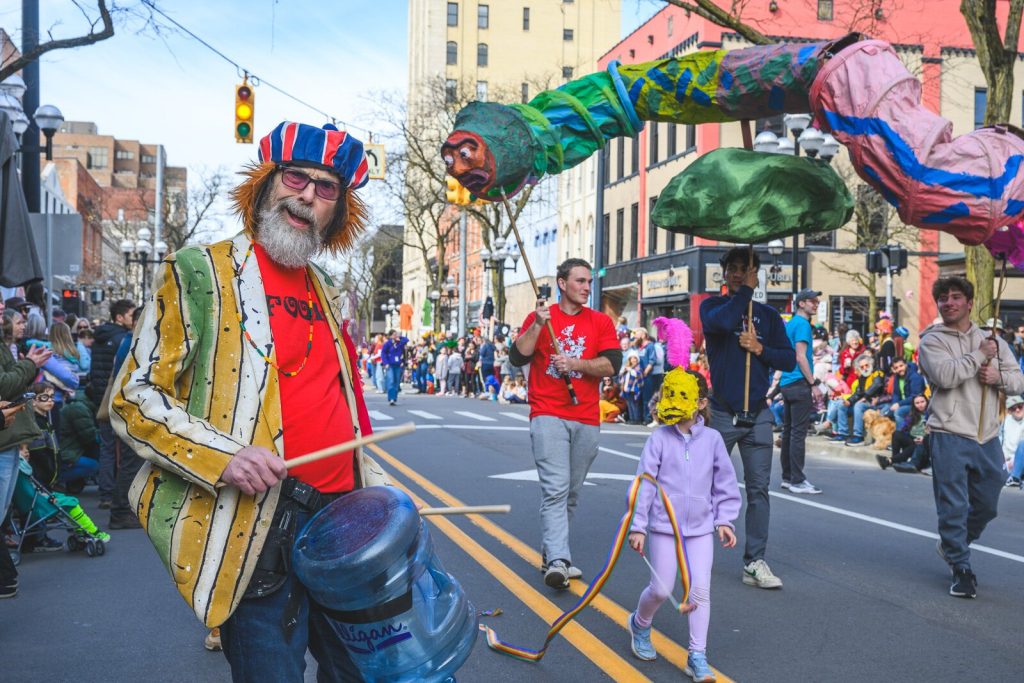
As Ann Arbor prepares to celebrate the 20th anniversary of FestiFools, founder and creative director Mark Tucker is reflecting on the unlikely origins and enduring spirit of the beloved community puppet parade. What began as an experiment in public art has evolved into a signature tradition rooted in collaboration, creativity, and a willingness to embrace the absurd.
Tucker says the original idea for FestiFools wasn’t a single flash of inspiration so much as the culmination of decades of artistic exploration. While he often jokes about the idea coming to him in a late-night “a-ha moment,” he emphasizes that FestiFools grew out of years of experience in theater design, filmmaking, and international art communities.
“I’d been working on many things that were similar and related over the 25 years before,” he says.
At the time, he was designing sets for local children’s theater productions and experimenting with large-scale puppets. Inspired in part by theatrical productions like “The Lion King,” he began imagining what it would look like to bring those oversized creations out of the theater and onto the streets. The goal was simple but ambitious: create a space where art and community intersect.
“What if we made a bunch of these [puppets] that didn’t have to revolve around a script and get people to help make them on a year-round basis?” he says.
Tucker says he didn’t exactly expect FestiFools to become an annual event. FestiFools’ first year was consumed by the logistics of simply pulling the event together.
“We were so up to our elbows in it that we weren’t thinking too much about the future,” he says.
Still, Tucker never envisioned FestiFools as a one-time experiment. Over time, he says the event’s growth and the community support it’s received have been both surprising and meaningful.
“I couldn’t have imagined that it would be so embraced by the community 20 years later,” he says.
That growth has also brought responsibility. Sustaining an annual, volunteer-driven event requires careful balance to avoid burnout while continuing to evolve creatively. For Tucker, the ongoing challenge is keeping the experience fresh both for himself and for newcomers discovering it for the first time.
Community participation is the foundation of Festifools, according to Tucker. From students and professional artists to families and first-time volunteers, the event depends on collective effort.
“It takes a village to put this all together,” Tucker says.
Workshops held throughout the year invite participants of all ages to help build puppets and sculptures for FestiFools, often using simple materials and techniques. These sessions have become a vital part of the FestiFools ecosystem, offering both creative outlet and educational opportunity. Tucker also sees the program as a response to limited arts access in schools, describing collaborations with local teachers and students that introduce young people to large-scale, hands-on artmaking.
FoolMoon, the nighttime counterpart to FestiFools, was created to expand opportunities for participation and expression. Featuring illuminated sculptures, live music, and a more open-ended atmosphere, it adds another dimension to the weekend of FestiFools.
“We created FoolMoon knowing there were people that wanted to make this stuff and didn’t know how,” Tucker says.
While FestiFools has often been seen as family-oriented, FoolMoon was initially envisioned as a more adult-focused event. In practice, both have become inclusive spaces where all ages engage with the same spirit of play and creativity.
At the heart of both events is the idea of embracing foolishness as a form of freedom.
“You’re allowed to be this alter ego of yourself,” Tucker says, noting that the events give people permission to step outside their everyday roles.
Tucker credits a wide network of supporters for making FestiFools and FoolMoon possible, from university resources and local businesses to individual donors and volunteers.
The University of Michigan provides space and student involvement, while local businesses contribute materials and funding. Individual donors, Tucker notes, have been especially crucial in keeping the event free and accessible.
“To have an individual take their own personal money and write large checks to you is pretty unusual,” Tucker says, adding that such support has allowed FestiFools to remain non-commercial and community-focused.
For Tucker, this year’s FestiFools and FoolMoon theme – “Back to the FOOLture” – serves as a playful entry point rather than a strict guideline. While it nods to the event’s past, present, and future, he encourages participants to interpret it freely.
“As an artist, if your idea starts in one place and drifts into other territories, that’s the way art works,” he says.
More broadly, the anniversary has prompted reflection on FestiFools’ and FoolMoon’s impact. Despite the temporary nature of the puppets, many of which are discarded after use, the experience itself leaves a lasting impression.
“The non-ownership of art is very important to me,” Tucker says. “It lives on in the minds of people who have come to help us out.”
For those who may visit FestiFools or FoolMoon for the first time this year, Tucker says to expect the unexpected. From the weather to spontaneous moments in the crowd, no two FestiFools are the same.
Still, one thing is certain: participation is key. “We’re not just any kind of sit-and-watch parade,” he says. “You’ve got one hour to be a fool. Don’t waste it.”
FestiFools 2026: Back to the FOOLture! will take place on April 12 from 4 p.m. to 5 p.m. on Main Street in downtown Ann Arbor. FoolMoon 2026: Fools of a Feather! will take place April 10 from 7:30 p.m. to midnight at various locations throughout downtown. More information about Festifools and FoolMoon, as well as opportunities to volunteer and be a part of the events, can be found through the events’ Facebook page.
Author
Related Articles
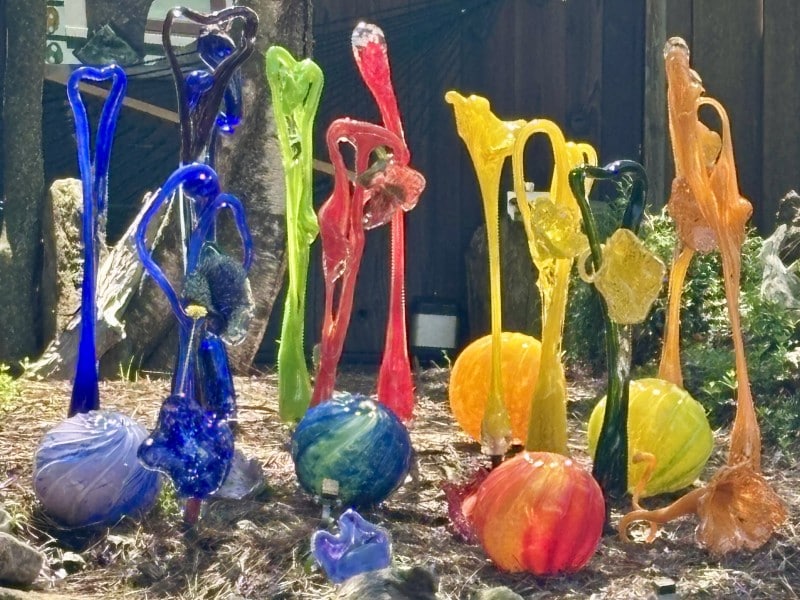
Ann Arbor artist hosts annual outdoor sale to benefit public art program
Glass artist Larry Nisson hosts an annual sale of his work from noon to 5 p.m. on Sept. 27 at his Ann Arbor home.
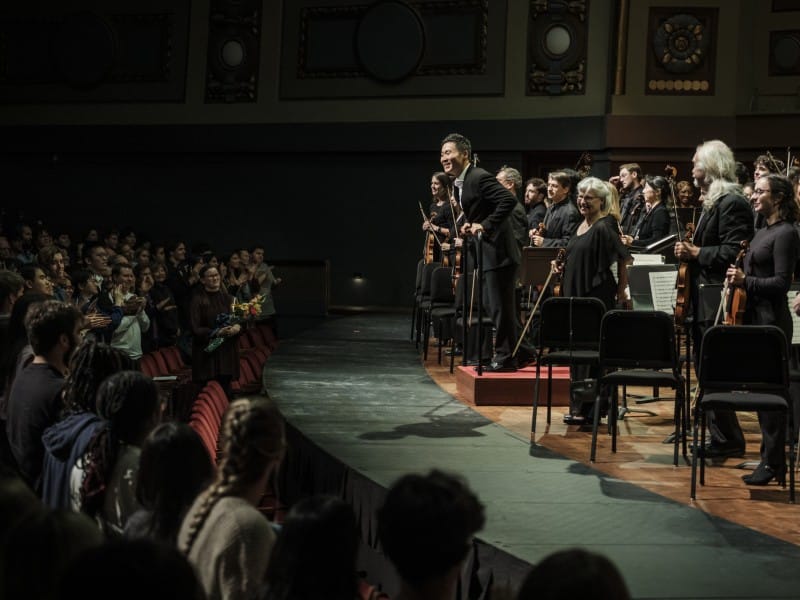
The Ann Arbor Symphony Orchestra brings its concert series to Ypsi for the first time
The 2026-27 season offers many firsts for the Ann Arbor Symphony Orchestra, from an Ypsilanti footprint to a live accompaniment of Disney’s ‘Frozen.’
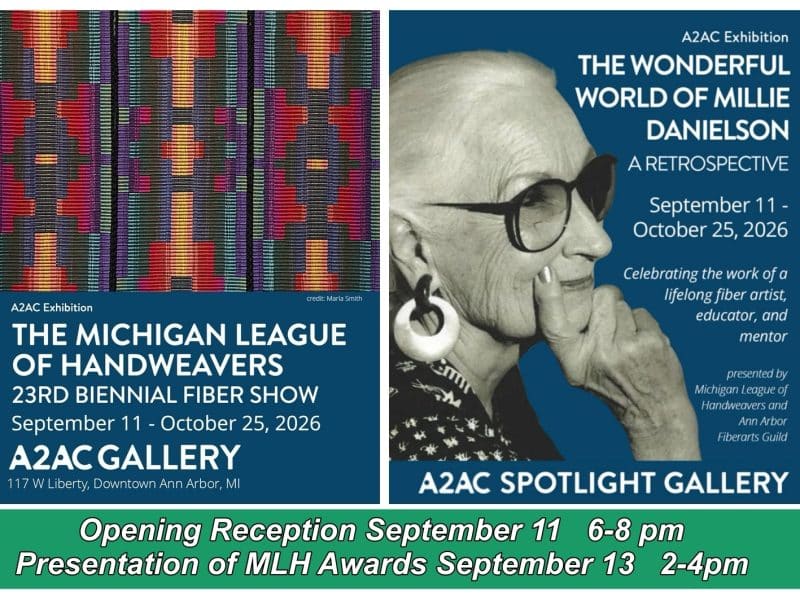
Michigan League of Handweavers’ biennial show in Ann Arbor will feature myriad disciplines
From weaving to doll-making, a broad range of craftsmanship will be featured in both exhibitions and public demonstrations at the Michigan League of Handweavers’ 23rd Biennial Fiber Show.


