
“Dry Summer”: Playwright says forthcoming production is “a love letter to Ann Arbor”
Theatre Nova will stage Ann Arbor native Robert Axelrod’s play “Dry Summer” Oct. 10-Nov. 2. Learn more:
This story is part of a series about arts and culture in Washtenaw County. It is made possible by the Ann Arbor Art Center, the Ann Arbor Summer Festival, Destination Ann Arbor, Larry and Lucie Nisson, and the University Musical Society.
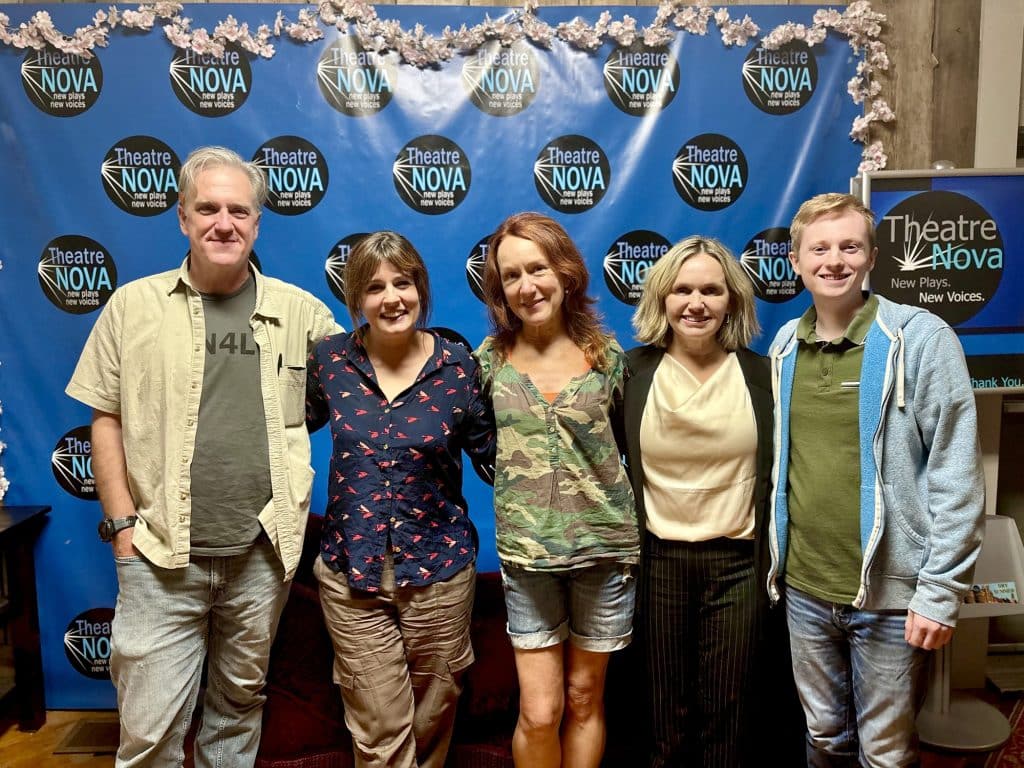
Ann Arbor-based Theatre Nova’s 11th season will begin with the world premiere of “Dry Summer” by Robert Axelrod, who describes it as “a blend of humor, heart, and hope” and “a love letter to Ann Arbor.”
“Dry Summer” will run Oct. 10-Nov. 2 at 410 W. Huron St. in Ann Arbor. The story follows Ethan, a young-ish, gay, Jewish man who, feeling depressed and stuck in his life, moves back in with his parents for a summer to, in Axelrod’s words, “try and get his life back on track.”
Ethan lands a position as an “unconventional sober companion” for a former neighbor who must achieve 90 days of sobriety by summer’s end in order to reconnect with her kids.
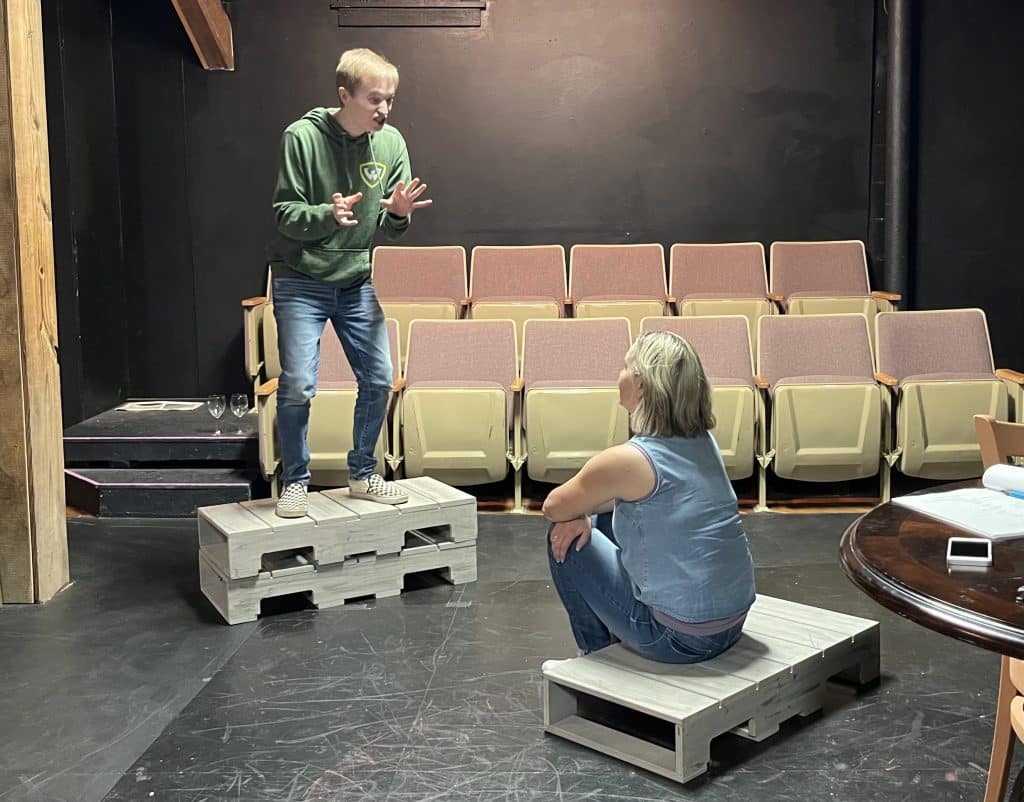
“It’s about the two of them, over the course of this summer, each trying to start a new chapter in their own lives, and how they learn from one another, and how they help each other in that process,” Axelrod says.
The play is also replete with references to the city of Ann Arbor, where it is set. Axelrod, who grew up in Ann Arbor and has lived in Los Angeles for more than a decade, says the city has “a real sense of vibrancy” that “just felt essential to me for the story.”
As a playwright, Axelrod says he’s particularly interested in “finding the ways in which people from seemingly opposing worlds or seemingly opposing backgrounds wind up coming together.”
In “Dry Summer,” for example, Ethan and his newfound employer don’t share many similarities — at least not on a surface level. They’re of different ages, genders, and sexual orientations; they have different relationships with substances; their attitudes toward life are different.
As a writer, Axelrod says, when “you’re able to center a story on life unfolding between people who otherwise might not intersect,” a sense of opportunity or possibility may suddenly arise where it didn’t previously exist.
Put another way, Axelrod adds, “If you’re able to convey a story in a way that shows how our differences can actually be things of beauty and are actually opportunities for us to better understand one another — even if we don’t have the same shared background or the same shared lived experiences — there’s an opportunity there to better understand one another, to better understand ourselves, and to acknowledge and honor the fact that for so many people, we’re multifaceted; we’re the sum of so many different parts.”
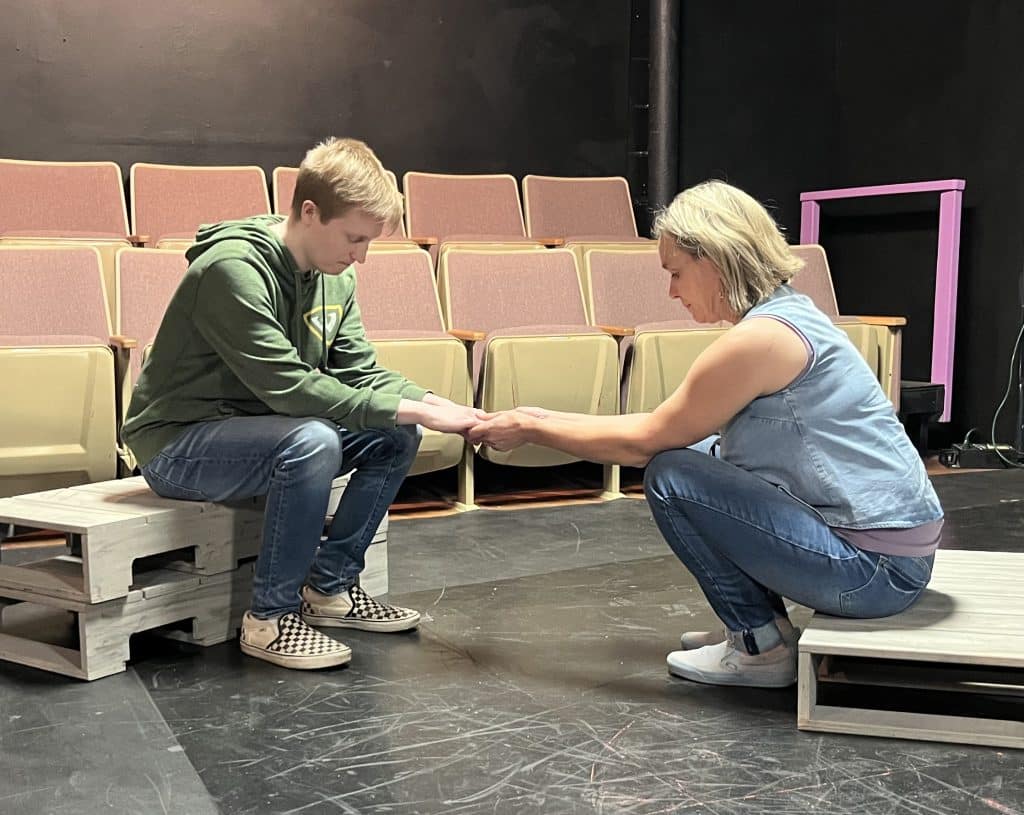
For Axelrod, who also has several screenwriting credits to his name (and various film projects in development), “there’s something beautifully communal about theater.”
“Especially now, in a world where people are often streaming movies from home or watching on a laptop or watching on a phone, it can be a very isolated or personal experience to consume something,” he says.
Then again, he adds, it isn’t just that togetherness that makes the experience of a play so magical — it’s how fleeting the experience is.
“Time is so precious … and you’re in a world that is so often, particularly now, about posting and capturing and projecting a world that we’re living in,” he says.
In theater, on the other hand, he says, “the experience is the experience as it’s being lived. And yeah, you can take a picture afterwards, or whatever, but the point is to be in the moment.”
Tickets to “Dry Summer” are available here or can be bought at the door.
Author

Related Articles
Drink custom cocktails, support local art: Ann Arbor Art Center’s Artini event returns
The Ann Arbor Art Center’s annual Artini fundraiser returns to downtown Ann Arbor on June 20, bringing arts lovers together for an evening of cocktails, creativity, and support for cultural programming.
Nearly 90 artists will bring wares to Ann Arbor’s West Side in annual Art Hop
A cornucopia of artists will soon descend on Ann Arbor’s West Side neighborhood to show to sell their work at the 14th annual Westside Art Hop.
Ypsi-based Brevity Shakespeare “distills” the Bard for modern audiences
Brevity Shakespeare, an Ypsilanti-based theater company, adapts and stages abridged versions of Shakespeare plays.


