
Ypsi high school adds International Baccalaureate program for juniors and seniors
The Ypsilanti Community Schools district is paving the way for students to have an International Baccalaureate stamp on their schooling from kindergarten through graduation.
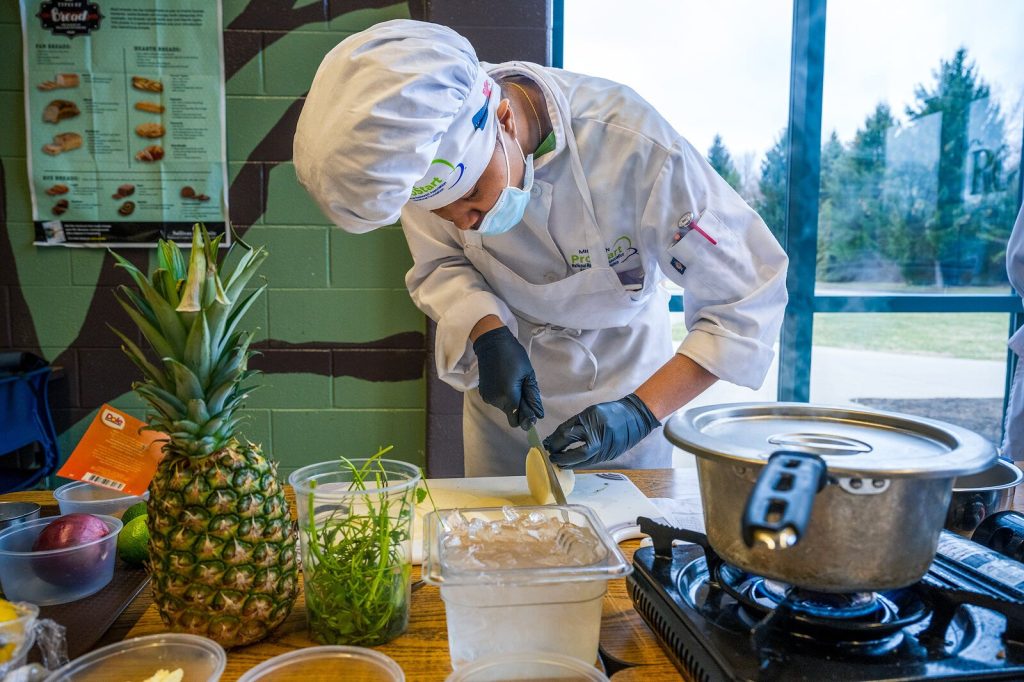
The Ypsilanti Community Schools (YCS) district is paving the way for students to have an International Baccalaureate (IB) stamp on their schooling from kindergarten through graduation. One of the most recent steps has been adding an International Baccalaureate Career-related Programme (CP) at Ypsilanti Community High School (YCHS) starting in 11th grade.
IB is an educational foundation that offers a range of internationally recognized programs for students aged 3 to 19, with the most well-known being the two-year, pre-college IB Diploma Programme for students aged 16 to 19. The IB curriculum emphasizes high standards in subjects like languages, math, science, individuals and societies, and the arts, alongside core components that involve writing an essay, doing a creative project, and doing self-improvement and service-related activities.
YCS already has a “middle years” program and is working on securing IB programming across the district, including the IB diploma program, in addition to the IBCP. YCS’ manufacturing and culinary programs were the first to be certified by the international organization. But YCS is planning to get IB accreditations for more of its career and technical education (CTE) programs, including drone aviation and botany.
Turquoise Neal, YCS’ director of special projects and magnet schools project director, says there aren’t many CP offerings around the world, let alone in Michigan, so this is a unique opportunity for Ypsi students. YCHS Principal Chelsea Harris-Hugan says IB programs in general encourage children to think of themselves as global citizens.
“They examine what’s happening in our world and think critically about how they can make a difference,” Harris-Hugan says.
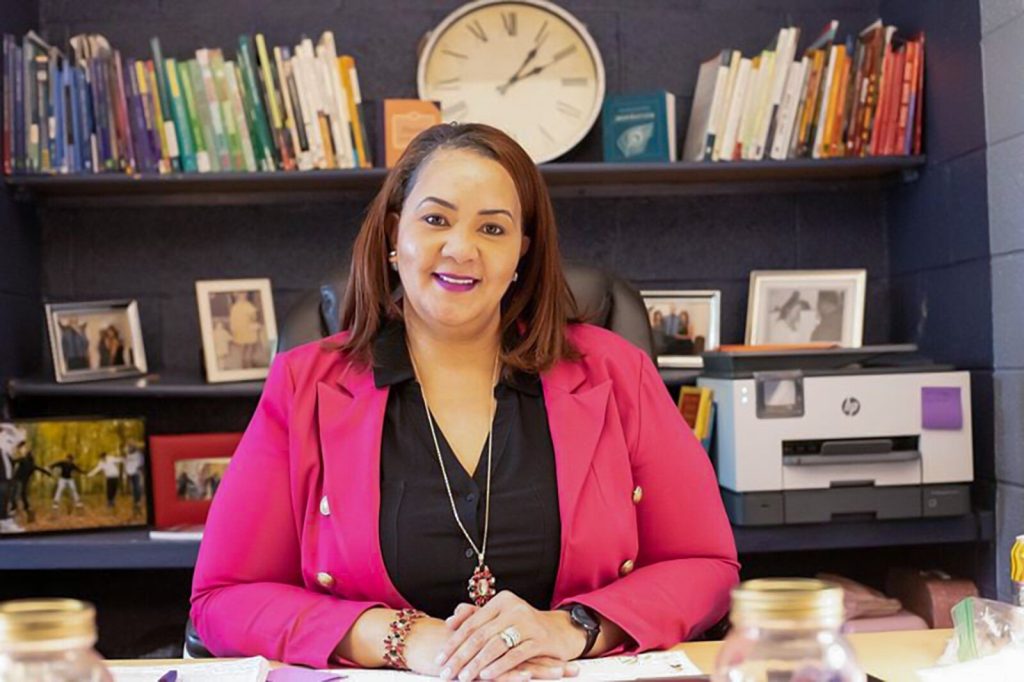
Neal says that when YCS administrators heard about the IBCP, they immediately knew it was “a perfect fit with our CTE offerings.”
“It gives our students so many options. If you chose that CTE pathway but still wanted to have some opportunity to earn college credit, you can do both,” she says.
Neal says that if a CTE program is accredited in the state where the school is located, it already qualifies for IB accreditation. That meant all the pieces were in place for the manufacturing and culinary programs to be accredited.
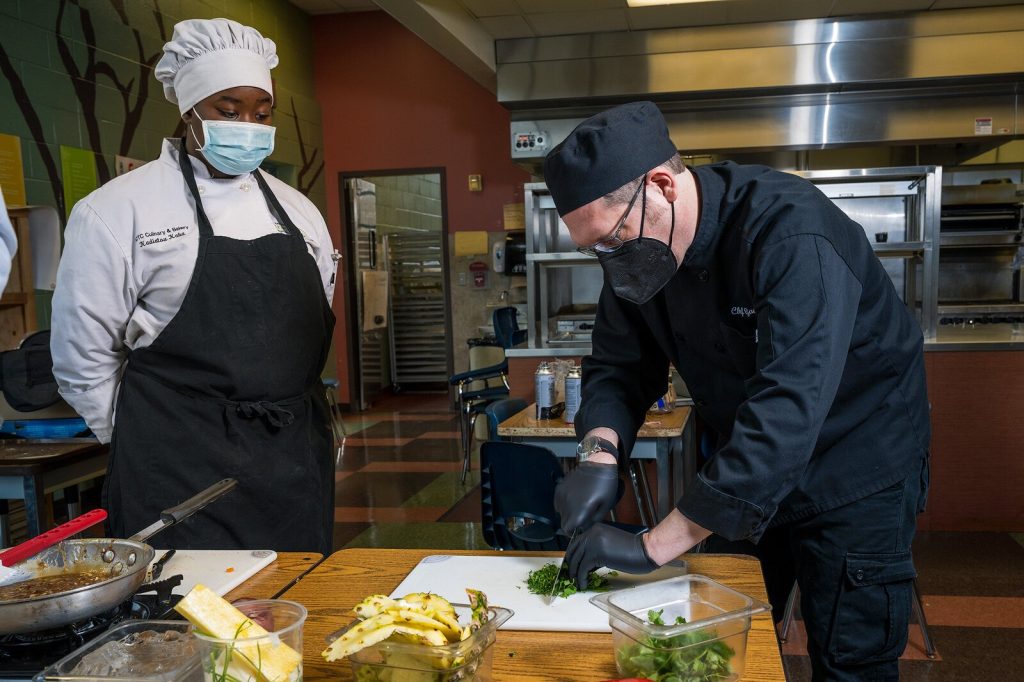
Chef and YCS culinary instructor Aaron Gaertner says that in the case of the culinary program, his students were already doing nearly everything the IBCP program calls for anyway.
“It was so cool, when [IB officials] came to visit in the lab here, to have them walk around and see the technology [and] what the students are doing,” Gaertner says, adding that IB officials could see that YCS is “going above and beyond in every aspect and turning out young culinary and baking professionals that are college- and career-ready and ready for the world.”
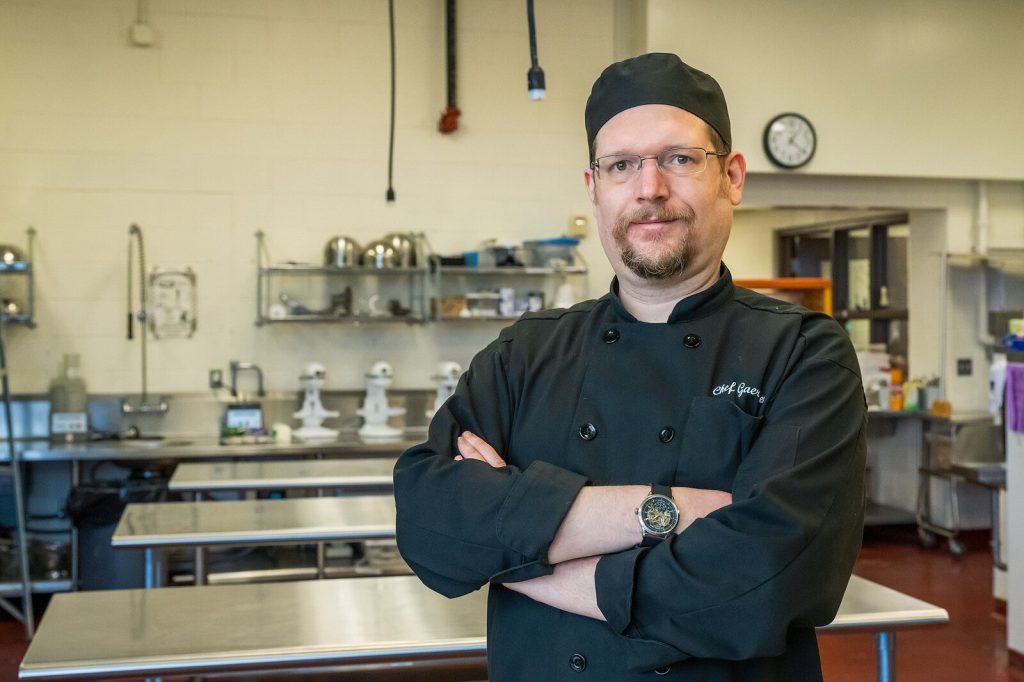
He notes that his culinary students are already doing project-based learning that included coming in third in the nation in a NASA competition to cook for astronauts. He says IB requirements for doing a creative project will “fit right in” with the demonstration competitions his students are already doing.
“I’m very excited about this,” Gaertner says. “It’s a cool thing to have, one more feather in their cap, where you might have students leaving with seven industry certifications. It’s just one more cherry on the top.”
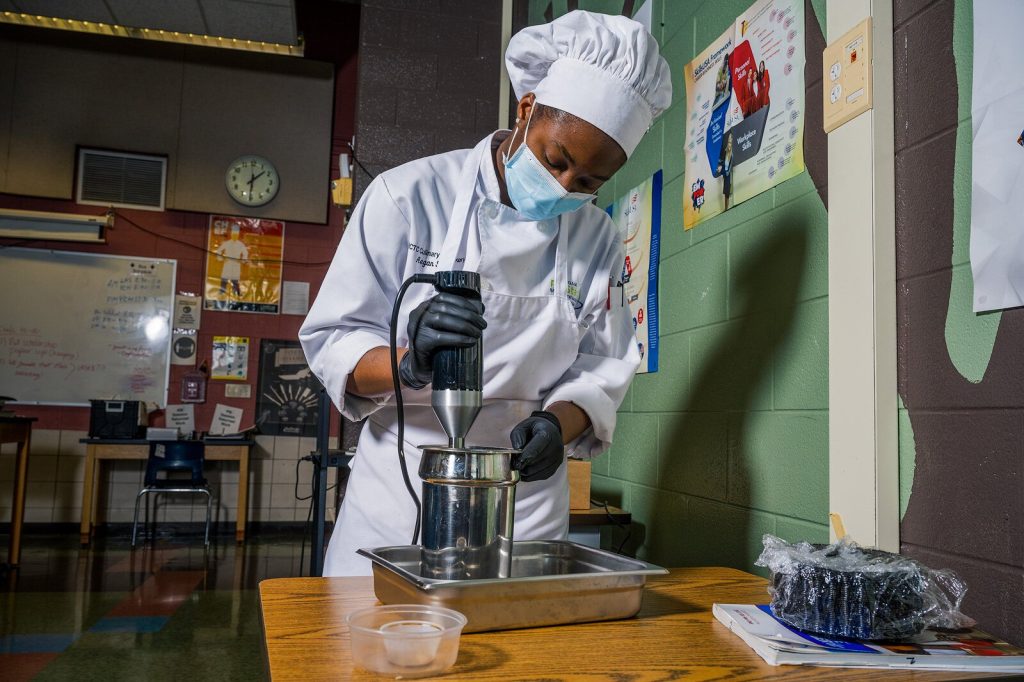
YCS administrators say that the IBCP will boost students’ chances of getting into high-demand, high-wage fields because of the blend of academic challenge and practical application. Students who decide to pursue a college education instead of, or in addition to, a trade also have the opportunity to earn up to 32 college credits.
Harris-Hugan says that the existing IB “middle year” program means ninth graders come to YCHS “immersed into the rigor and expectations that IB has for that program,” preparing them for the IBCP program starting in 11th grade.
She notes that in addition to college credits, students will have the opportunity to earn local certifications that become “stackable credentials.”
“They can take those certifications and go immediately into the workforce if they like, or take the college credits they earned and go to college. I like the flexibility, the fact that it doesn’t pigeonhole them into either a career or a trades program,” Harris-Hugan says.
If students are interested in pursuing a trade, the high school makes that route easier through collaborations with local trade union members who teach in the high school classrooms.
“They come in and work alongside our students and support us with training. A lot of those students are offered positions right out of high school to enter the journeyman program,” Harris-Hugan says. Those apprenticeship programs pay students a salary while they work in their field part-time and go to school part-time.
Harris-Hugan calls the program “the best of both worlds,” supporting those who want to pursue a trade and those who might want a traditional four-year degree.
Because college tuition is so expensive, leaving high school with up to 32 credits makes a four-year college degree more attainable for economically challenged students and their families, she says.
She says both college admissions boards and employers look favorably on high school graduates who have certifications and credentials.
“As an employer, they’d see you’re a hard-working, global thinker,” Harris-Hugan says.
Harris-Hugan says the IBCP will also help with the transition out of high school. She says students’ warm, close relationships with YCHS teachers and staff will support them through gaining their first college credits or certifications before they continue their education independently.
“We want to make sure we don’t just graduate them but that we’re asking where they’re going, what they’re doing, and what support they need,” she says. “We want to create this strong bridge from high school into the next part of our seniors’ lives.”
Author

Related Articles
Washtenaw County school to host new free pre-kindergarten program
A new free pre-kindergarten program will be available to 15 3- and 4-year-olds in the Washtenaw Intermediate School District (WISD) this school year.
Why early childhood belongs on every Michigan voter’s ballot
Why Michigan voters should pay attention candidates’ stands on childcare and early learning.
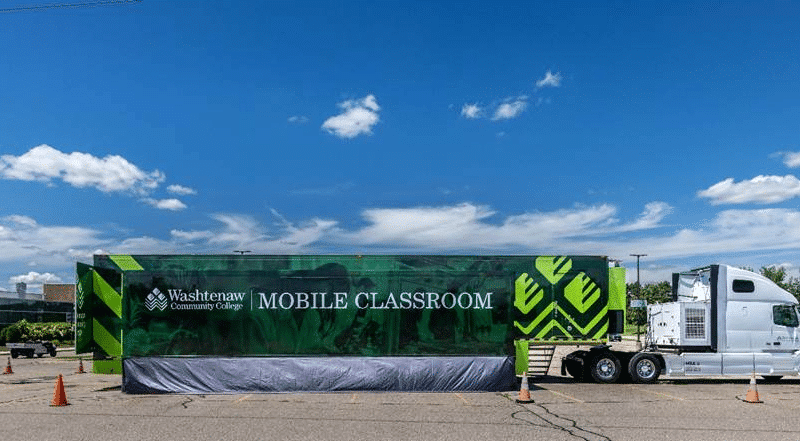
WCC rolls out new Mobile Classroom for offsite learning
Washtenaw Community College is taking its classes beyond traditional campus borders this summer with a new project: a 48-foot-long mobile unit called the Mobile Classroom.


