
Ypsilanti African-American cemetery is being rehabilitated after decades of disrepair
The African American Cultural and Historical Museum of Washtenaw County has been cleaning up Woodlawn Cemetery and working to identify lost graves.
On the Ground Ypsilanti is an “embedded journalism” program covering the city and township of Ypsilanti. It is supported by Ann Arbor SPARK, the Center for Health and Research Transformation, Destination Ann Arbor, Eastern Michigan University, Engage @ EMU, Washtenaw Community College, Washtenaw County Parks and Recreation Commission, and Washtenaw ISD.
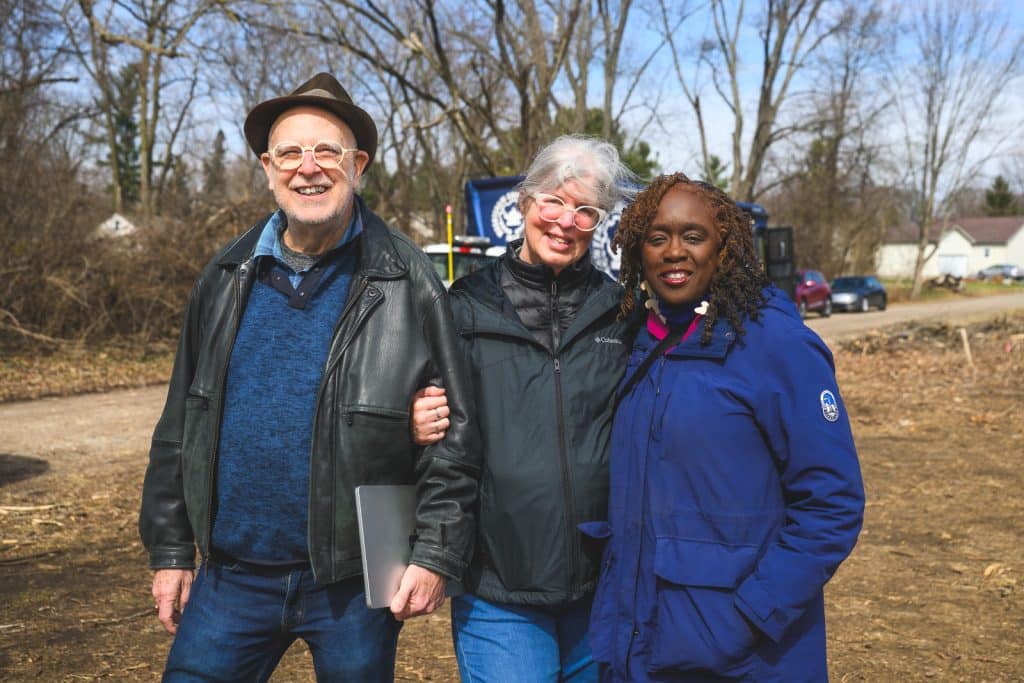
The African American Cultural and Historical Museum of Washtenaw County (AACHM) is making strides toward rehabilitating and transforming Woodlawn Cemetery in Ypsilanti Township, the only known African-American graveyard in Washtenaw County and one of only a handful in the state of Michigan.
While spearheaded by the AACHM, the project is a collaborative effort involving a local archeologist, the Washtenaw County Historic District Commission, Ypsilanti Township, the African American Genealogical Society of Washtenaw County, descendants of family members buried in Woodlawn Cemetery, and the Washtenaw County Racial Equity Office, which helped acquire a grant of $13,000 toward restoring the site.
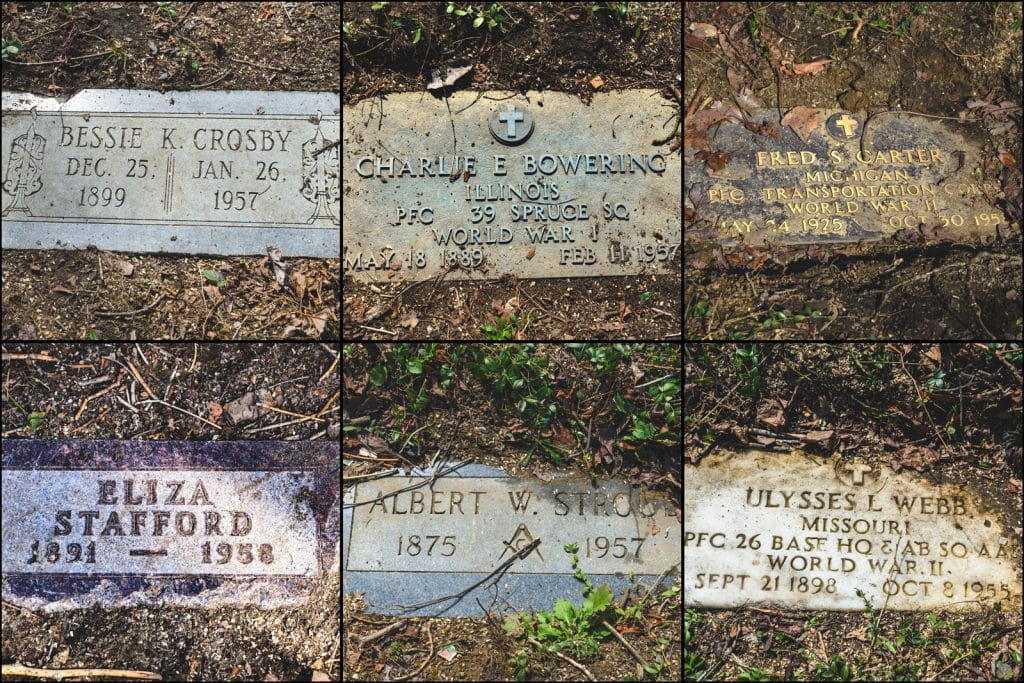
In the last two years, the AACHM has been hosting regular clean-up days at the site. Most recently, museum staff conducted some non-invasive engineering surveys of the site. They’ve also hosted a series of listening sessions around southeast Michigan to inform residents about the project, solicit stories from descendants of those buried there, and ask for feedback about transforming the neglected site into something welcoming to families.
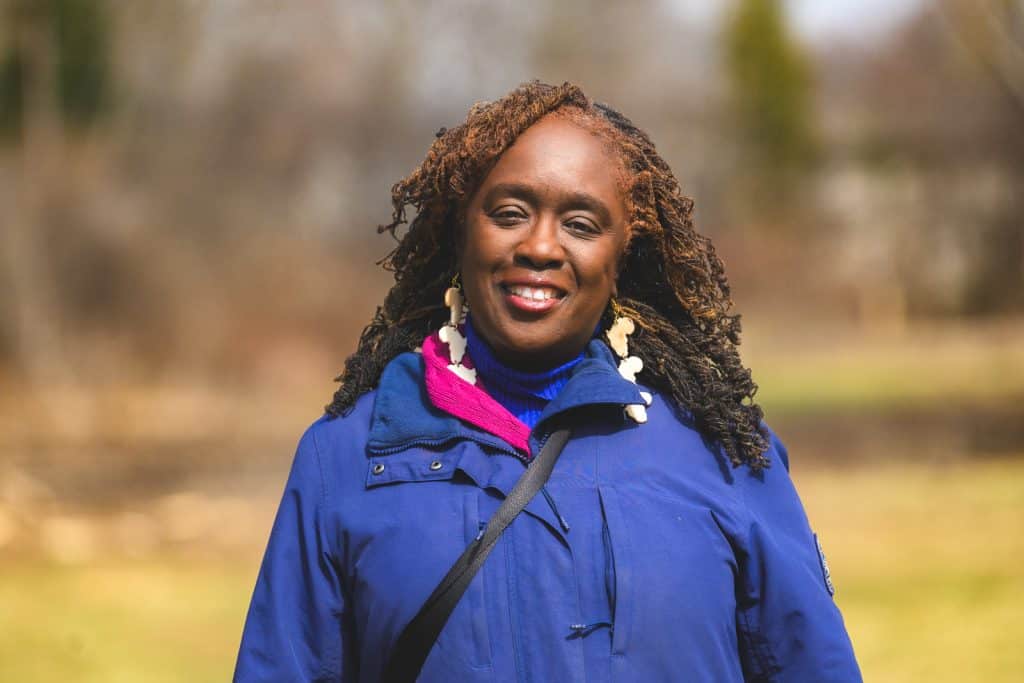
Deborah Covington, chair of the AACHM board, says the cemetery was founded in 1946 by a local pastor named Garther Roberson, Jr. during the era of Jim Crow and racial segregation.
“Pastor Roberson decided to purchase a plot of land and give them honor they often didn’t experience in life,” she says. “At least they could have honor and dignity in death.”
By 1965, official records deemed the cemetery abandoned, and it became totally overgrown. As a result, the locations of many graves have been lost to time. Since taking on the cemetery project, the AACHM has hosted several work days to remove brush, and the site can be seen from South Huron River Drive now.
The project partnered with national engineering consulting firm Terracon this spring, using technology to learn more about the site. In an earlier first pass with specialized radar tools, Terracon staff had already expanded what they had thought of as the boundary of the cemetery and added more potential gravesites to a map the AACHM is developing.
Terracon was on site March 9-20 to conduct a geophysical survey. Both Covington and Alex Corkum, an archeologist with Terracon, note that the survey was “totally non-invasive.” No graves were or will be disturbed at any point during the project, Covington notes.
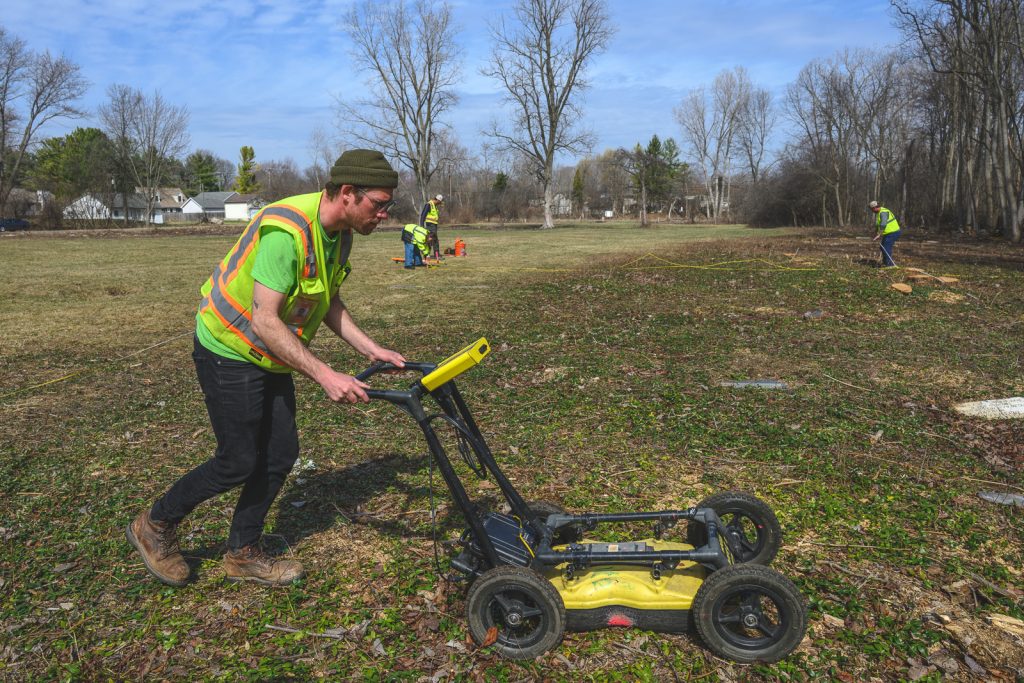
Corkum estimates that Terracon donated equipment and about 60,000 hours of volunteer time to the project at no cost to the AACHM. Corkum says this is in part “giving back” to the community, but it’s also an opportunity for Terracon technicians from around the U.S. to get hands-on experience with many different technologies in a unique location.
“You don’t always get the opportunity to throw the kitchen sink at a problem,” Corkum says.
Additionally, he says, Terracon hopes to publish some of its technical findings in academic journals at some point.
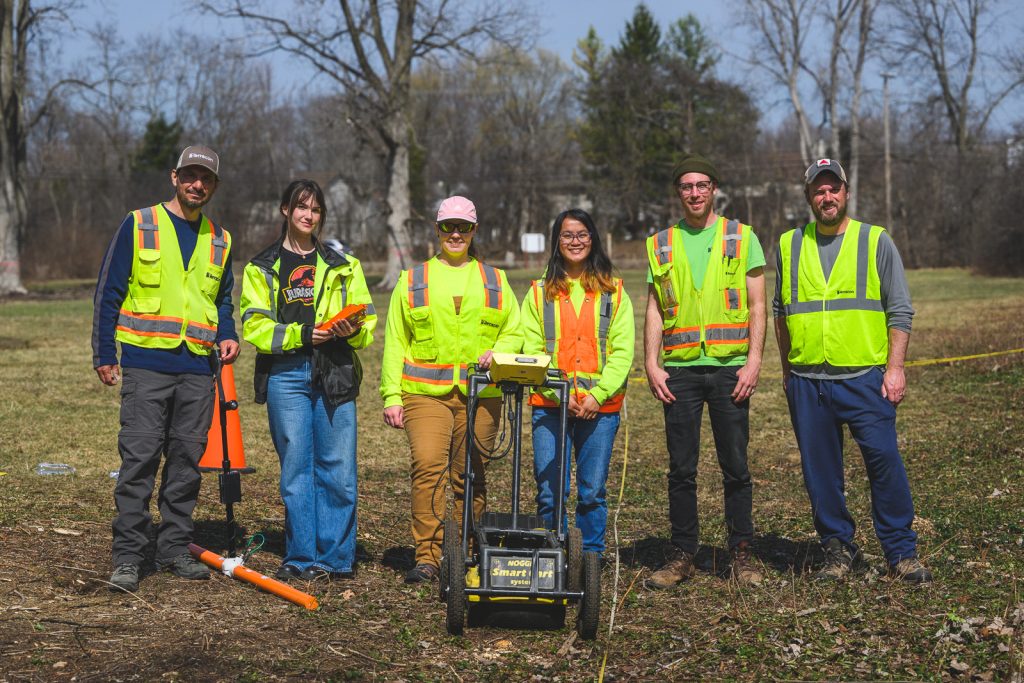
A few weeks after completing the multi-week survey using 18 different technologies, Terracon had some exciting findings for the AACHM.
“Terracon estimates that at least 500 people are interred at Woodlawn, significantly more than the original estimate of 150,” Covington says.
Covington notes that many of the people who come to work days at the cemetery have loved ones from only a generation or two back buried there. She says they are not working toward some kind of abstract Black history goal but rather are searching for family members’ graves.
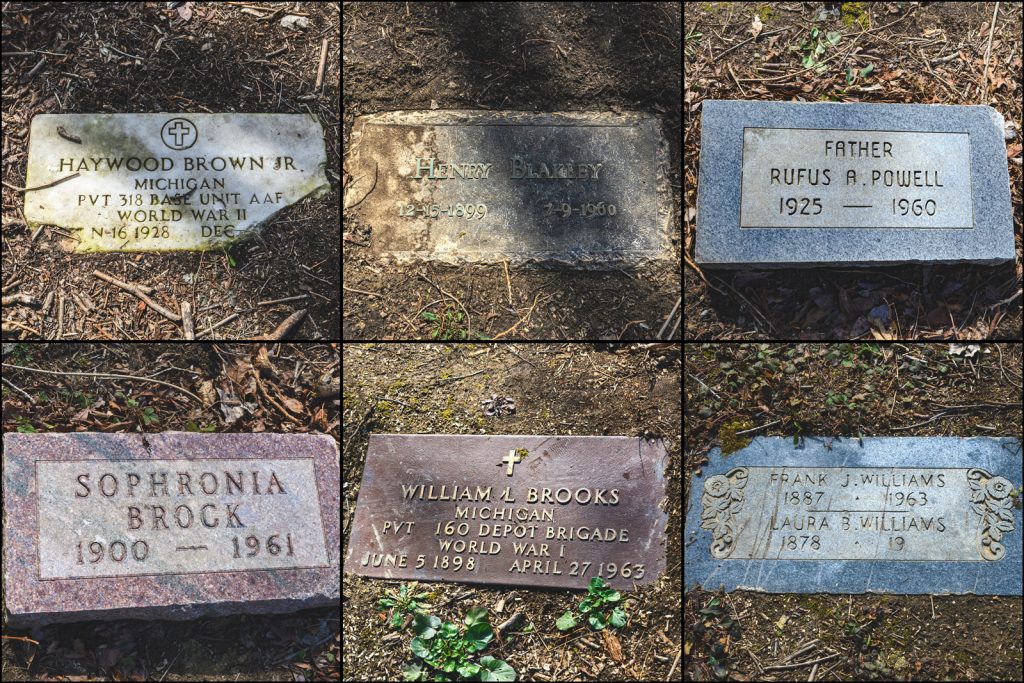
“The Black community and the descendants are key partners,” she says.
Barbara Lynne Campbell’s great-grandmother, Bertha May Campbell, is buried in one of the only clearly marked graves at Woodlawn. Barbara Lynne Campbell attended a recent AACHM listening session. She says she remembers visiting her great-grandmother’s grave and using a sickle to clear overgrowth with other family members, including Barbara Lynne Campbell’s own granddaughter.
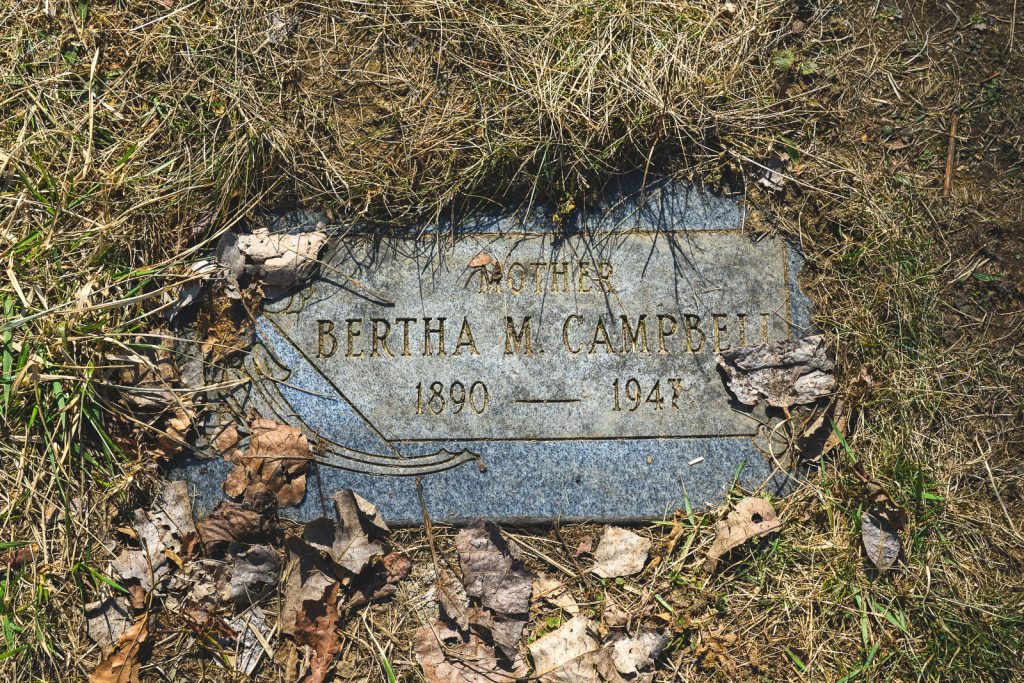
“My mom always wanted us to keep up the graves, and when we did go to the cemetery, [Bertha May Campbell] had the only plaque that was obvious, and we kept a white cross on her,” Barbara Lynne Campbell says.
She says that when she started talking about Woodlawn with others in her own generation, nobody seemed to know about it. But when friends asked parents and other older relatives, they found some surprises.
“One of my friends found out she had a great-uncle buried there,” Campbell says.
The AACHM is currently wrapping up its listening sessions for the Woodlawn project and is making a documentary about the project as well. Covington says staff will continue to post updates on the AACHM website.
Author
Related Articles
On-Demand Coaching helps Ypsi’s government and small businesses build a winning team
A Michigan Municipal League program helps Ypsi and other municipalities connect small businesses and entrepreneurs with existing capital and technical assistance.
Ann Arbor DDA expands its boundaries for first time, enabling new projects on city’s North Side
The goal of the Ann Arbor Downtown Development Authority’s expansion is to strengthen connections between downtown, the Huron River, and Ann Arbor’s North Side.
Inaugural State of the County address celebrates Washtenaw County’s recent achievements
The event marked the county’s bicentennial and looked back at its pre-colonization roots while highlighting recent government achievements.


