

This story is part of a series about arts and culture in Washtenaw County. It is made possible by the Ann Arbor Art Center, the Ann Arbor Summer Festival, Destination Ann Arbor, Larry and Lucie Nisson, and the University Musical Society.
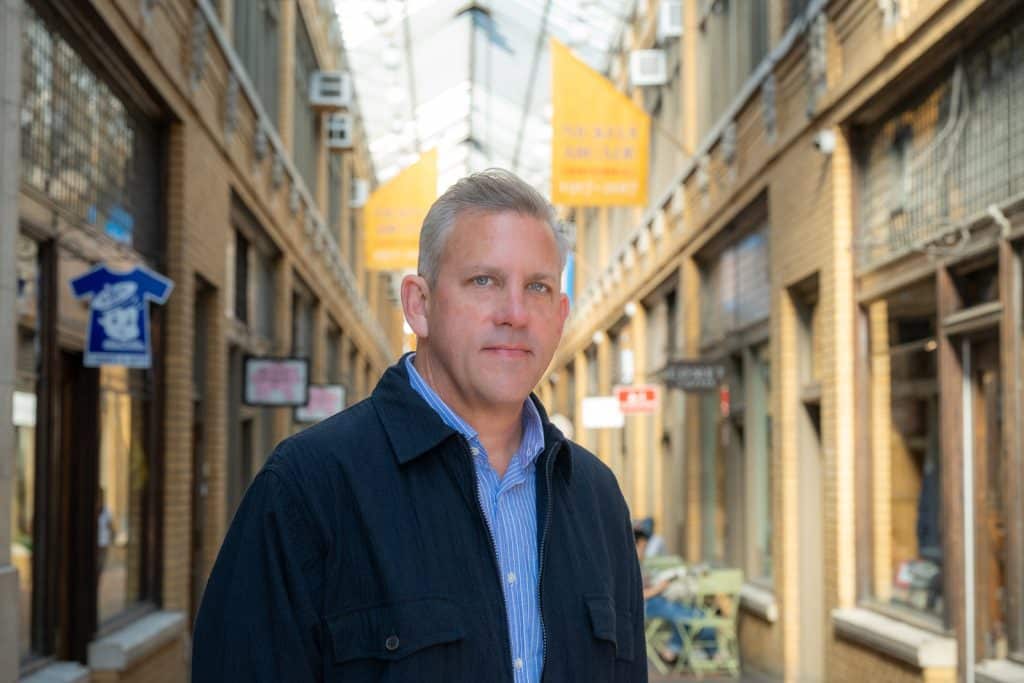
Some of Ann Arbor’s most prominent arts presenters are facing a financial balancing act as federal support for the arts continues to shrink. Nonprofits that bring national and international performers to Washtenaw County are increasingly relying on philanthropy, community sponsorship, and creative models to sustain their programming. At the University Musical Society (UMS), president Matthew VanBesien says the loss of federal funding won’t immediately halt major bookings, but it does force presenters like UMS to rethink long-term strategies and temper expectations.
“The bad news is that from a federal funding standpoint, the arts have never really gotten much money with the exception of the [National Endowment for the Arts (NEA)],” VanBesien says. “In the short term, missing that funding will not prevent us from booking major acts and bringing them to Ann Arbor, but we’re tempering our expectations based on if we will see any more grant money.”
Like many nonprofit arts presenters across the country, UMS is feeling the pinch as grant funding from the NEA and other public sources dwindles. The federal government canceled many NEA grants earlier this year, and President Donald Trump’s administration has proposed eliminating the NEA entirely. The organization faces a growing gap between ticket revenue and the true costs of bringing world-class performers to the stage. This funding shortfall reflects a broader challenge for performing arts nonprofits trying to sustain ambitious programming in an era of shrinking federal support.
“When people hear that tickets only cover about 30% of the costs of our presentations throughout the year, they’re usually really surprised,” VanBesien says. “But that is much more the norm in the performing arts sector than it used to be – and performances for nonprofit performing arts groups are much more supported by philanthropy than they are by ticket sales.”
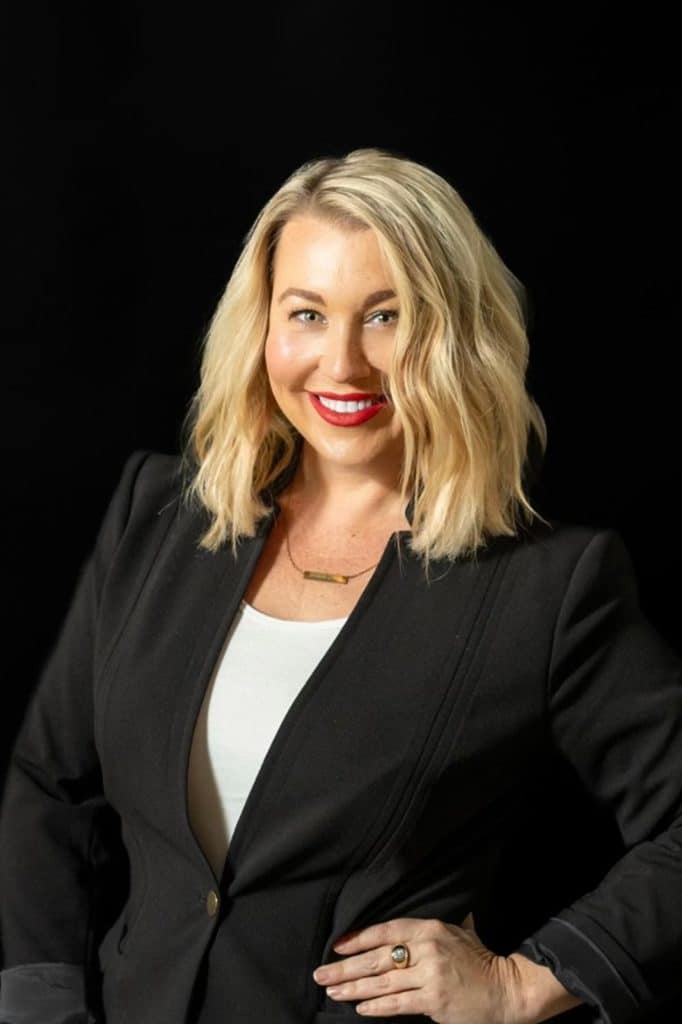
Molly Rowan is the executive director of Ann Arbor nonprofit Marquee Arts, which oversees both the Michigan and State theaters. She says the financial challenges of presenting national acts have only intensified in recent years. With federal support for the arts shrinking under the Trump administration, organizations like Marquee Arts are increasingly forced to rely much more on community support and creative fundraising to keep programming accessible to audiences and performing artists.
“Things like artist fees, technical requirements, staffing, and hospitality all add up quickly,” Rowan says. “Ticket sales definitely cover a good chunk, but they rarely cover the full cost, especially for larger acts.”
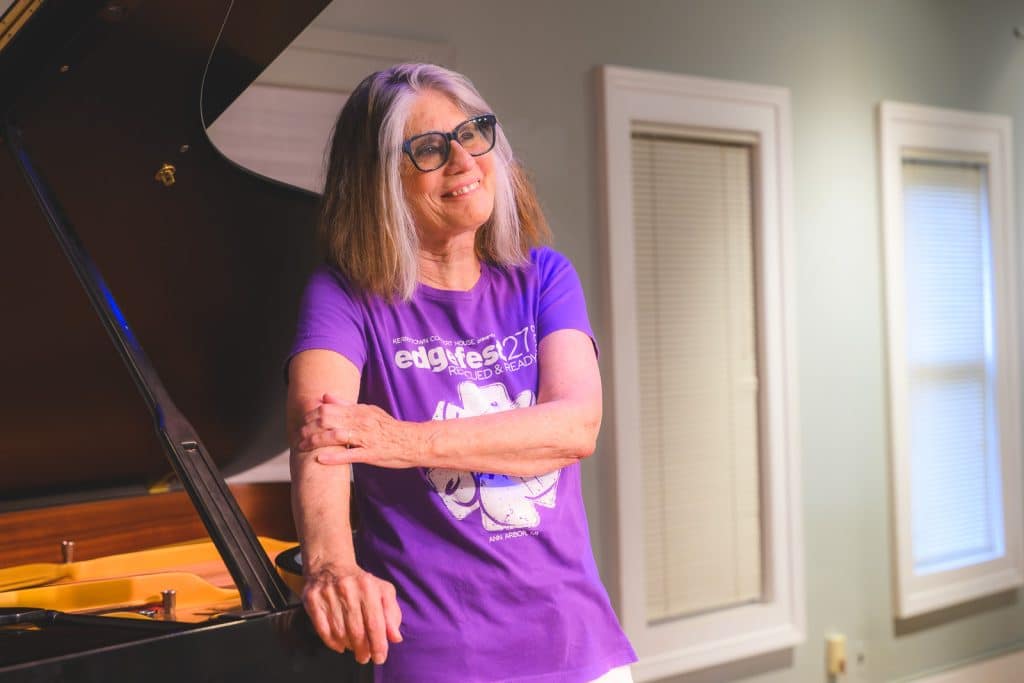
Another Ann Arbor nonprofit, Kerrytown Concert House, has also faced funding struggles, particularly with its annual avant-garde jazz festival Edgefest, which celebrates its 29th year this October. Deanna Relyea, KCH founder and current Edgefest director, explains that a major struggle for Edgefest has been a recent shift in NEA funding going towards projects that are “more popular and mainstream,” leaving more niche programs scrambling for funding to continue.
“Presenting arts organizations, especially those whose audiences are not huge, rely on the financial support of the community,” Relyea says. “Since the art form does not attract thousands, ticket income provides perhaps just 45% of the cost of presenting.”
Both Relyea and VanBesien say ticket sales cover less than half of the expenses of their presentations, with grants and local sponsorship filling in the gaps. Rowan explains that ticket sales at the Michigan Theater can sometimes cover “60-80% of total expenses,” depending on the act, but for many performances this is not the case.
“While federal funding isn’t always the direct source for every show, it supports the ecosystem that makes these events possible,” Rowan says. “When those [funds] are cut, the burden shifts back to nonprofits like us, and it makes it harder to keep our programming accessible and affordable.”
Relyea says international artists’ recent concerns about traveling over American borders, paired with overall funding challenges, can ultimately lead to a venue being unable to fill a season of programming, or canceling long-running community events due to a lack of booked acts.
“Today, the process of procuring visas is complicated, and the cost for individual artists is prohibitive,” Relyea says. “Planning tours is also less likely because of that lack of funding, so it’s circular.”
While VanBesien faces some of the same issues that both Relyea and Rowan have encountered in their venues, he also sees opportunity for UMS to get creative about how it plans presentations in the future. He mentions UMS’ work in Ypsilanti with the Freighthouse Residency series, which functions on a pay-what-you-can ticket model and prioritizes Ypsi residents when tickets go on sale. He says this may not be a model that works for every event, but its success over the past five years has made it clear that community members are receptive to new approaches – especially when it makes the arts more accessible to a broader audience.
“Our goal is to have really few, if any, barriers to entry,” VanBesien says. “We want to sell a lot of tickets and have a lot of access. But at the same time, if we give ourselves permission to not have a huge percent of our budget covered by tickets, it opens up a realm of new possibilities in terms of access.”
All three organizations’ leaders, though, emphasize the importance of community support in uncertain times. Both Rowan and VanBesien say spreading the word about events through social media is sometimes just as impactful as buying a ticket. Relyea says local businesses and other community organizations sponsoring local venues is also integral to venues’ ability to provide high-quality presentations.
“We are looking to area foundations and businesses for new support funding since it seems that the future of NEA funding has ended,” Relyea says. “Anything extra the public can do now will be crucial to the survival of many arts organizations.”
“Buying a ticket, becoming a member, sponsoring a show all directly help us keep bringing amazing performances to town, but even sharing on social media or introducing someone new to the theater makes a difference,” Rowan says. “This is a community effort, and the more people who are involved, the stronger we are.”
Despite financial uncertainty and shrinking public funding, arts presenters in Ann Arbor remain committed to delivering high-quality performances, exploring creative strategies and community partnerships to ensure that shows remain accessible while continuing to bring exceptional artists to local stages. More information and updates regarding the NEA can be found at arts.gov.
“There is no greater indicator of having impact in the community than people coming out to see and experience artistry live,” VanBesien says. “At the end of the day, if we aren’t here for our own community and these acts aren’t accessible, then we aren’t actually fulfilling our mission.”
Author
Related Articles
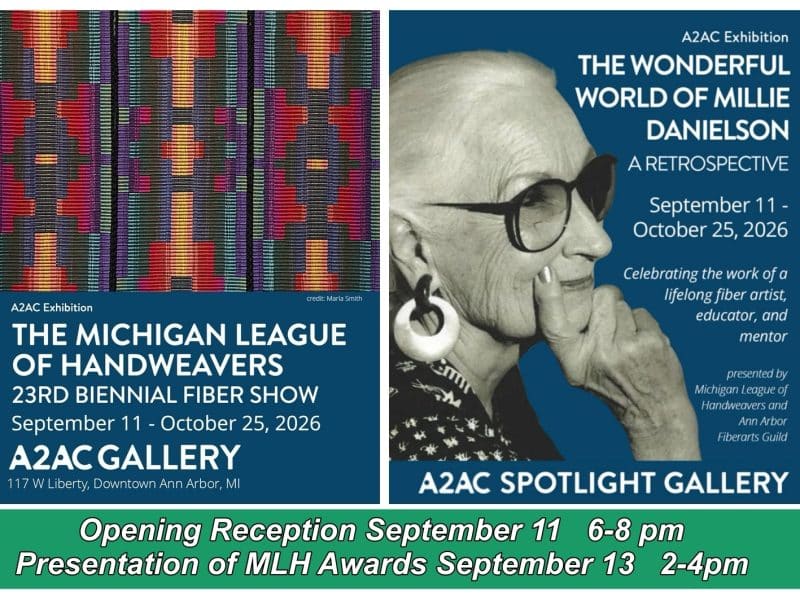
Michigan League of Handweavers’ biennial show in Ann Arbor will feature myriad disciplines
From weaving to doll-making, a broad range of craftsmanship will be featured in both exhibitions and public demonstrations at the Michigan League of Handweavers’ 23rd Biennial Fiber Show.
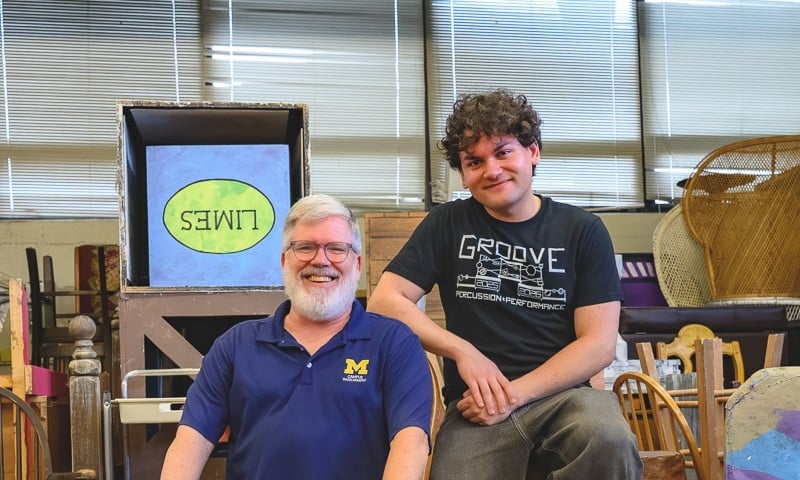
From building a train to hosting an alpaca, this U-M facility serves student performers’ needs
For about 50 years, the University of Michigan’s Student Theatre Arts Complex has been quietly providing crucial pre-production support to student-run theater and other performance groups.
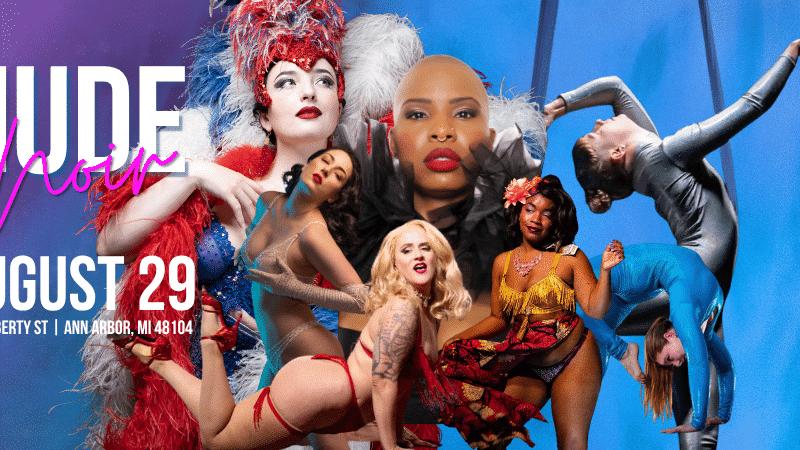
Nude Noir brings “celebration of the human form” to Ann Arbor’s Michigan Theater
Nude Noir attendees are invited to roam the Michigan Theater as performances — from burlesque and drag to aerialists and contortionists — unfold around them.


