
As ICE comes to Ypsi, residents organize to protect neighbors and prevent misconduct
Community advocates are urging residents to organize, prepare, and support one another as enforcement actions become more visible and more aggressive.
On the Ground Ypsilanti is an “embedded journalism” program covering the city and township of Ypsilanti. It is supported by Ann Arbor SPARK, the Center for Health and Research Transformation, Destination Ann Arbor, Eastern Michigan University, Engage @ EMU, Washtenaw Community College, Washtenaw County Parks and Recreation Commission, and Washtenaw ISD.
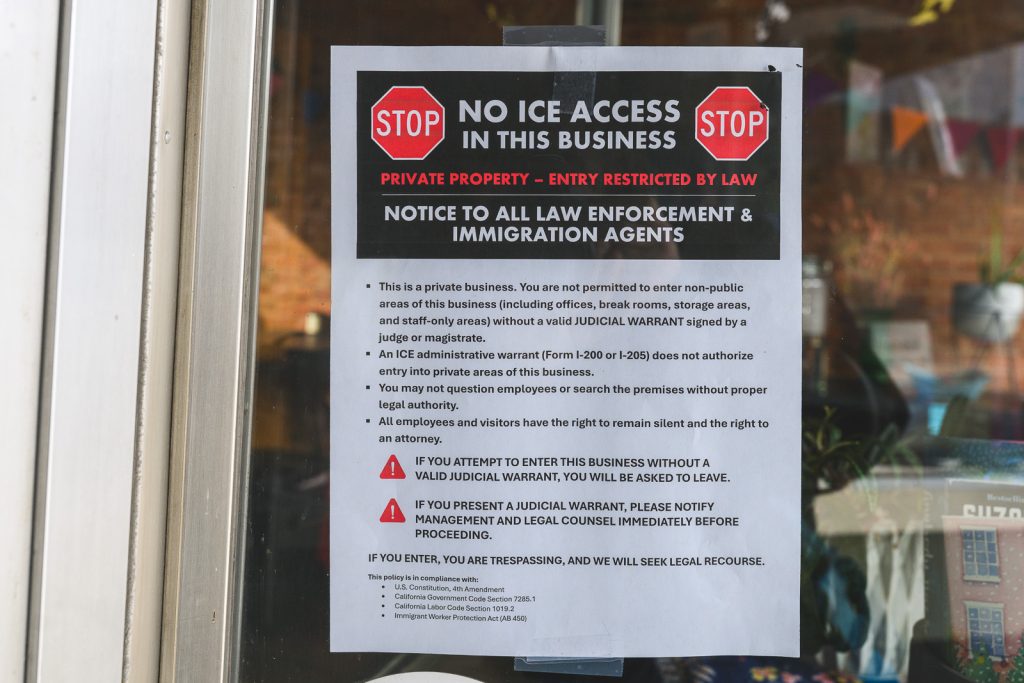
Increased U.S. Immigration and Customs Enforcement (ICE) activity in Ypsilanti and across Washtenaw County has left immigrant families reeling and community advocates urging residents to organize, prepare, and support one another as enforcement actions become more visible and aggressive.
Local advocates say people are being detained most days in a mix of targeted and seemingly random encounters, during traffic stops, on their way to work, or near their homes. Mary Anne Perrone, a member of the grassroots organization Movement for Immigrant Rights Action Washtenaw (MIRA) as well as the Washtenaw Congregational Sanctuary, says the impact on families has been devastating.
“We are seeing people stopped and picked up while driving in a car or truck, coming or going from work, or near their homes,” Perrone says in an email interview. “The impact we are seeing is mothers and fathers ripped away from their families and the lives that they have built in our community.”
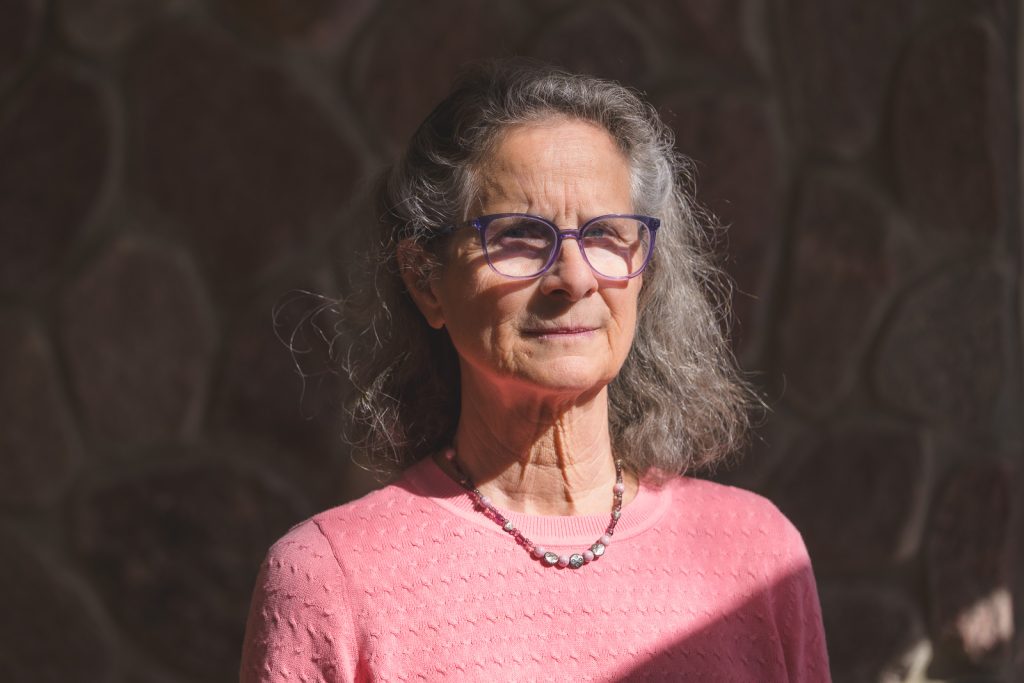
In one recent incident, Perrone says three mothers with five children were arrested together as they prepared to go to work, leaving behind a 4-month-old baby. A father from another family was detained the same day. While immigration enforcement has long existed in Washtenaw County, Perrone says the scale has intensified over the past year.
Christine Sauvé is the policy, engagement, and communications manager at the Michigan Immigrant Rights Center (MIRC), which has an office in Ypsilanti. She says the increase in immigration enforcement is part of a broader statewide pattern that includes increased use of force during arrests.
“We continue to see increased immigration enforcement actions across the state in urban, suburban, and rural communities, and this includes Washtenaw County,” Sauvé says. “We have started seeing an increased use of violence during ICE arrests.”

Sauvé describes the December arrest of a Washtenaw County client who was riding in the back seat of a vehicle when it was surrounded by unmarked cars. She says his young daughter was pulled from him as agents yelled at her, and he was tased, handcuffed and forced to the ground.
Beyond the physical danger, advocates say the emotional and economic toll on families is severe. Sauvé says fear has spread well beyond undocumented residents, affecting people with legal status and mixed-status families alike.
“It is an incredible mental strain to carry this fear every day and may inhibit normal activities like seeking health care, participating in school and community life, shopping at stores, and even calling the police,” she says.
Sauvé says community members with pending immigration applications, including asylum seekers, are also being detained, sometimes during routine check-ins with federal agencies. Many are separated from children who are U.S. citizens, creating what advocates describe as a growing family separation crisis.
At the county level, officials have taken steps to limit ICE activity on local property. Washtenaw County commissioners unanimously approved a resolution on Jan. 21 barring federal immigration enforcement officers from county-owned or -operated buildings without a judicial warrant or court order. The measure also directs county employees not to voluntarily assist with civil immigration enforcement, and formally opposes the use of masks by ICE officers to conceal their identities during civil actions. The resolution followed public testimony describing arrests in Ypsilanti neighborhoods and the use of charter flights from Willow Run Airport for deportations. County leaders say the policy was intended to protect access to public services and reduce fear among residents.
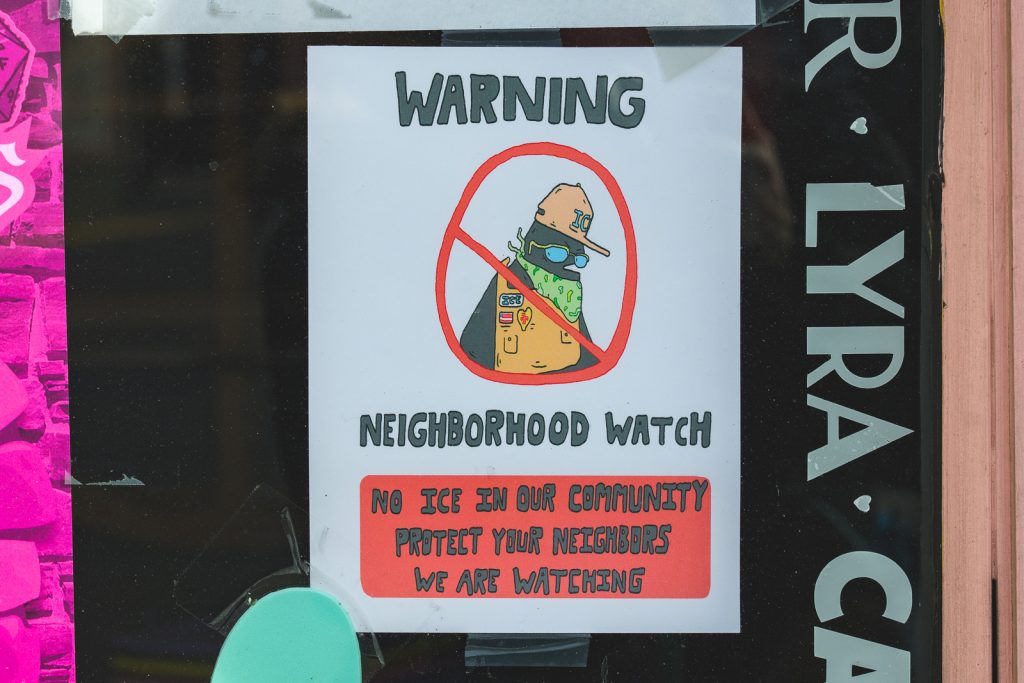
Other organizations have taken measures to help community members be aware of and report ICE sightings. For example, the nonprofit Growing Hope has provided whistles at its farmers market events for residents to alert others that ICE has been spotted in the area. But even with these safeguards, advocates emphasize that enforcement continues in public spaces and outside county jurisdiction, making community preparedness critical.
Perrone urges immigrants and allies to connect with local rapid-response networks and legal resources. She highlights the Washtenaw Interfaith Coalition for Immigrant Rights, which operates a hotline for immigration-related needs. She also encourages people to make use of MIRA’s rapid-response text and call lines and Know Your Rights trainings.

If residents witness an ICE encounter, Perrone says, they should remain calm, record from a safe distance, and ask officers whether they have a judicial warrant.
“You can let them know that you are witnessing, and the affected person(s) will know that they are not alone,” she says.
Sauvé emphasizes that individuals have the right to remain silent, to ask whether they are being detained, and to request a warrant if officers attempt to enter a home or private workspace. She encourages detained individuals to contact legal service providers immediately, noting that access to free legal representation can be the difference between release and prolonged detention.
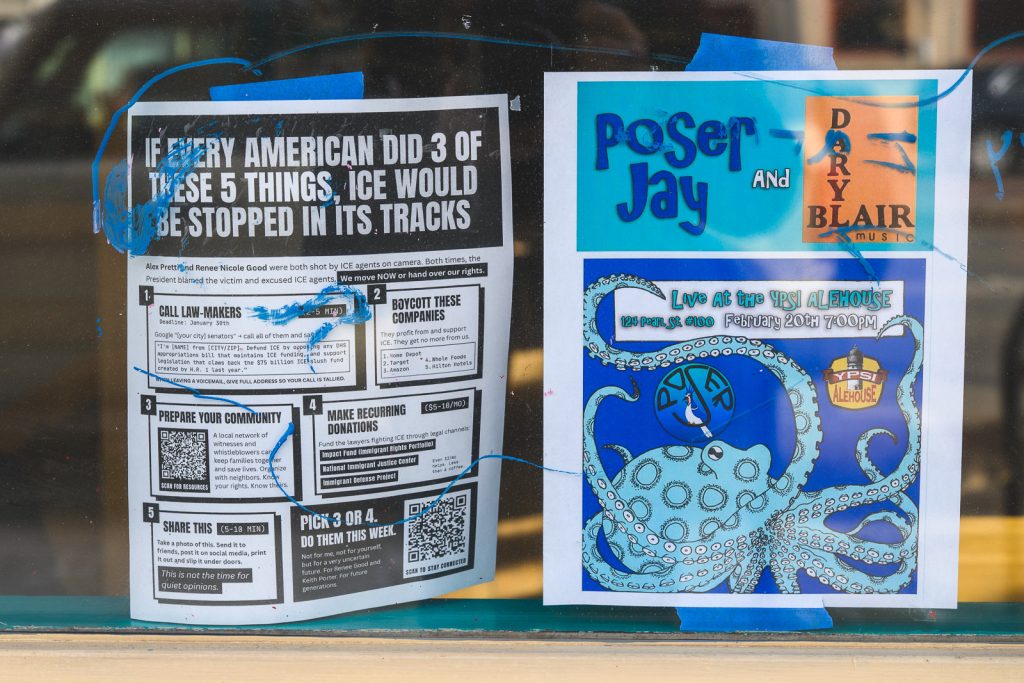
For neighbors looking to help, both Perrone and Sauvé point to mutual aid such as driving families to appointments, providing groceries, fundraising for legal defense, and showing up at public meetings to advocate for noncooperation policies.
“These are the last lines of defense,” Sauvé says. “There are simply not enough free legal services, and every dollar raised helps ensure people have access to legal advice when they need it most.”
Washtenaw County residents who wish to confidentially report ICE activity, misconduct, misuse of force, or racial profiling can do so using MIRA’s hotline at (734) 224-3852 or the American Civil Liberties Union (ACLU) of Michigan Immigrant Police Misconduct Hotline at (313) 208-7048. They may also submit an ACLU complaint online. Residents can alsoreport misuse of force by federal agents to the Michigan Attorney General. For more information about MIRC or to find other ways to get involved, refer to MIRC’s Action document. Additional ICE-related resources for community members can be found here.
“Passing policies matters, but it’s not enough on its own,” Perrone says. “What will protect people in Ypsilanti right now is neighbors standing together and refusing to let fear isolate us from one another.”
Related Articles
Washtenaw County residents invited to contribute to new 10-year tourism plan
Destination Ann Arbor is inviting residents and local stakeholders to help directly shape the future of tourism in Washtenaw County from 2027-2036.
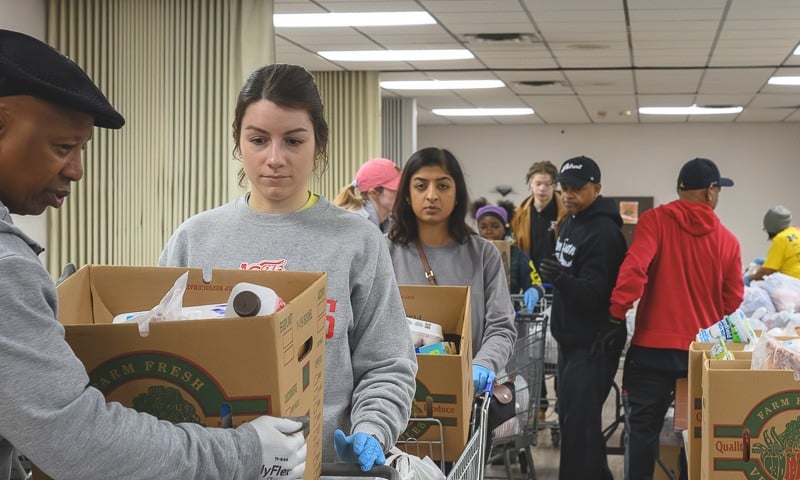
Ypsi Township church has fed hundreds in twice-monthly food distributions for nearly 20 years
The food pantry at the Community Family Life Center, 1375 S. Harris Rd. in Ypsilanti Township, has been a family-feeding machine, distributing groceries twice a month to an average 300-400 families.
Washtenaw County officials say local elections are secure despite Trump calls to “nationalize” them
Washtenaw County elections officials say they’re well-prepared to protect against fraud in this year’s midterms and any other election. We interviewed them about their system and President Trump’s statement that elections should be “nationalize[d].”


