
Will new MiLEAP policies better support small and home-based child care spaces?
Licensing updates and funding strategies aim to strengthen quality, stabilize providers, and expand access to child care.

Licensing updates and funding strategies aim to strengthen quality, stabilize providers, and expand access to child care.

ECIC works with public agencies, community partners, philanthropy, and providers to ensure every child has a foundation for lifelong success.
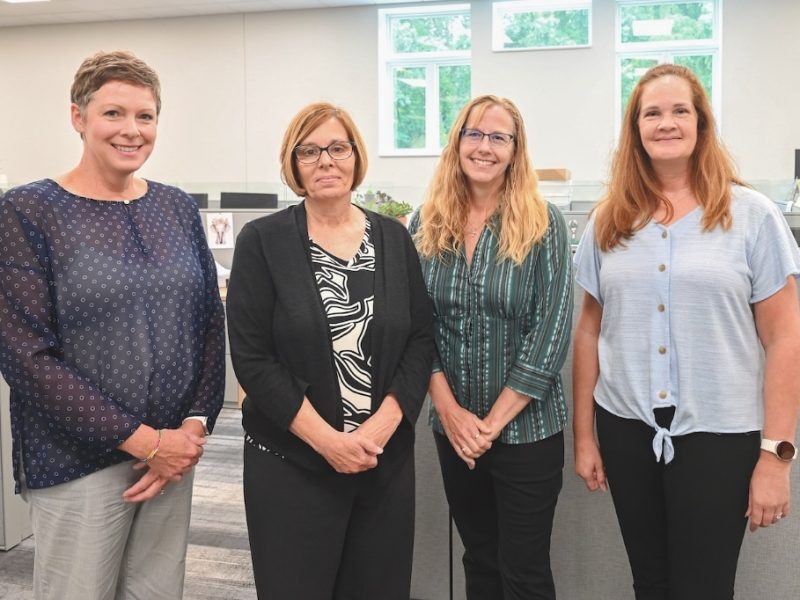
Throughout Michigan, quiet heroes leave a profound imprint on those with mental illness.

While geography shapes experience, families face similar struggles finding child care.

Community-based organizations report that approximately 15% of students withdrew from preschool programs within weeks due to immigration enforcement activity.

Michigan's hospitals and community mental health agencies are working together to address gaps in behavioral health care that contribute to long emergency department stays and delays in treatment. Several recent initiatives aim to improve care coordination and create new models of crisis response.
Community-based organizations report that approximately 15% of students withdrew from preschool programs within weeks due to immigration enforcement activity. Advocates and policy researchers attribute these shifts to the growing climate of fear among immigrant families in Michigan.
Community-based organizations report that approximately 15% of students withdrew from preschool programs within weeks due to immigration enforcement activity.
En 2024, los educadores de la primera infancia en el suroeste de Detroit observaron una caída significativa en la inscripción preescolar tras el aumento de la actividad de control de inmigración. Aunque el descenso no fue documentado oficialmente en ese momento, las organizaciones comunitarias informan que aproximadamente el 15% de los estudiantes fueron retirados de los programas preescolares del área en cuestión de semanas.

As Head Start marked its 60th anniversary this past May, the program’s legacy stands as more than a historical benchmark. It offers a powerful example of how early learning can drive equity, resilience, and long-term impact.
Our Partners


