
Ballet Chelsea celebrates 30th anniversary while grappling with financial challenges
As Ballet Chelsea marks its 30th anniversary, the school and performing company faces an ongoing decline in students and federal funding cuts.
This story is part of a series about arts and culture in Washtenaw County. It is made possible by the Ann Arbor Art Center, the Ann Arbor Summer Festival, Destination Ann Arbor, Larry and Lucie Nisson, and the University Musical Society.
This year marks the 30th anniversary of Ballet Chelsea — a milestone that’s all the more significant as the dance school and performance company contends with financial challenges.
The organization took a direct hit during the COVID-19 pandemic. Artistic Director Michelle Quenon, now in her third year, estimates that approximately 300 students of various ages were enrolled in dance lessons pre-pandemic.
“Five years later, we’re still not back up to that [number],” she says.
According to Quenon and Jean Delwiche, Ballet Chelsea’s director of business management, 180-190 students from across the “mid-Michigan area” are currently taking dance lessons at the studio.
The school made a mid-pandemic effort to shift to virtual classes. But, Quenon notes, “it’s so hard to train dance that way,” and “there were a lot of students that left — understandably so — if they weren’t quite hooked into it or they found another activity they could do outside.”
Some classes, particularly for younger kids, were eventually moved to an open-air barn, where dancers were able to wear masks. As a whole, though, Quenon says Ballet Chelsea staff are “definitely still trying to build back up our student base after COVID.”
In addition to ballet, the school offers classes in various types of dance, including tap, jazz, hip-hop, and contemporary, though Quenon says the organization’s focus (or “prime joy,” in her words) is classical ballet.
In addition to the school, which offers classes to those aged 2 and up, Ballet Chelsea has two more business wings. Its performance company is comprised of both students and professional dancers, and its Adaptive Dance Program, launched in 2015, caters to dancers with cognitive or physical disabilities.
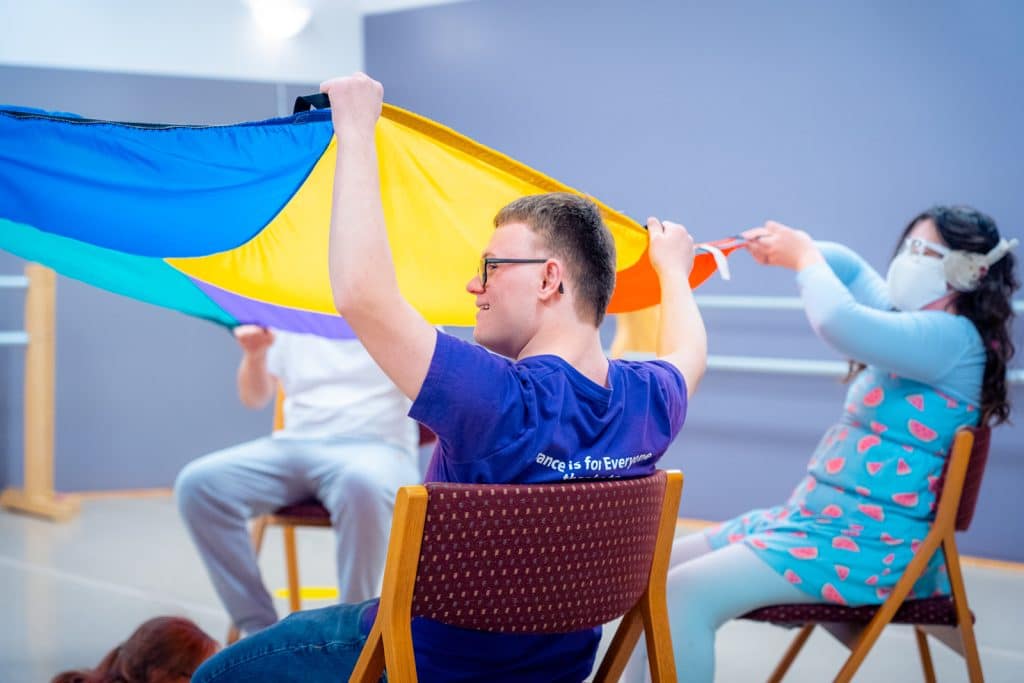
Delwiche, whose daughter danced with Ballet Chelsea from age 3 to 19, says the organization has survived a number of external stressors, from economic recession to pandemic. The latest threat is the disappearance of funds from the National Endowment for the Arts (NEA).
Delwiche says Ballet Chelsea is particularly strong when it comes to performance.
“There are dance studios that do competitive dance, right? We do performance,” she says. “We give kids, … young adults, and adults an opportunity to get onstage and create incredible ballet for … our patrons.”
With a volunteer squadron of more than 350 members (many of them family members of the dancers), Delwiche says performances are “very community-focused event[s].”
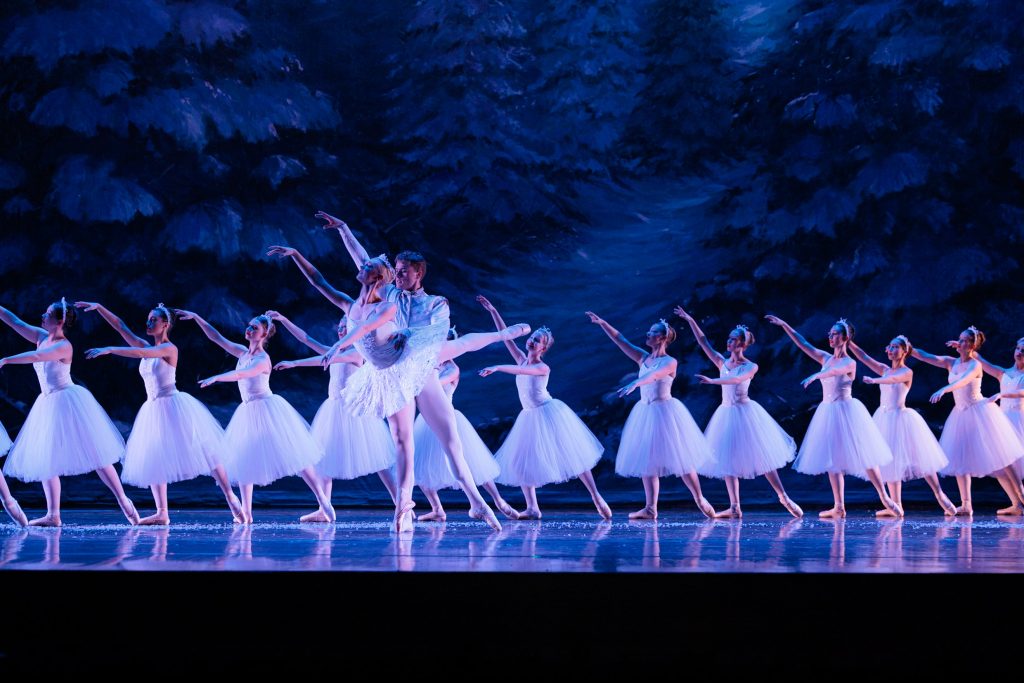
Every winter, the company partners with the Jackson Symphony Orchestra for a staging of “The Nutcracker.” This year’s “Nutcracker” will be Ballet Chelsea’s 28th consecutive performance of the winter classic. “The Nutcracker” is followed by a spring performance. This year’s will be “Alice in Wonderland.” Past spring performances have included “Cinderella” and “Don Quixote,” according to Quenon.
Throughout the year, Ballet Chelsea also conducts outreach performances in hospitals, libraries, and senior centers. These aren’t full-length productions, but what Quenon describes as “little bitty performances” intended to share works in progress with a more casual audience and, ideally, whet attendees’ appetites for more.
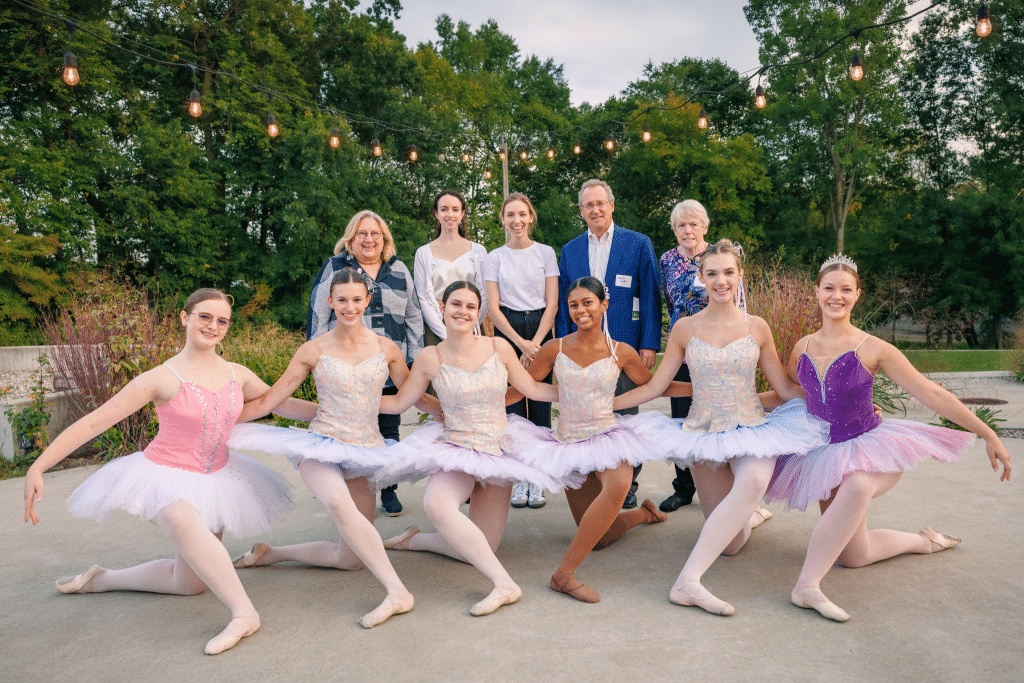
“That really helps us expand our community,” Quenon says, adding, “It’s part of our mission to give back to our community … and to give people access to arts and arts education.”
Ballet Chelsea was originally founded by Wendi DuBois, who contributed “a legacy of professional, high caliber, strong dancers” to the studio, according to Delwiche.
“Michelle and I have been lucky enough to come in and continue that legacy,” Delwiche adds.
Many of DuBois’ original students, in fact, went on to dance at the collegiate level or in professional companies.
As a whole, Ballet Chelsea has “persevered,” Quenon says. According to Delwiche, spring performance ticket sales for the last two years in a row have beaten pre-COVID ticket sales. Still, finances have again grown strained as sources of grant support such as the NEA have “dried up,” in Delwiche’s words.
“We are in a position where we need sponsorships for our performances,” she admits.
Ballet Chelsea has developed an annual fundraising campaign, Partner with Us, that Delwiche describes as “peer-to-peer giving.” Students, alongside their families and loved ones, create a social media page through which they solicit donations for Ballet Chelsea.
“It’s about everybody giving to the studio and helping support us,” Delwiche says.
While Quenon says every ballet studio has its “ebbs and flows,” she adds that working with Ballet Chelsea’s students makes her job worth doing.
“It’s just so inspiring to see how hard they work,” she says.
It’s enough, she adds, “to be able to share my passion for dance, specifically ballet, with the kids.”
Author

Related Articles

Washtenaw County summer reading: Local literary leaders share favorite recent books
We asked booksellers, publishers, librarians, and others in the Ann Arbor/Ypsilanti literary community for their personalized summer reading recommendations.
New improv festival will bring 50 comedy troupes to Ann Arbor
The Yes, Ann Improv Festival will debut in Ann Arbor June 24-27, bringing together more than 50 improv troupes from 12 states for four days of performances, workshops, special events, and afterparties.
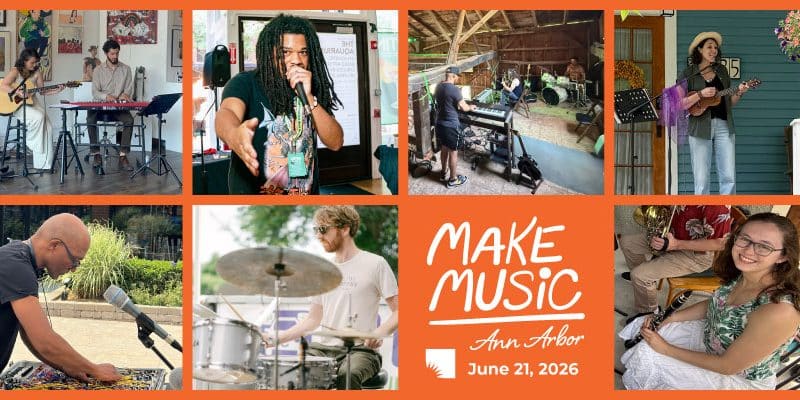
Make Music Day will bring a variety of music programs to Ann Arbor venues
Make Music Day, an international free celebration of music, will return to the Ann Arbor District Library and locations throughout Ann Arbor on June 21.


