
Elementary students get STEM exposure in every class at this Ypsi-area school
Brick Elementary aims to help students learn how to problem-solve and work together as teams.
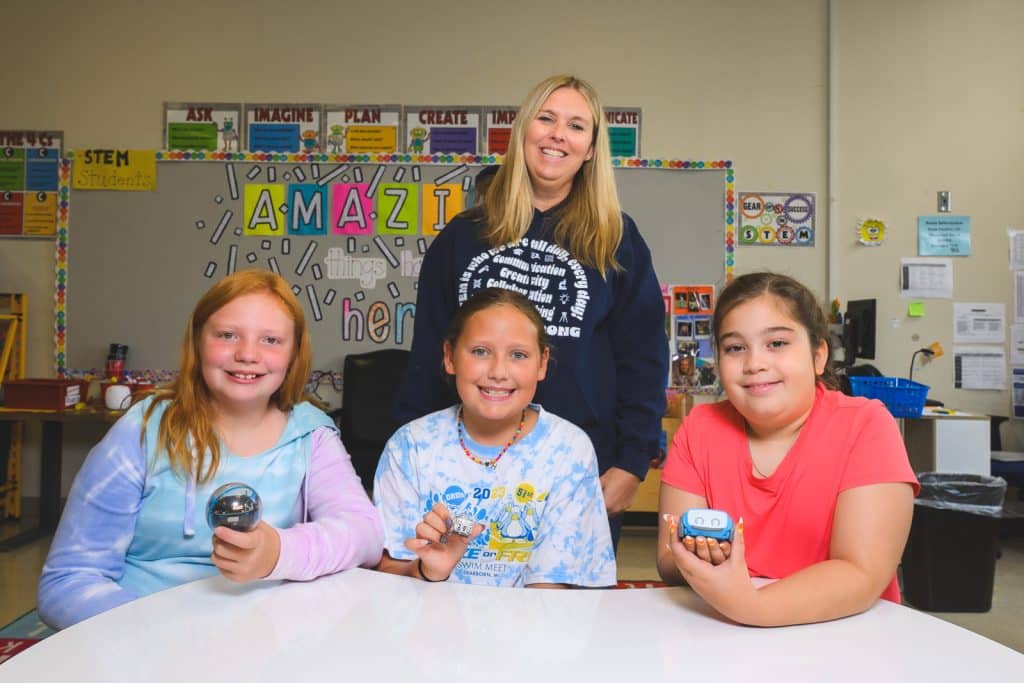
This article is part of Concentrate’s Voices of Youth series, which features stories written by Washtenaw County youth with guidance from Concentrate staff mentors, as well as adult-written stories spotlighting local youth perspective. In this installment, student writer Lillian Gentry covers Brick Elementary’s efforts to emphasize STEM in all its curricula.
“Science is when we learn about the world.”
This is one of the first things Brick Elementary teacher Jodi Van Hevel tells her Science, Technology, Engineering, and Math (STEM) class. And her words are just one example of how Brick Elementary, located in Augusta Township, incorporates STEM into all of its classes. The school’s goal is to help students learn how to problem-solve and work together as teams. Whether a kid likes drawing, building, technology, or all of the above, they can find their place in STEM.
Van Hevel explains what STEM stands for, and then asks all of her students if they prefer to build, draw, or use technology. The students naturally have different answers. Some lean more into the artistic side of STEM, where they get to design things. Some like to build, waiting patiently for the end of class, when they get to use Legos. No matter what a kid is good at, they get to experience all of it.
It also helps expose the kids to more careers that they otherwise might not learn about until later in life.
“It’s what the kids need for the 21st century,” says Brick Elementary Principal Cassandra Coker.
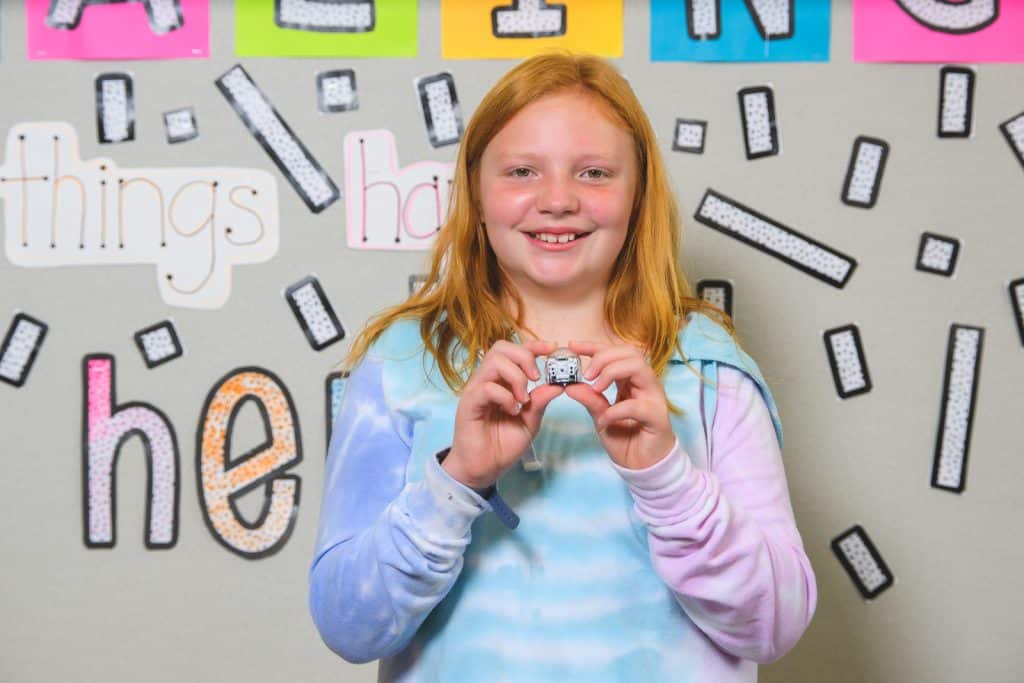
In this world, you will find technology in any field. Not only will the students develop character-building skills, but they will learn how to use technology the right way, with precision and critical thinking.
One of Brick students’ favorite ways to learn about other fields of work is the school’s career day. Dozens of professionals, from firemen to fashion designers to engineers, come into the school to teach all the kids. Some older students, Harper Lehto, Grace Andrzejewski, and Victoria Giardini, mention that this is one of their favorite parts of attending Brick.
“There are so many jobs that you don’t even realize are a part of STEM,” Coker says.
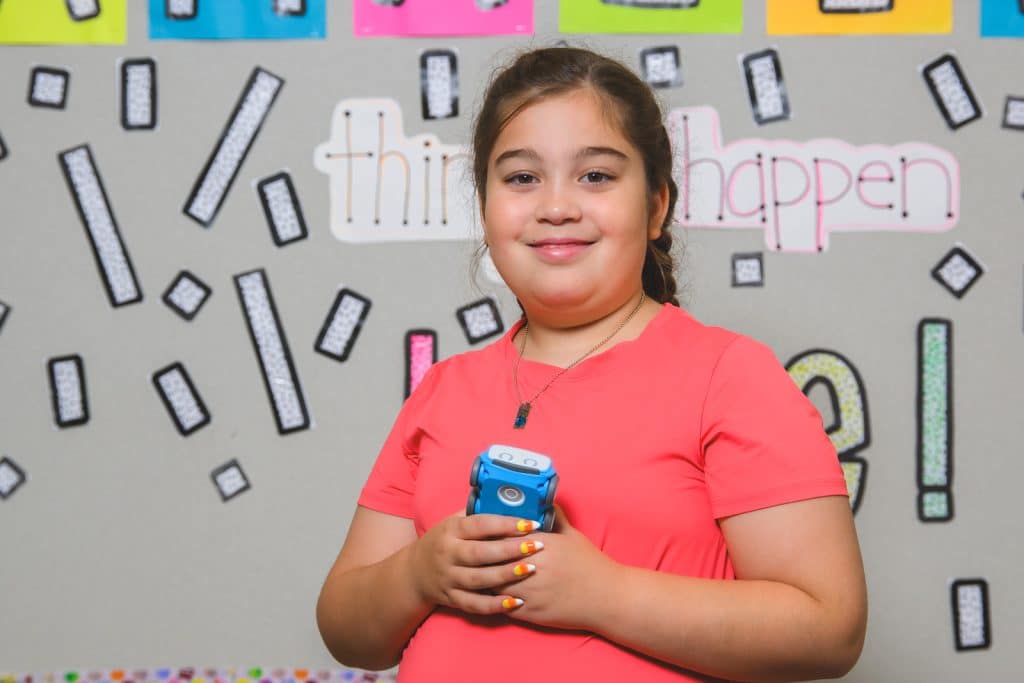
Coker explains that when Brick students eventually finish their journey at Lincoln, the school’s hope is for them to be employed, enrolled, or enlisted. Whether they are engineers, artists, or anything in between, students learn important life skills such as patience, communication, and teamwork.
One of the biggest skills that teachers want students to develop early is problem-solving.
“Through coding, students learn how to break down problems into steps,” Van Hevel says. “This skill is vital to their success in any field they enter. They learn that getting it wrong is a step closer to figuring it out.”
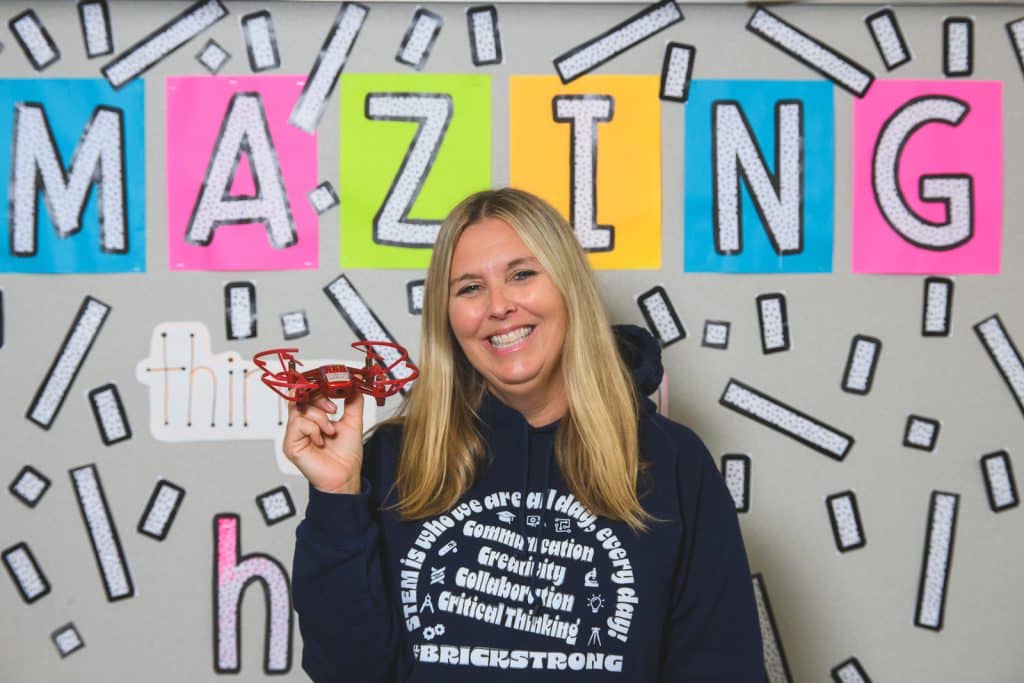
You can see this in Brick’s classes. The younger students begin with simple color-coding, but as they get older they can use programs on iPads to make things move. Not only do pupils experience new things in class, but they learn early on how to use that information anywhere. First-graders often use different colored mats to make a car move, figuring out which block they need to put down to get the car to go the way they want it to. Fifth-graders saw that a classroom doorstop wasn’t working, so they decided that their class could make a new one.
The students especially love how hands-on the learning experience is.
“The challenges Ms. Van Hevel gives us are really fun,” Lehto says. “One time she gave us some water and a little bit of sand and some animals that we could make, and we had to make an ocean.”
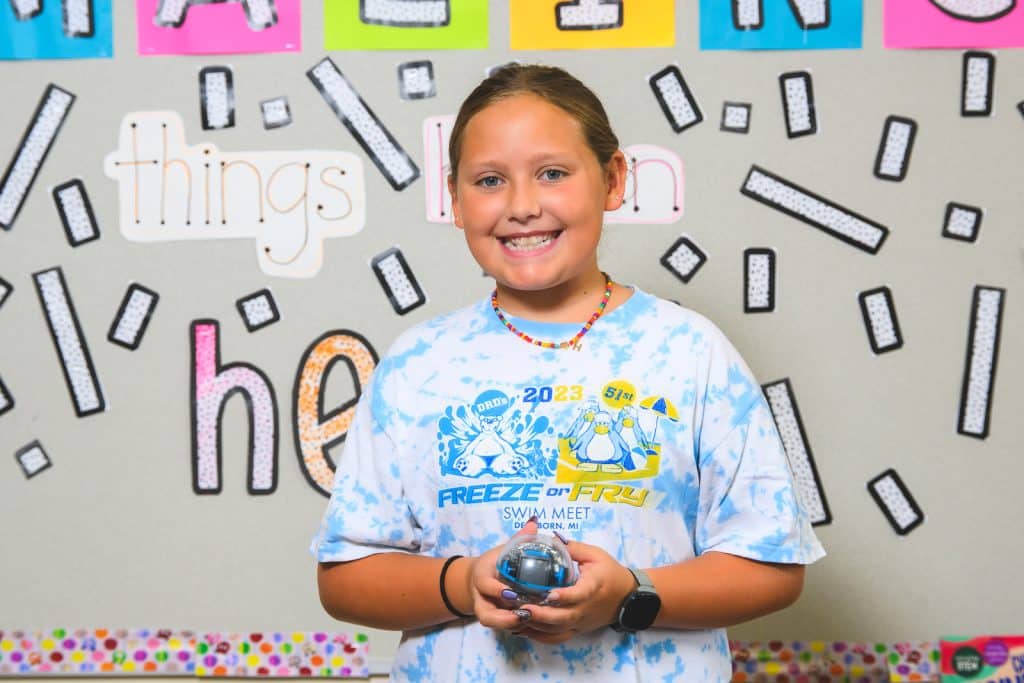
Lehto says she believes the whole class managed to succeed at the challenge.
Coker mentions that watching students learn and grow from their mistakes is one of the teachers’ favorite parts as well. Instead of giving up after something doesn’t go as planned, the kids will work together to figure something else out to make it work.
Even if these kids grow up into a career that doesn’t fall under the traditional STEM categories, the skills that they have developed since elementary school will help them greatly. The four “C”s the school’s teachers stand by are communication, critical thinking, creativity, and collaboration, and that is what they strive to accomplish with this program.
Lilly Gentry is a rising senior and loves reading, crafting, and the outdoors. She would like to be a children’s librarian one day, but until then she keeps busy with Scouts, Sea Scouts, martial arts, and traveling with her family.
Concentrate staffer Sarah Rigg served as Lilly’s mentor on this story.
Click here to read more from the Voices of Youth series.
Related Articles
Home-based providers call for flexibility as Michigan expands Pre-K for All
Home-based providers in Ypsilanti and beyond could play a significant role in making Pre-K for All available to more children.
Ann Arbor PTO Council fundraiser aims to close equity gap for schools serving low-income families
The Ann Arbor PTO Council is seeking donations of $30 or more for a fundraiser benefiting Ann Arbor’s Title I schools, or those that receive federal funding to support low-income students.
Since Great Depression, Ann Arbor preschool has offered low-cost child care and supportive services
For over 90 years, Foundations Preschool of Washtenaw County has not only provided high-quality, affordable, and accessible child care, but also served as a community resource for enrolled families.


