
EMU professor and students present Peruvian mummy research at international congress
An Eastern Michigan University chemistry professor and two undergraduate students presented at the 11th World Congress on Mummy Studies in Cusco, Peru.
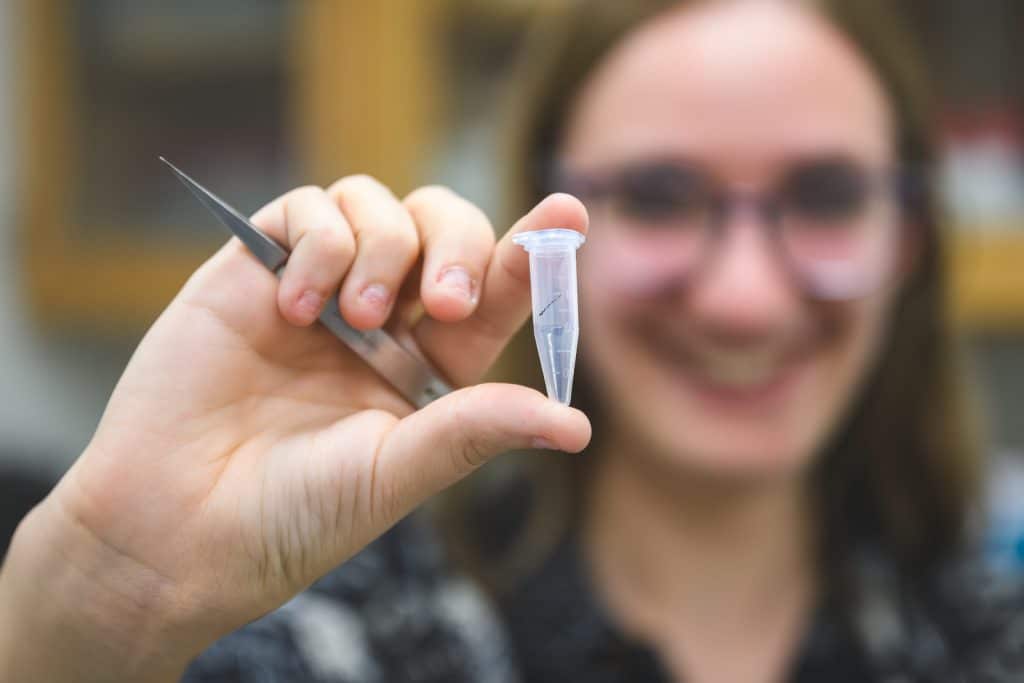
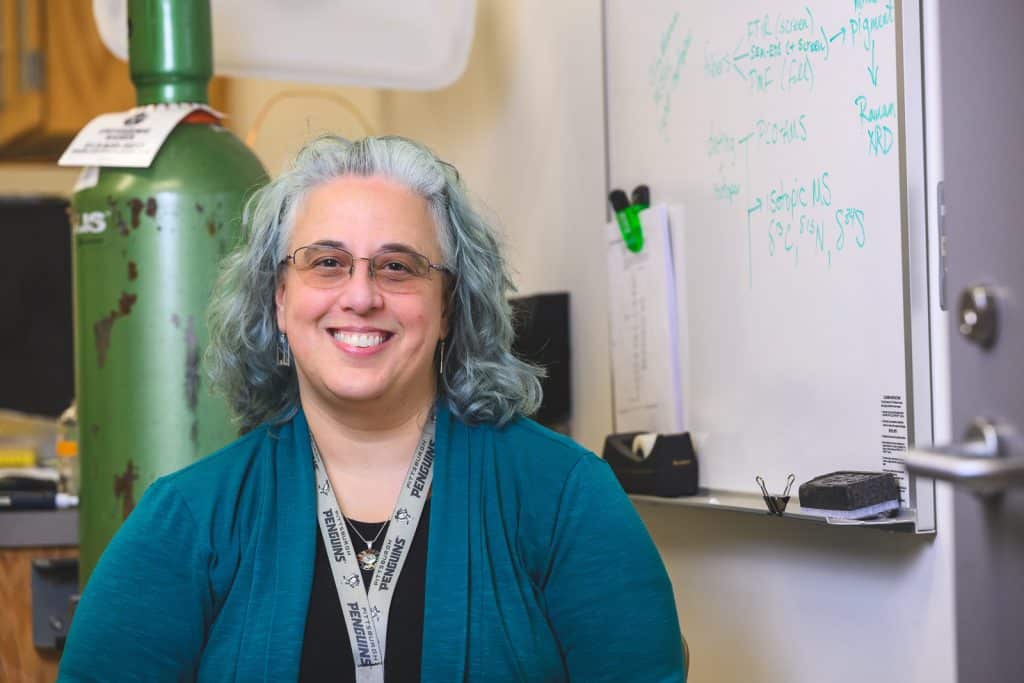
An Eastern Michigan University (EMU) chemistry professor and two undergraduate students brought EMU to the global stage this summer, presenting their research on 2,000-year-old textiles from Peruvian mummies at the 11th World Congress on Mummy Studies in Cusco, Peru. The presentation by Professor Ruth Ann Armitage and students Jaime Williams and Avi Dragun marked EMU’s first-ever presence at the prestigious international conference, highlighting the university’s growing impact in archaeological science and undergraduate research.
To uncover the origins and composition of the 2,000-year-old textiles used in mummification, Armitage’s team relied on a suite of advanced analytical tools, including mass spectrometry, chromatography, and spectroscopy. These methods allowed the researchers to identify dyes, materials, and even environmental clues hidden within microscopic fibers, revealing a deeper story about the people who created them.
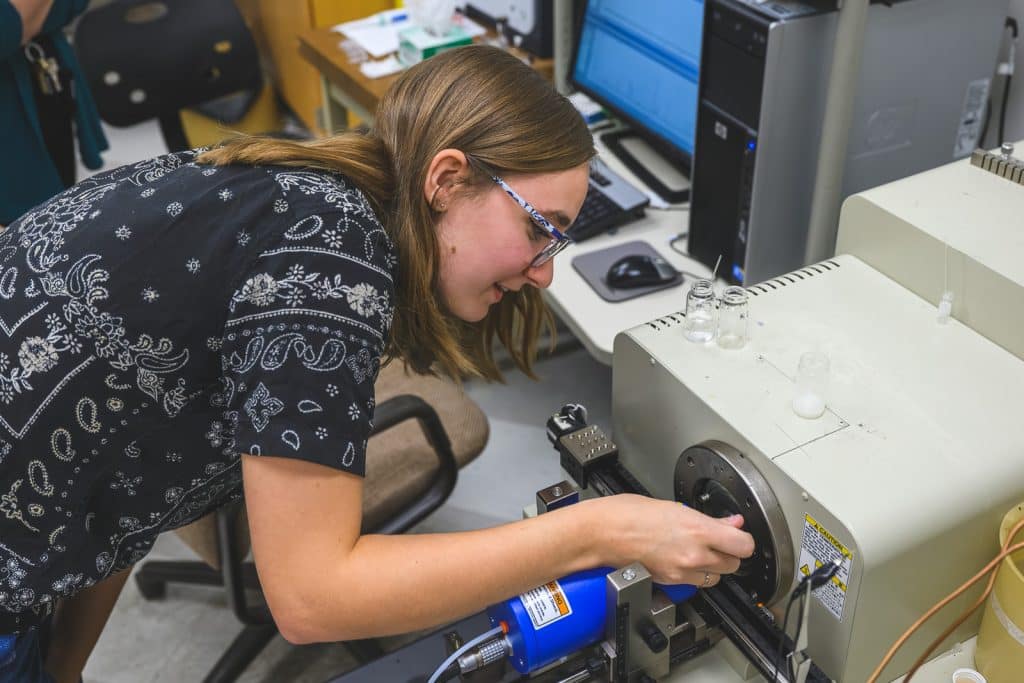
“People tend to think that because of the TV shows, you put your piece of evidence in a magic box and you get a magic answer. That’s not how it works, of course. We use pretty much any analytical technique we can to answer any question we have,” Armitage says. “We shine light on the material, separate the molecules, weigh them, all to tease out the stories hidden in these ancient fibers.”
At the congress, Armitage and her students were among international leading experts in archaeology, museum studies and chemistry. For Armitage and her team, it was an invaluable opportunity to connect with colleagues and explore the broader significance of the Peruvian textiles they had been studying.
“It was a really great meeting with researchers from the British Museum, Indigenous Canadians, and scientists from Finland, Eastern Europe, and the U.S. It was too good of an opportunity to miss,” Armitage says. “Understanding how these materials connect back to their original contexts is so important, especially when so many fragments have been pulled from where they came from.”
Dragun and Williams spent much of the academic year and summer preparing for the congress. Together, they developed a fabric-based research poster, provided samples for analysis, and applied advanced techniques taught by Armitage to interpret and refine their findings, a rare opportunity usually reserved for graduate students and seasoned professionals.
“Avi started with us while still in high school through the Early College Alliance, and by the time she went to Peru, she was already contributing to real research,” Armitage says. “My goal is to give students the chance to do graduate-level work early to show them they can be part of international scientific conversations.”
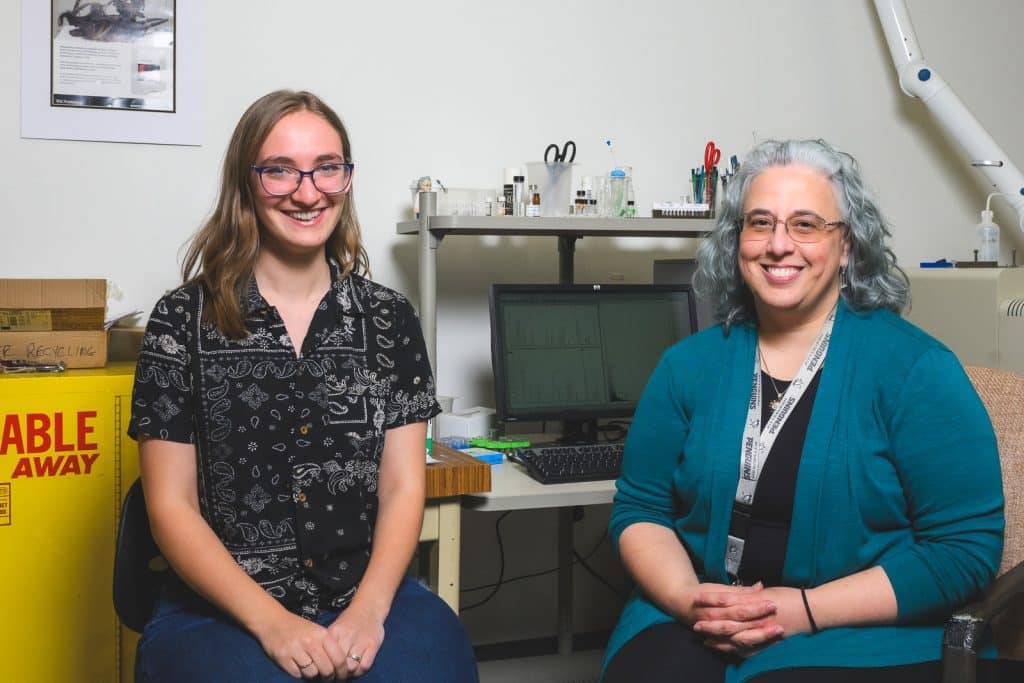
Dragun says fielding questions from other scientists at the congress challenged her to think critically and reflect on her work in new ways.
“Presenting my research has been a very valuable experience that has helped me grow as a scientist and a communicator,” Dragun says. “More often than not, while presenting, someone will ask a question that I’ve never thought about before, which helps me to rethink my work and keeps my perspective on my research fresh.”
Armitage says she often emphasizes giving her students hands-on, professional-level research experiences, guiding them through complex projects while encouraging independent thinking. For Dragun, this mentorship has meant not just learning advanced analytical techniques, but also gaining the confidence to engage with the scientific community on a global stage.
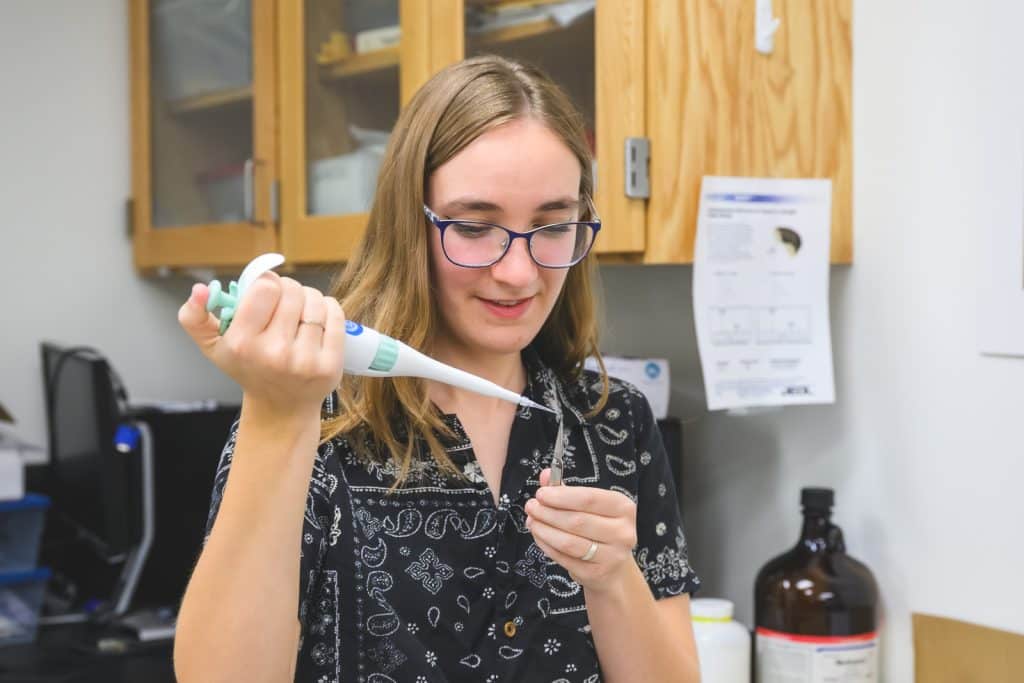
“As an undergraduate, it can be daunting to speak in front of professionals who have spent many years in the field,” Dragun says. “Presenting my research on an international stage alongside experienced archaeologists and scientists was both intimidating and incredibly rewarding.”
Armitage hopes that these kinds of opportunities allow students to see the real-world impact of their work and understand how their contributions fit into broader scientific conversations.
“Knowing that someone with Dr. Armitage’s level of expertise thinks I’m ready to present and speak on her behalf gives me a lot of confidence to take on challenges I never would have attempted before,” Dragun says. “Now, I’m much more confident that I know what I’m talking about, and talking about my research is now one of my favorite things to do.”
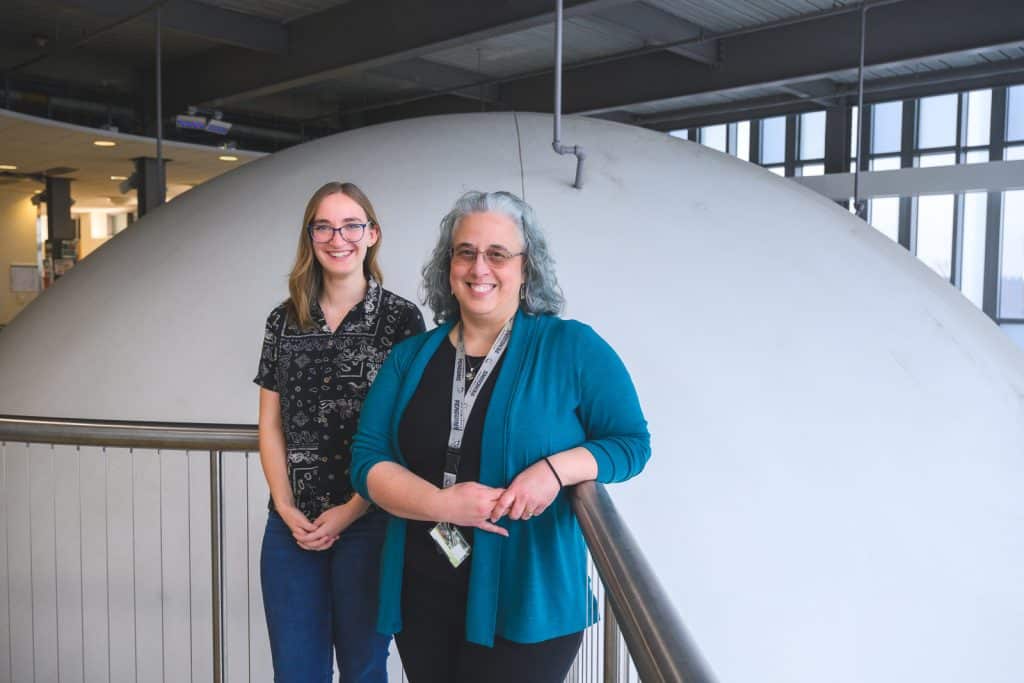
“We make this big deal of science is science and humanities are humanities, but we can connect these things,” Armitage says. “We can be a bridge.”
You can learn more about Armitage and her students’ research here. More information about EMU’s chemistry department and other programs can be found here.
“We make science seem inaccessible because of how it’s taught,” Armitage says. “If we engage people with the idea that science is a process, and show how it connects to things like art, color, or history, we can bring more people in.”
On the Ground Ypsilanti is an “embedded journalism” program covering the city and township of Ypsilanti. It is supported by Ann Arbor SPARK, the Center for Health and Research Transformation, Destination Ann Arbor, Eastern Michigan University, Engage @ EMU, Washtenaw Community College, Washtenaw County Parks and Recreation Commission, and Washtenaw ISD.
Author
Related Articles

Washtenaw County school to host new free pre-kindergarten program
A new free pre-kindergarten program will be available to 15 3- and 4-year-olds in the Washtenaw Intermediate School District (WISD) this school year.
Why early childhood belongs on every Michigan voter’s ballot
Why Michigan voters should pay attention candidates’ stands on childcare and early learning.
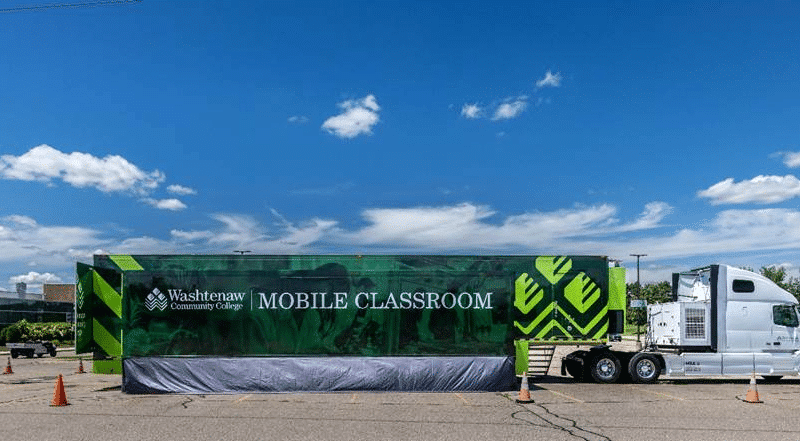
WCC rolls out new Mobile Classroom for offsite learning
Washtenaw Community College is taking its classes beyond traditional campus borders this summer with a new project: a 48-foot-long mobile unit called the Mobile Classroom.


