
Free art activities available to children and caregivers through Ann Arbor Art Center program
The Ann Arbor Art Center’s PlayLab program is carving out a rare space where children and caregivers can explore creativity together, free of charge.
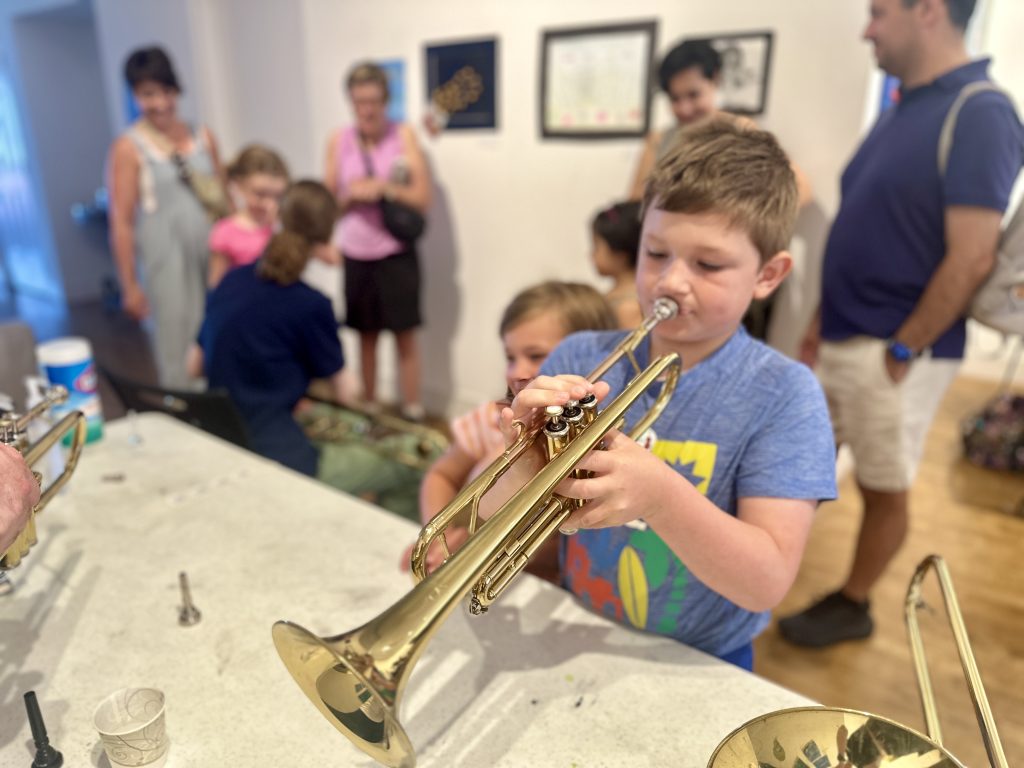
This story is part of a series about arts and culture in Washtenaw County. It is made possible by the Ann Arbor Art Center, Destination Ann Arbor, Larry and Lucie Nisson, the University of Michigan Arts Initiative, and the University Musical Society.
With arts education facing rising costs and funding cuts, the Ann Arbor Art Center’s (A2AC) PlayLab program is carving out a rare space where children and caregivers can explore creativity together, free of charge. Designed as a welcoming entry point into the arts, PlayLab reflects A2AC’s mission of accessibility, education, and community connection while strengthening relationships between families, artists, and the wider community.
Originally, PlayLab focused largely on traditional visual art- and gallery-based activities for children and caregivers. Since being revitalized under the center’s education department, the program has expanded into a multidisciplinary experience that includes yoga, dance, storytelling, and printmaking.
PlayLab was created to fill a gap in family programming. As former A2AC Education Director Jenna Sulecki-Lapping explains, A2AC already offered classes and camps for children and a wide range of programming for adults, but “something that can be challenging for caregivers … is finding free accessible activities that might be away from a screen.” She says the program’s purpose is to create “free opportunities for children and caregivers to interact with the arts in a free and accessible way,” while also providing meaningful opportunities for families to bond through creativity.
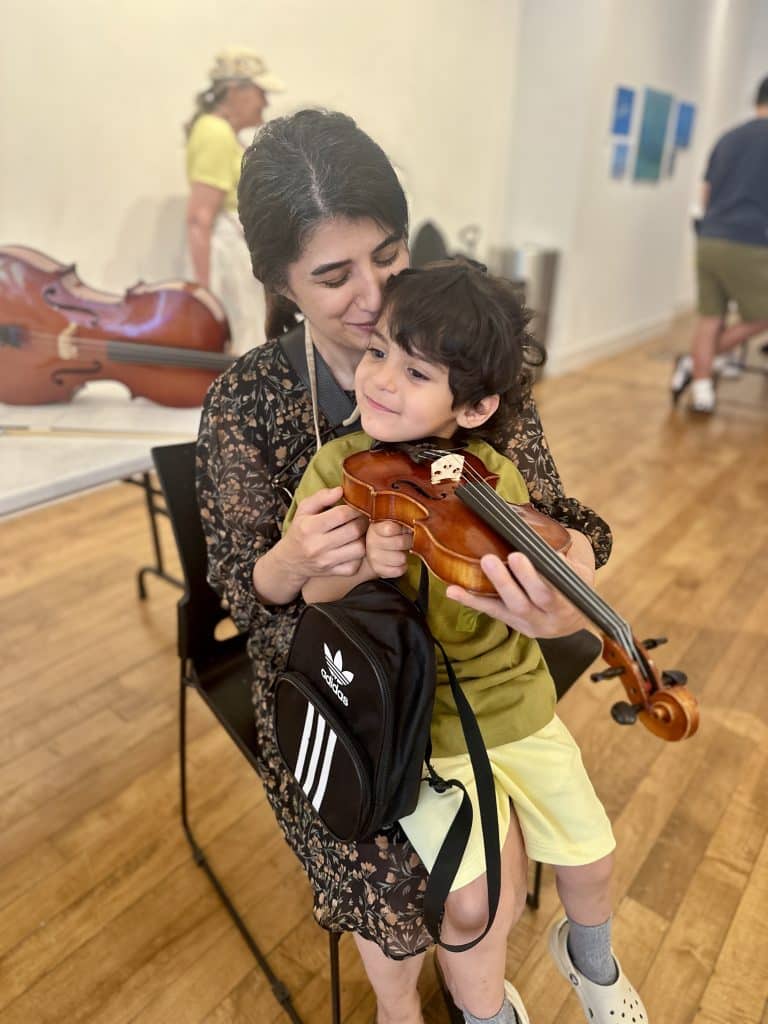
Sulecki-Lapping describes a goal of creating sessions that “hit every single arts target,” opening children and caregivers to many different ways of making and experiencing art. One of the most memorable examples for Sulecki-Lapping was a dance-based PlayLab that coincided with an abstract gallery exhibition.
“The artist could engage with students and explore how the visuals moved through their bodies and how that inspired dance,” she says.
The experience allowed participants to connect visual art to movement, helping them understand creativity as something that lives not only on walls but also in the body.
Beyond creative exploration, PlayLab supports social-emotional learning and personal growth. Sulecki-Lapping notes that many instructors actively incorporate body awareness and emotional check-ins into their sessions, asking participants how they feel and encouraging reflection at the end of each workshop.
“I see it getting people out of their shell, sometimes more the caregivers than the kids,” she says.
While children are often quick to jump in, adults can be more hesitant, making the shared experience especially powerful.
PlayLab Director Kelsey Hofe sees accessibility and openness as central to the program’s success.
“PlayLabs are open to all people of all skill levels, and my greatest hope is that it sparks a love of art,” she says. “Expressing yourself through art is connecting to the world in a meaningful way, and that’s so important, especially now.”
A storytelling-focused PlayLab demonstrated how deeply that connection can resonate. Hofe describes watching children develop stories that explored “communication, collaboration, [and] conflict resolution,” then share them with their caregivers. Many parents were surprised to discover what their children were thinking and feeling. “
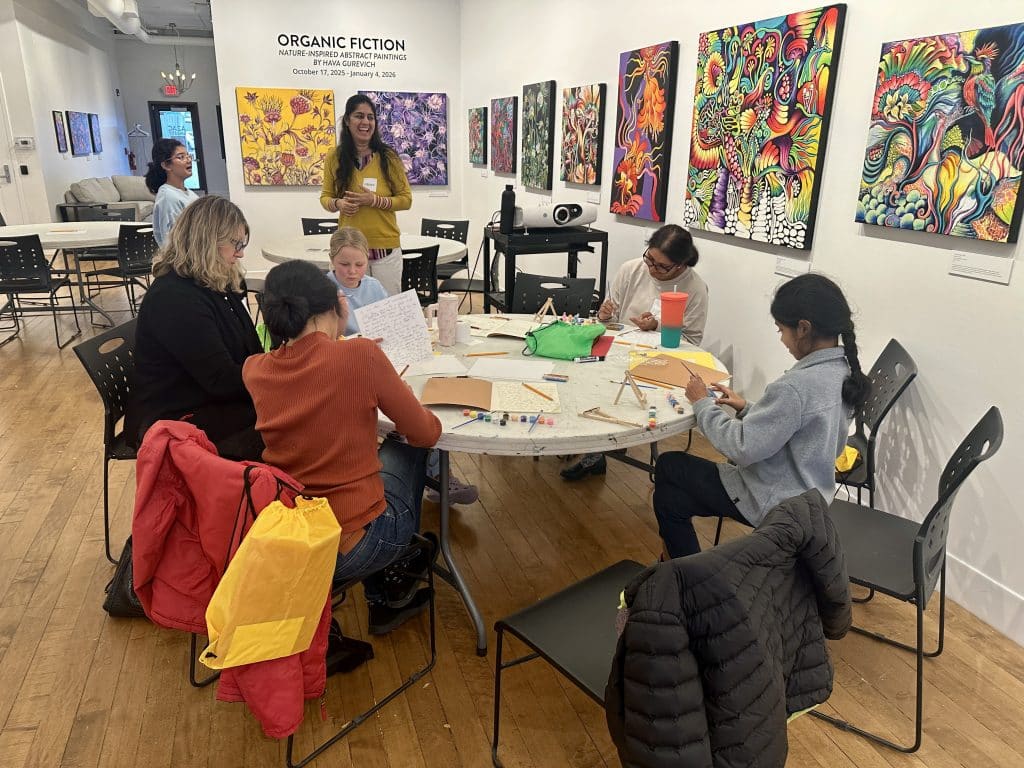
They had no idea that these stories were living in their kids,” Hofe says, calling the experience “really beautiful to witness.”
A DTE Energy Foundation grant allows PlayLab to be free for participants while paying artists fairly for their work. Sulecki-Lapping says she’s “always been gung ho” about offering the program for free, noting that truly free activities are rare, especially in downtown Ann Arbor. Removing financial barriers makes the program safer and more welcoming for families who want to try something new.
“By keeping it free…it makes me feel like this is for absolutely anybody,” Sulecki-Lapping says.
She also emphasizes how critical free programming is for caregivers navigating school holidays, child care limitations, or tight budgets. PlayLab provides something families can do together without financial stress.
“Especially as arts programs get cut left, right, and center,” Sulecki-Lapping says, PlayLab helps ensure that children still have access to creative experiences.
Looking forward, Hofe hopes to continue expanding PlayLab’s reach and artistic range. She is particularly interested in adding more theater- and performance-based workshops, introducing topics that are not yet strongly represented in A2AC programming. She also plans to deepen the connection between PlayLab and gallery exhibitions by inviting featured artists to lead sessions.
For more information about PlayLab, head to A2AC’s website.
“Art is so deeply human. There should be opportunities where all you need to do is show up and try,” Hofe says. “The moment someone experiences a free art class can change their life forever.”
Author
Related Articles
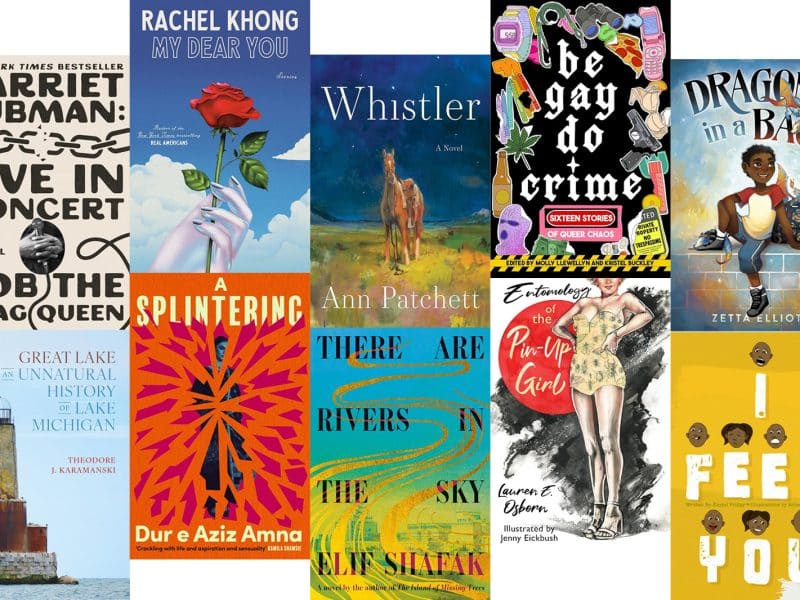
Washtenaw County summer reading: Local literary leaders share favorite recent books
We asked booksellers, publishers, librarians, and others in the Ann Arbor/Ypsilanti literary community for their personalized summer reading recommendations.
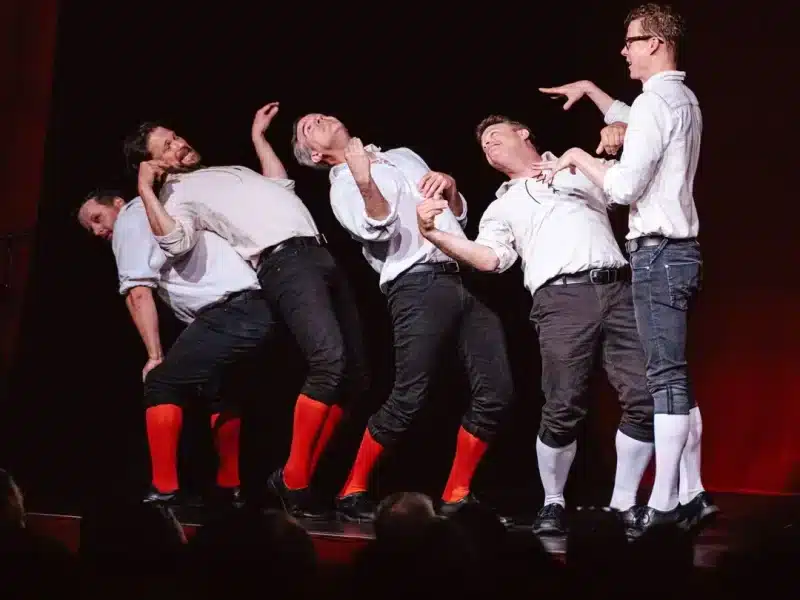
New improv festival will bring 50 comedy troupes to Ann Arbor
The Yes, Ann Improv Festival will debut in Ann Arbor June 24-27, bringing together more than 50 improv troupes from 12 states for four days of performances, workshops, special events, and afterparties.
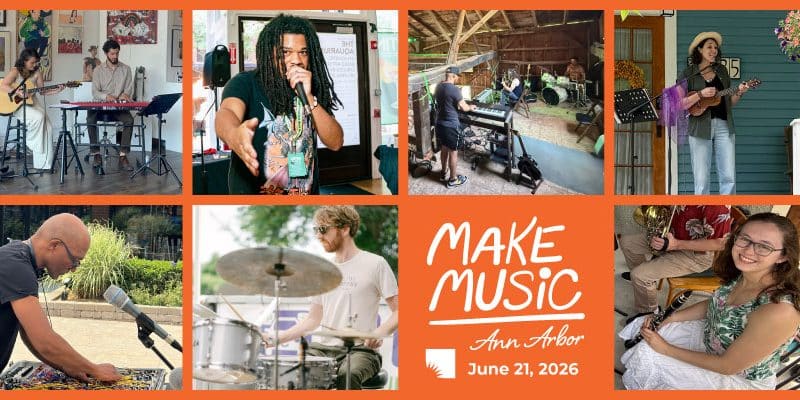
Make Music Day will bring a variety of music programs to Ann Arbor venues
Make Music Day, an international free celebration of music, will return to the Ann Arbor District Library and locations throughout Ann Arbor on June 21.


