
Harm reduction efforts seek to reduce high overdose rates in Ypsi
Organizations are deploying harm reduction efforts to combat substance use disorder in Ypsilanti, where many of Washtenaw County’s overdoses are concentrated.

Corn Williams, director of Ypsilanti-based LEAF Harm Reduction, has experienced firsthand the value of harm reduction over an abstinence-based approach when trying to overcome substance use disorder.
“I struggled with [substance use disorder] for 20-plus years,” he says. “What I needed was a change in behavior. Abstinence-based approaches and jail didn’t convince me. Showing up with compassion and understanding is how we convince people to change, not a punitive model. We know it’s the least effective.”
LEAF is one of multiple organizations deploying harm reduction to combat substance use disorder in Ypsilanti, where many of Washtenaw County’s overdoses are concentrated. According to a 2024 analysis by the Washtenaw Health Initiative, the 5-year average overdose rate in the zip codes encompassing Ypsilanti was over six times higher than that in zip codes encompassing parts of Ann Arbor and the townships of Webster, Lima, and Lodi.
Harm reduction is a public health approach to substance use disorder that aims to meet people where they are and to prevent overdose in a way that honors people’s autonomy and dignity. It aims to help people make safer choices that protect their health without forcing them into abstinence from substance use.
In Michigan, funding for harm reduction services comes primarily from settlements with opioid manufacturers, which will total nearly $1.6 billion by 2040. For instance, the Michigan Department of Health and Human Services funds LEAF’s work in Ypsilanti. Funding has been distributed to every community in Michigan, with a concentration on vulnerable communities where overdose rates tend to be higher and there are fewer resources.
“One of the things we have focused on is having a statewide strategy and a statewide opioid task force that provides recommendations on where this money should be allocated,” says Dr. Natasha Bagdasarian, chief medical executive for the state of Michigan, who chairs that task force.
This state strategy focuses on four pillars: prevention, treatment accessibility, recovery support, and harm reduction.
“At the state level, we’re trying to prevent the harms that are associated with drug use,” says Dr. Bagdasarian. “That includes things like giving people test strips so they can test their supply for the presence of things like fentanyl and xylazine, giving them clean needles so that they’re not transmitting hepatitis C or HIV, educating them on the science of some of the skin conditions that can be caused by some of these contaminants so that they can get treatment.”
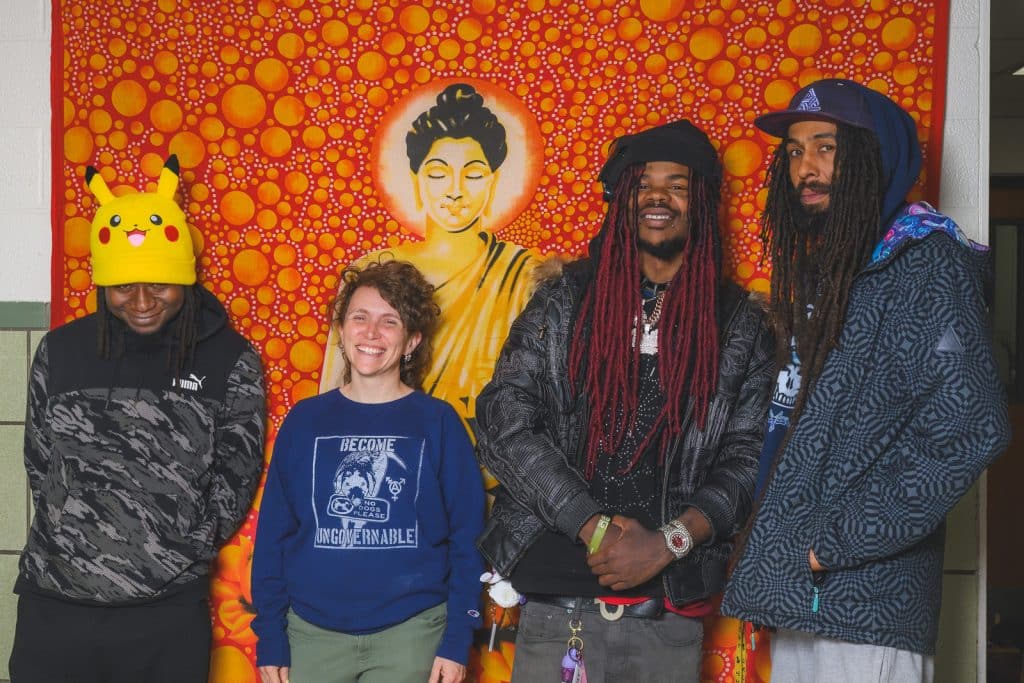
In Ypsilanti, LEAF provides services at 211 E. Michigan Ave. Incorporated in spring 2024, LEAF offers a range of services to people experiencing substance use disorders, with a focus on both day-to-day programming and community engagement and partnerships. This year, LEAF’s harm reduction work shifted to stabilization services, including respite, food, and meeting hygiene needs.
“A lot of people who were seeking harm reduction services were destabilized,” Williams says. “It’s really difficult to have a conversation about trying to change more chaotic patterns and making decisions that lead to healthier outcomes if they are freezing outside with no access to restrooms and food. We have had limited staffing funds to be able to shift back into textbook harm reduction.”
Wolverine Street Medicine also provides harm reduction interventions in Ypsilanti locations, including the Ypsilanti District Library, although it also serves all of Washtenaw County and Detroit. LEAF focuses on the overall needs of people with substance use disorder, including syringe access, drug checking, and overdose education, while Wolverine Street Medicine focuses on people’s medical needs, including wound care, to reduce the risk of harm.
“Most of what we do in Ypsi ends up being direct outreach,” says Amanda Casetti, Wolverine Street Medicine community partnerships director. “We get a phone call and someone will report what’s going on and we will come and see them. We’ll address any wounds and, if they’re infected, get them some antibiotics. We’re doing a lot of medical work, which is where our expertise is. Everyone is a medical professional.”
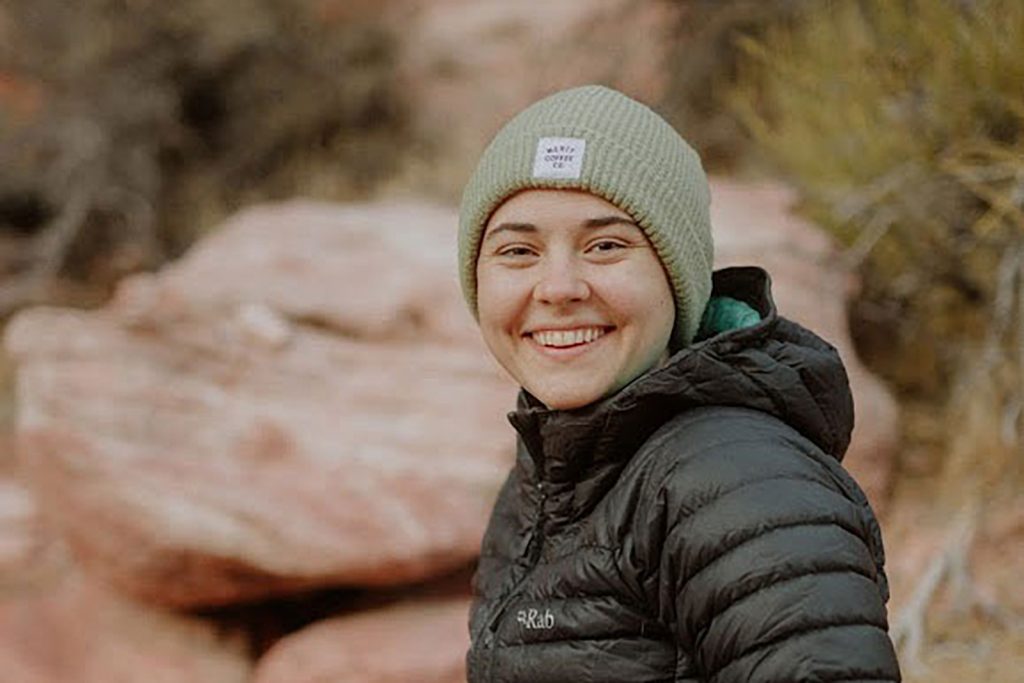
Casetti says “unconditional regard for people” is “at the core” of Wolverine Street Medicine’s work.
“People have been practicing harm reduction for a very long time and continue to, and there are a lot of individuals who are taking care of themselves and their community and doing important, impactful things just by making small-scale, non-organized efforts,” she says.
As evidence of the efficacy of harm reduction interventions, Williams points to state data showing a 34% decrease in overdose morbidity from 2023 to 2024.
“Numbers don’t lie,” Williams says. “… What changed? The drug supply is still extremely problematic. There aren’t new treatment approaches. Why this significant shift? The interventions that were funded were all harm reduction-based interventions. Folks who use drugs don’t want to die. Once we figured out the supply is toxic, people started to come and get care and take Narcan with them.”
Bagdasarian says naloxone, a medication also known by the brand name Narcan, “has been one of the biggest ways that we’ve prevented overdose deaths because it directly reverses overdoses.” Distribution of naloxone has increased substantially in Washtenaw County. According to the Michigan Syringe Services Report, 4,429 naloxone kits were distributed in Washtenaw County in 2023, while that number increased to 9,313 in 2024. In 2023, that meant people reported having reversed 169 overdoses, while in 2024, the number of reported overdoses reversed increased to 492. Since these are reported overdose reversals, actual reversals may be higher.
“Over the last five years, we’ve distributed over 1.3 million naloxone kits around our state, and we have heard back that at least 30,000 of those kits have been used,” Bagdasarian says. “The actual number is likely much, much bigger because not every kit is reported as having been used. Each one of those kits that is used is a life saved, a family member who was saved. I really think of naloxone as a fire extinguisher. Chances are you won’t need one in your home, but it’s good to have one around just in case you do.”
“This type of work saves lives,” Casetti says. “Everyone’s life is worth saving, and having harm reduction has been shown to save lives, reducing comorbidity and mortality and reducing people’s risk of disease and death. Seeing everyone as whole people with lives worth protecting is extremely important.”
Bagdasarian sees harm reduction as an approach that’s having demonstrable positive impact across Michigan. The state ranked among the top five U.S. states for overdose mortality reduction between 2024 and 2025.
“A lot of this has to do with this strategic approach and making sure that we are supporting every community, that we’re trying to reach those who are most vulnerable, and that we are really spending this money in a thoughtful and strategic way,” Bagdasarian says.

Williams puts it even more simply.
“You’re not going to get in trouble for reversing an overdose,” he says.
Related Articles

COVID kids and mental health: How are pandemic littles doing today?
Mental health challenges have surfaced but kids also benefited from increased family time and less hectic schedules.
Mental health millage means help for more people — and a healthier community
In Washtenaw County, adults served by community mental health increased 147%, and youths served 104%.
“Beyond Incarceration”: New program offers supportive services for people leaving Washtenaw County Jail
Packard Health’s Beyond Incarceration initiative provides connections to primary care, behavioral health services, and recovery resources for individuals preparing for release from the Washtenaw County Jail.


