
Here’s how opioid lawsuit settlement funds are being used in Washtenaw County
$16 million in opioid settlement funds are coming to the county over the next 18 years. Here’s how the first round of funds will be spent.
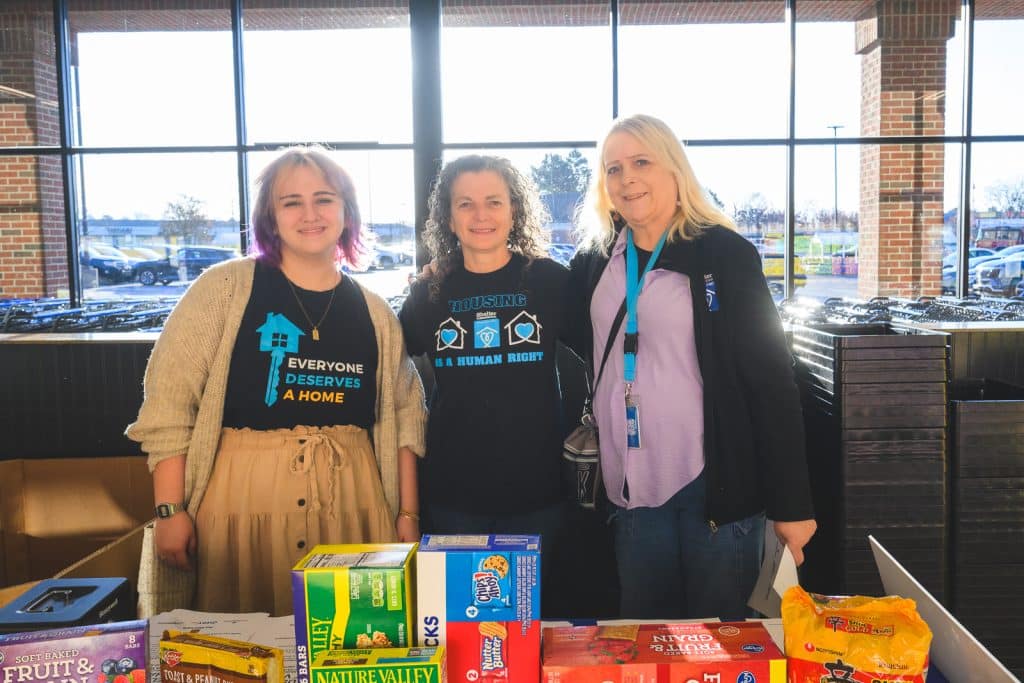
Nine Washtenaw County organizations are continuing or expanding their substance use disorder prevention and treatment programs, thanks to funds won through a variety of opioid lawsuit settlements.
The money funding these projects comes from state, local, and Indigenous tribal governments suing pharmaceutical and drug distribution companies, which the plaintiffs say have fueled the opioid crisis. The lawsuits allege that these companies marketed opioids in misleading ways, “downplaying risks, exaggerating benefits, and engaging in reckless distribution practices,” according to the California Department of Health Care Services. The lawsuits seek to recover costs to remediate the effects of these practices.
The Washtenaw County Board of Commissioners is the local steward of monies that came from these opioid lawsuits. Patricia Krause, community health analyst with the Washtenaw County Health Department, says since some of the suits are ongoing, Washtenaw County is set to receive a little over $16 million over 18 years. The county will disburse that money to local partner organizations focused on substance use recovery support, treatment services, harm reduction, and prevention.
The board awarded the first round of funds to nine community organizations for a three-year grant period running Oct. 1, 2025-Sept. 30, 2028. The organizations are Avalon Housing, Dawn Farm, Eastern Michigan University, Home of New Vision, Packard Health, Shelter Association of Washtenaw County, Chelsea Hospital, Therapeutics LLC, and Washtenaw County Trial Court.
Krause says the initial nine awards were chosen with the help of a steering committee that included both public health officials and community members with lived experience with substance use disorders. The steering committee also received technical assistance from Michigan State University in creating a needs assessment.
Krause says the steering committee looked at data from each organization, reviewed and scored their proposals, and made recommendations.

“They based these scores on qualifications like experience, capacity, and how the proposed project aligned with community priorities identified in the assessment,” Krause says.
Kristen Chandler is coordinator of Project SUCCESS, a youth-focused substance use prevention program sponsored by Chelsea Hospital (formerly known as St. Joseph Mercy Chelsea Hospital). Her organization received $224,700 for a school-based intervention designed to prevent and reduce substance use among middle and high school students.
Chandler says SUCCESS stands for Schools Using Coordinated Community Effort for Student Success. The program started in the ’90s and has grown beyond its pilot in the community alternative high school. It now serves all middle and high school youth in Chelsea and Manchester.
“That means we do a lot of universal initiatives, things that involve the entire student body, that build up protective factors and reduce [usage],” Chandler says.
Chandler’s role is full-time, while her counterpart in Manchester is part-time. They both teach prevention education to all seventh- and ninth-grade students over a couple of sessions that include lessons about stress reduction, refusal skills, and coping strategies.
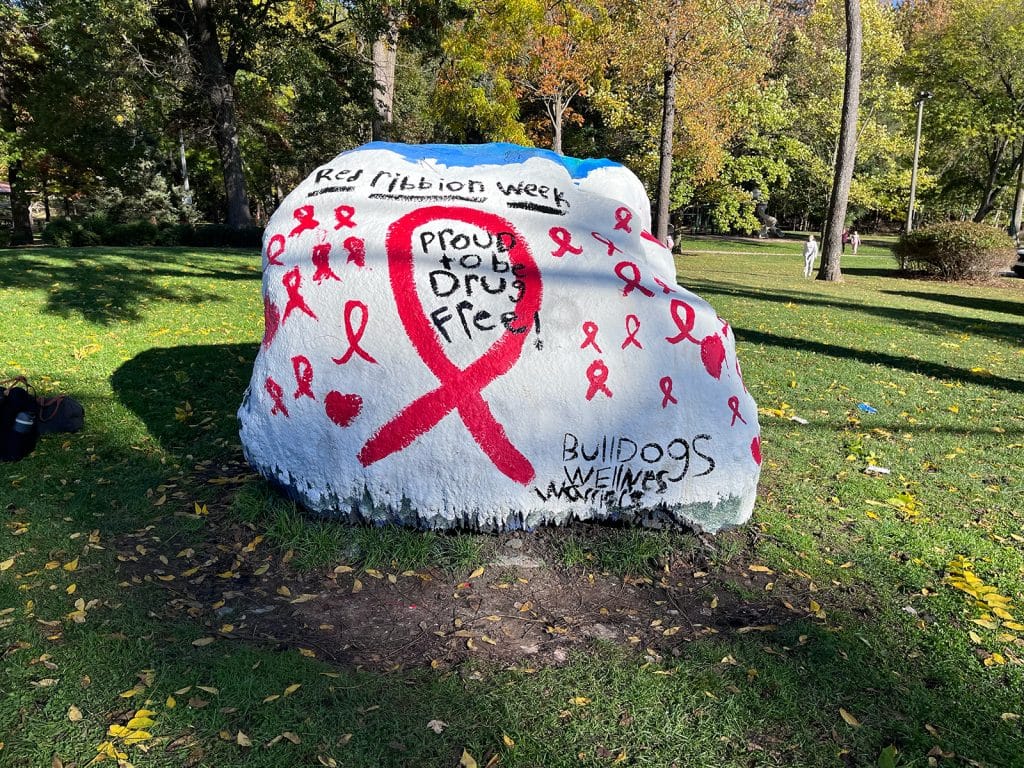
The term “refusal skills” refers to developing tools to comfortably say “no” to substances. Chandler says peer pressure isn’t always overt, like someone saying, “Come on, try it just this once.”
“Sometimes it’s just cultural pressure. You’re around it, and no one is pressuring you to try it, but you feel [pressured] internally,” Chandler says. “It’s good to be prepared ahead of time [for] what you’re going to say and how to get yourself out of a situation.”
She says staff also counsel senior assemblies about alcohol and drugs, since “college is when binge drinking increases.”
Over a one-year period in Chelsea alone, Chandler says the program offered nearly 4,000 lessons, groups, screenings, or events, and reached over 100 parents and staff. In Manchester, 77 students received SUCCESS programming in the form of small groups in the same period. In that same time in Manchester, 25 kids or adults received counseling, 86 students were reached through classrooms, and 90 others received assorted programming.
Chandler says the settlement money will focus on “maintaining what’s already working in Chelsea and Manchester.”
Ann Arbor- and Ypsilanti-based Packard Health received $264,000 to maintain its programming for opioid use disorder (OUD) and any other co-occurring issues. Packard Health focuses on multiple modalities, including medication-assisted treatment and peer groups. The organization offers telehealth visits to make professional care easier to access.
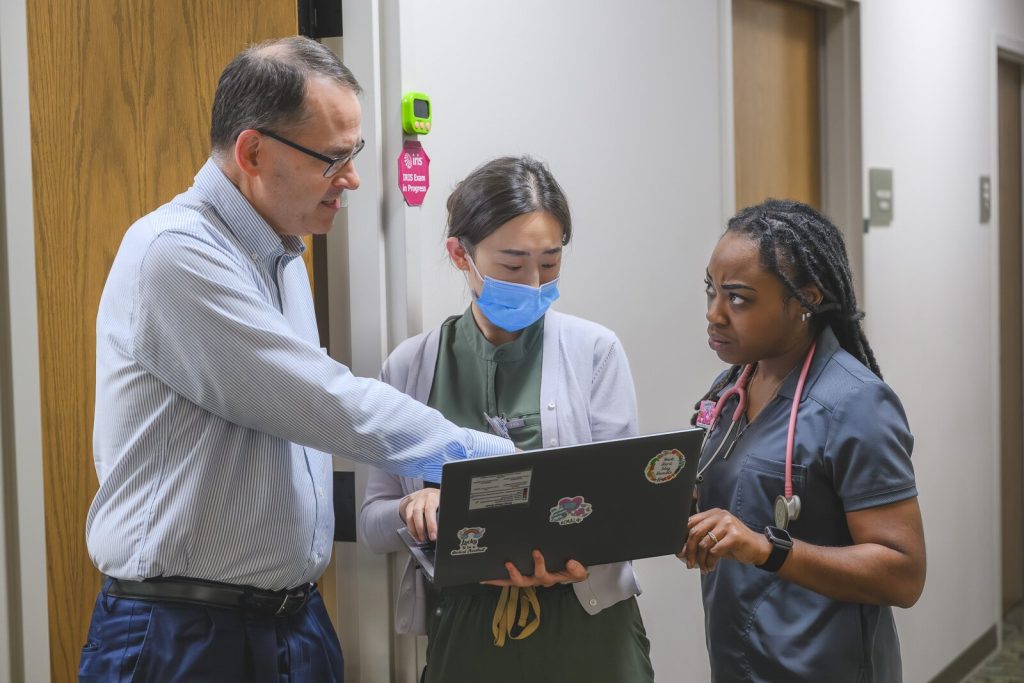
Packard Health Executive Director Dr. Ray Rion says the money comes at a welcome time, since some other funds have been scarce already. He says he and other providers of substance use disorder services, like Dawn Farm and Home of New Vision, have repeatedly lobbied county commissioners to get more funding for OUD. Medicaid reimbursements for treatment programs had been cut well before the current round of proposals for the settlement money came out.
Corey Telin, director of behavioral health at Packard Health, says Packard Health has been offering “low-barrier access to lifesaving medications” like Subloxone, Vivitrol, and other medications that either blunt cravings for a substance or stop the effect of the drug from being felt as a “high” at all. These medications are paired with access to other supports like a social worker, nurse, and peer recovery coaches.
“I’m a clinician. We can talk to patients all day long, but recovery coaches really connect with people in a way clinicians aren’t able to,” Telin says. “They have experience, a personal story that they use as a tool to connect with patients. And building that rapport with patients with substance use disorders is key to keeping them engaged with all the other parts of their treatment.”
Nicole Adelman, the new director of the Shelter Association of Washtenaw County, previously had leading roles at a number of local health-related nonprofits including Alpha House and the Corner Health Center. She joined the Shelter Association just in time for the organization to receive $283,000 supporting its existing “pathways to recovery” program, including a focus on housing access for those pursuing treatment.
The Shelter Association runs the Robert J. Delonis Center, which serves unhoused people across Washtenaw County. Adelman calls Delonis Center “a judgment-free, low-barrier shelter” in regards to drug and alcohol usage.
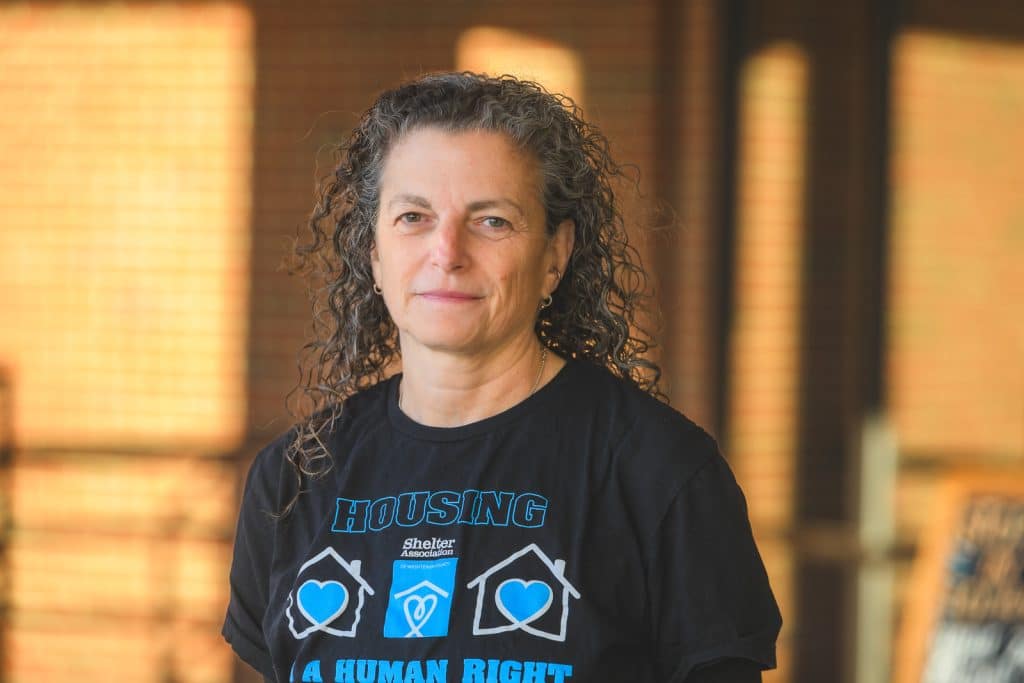
“[Shelter guests] can’t be in possession while on site, but they don’t have to be sober to come in,” she says. “We accept everybody where they are. Our goal is to get people connected to whatever resources they need to be healthy and gain housing.”
That could include substance use treatment, harm reduction, or connecting them to other resources, she says.
The Shelter Association’s mental health and addiction recovery staff used to work separately but are integrated now, Adelman says, since substance use and mental health issues are often “co-occurring” in the population they serve. The settlement money will allow the Shelter Association to continue dedicating a staff member solely to the issue of addiction treatment. Adelman says this fall’s government shutdown was difficult already, so the money will help the Shelter Association keep the program operating as usual for now.
Rion says that, beyond the money Packard Health and the other eight organizations will receive, he’s glad to see a reckoning and public awareness about the roots of the opioid epidemic. He says what troubles him most is that the opioid addiction epidemic “came out of the exam room.”
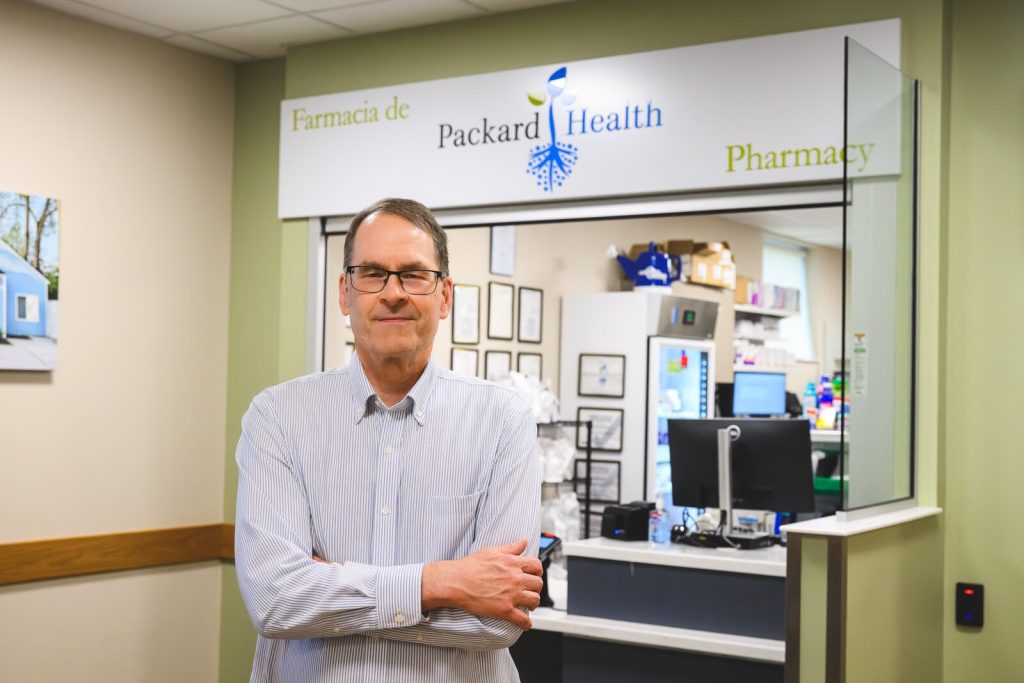
“The pharma companies captured the regulators and pushed a false narrative that they were safe and effective,” Rion says. “They were neither safe nor effective. They were deadly.”
You can learn more about opioid settlement funds and how Washtenaw County is using them on the county’s website.
Author
Related Articles
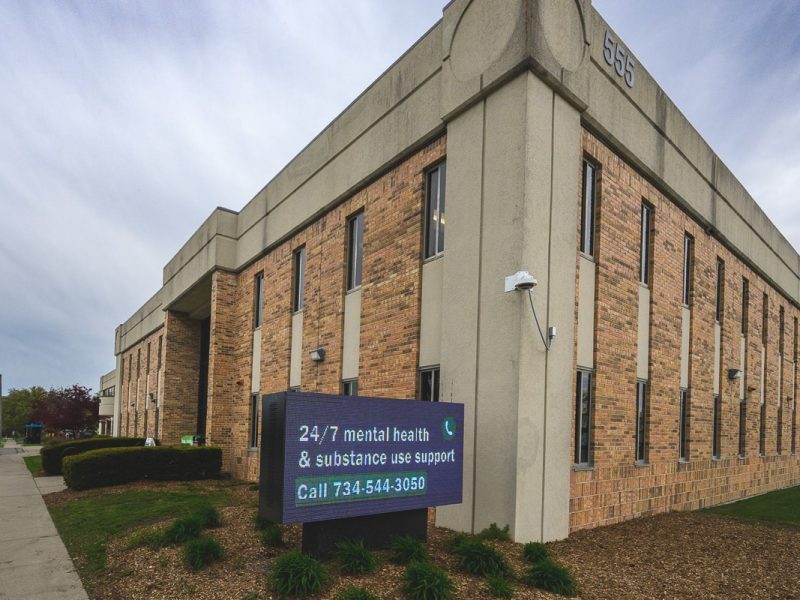
Recovery: Michigan offers many options outside of residential care.
Washtenaw County professionals providing substance use disorder services contend that Michigan’s far from being a rehab desert.
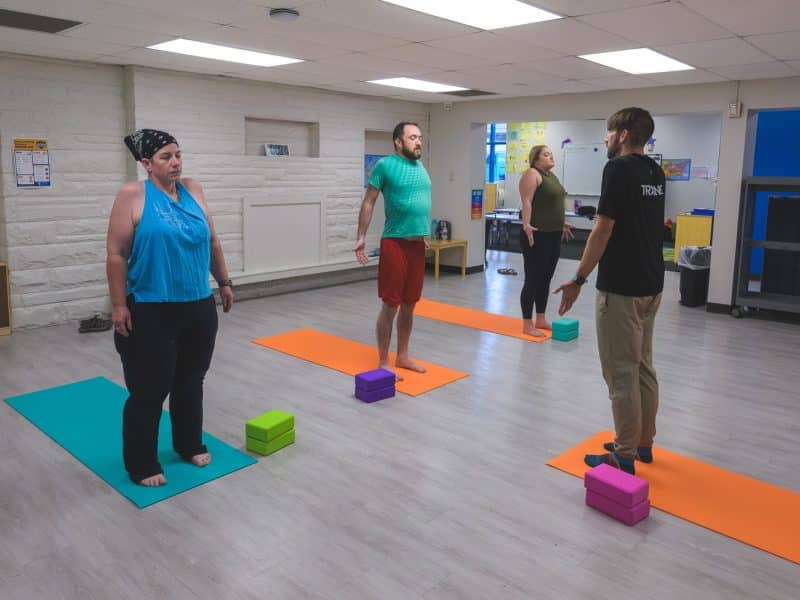
Ann Arbor Y opens low-cost Ypsi wellness center in former preschool collaborative
Ypsilanti’s YMCA preschool collaborative closed its doors in March, but the facility reopened in June as something else entirely — a neighborhood center offering affordable wellness and community programs.
Trinity Health and Michigan community groups will make fresh, local food a Medicaid benefit
A new Trinity Health initiative will allow people in the Ann Arbor, Detroit, and Grand Rapids areas to access fresh, affordable produce from local organizations through their Medicaid health plans.


