
“It’s okay to get help”: New program offers mental health support for Black men and boys in Ypsi and Ann Arbor
Packard Health’s new Healing Brothers United program will soon launch a variety of mental health services aimed at local Black men and boys.
On the Ground Ypsilanti is an “embedded journalism” program covering the city and township of Ypsilanti. It is supported by Ann Arbor SPARK, the Center for Health and Research Transformation, Destination Ann Arbor, Eastern Michigan University, Engage @ EMU, Washtenaw Community College, Washtenaw County Parks and Recreation Commission, and Washtenaw ISD.
This article is part of a series about mental health in Washtenaw County. It is made possible with funding from Washtenaw County’s Public Safety and Mental Health Preservation Millage.
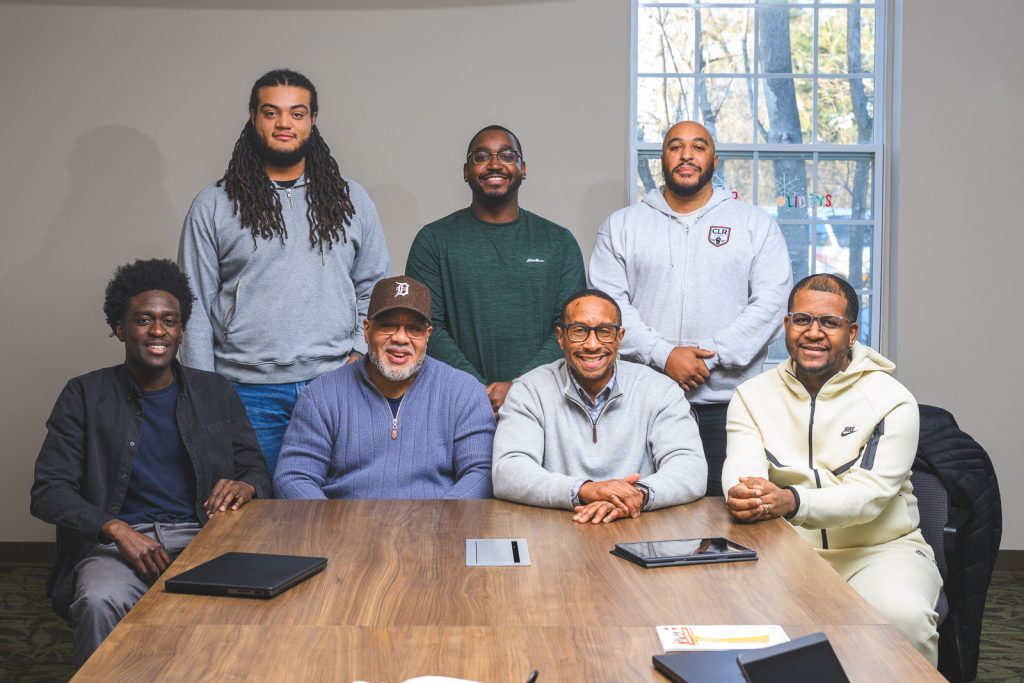
Many social narratives about Black men and boys suggest they should “man up.” But that attitude can lead to them not accepting necessary help, including mental health support, says Ypsilanti resident Justin Harper, an ambassador with Ann Arbor- and Ypsilanti-based Packard Health‘s new Healing Brothers United (HBU) program. The program will soon launch a variety of mental health services aimed at local Black men, including a Black male therapist, public workshops, and more.
“I got this. I can deal with this on my own,” is a sentiment Harper says he hears a lot in the Black community, particularly from men.
“And it’s even sometimes looked down upon if you say, ‘Hey, I do need help,'” Harper adds. “You can’t just go around saying things are all right when they’re not. It’s okay to get help, to have mental health support.”
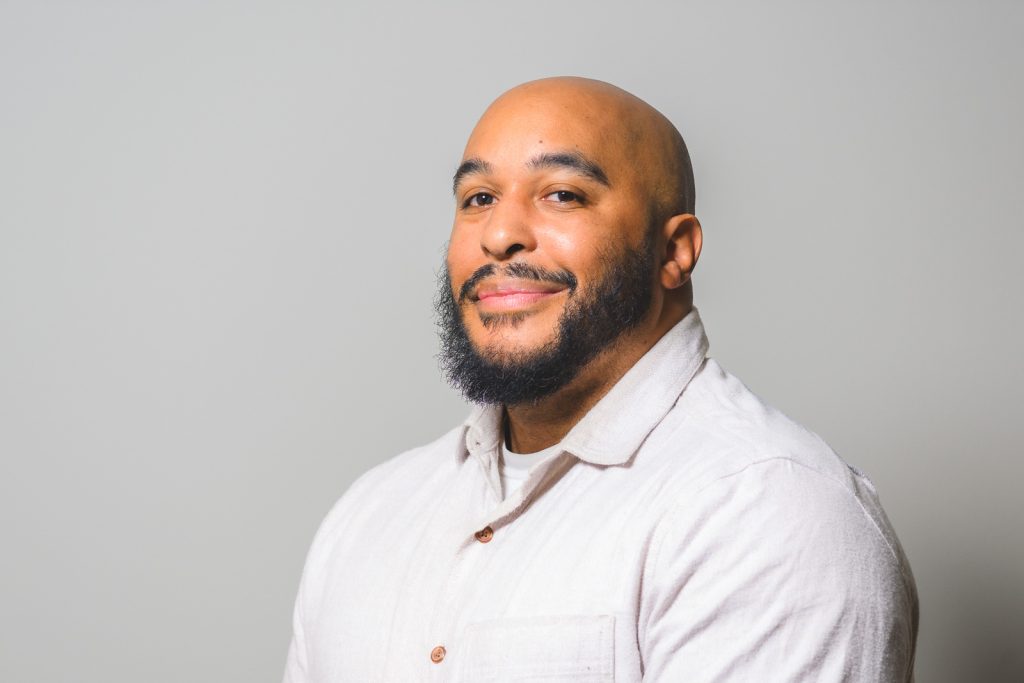
Packard Health Behavioral Health Program Manager Santinio Jones says HBU was born from staff curiosity about why more young Black men don’t use Packard Health’s services. Jones says he and his colleagues mainly see young Black men when they’re in a crisis, not for preventive care and especially not for mental health support.
They are hoping to change that with funding from Washtenaw County’s mental health millage, which will allow them to run the HBU program through the end of 2026. Packard Health staff began by recruiting a few ambassadors to run focus groups asking community members what they wanted out of such a program.
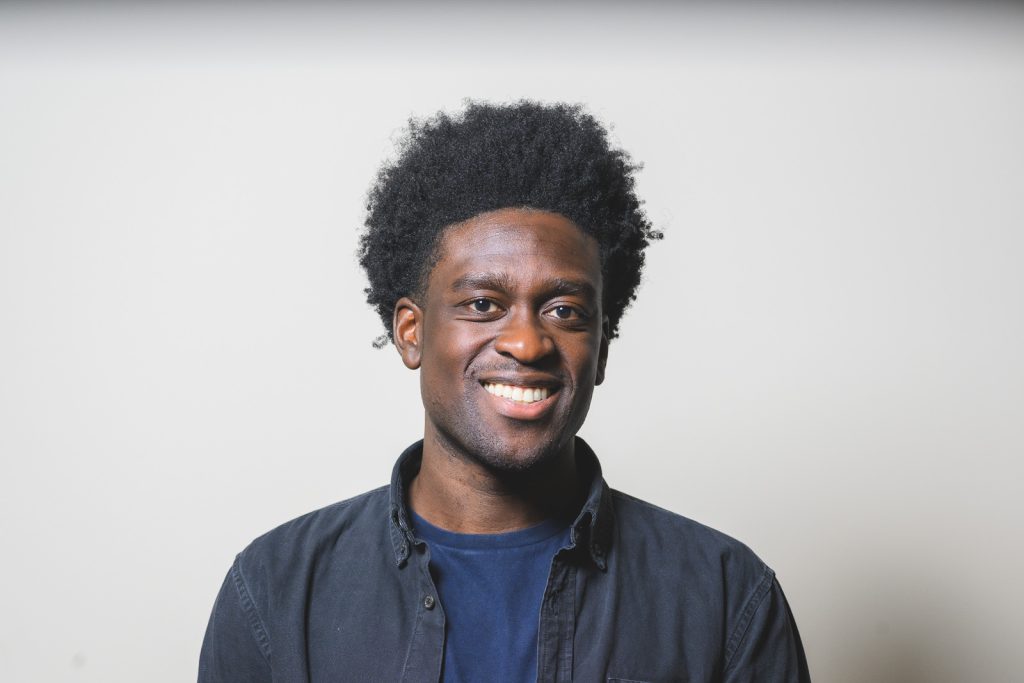
HBU ambassador Chris Okine says those early listening sessions revealed a desire for a more informal program that looked less like a traditional group therapy session.
“We want to make it easier for the men to show up and do something in more of a casual space, like a lean-in space for conversation,” Okine says.
Preliminary work for the program has included recruiting ambassadors and networking with other community groups like Washtenaw My Brother’s Keeper, Jones says. Ambassadors go through training to do mental health work in the community, and the program currently has a team of seven men.
Harper says that as a middle school educator in Ann Arbor Public Schools, he sees firsthand that “Black children don’t always see people who look like them … at school.”
He says the same principle applies to the HBU program. He expects that Black men and boys will more easily open up to others with similar life experiences.
“A Black child might not be as open to having conversations about what’s really going on inside with them if the connection is not there,” Harper says.
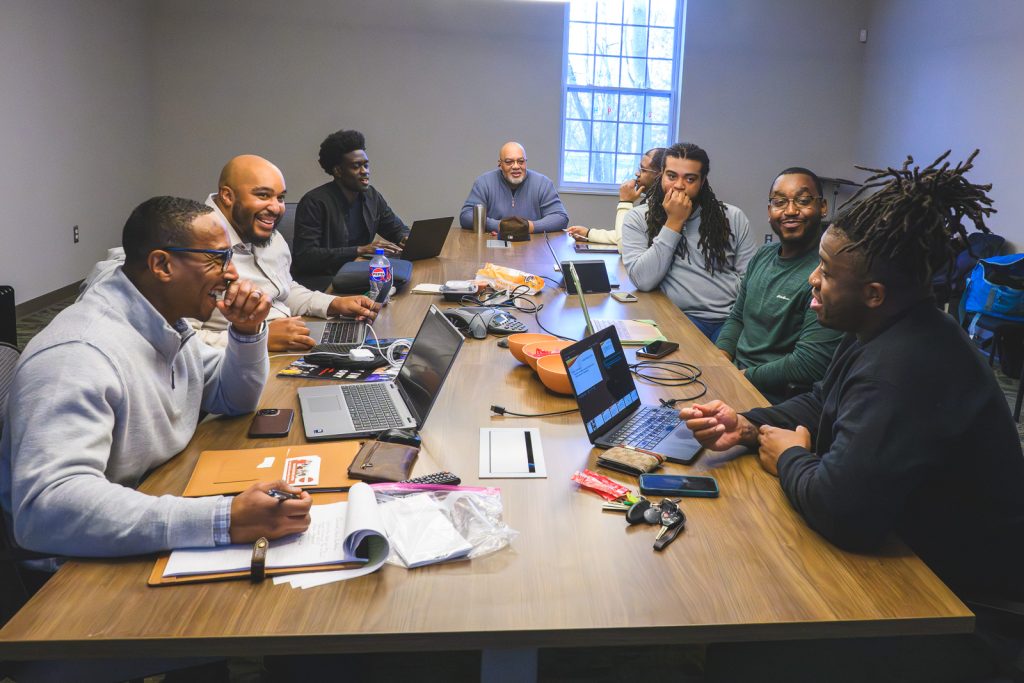
The HBU program’s overall goals include advocacy for equitable access to mental health resources, reducing stigma associated with talking openly around mental health, and increasing resources and support networks for participants.
Okine says that support can go in more than one direction. As a medical student, he wanted to get involved in the community, to make an impact, and to give back. That’s what brought him to be an ambassador with the HBU program.
“Black men’s mental health is something I’ve always been passionate about, so I was happy I was asked to join,” he says. “Since joining, I’ve already seen it’s such a great way to have an impact on the community. And maybe the biggest thing is that it’s also a space for me to improve my own mental health by talking to other Black men who have struggles and issues.”
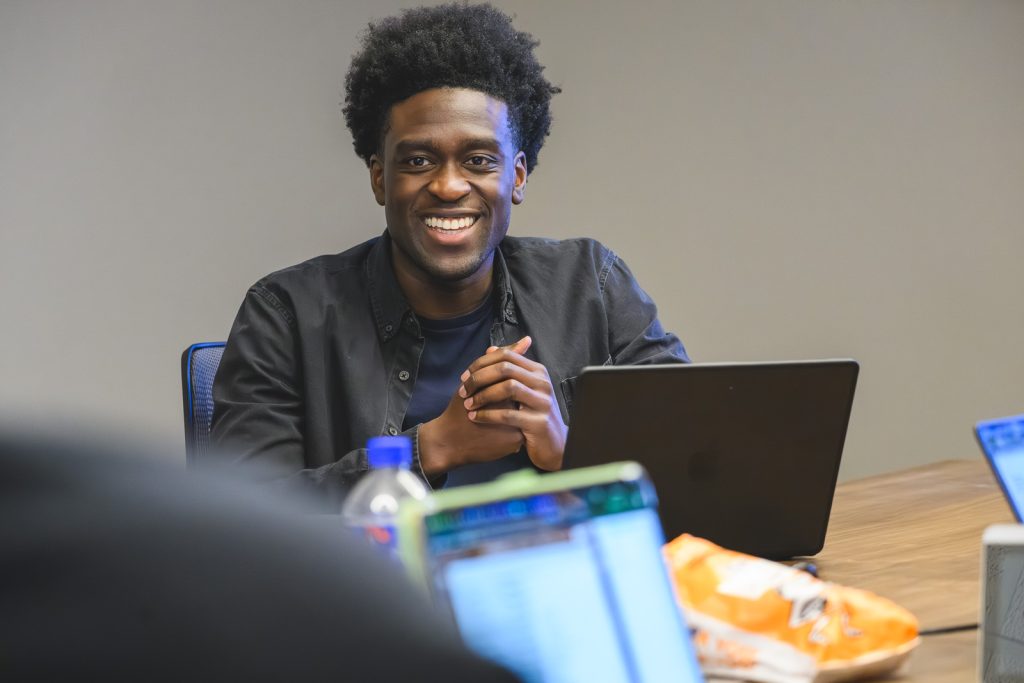
Now that the foundation for the program is laid, official programming will begin soon, Jones says. That will include a variety of strategies from giving presentations at community events and hosting mental health workshops.
Another important component of those resources is a Black male licensed behavioral health therapist available two days a week through Packard Health. Jones says that a request for such a specialist was a near-“universal” request during feedback sessions and meetings with potential community partners.
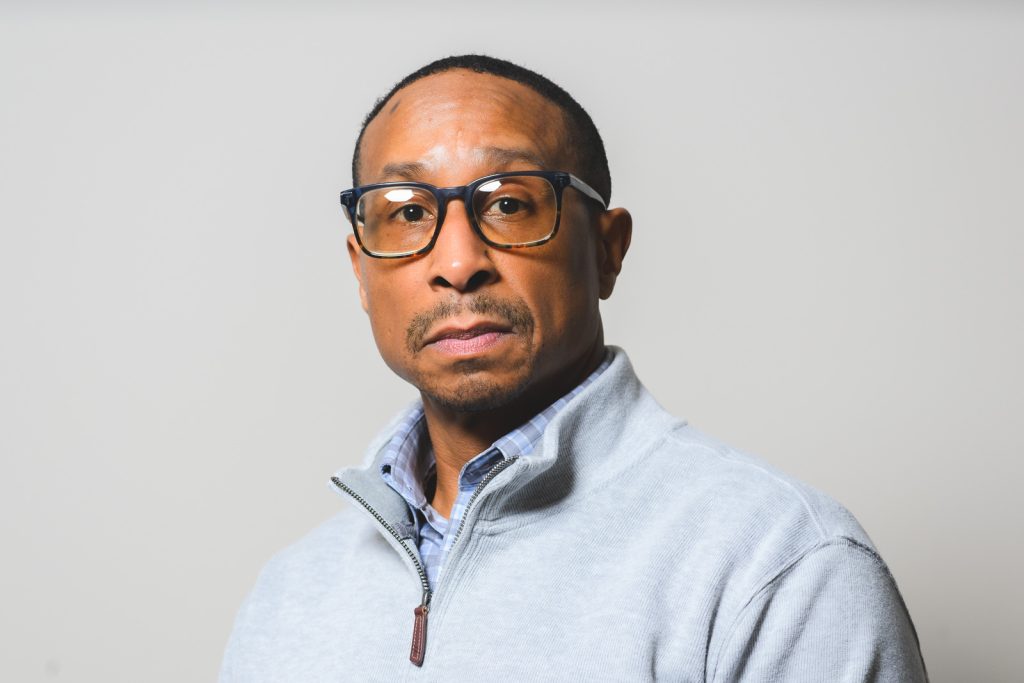
“Packard made an investment in a therapist specifically for this program, and any young man can reach out to me or an ambassador for access to the therapist right away. And as demand increases, we will meet it,” Jones says.
Jones says the HBU program will soon have its own logo and dedicated page at PackardHealth.org. In the meantime, the program is still recruiting ambassadors. Those interested in becoming ambassadors can learn more and fill out an interest form here.
Author

Related Articles

Ypsi event to celebrate women and girls in sports with youth sports clinic, panels, and more
The event will feature an educational panel, a youth sports clinic, and the opportunity to cheer on the Eastern Michigan University Eagles at a basketball game, followed by post-game autographs and photos.
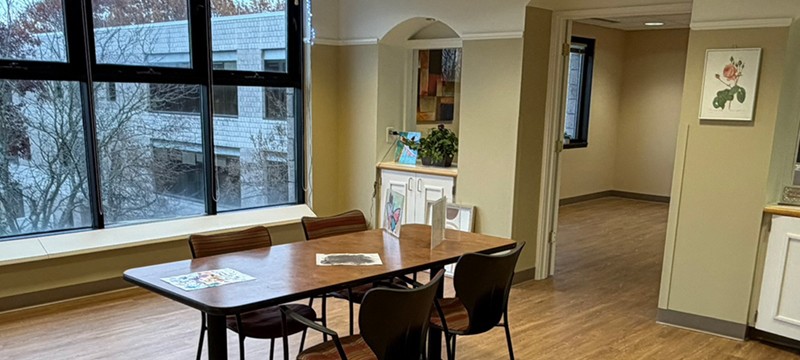
“It all feels miraculous”: New family shelter in Ypsi addresses growing need for emergency housing
Alpha House East offers 30 individual housing units where families can stabilize, regroup, and begin the process of moving toward permanent housing.
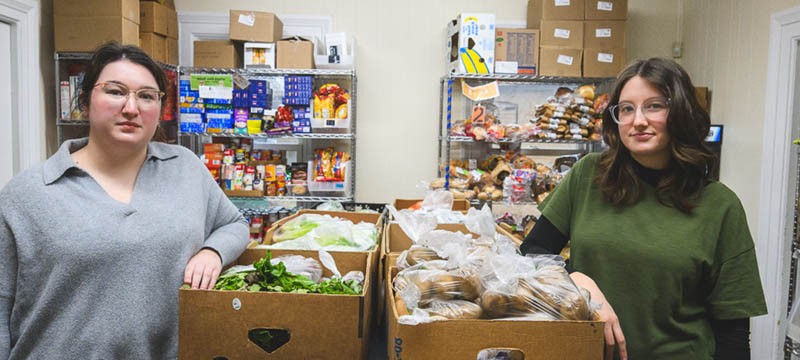
Ypsi nonprofits faced an avalanche of need in 2025, and they’re preparing for more to come
Ypsi’s social service nonprofits are reporting that they’re stretched thin after a year of disruptive federal policy.


