
NIGHT AND DAY: Fringe Theater, Fringe Thoughts and Evil Dead
What is the value of fringe arts? Editor Jeff Meyers discusses how seeding the ground for a new generation of arts and culture means providing more accessible creative third places. He also weighs in on this week’s eclectic entertainment opportunities.
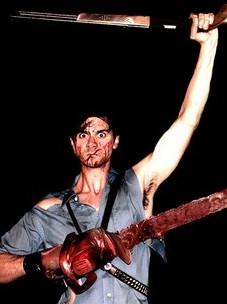 In this week’s FilterD you might notice that one of our featured events is Evil Dead: The Musical… which is playing in Ferndale.
Now, it’s not unheard of for me to spotlight a show outside the Ann Arbor region as being “worth the drive”. But this week’s decidedly Halloween-inspired selection dovetails with something near and dear to my heart: fringe theater. Or more specifically, fringe art.
Why? Because much as Concentrate is committed to covering ‘what’s next’ in innovation, entrepreneurship, and development (Ie. the evolution of our community), fringe art very much represents what’s next in local arts and culture.
Most communities when they want to take their internal cultural temperature look to the vitality of their biggest arts institutions, those that have been around longest or who have the most professional sheen. Ann Arbor’s usual suspects are UMMA, UMS, Performance Network, The Ark, The Ann Arbor Film Festival, etc.. And all of them are important facets of our cultural fabric.
But all too often, cities forget to seed the ground for the next generation of arts and cultural innovation. Oldest doesn’t necessarily mean best. Or even most relevant. And it can often mean we’re not focusing on what’s healthiest for our community’s cultural future. You have only to look to Pfizer for an example of how putting all your chips on the biggest player in town can have catastrophic consequences. Luckily, the university, state and local leaders realize this and do their damnedest to attract and nurture local start-ups and new economy entrepreneurs.
So, where are our cultural start-ups and what are we doing to help them? In reviewing the faciilties and venues open to emerging local artists, the scorecard is, well, lacking. Yellow Barn, the fringiest and most organic of efforts, struggles along on sheer gumption. Tiny Sh’aut Gallery and the Ann Arbor Civic Theater’s Studio Series attract small but loyal crowds to their threadbare productions (some of which can be quite bold). Blackbird Theatre survives by the grace of a childcare center that doubles as their performance space. The truth is, it’s hard to be a fringe artist in our city.
A quick glance at Ypsilanti shows what a fringe art scene can mean. Not only is the Shadow Art Fair a terrific demonstration of DIY vitality, the city also provides an affordable gallery and performance space to local creatives via the Riverside Arts Gallery. Dreamland Theater has been bopping along for X years now, offering outre performances, music and puppetry in the small city’s downtown. Jame Marks, the owner of VG Kids, recently launched Spur Studios (video coming soon), an arts incubator that provides creatives of every stripe low cost rehearsal and studio space.
In a nutshell, Ypsilanti is actively seeding the ground for its future. If it can nurture and expand its efforts in the coming years I have little doubt its efforts will eventually overshadow Ann Arbor for important indigenous arts and culture.
Yes, Ann Arbor will always have U-M, and the university is a powerhouse of creativity and innovation. But in many ways, it is an island unto itself, more interested in exporting its ideas and vision to the world than nourishing the community it’s in.
Evil Dead: The Musical, aside from looking like a real hoot, is playing at the Ringwald Theater in Ferndale. It is the kind of irreverent, fringe theater that attracts both younger artists and younger audiences, taking risks with its choice of material and cast. Just down the street is Go! Comedy Theater, a popular improv space that boasts, ironically enough, members of the now defunct Improv Inferno – former address: downtown Ann Arbor. Both have brought a kind of vitality to Ferndale’s downtown that isn’t predicated on eating at bistros or getting drunk. Think of them as gateway organizations, promoting both an appreciation for local art and a sense that anyone can participate.
Related Articles
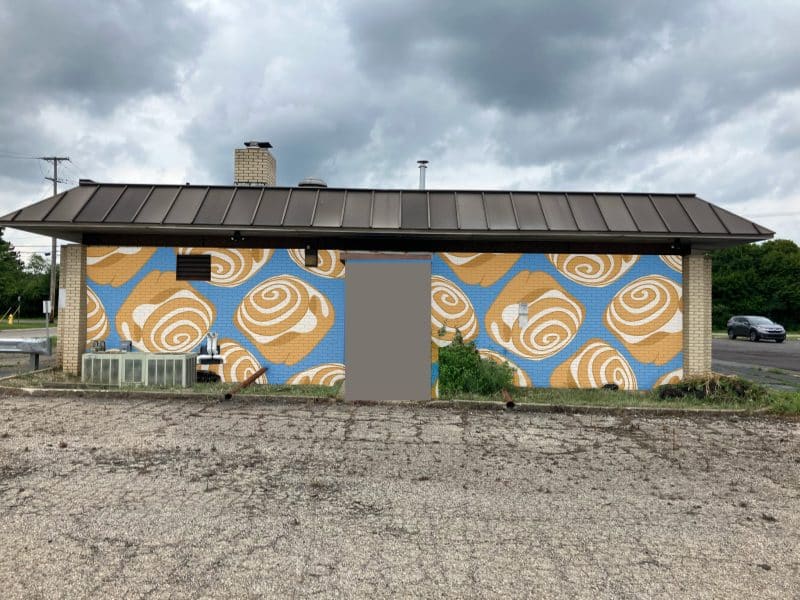
Residents plan mural for Ypsi Township bakery
Residents of Ypsilanti Township’s Gault Village neighborhood plan to show love for locally-owned B-Cubed Bakery by painting a mural on the bakery building.
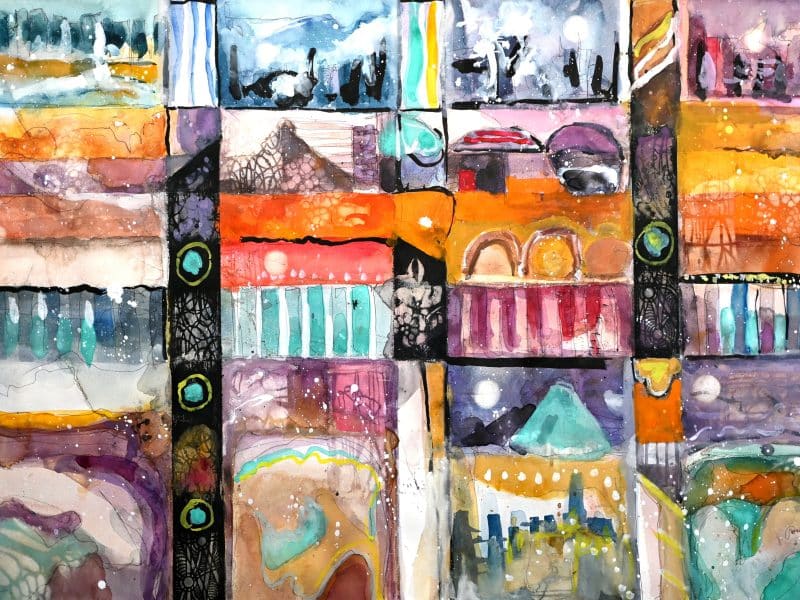
Michigan Water Color Society to showcase signature members’ work in Ann Arbor exhibition
The Michigan Water Color Society will showcase its members’ work in Ann Arbor for the first time in decades in an upcoming exhibition at the Ann Arbor Art Center.
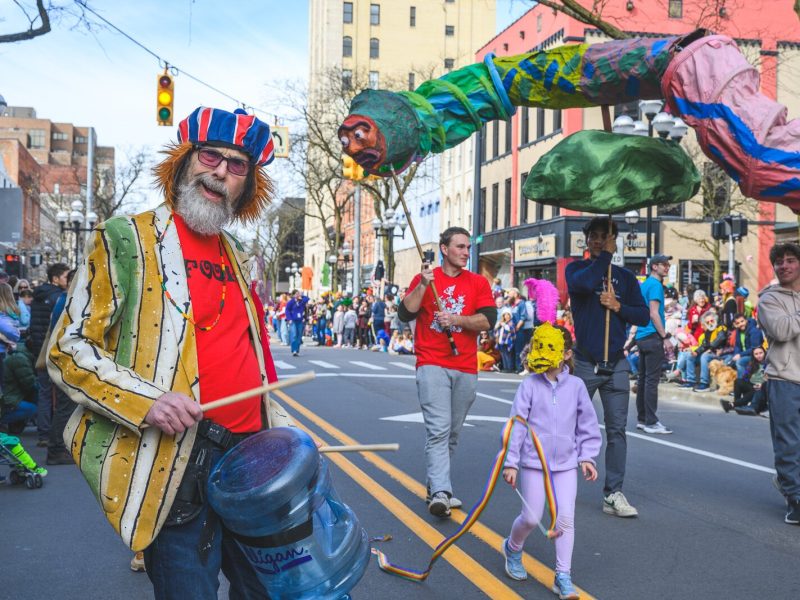
20 years of FestiFools: Founder Mark Tucker looks back on Ann Arbor’s beloved puppet parade
We chatted with FestiFools founder Mark Tucker about the unlikely origins and enduring spirit of the community puppet parade.


