
Nonprofit incubator kitchen helps food businesses get off the ground in Ypsi
Inside a shared commercial kitchen in Ypsilanti, recipes become businesses, side hustles turn into full-time work, and local food entrepreneurs gain community.
On the Ground Ypsilanti is an “embedded journalism” program covering the city and township of Ypsilanti. It is supported by Ann Arbor SPARK, the Center for Health and Research Transformation, Destination Ann Arbor, Eastern Michigan University, Engage @ EMU, Washtenaw Community College, Washtenaw County Parks and Recreation Commission, and Washtenaw ISD.
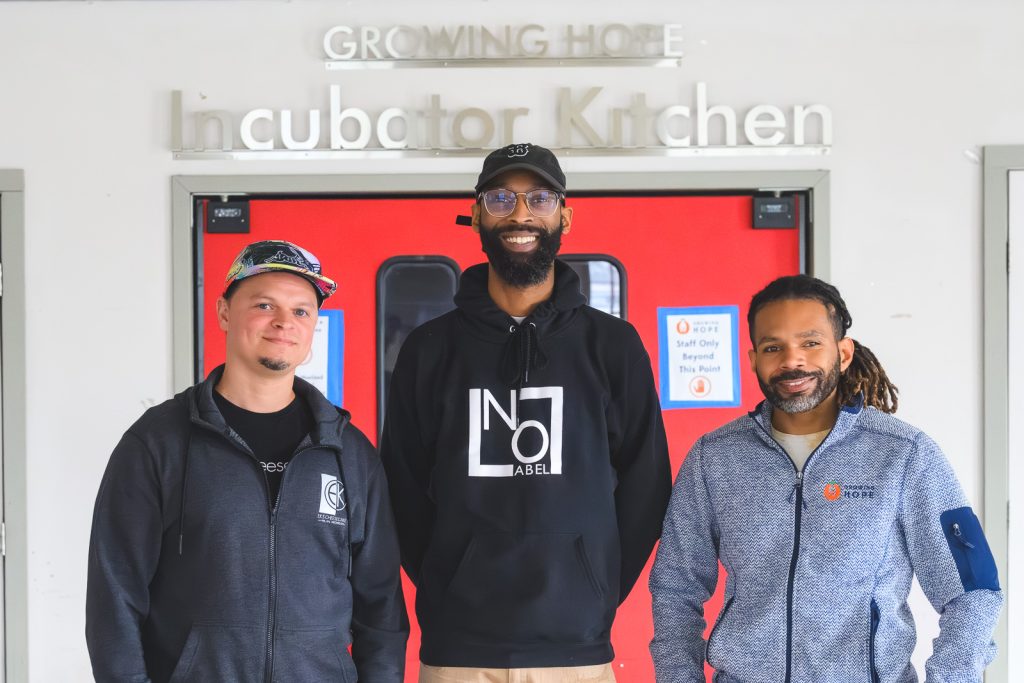
Inside a shared commercial kitchen in Ypsilanti, recipes become businesses, side hustles turn into full-time work, and local food entrepreneurs gain something that’s often harder to access than capital: community. Operated by the nonprofit Growing Hope, the food business incubator kitchen has evolved into a critical launching pad for small-scale food businesses across Washtenaw County.
“What began as shared access to licensed kitchen space has grown into a full ecosystem for food entrepreneurs,” says Growing Hope Executive Director Julius Buzzard. “We’ve expanded equipment, extended hours, and diversified the types of people the space is for.”
That evolution reflects a broader shift in how Growing Hope approaches food security. Rather than focusing solely on access to healthy food, Growing Hope’s incubator model emphasizes ownership, helping residents build businesses that circulate money and resources within the community.
“Every entrepreneur who grows out of the incubator is evidence that food security is not just about access. It’s about agency,” Buzzard says. “When a neighbor can transform a family recipe into a business, they are reclaiming control over their labor and their foodways.”
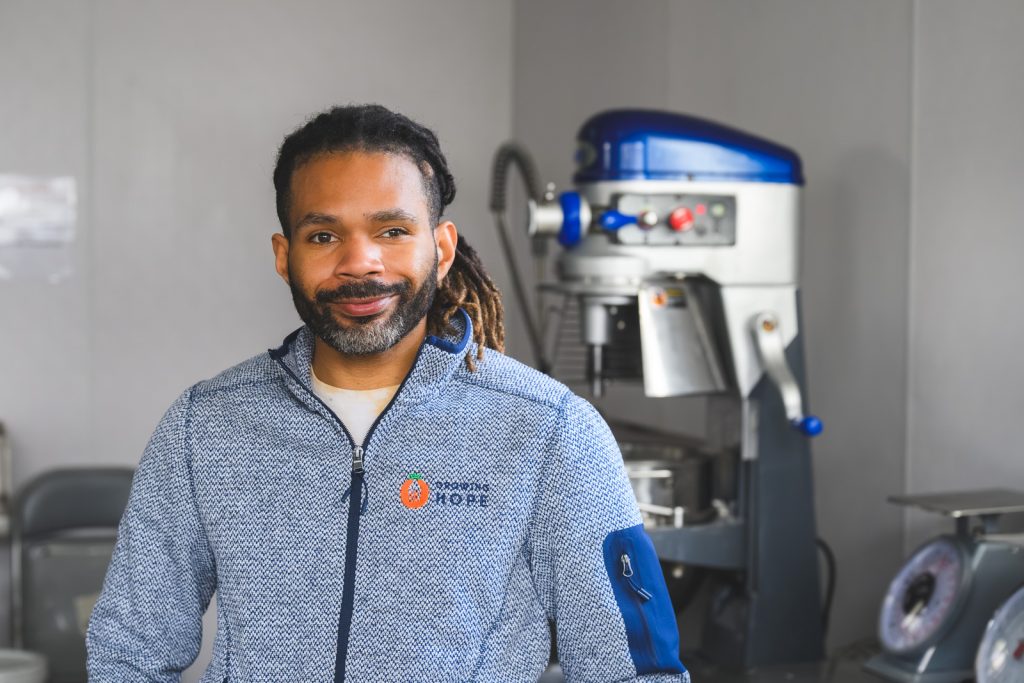
The incubator kitchen supports a wide range of food entrepreneurs, from bakers and caterers to juice makers and aspiring food truck owners. Participants gain access not only to commercial-grade equipment, but also to business coaching, licensing support, and connections to local markets like the Ypsilanti Farmers Market.
For many, that support is the difference between an idea and a sustainable livelihood.
Eric Kinsler-Holloway, owner of EK’s Cheesecakes, traces his business back to a childhood memory of baking with his mother. What started as an interest in perfecting cheesecake recipes eventually became a side business and later his full-time career.
“I saw myself doing this for the rest of my life,” Holloway says, recalling the moment he successfully fulfilled his first round of holiday orders while balancing another job.
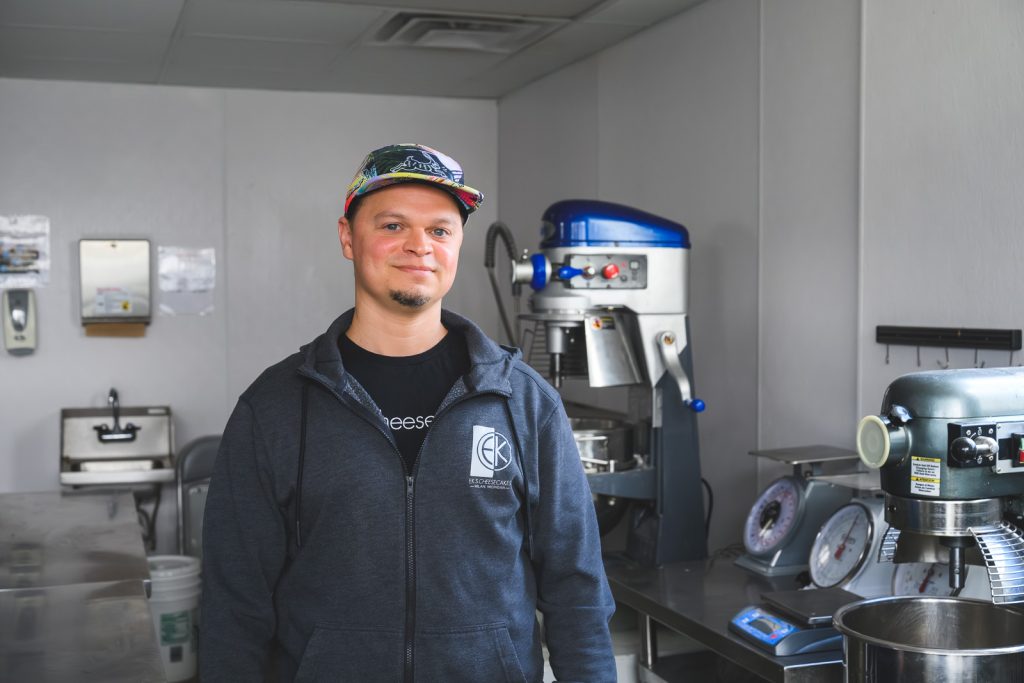
But scaling that passion into a business came with challenges. Working out of his home kitchen limited both production and legality. The transition to a licensed commercial space felt daunting until he connected with Growing Hope and began working alongside other food entrepreneurs in the shared space.
“I didn’t expect for it to be such a community,” he says. “I didn’t go to culinary school, didn’t have a mentor. I had myself and my phone. When I got to Growing Hope, I had people to lean on.”
That sense of collaboration helped him refine his production process, learn industry standards, and build confidence in scaling up. Today, EK’s Cheesecakes is Holloway’s full-time job, a milestone he credits in part to the incubator’s support system.
Nashia Frye, owner of No Label Juice Bar and Cafe, had a similar experience in the incubator kitchen, gaining both practical knowledge and valuable local connections. Frye’s business has since expanded into a brick-and-mortar storefront, which opened in March 2025.
“My experience using the kitchen was impactful and educational,” Frye says. “I learned not only from management but from the other makers in the kitchen.”
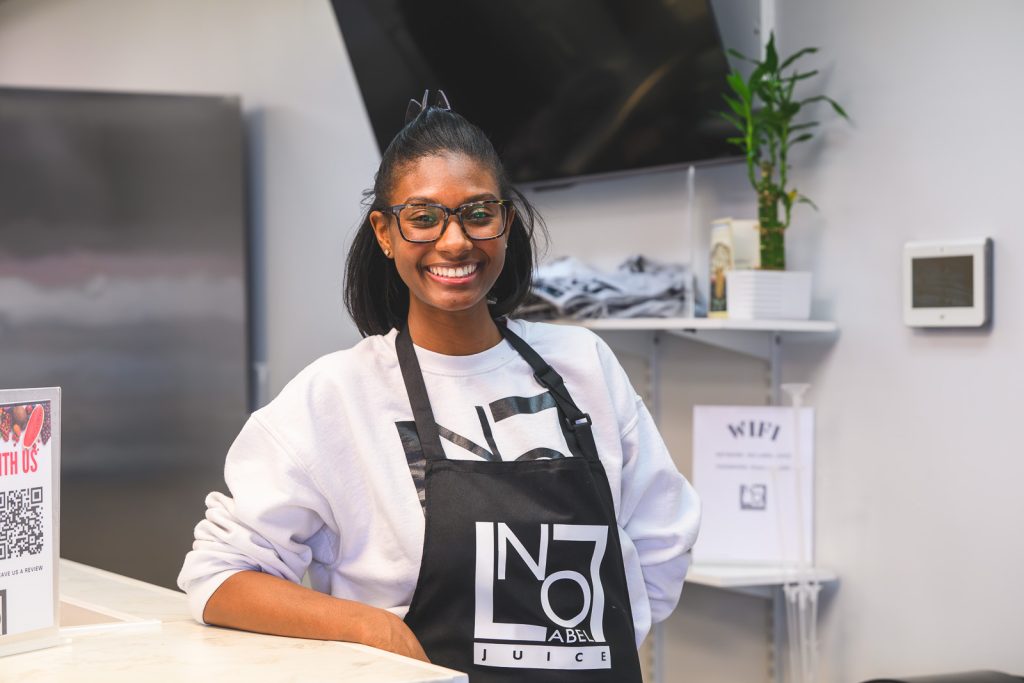
Frye, who was drawn to the food industry through a desire to promote health and wellness, says the incubator helped her better understand what it takes to run a licensed food business. It also opened doors to new opportunities.
“It was also profitable because of the connections that were fostered,” she says. “I was able to join two other markets from the knowledge I learned from Growing Hope.”
That network effect is intentional. According to Buzzard, the incubator is designed not just to support individual businesses, but to strengthen the local food system as a whole.
“This is not just a kitchen. It’s a community-rooted launchpad,” he says. “We pair low-barrier access with high-touch support, coaching, connections to markets, and integration into a values-aligned food system.”
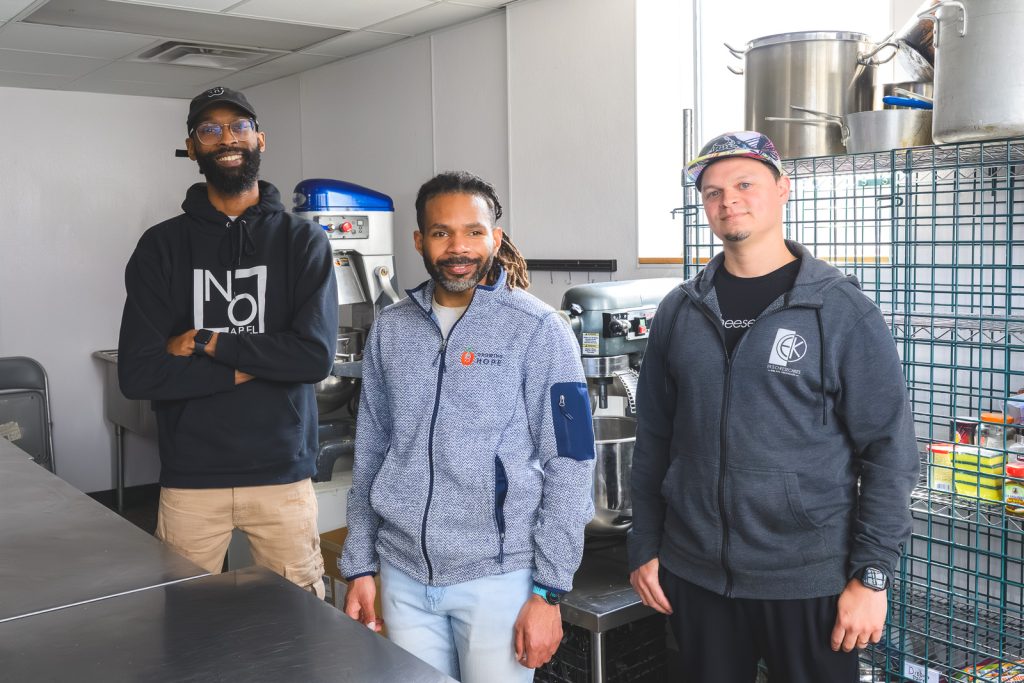
The model prioritizes entrepreneurs who have historically faced barriers to entry, including lack of access to capital, space, and infrastructure. By lowering those barriers, Growing Hope aims to create pathways from “idea to income to independence,” Buzzard says.
The impact extends beyond individual success stories. Each new business contributes to a more diverse and resilient local food landscape – one that reflects the cultures, tastes, and needs of the community it serves.
“These businesses circulate dollars locally, hire within the community, and expand what food access looks like in Ypsilanti,” Buzzard says.
For entrepreneurs like Holloway, the incubator also provides a testing ground to experiment, fail, adapt, and grow alongside others navigating similar challenges. Buzzard says each business that “graduates” from the incubator is “a redistribution of power that builds toward sovereignty.”
“You’ll never know what you find, what you’ll learn, who you’ll meet,” he says. “It’s a great community, especially early on.”
More information about Growing Hope’s incubator kitchen is available here.
Related Articles
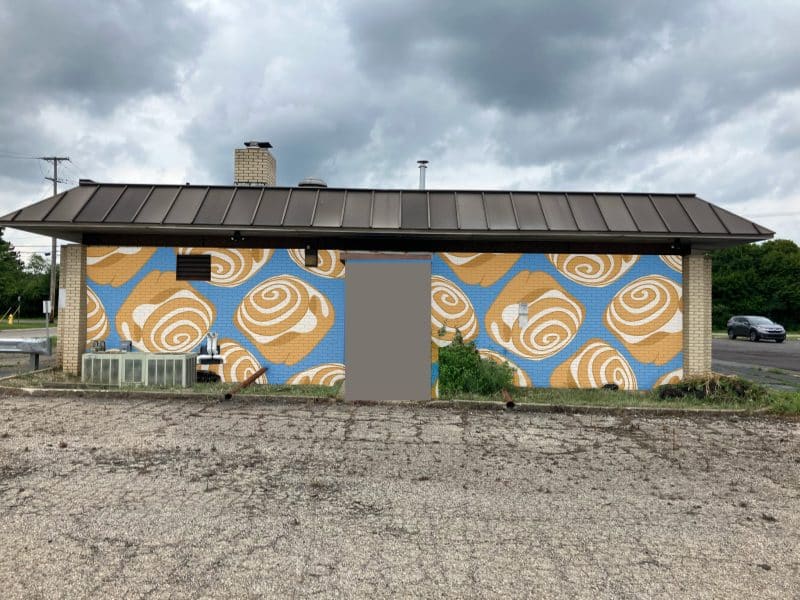
Residents plan mural for Ypsi Township bakery
Residents of Ypsilanti Township’s Gault Village neighborhood plan to show love for locally-owned B-Cubed Bakery by painting a mural on the bakery building.
Recast Leaders aim to revitalize local economies
Ypsilanti and six other Michigan communities are working on building their local economies in the Recast Leaders program. Here’s a look at how the program works.
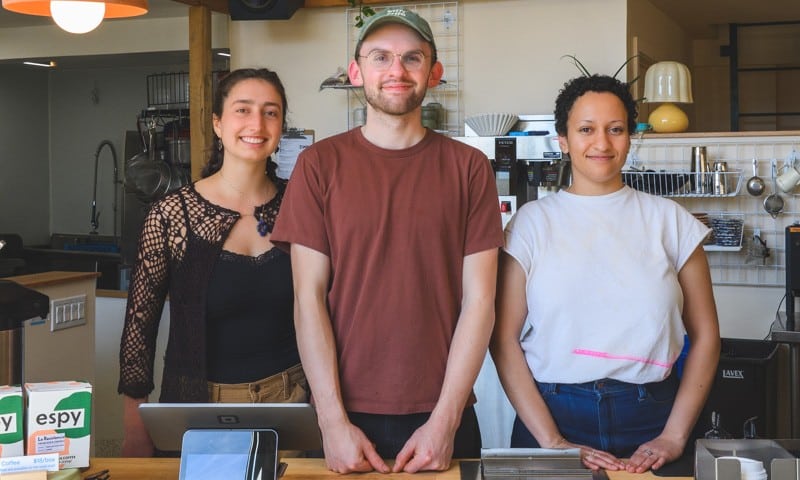
Democratically run café opens in Ann Arbor
Espy Café is a democratic workplace, with employees making decisions on the menu, hours, staffing, and service.


