
The Backstory: Early Ann Arbor’s multiple newspapers
Newspaper options are increasingly limited these days. But Ann Arbor's early history contains a long list of strongly partisan publications.
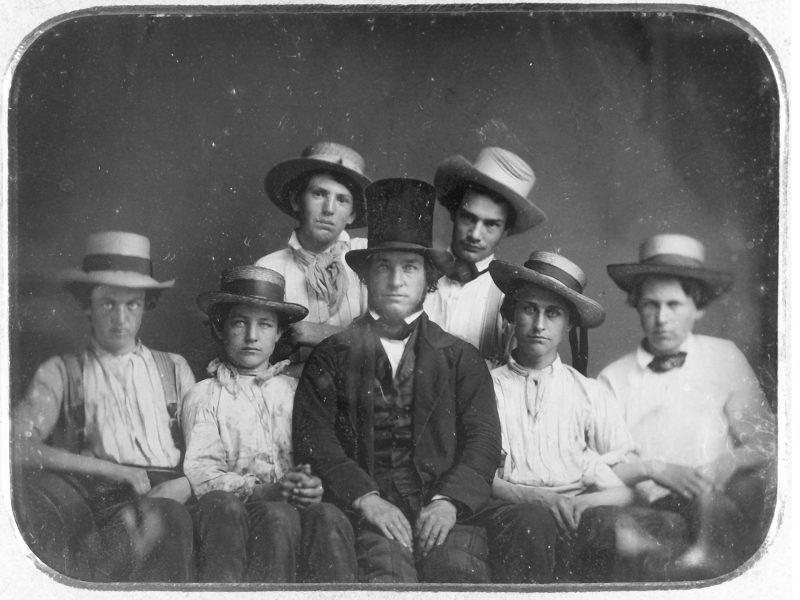
Newspaper options are increasingly limited these days. But Ann Arbor's early history contains a long list of strongly partisan publications.
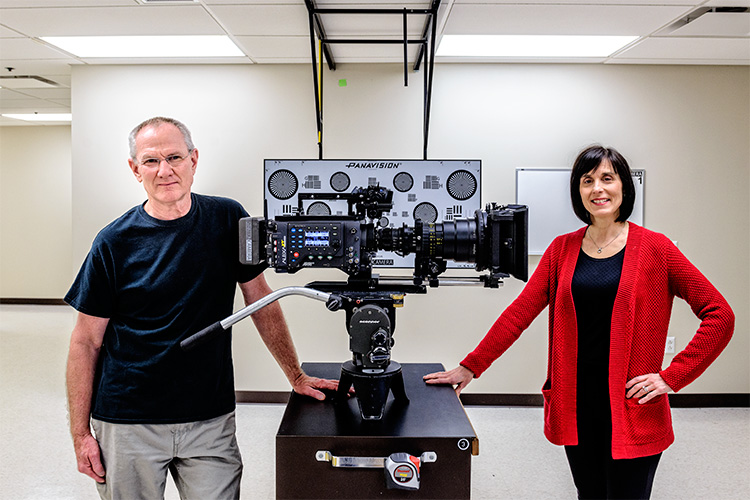
Michigan's ambitious and controversial film incentive program is officially dead. So what does that mean for the future of local filmmakers? And what kind of legacy has it left behind?

Steve Jedele's custom sign biz has gone from a college business headquartered in his parent's bonus room to a thriving Ann Arbor shop with 14 employees,

We here at Concentrate have long sung the praises of Ghostly Records, which was founded by U-M alum Sam Valenti. Heck, they even provided us with music for our videos. Now, the New York Times' business section is finally noticing this cooler-than-cool company. Excerpt: "A diversified product line can be a smart survival strategy in a struggling business, which the music industry continues to be 16 years after Napster shattered the highly profitable model of selling CDs. But according to Sam Valenti IV, Ghostly’s founder, the nonmusical goods that it sells are not a hedge against declining record sales. Music, he said, is profitable and by far Ghostly’s biggest product." Read the rest here.
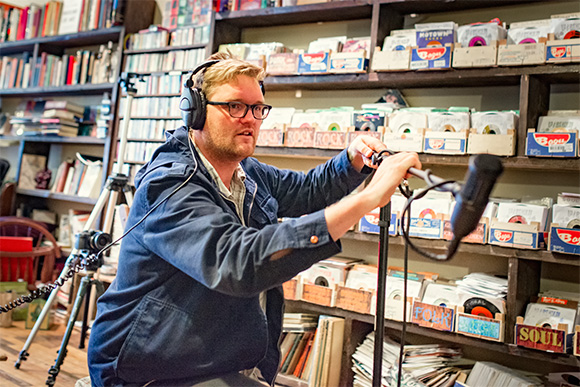
Matt Jones is determined to collect, and preserve Michigan's musical identity - one song at a time. He's recorded 150 artists for his River Street Anthology so far... and has no intention of stopping.

With the future of Michigan's film tax incentives in question, Detroit cinematographer Geoff George makes the case for why we can't afford to give up on them yet.

Of the 23 "titans" listed in this compendium of tech giants, more than 20 percent have strong ties to the Mitten. And more than a couple are U-M grads. Excerpt: "... we've profiled 23 tech titans with Midwest roots, whether they earned their degrees here or were born-and-bred. Yes, each founder and executive eventully left for the coast, but if the region continues to build out its individual tech hubs, the surrounding states will start to retain the game-changing innovators - like Marc Andreesen, Larry Page, Jack Dorsey, and more - that it's consistenly seeding. " Read the list here.
Image Data Conversion has been growing a lot since the economic recovery commenced a couple of years ago through both organic growth and acquisitions. The Saline-based company specializes in digitizing documents. Think turning paperwork and microfilm into more readily accessible digital documents. That could be everything from newspapers to building permits. "The business has been growing in the double digits since 2010," says Bob Palmerton, director of finance administration for Image Data Conversion. "There is a lot of paper out there." The 4-year-old company has also been acquiring or launching new divisions in the last few years. It acquired Beam Film in 2012 and launched Reveal Digital in 2013. It has steadily consolidated it sales efforts since then. That has allowed Image Data Conversion to hire seven new people over the last 18 months, expanding its staff to 65 employees. Of those, 55 are based in Saline. That number could jump again in the near future as the company considers acquiring more firms in the not-too-distant future. "We keep a short list of potential candidates that would fit in well with the company," Palmerton says. Source: Bob Palmerton, director of finance administration for Image Data Conversion Writer: Jon Zemke Read more about Metro Detroit's growing entrepreneurial ecosystem at SEMichiganStartup.com.
Enjoying paper books and participating in the digital revolution doesn't have to be an either/or proposition. That's what the team behind MagicBook is thinking. The Ann Arbor-based startup is developing a mobile app that helps make reading physical books fun for kids. "We were thinking of things we could do to connect technology with physical books," says Marjie Knepp, co-founder of MagicBook. "All of us grew up enjoying physical books. That really spoke to us." The four-person team found that kids are reading less and less for fun, a practice that could potentially negatively impact intellectual development. To counter that, MagicBook is combing 21st Century technology with traditional books. Kids using MagicBook can hold a mobile device using the app to a book they are reading. The app will play music, animations, and even interactive characters to engage the user. MagicBook won the People's Choice at the most recent Detroit Startup Weekend. The team is currently working on taking off the rough edges of the app so it can be ready for the general public. "We're hoping to have it ready within the next six months," Knepp says. Source: Marjie Knepp, co-founder of MagicBook Writer: Jon Zemke
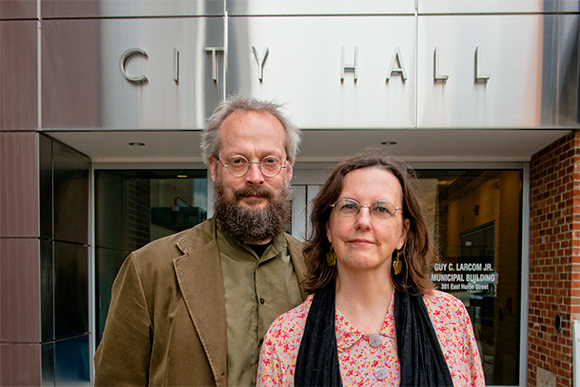
Last month Dave Askins and Mary Morgan ended their six year run of The Ann Arbor Chronicle, a local online news source that focused on long form government reporting. As Concentrate publishes its 300th issue, we've asked Askins to reflect on the local media-scape; where it's been, where it's at now, and where it might be heading.
Our Partners


Common Ground Is Brewing
Support local stories and receive our signature roast straight to your door when you join at the Standard level (or above).
Drink Better, Read Local
