
Protecting patient rights: How community mental health goes above and beyond
MI Mental Health spoke with Wil Morris, CEO Sanilac County Community Mental Health about how local agencies help mental health patients navigate their rights.
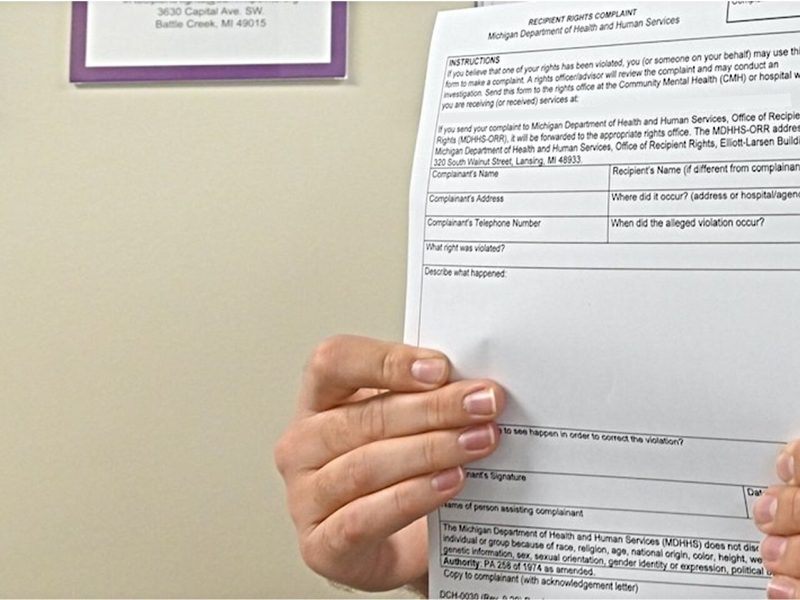
MI Mental Health spoke with Wil Morris, CEO Sanilac County Community Mental Health about how local agencies help mental health patients navigate their rights.
Michigan’s community mental health (CMH) agencies are the lead in providing mental health care for children in the child welfare system.

The Michigan Health and Hospital Association addresses pediatric behavioral health care with data, advocacy, and grant funding of member hospital programs.
Jackson, Hillsdale, Ottawa, and Washtenaw counties passed mental health millages and seen positive impacts such as expanded access to care to their residents, increased service capacity, improved crisis response, and more.
Michigan's CMHs play a critical role in schools, providing counseling, crisis intervention, and case management to students who might otherwise slip through the cracks.

The staff of Michigan’s community mental health agencies aren’t sitting at their desks waiting for the phone to ring. They are out in their communities letting people know that mental health care is within reach.
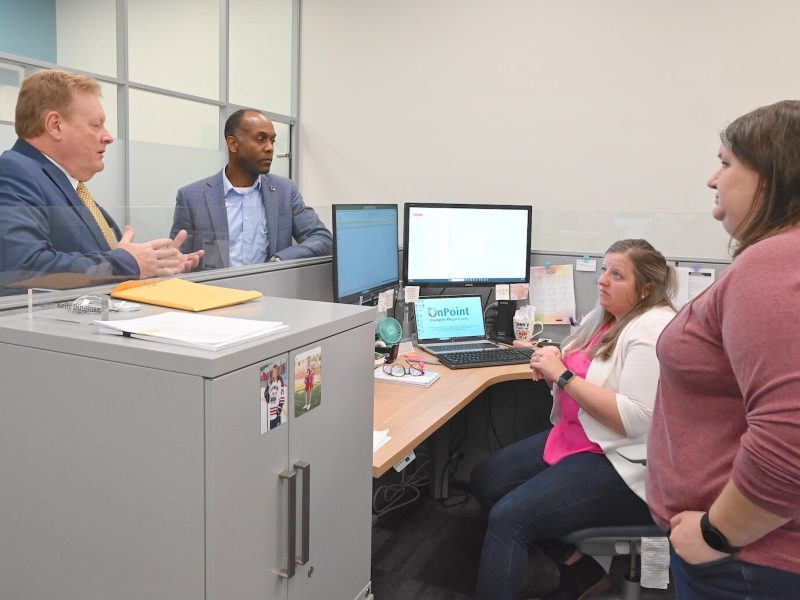
Michigan’s community mental health agencies need more psychiatrists, psychologists, and master’s level social workers, but they also need bachelor’s level social workers, administrative staff, peer support specialists, accountants, and direct care workers — roles that require no college degree or degrees in areas not relating directly to mental health.

Michigan has long faced a critical shortage of mental health professionals, impacting access to vital care for communities across the state. To address this growing challenge, the Michigan Department of Health and Human Services (MDHHS) launched the Behavioral Health Now Loan Repayment Program, a strategic initiative aimed at attracting and retaining mental health professionals by alleviating the financial burden of student loans.

Federal dollars, state initiatives, community partnerships, and a normalization of seeking and receiving behavioral health care have positioned Michigan’s community mental health agencies to do even more good work in 2025.
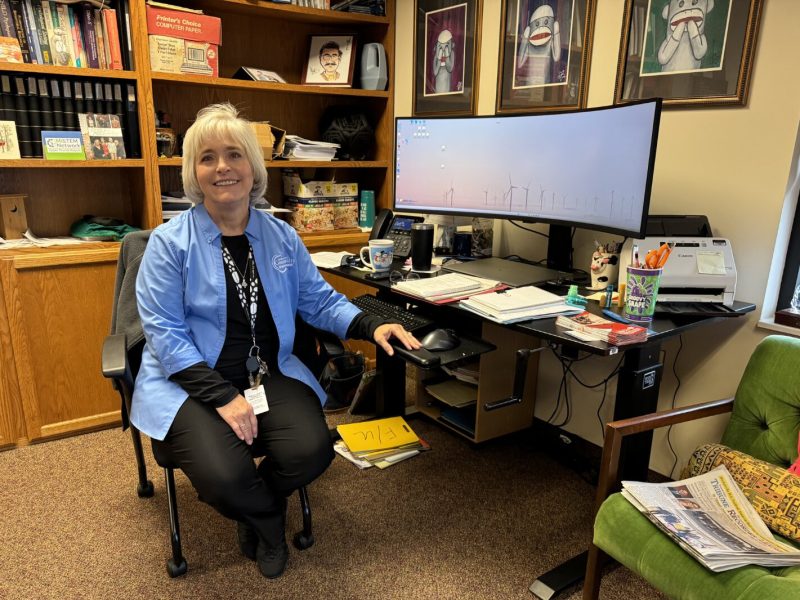
Here's how three Michigan community mental health agencies serving rural populations have found ways to meet their unique needs by developing innovative programs and effective outreach.
Our Partners


