
What computer games can teach us about urban planning
In what may be one of our favorite articles about urban planning, The Atlantic writer Daniel Hertz looks at what computer games say about American attitudes about urban planning.
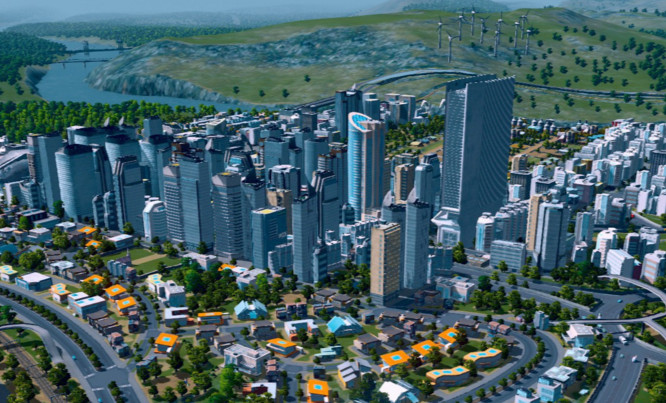
In what may be one of our favorite articles about urban planning, The Atlantic writer Daniel Hertz looks at what computer games say about American attitudes about urban planning.
Excerpt:
“While all games that simulate real life are of course drastically simplified, the way that they’re simplified often speaks to the actual worldview of the people who design and play them. With that in mind, here are some notes on the assumptions that undergird urban-planning video games such as SimCity and CS:
You must zone—and use single-use zoning. With the exception of some Sunbelt cities, nearly every urban core in America took shape in an era before zoning. Brownstone Brooklyn, Wicker Park in Chicago, Cooper-Young in Memphis, and any number of pre-WWII neighborhoods across the country—not to mention iconic cities in other parts of the world—could only have been built without modern American zoning, with its density limits, parking requirements, and separation of shops and homes. But in CS, no one can build anything on a plot of land until a player has given it a zone: Residential, Commercial, Industrial, or Office, and specified high- or low-density. It’s striking that zoning is so baked into our assumptions about how urban development works that leaving something unzoned is just not possible—let alone creating mixed-use zoning, form-based zoning, or other kinds of development regulations like those used in Europe.”
Read the rest here. Really, read it!
Related Articles

10 pianists to perform all 20 of Philip Glass’ piano études in Ann Arbor show
A single evening will bring together 10 pianists, 20 short compositions, and a wide spectrum of musical voices.

Independent Film Festival Ypsilanti returns with first guest filmmaker and new programs
The Independent Film Festival Ypsilanti will return on April 16-18 with a mix of new programming, expanded community partnerships, and a continued emphasis on grassroots filmmaking.
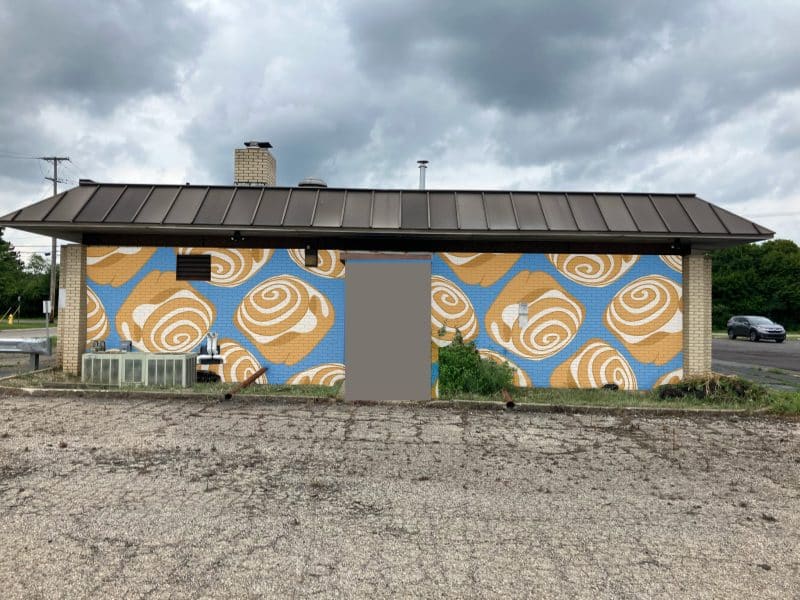
Residents plan mural for Ypsi Township bakery
Residents of Ypsilanti Township’s Gault Village neighborhood plan to show love for locally-owned B-Cubed Bakery by painting a mural on the bakery building.


