
Washtenaw County mental health millage’s 2024 investments detailed in impact report
The 2024 impact report for Washtenaw County’s Public Safety and Mental Health Preservation Millage shows a variety of positive outcomes from over $7.5 million in millage-funded investments last year.
This article is part of a series about mental health in Washtenaw County. It is made possible with funding from Washtenaw County’s Public Safety and Mental Health Preservation Millage.
The 2024 impact report for Washtenaw County’s Public Safety and Mental Health Preservation Millage shows a variety of positive outcomes from over $7.5 million in millage-funded investments last year. The millage was first approved by county voters in 2017 and renewed in 2024.
The report highlights impacts in five key categories: behavioral health service expansion, youth support services, supportive housing, behavioral health prevention and education, and criminal justice reform and diversion. The greatest investment by far – $3.6 million, over half the millage dollars spent in 2024 – went toward behavioral health service expansion. Lisa Gentz, program administrator for millage initiatives at Washtenaw County Community Health (WCCMH), says this category includes what she considers the most important metric of the millage’s success. She notes that the county’s CARES team, which operates a 24/7 crisis line, has more than doubled the number of clients it serves since millage funds began to flow. In 2018, before millage funds kicked in, the team served 2,344 clients; in 2024, it served 5,436.
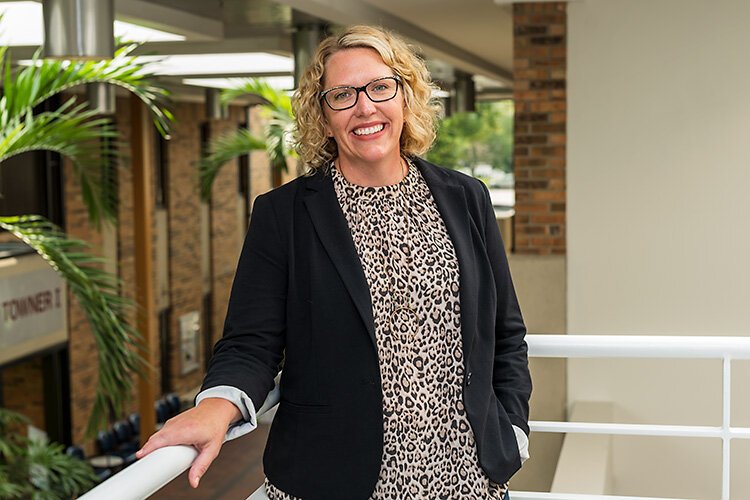
“What’s difficult to say is this: is it a direct correlation [to millage spending]?” Gentz says. “Is it something else? Is it a multitude of factors? It’s probably all of the above. But what is encouraging to me is that, through a whole host of efforts – some from the millage, some from other things – we are seeing that needle move in a positive direction, which gives me a phenomenal amount of hope.”
In 2024 the second-largest share of millage dollars – over $1.3 million – went to youth support services. Those initiatives included efforts to interrupt the school-to-prison pipeline, youth-driven mental health awareness campaigns, and a new student mental health team convened by the Washtenaw Intermediate School District. Among the many youth initiatives funded by the millage, Gentz highlights the Miles Jeffrey Roberts Foundation as an exemplar of the millage’s priorities. The organization, which advocates for youth mental health and suicide prevention, was founded by the family of a Skyline High School student who died by suicide at age 15 in 2017.
“It really fits into so much of the heart of the millage work that we’ve done from the beginning,” Gentz says.
Over $1.2 million in millage dollars went toward supportive housing initiatives in 2024. Funding recipient organizations in this category included Avalon Housing, Ozone House, Barrier Busters, Michigan Ability Partners, the Shelter Association of Washtenaw County, and the Ypsilanti Housing Commission. With millage funds, they offered emergency shelter, permanent supportive housing, mental health case management for residents, and other services. Gentz says housing and mental health are closely related.
“What we found was that, if someone’s housing became unstable, oftentimes their ability to meet their behavioral health needs also became dicey,” she says.
Over $849,000 in millage funds went toward criminal justice reform and diversion efforts. Those included a “co-response” pilot in Ypsilanti Township, in which a WCCMH social worker and a county sheriff’s deputy jointly respond to mental health calls; the county’s crisis negotiation team; and efforts to overhaul the youth justice system.
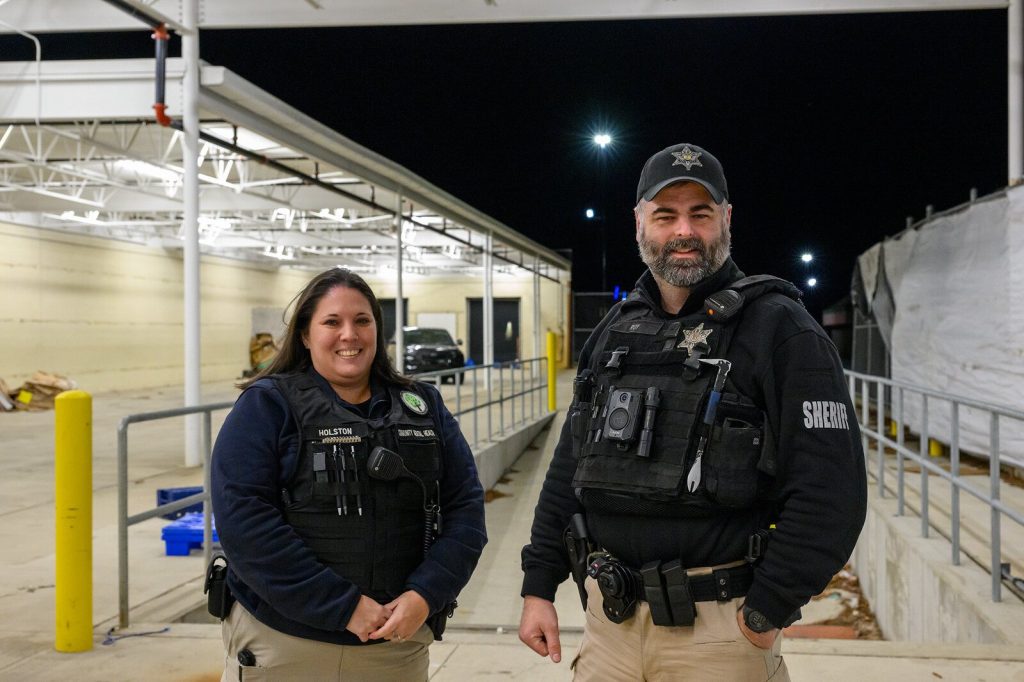
Gentz highlights the county’s Law Enforcement Assisted Diversion and Deflection (LEADD) program as a key example of these efforts. The program aims to connect low-level criminal offenders and at-risk individuals to case management and community services, prioritizing rehabilitation over punitive measures. Gentz says behavioral health conditions often lead to people becoming involved in the criminal justice system.
“Evidence-based strategies show us that if you can create off-ramps at each one of those intercepts, you can actually reduce the overrepresentation of individuals with behavioral health conditions finding their way into the criminal legal system,” she says.
Over $505,000 in millage funds went toward prevention and education efforts in 2024. Those included a revamp of the county’s #WishYouKnew youth mental health awareness campaign, expanded advocacy by the National Alliance on Mental Illness Washtenaw County, mental health initiatives in western Washtenaw County led by the 5 Healthy Towns Foundation, and mental health first aid training.
Even with a freshly renewed millage, Gentz says there’s still a staggering amount of work to be done. With the federal government cutting food assistance and health care spending, and with health insurance premiums on the rise, she says “the need definitely overwhelms” the available funding.
“We’re trying to take that 3,000-foot view … to think creatively with our partners, to utilize and leverage millage funds, to be able to see ways that we can braid together funding with our other community partners, to try to address this ever-shifting landscape and our own community needs,” she says.
Authors


Related Articles
Ann Arbor Y opens low-cost Ypsi wellness center in former preschool collaborative
Ypsilanti’s YMCA preschool collaborative closed its doors in March, but the facility reopened in June as something else entirely — a neighborhood center offering affordable wellness and community programs.
Trinity Health and Michigan community groups will make fresh, local food a Medicaid benefit
A new Trinity Health initiative will allow people in the Ann Arbor, Detroit, and Grand Rapids areas to access fresh, affordable produce from local organizations through their Medicaid health plans.
Washtenaw County seeks organizations’ input on senior millage before dollars begin to flow
A new request for information, aimed at local organizations that serve seniors, is designed to help Washtenaw County shape its spending of millage funds.


