
Ypsi selected to join downtown revitalization program with emphasis on small manufacturers
Ypsilanti is one of six communities participating in Recast City’s Recast Leaders program, which is focused on strengthening local economies through small-scale manufacturing and product-based businesses.
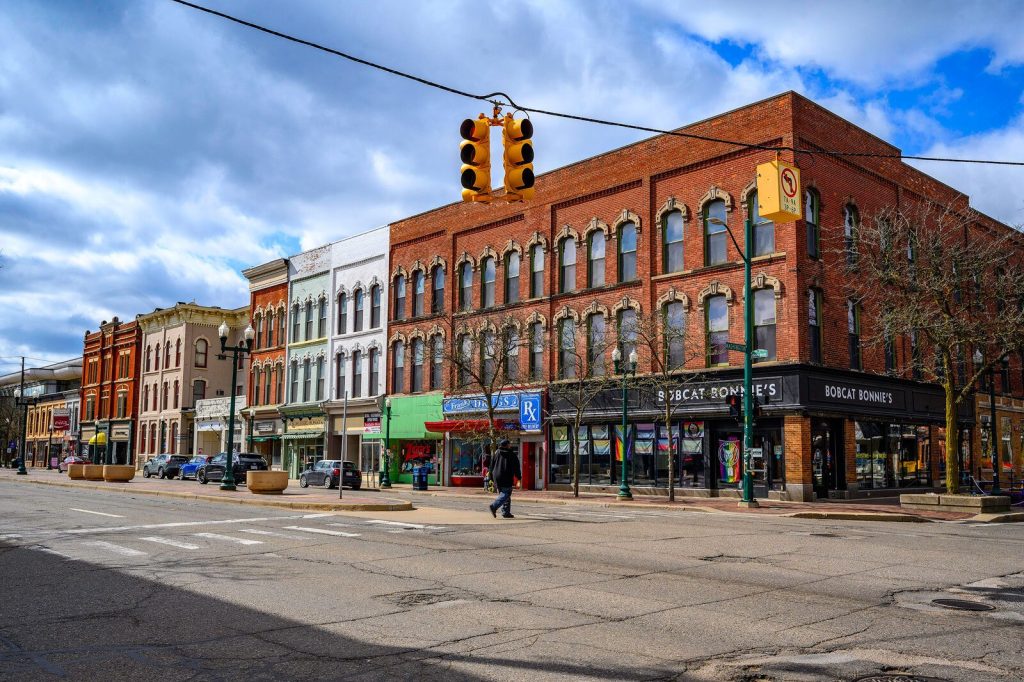
Ypsilanti has been selected as one of six Southeastern Michigan communities participating in Recast City’s Recast Leaders program, which is focused on strengthening local economies through small-scale manufacturing and product-based businesses.
The regional initiative beginning this month is led by Recast City, a firm located in the greater Washington, D.C. area, which focuses on revitalizing downtowns through small-scale manufacturing. Recast City is working on Recast Leaders in partnership with the Michigan Municipal League, with support from the Ralph C. Wilson, Jr. Foundation.
The 10-month program brings together community teams from Ypsilanti, Eastpointe, Gibraltar, Lathrup Village, Marysville, and Pinckney to build leadership capacity while simultaneously implementing real, near-term economic development projects. The goal is to not only develop plans to help improve the communities’ downtowns, but also to teach the skills necessary to put those plans into action, especially in downtown districts facing vacancies, disinvestment, or changing economic conditions.
“What we’re looking for first and foremost is a community that’s ready to do something,” says Ilana Preuss, founder and CEO of Recast City. “There’s a lot of history of plans that never go anywhere, and people are tired of that. Ypsilanti’s application showed a real appetite and urgency to act.”
Preuss explains that Recast Leaders is intentionally structured as both a training program and an implementation program. Rather than prescribing solutions, Recast City works with local teams to learn directly from the community – particularly business owners who are often left out of traditional economic development conversations.
“We focus on small-scale manufacturing because it’s a hidden part of the economy,” Preuss says. “These businesses make incredible use of storefronts, draw people out onto the street, sell online, and bring dollars into the community, but they’re often not at the table.”
During the selection process, Preuss says the Ypsilanti team stood out for its desire to be proactive in supporting businesses that are already scaling and keeping them rooted in the community.
“That spoke volumes to me,” she says. “They’re clearly ready to make things happen and champion implementation.”
A key early phase of the program involves community outreach, including interviews with small-scale manufacturers and product-based business owners. While those conversations inform longer-term strategies, Preuss says they also create immediate momentum.
“Most of these business owners have never had someone come into their space and ask what’s working and what’s difficult,” she says. “That act alone changes the conversation. It helps people feel seen, and it builds relationships that matter.”
Beyond individual projects, Preuss emphasizes the long-term value of expanding local networks. By intentionally engaging business owners, property owners, and trusted community “connectors” from different parts of Ypsilanti, the program helps break out of familiar circles and build broader, more inclusive relationships.
“That expanded network is an incredible long-term benefit for businesses, for community leaders, and for the local economy as a whole,” she says.
For Preuss, product-based businesses also play a critical role in long-term resilience.
“Economic resilience comes from uniqueness,” she says. “If a place is just like everywhere else, it’s easy to replace. Supporting local makers and manufacturers helps communities build something distinctive and rooted.”
More information about Recast City is available here. More information about the Recast Leaders program and the Southeastern Michigan cohort can be found here.
“I’m really excited to work with this community,” Preuss says. “This work allows places that don’t have flexible resources right now to build capacity and implement projects that can change their tax base and direction over time. That’s powerful.”
Author

Related Articles
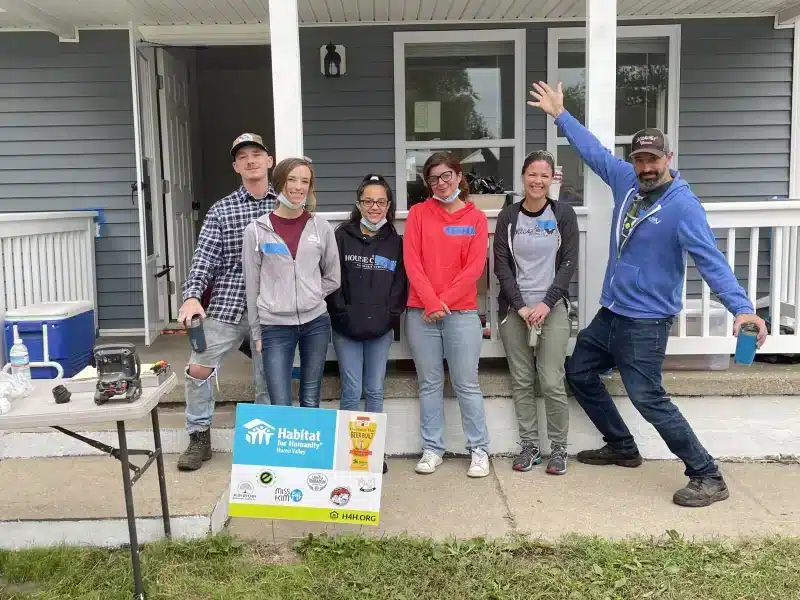
The “House That Beer Built”: Local watering holes raise money for Habitat for Humanity build
Habitat for Humanity of Huron Valley has collaborated with several Washtenaw County breweries and restaurants to fund the construction of a house for a local family through the 2026 House that Beer Built fundraiser.
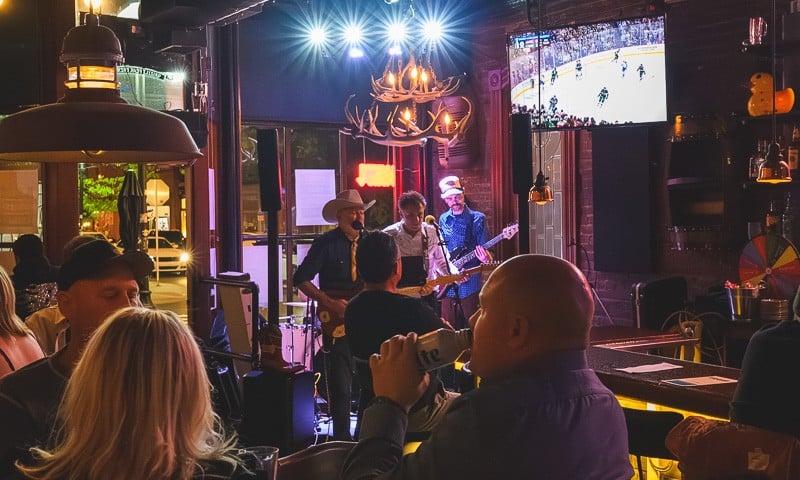
Has Ann Arbor nightlife bounced back from COVID?
Many downtown businesses took a long time to restore their pre-pandemic business hours, but this year has brought several new additions to Ann Arbor’s late-night scene.

Ann Arbor brewery wins prestigious World Beer Cup medal
The Ann Arbor brewery’s Panda hazy double IPA earned silver in the Juicy or Hazy Imperial India Pale Ale category, beating out over 127 other entries.


