
Ypsi senior services organizations face rising demand and federal funding cuts while awaiting new millage funds
Organizations that serve Ypsilanti-area seniors are experiencing uncertainty as they face federal funding cuts and await delayed funds from a recently approved Washtenaw County millage.

Organizations that serve Ypsilanti-area seniors are experiencing uncertainty as they face federal funding cuts and await delayed funds from a recently approved Washtenaw County millage.
With recent uncertainty surrounding the future of funding for federal programs like Medicaid and the Supplmental Nutrition Assistance Program, seniors in Ypsi and across the country are facing anxieties around access to basic needs. While local senior services organizations will be able to take advantage of dollars from Washtenaw County’s Older Persons Services Millage, passed last November, millage funding has been paused as the county works on establishing a new aging services office to disburse the funds.
In the meantime, organizations like Ypsilanti Meals on Wheels (YMOW) are preparing to meet rising demand for senior services while continuing to strengthen collaborations throughout the county.
“We can talk about a lot of basic needs, but getting healthy and nutritious food to people is critical,” says YMOW President Barbara Niess-May. “The millage funding is important and needed, but the sooner dollars can go back into the community, the sooner we can set up systems to combat what’s coming and what’s happening.”
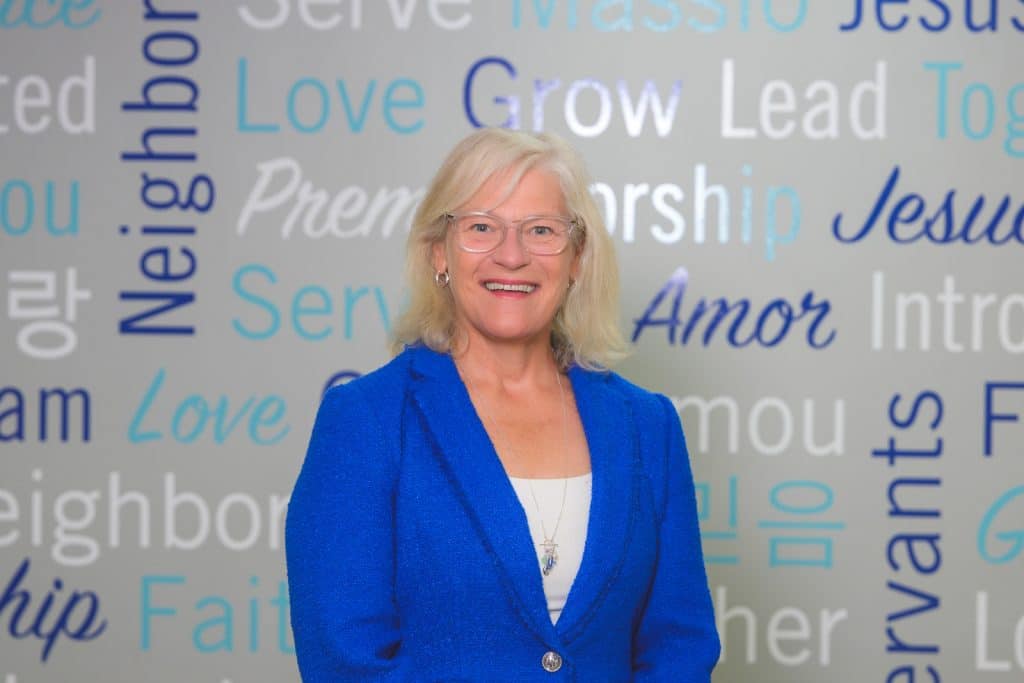
Niess-May says YMOW is anticipating an increase in need from senior community members, but its ability to meet those needs is dependent on how much funding YMOW receives for the remainder of the year.
“We’re lucky to have the millage, and we’re grateful to the voters who wanted to support seniors, but we might be staring down a delay and a loss of funding at the federal level,” Niess-May says. “We’re hopeful that if we don’t experience further funding losses, we’ll be able to use federal and millage dollars to meet growing needs in our community.”
YMOW’s food education efforts are also being impacted by an incoming lack of funding, according to Niess-May. She has been exploring a potential partnership with the Washtenaw County Health Department and its healthy eating initiatives. Existing partnerships with organizations like Food Gatherers, Ann Arbor Meals on Wheels, and The Farm at Trinity Health not only provide fresh produce boxes for YMOW clients, but other opportunities for food education as well. Although food is at the center of YMOW’s work, Niess-May notes that YMOW also offers programs to help improve life for seniors who live alone. These include the “Safe At Home” program, which educates seniors on common home hazards to help delay the need for going into nursing homes.
“We fill a really critical need for these seniors,” Niess-May says. “We deliver a meal and have a mid-day chat, but we have also intervened in severe medical situations. We provide other family members who aren’t dedicated caregivers with peace of mind. The impact is vast.”
Federal funding pauses and cuts have also had impacts on local emergency food providers like Food Gatherers, which receive much of the food they distribute from the U.S. Department of Agriculture (USDA) in addition to grocery store food rescue programs and community donations. By collaborating with groups like YMOW, they help close critical service gaps for older adults. Markell Lewis Miller, Food Gatherers’ director of community food programs, explains that a shift in funding focus at the USDA led to a significant loss of Food Gatherers’ food supply, even if Food Gatherers’ partners and community members didn’t feel that loss directly. Miller says potential further cuts would significantly impact Food Gatherers’ ability to support its network of partners.
“15% of our total food pounds were lost because of the USDA funding change, but our community didn’t notice that because we spent more to insulate and protect our partners,” Miller says. “It was a huge increase in costs for us, and we’re continuing to navigate this in the event we continue to receive less.”
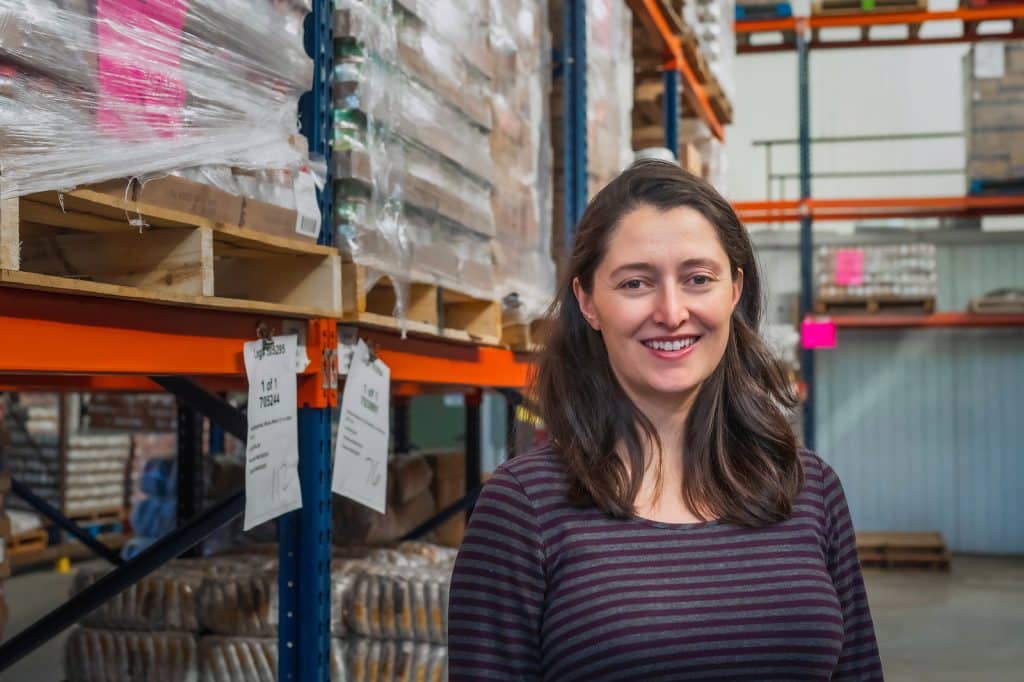
Additional challenges arise for especially vulnerable seniors, such as those experiencing homelessness or acting as a guardian to a child. Miller points out Food Gatherers’ partnerships with the Delonis Center and 22 schools throughout the county to address food gaps for these community members. She says further cuts to federal food assistance would cause a ripple of negative effects for all of those partner organizations.
“If someone goes through a life change and their budget is tight, they may not know about a local food resource or all that it has to offer, or think they may not qualify,” Miller says. “Having more people helping their neighbors know what resources are available or picking up things for them is something we always recommend to community members who want to help.”
Niess-May emphasizes that YMOW’s volunteers are also addressing the “extreme effects of social isolation” that many vulnerable seniors in the community are experiencing. She explains that many volunteers express that they “love knowing they’re part of these peoples’ lives,” and that the “solid relationships” they build with community members provide just as powerful an impact as the ingredients and meals they deliver.
While the Ypsilanti Senior Center building has been closed for repairs, staff have found ways to bring food-focused programs directly to seniors throughout the community. Activities have taken place at local community hubs, including the Ypsilanti Freighthouse and Parkridge Community Center, and senior center staff have made efforts to reach homebound seniors who can’t travel to those locations. These initiatives ensure that older adults continue to receive both nourishment and meaningful social interaction.
“One of the most important things we provide, beyond food, is social connection,” says Ypsilanti Senior Center Executive Director Monica Prince. “For many of our seniors, the meal is just the start. Social isolation is an epidemic right now, and for some people, sharing a meal at the center is their lifeline.”
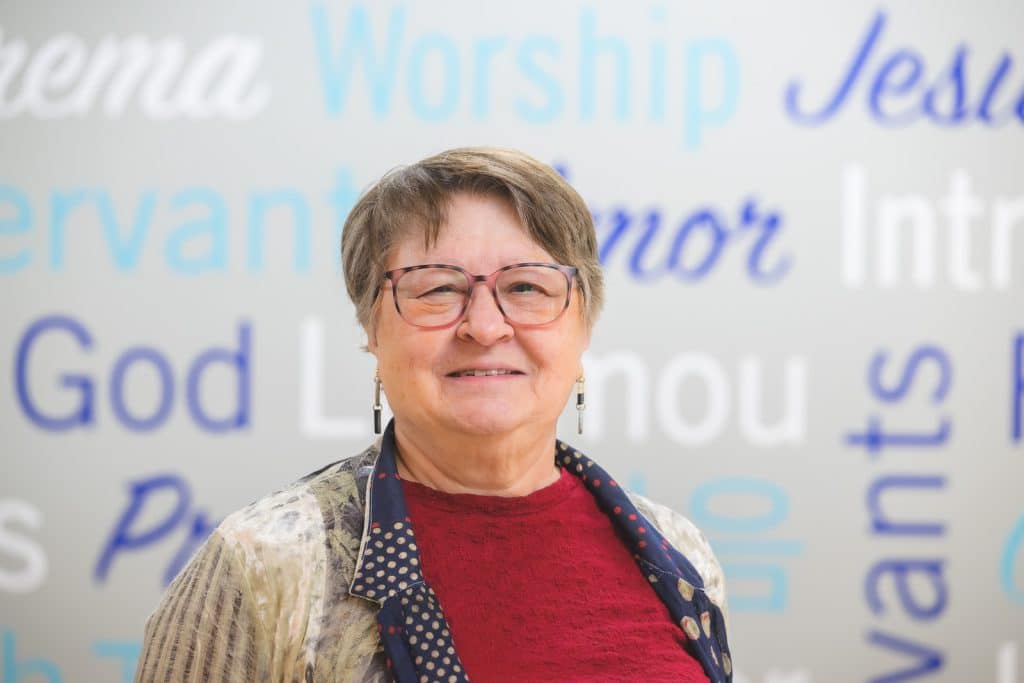
During the COVID-19 pandemic, the Ypsilanti Senior Center adapted its programs to meet the urgent needs of seniors, delivering frozen and pre-made meals directly to the community. This service allowed many older adults to maintain access to nutritious food even when they couldn’t leave their homes. However, Washtenaw County Senior Nutrition Program officials have since clarified that such delivery services are only authorized in emergency situations, limiting the center’s ability to continue these efforts during the center’s closure.
“In the past, we’ve been able to provide emergency food boxes – simple things like canned goods – so that seniors had something to take home in case they were snowed in or couldn’t get out,” Prince says. “For many people, that made all the difference.”
Prince explains that she and other center staff have explored potential collaborations with YMOW and other local organizations to bridge gaps in transportation and ensure that more older adults can participate in social and nutritional activities. One key focus has been finding ways to work with YMOW to connect homebound seniors to the center’s offerings.
“Ypsilanti Meals on Wheels does incredible work with homebound seniors, but transportation is still a huge hurdle,” Prince says. “We’ve talked about partnering on ways they could help bring people to the senior center for activities or meals, because for some, the only thing keeping them homebound is not having a way to get here.”

Despite the challenges of funding uncertainty and rising need among seniors, Ypsi’s senior services organizations continue to rely on volunteers, community partners, and local support to keep services and connections flowing.
“YMOW and the will of people wanting to do that right thing are stronger than this,” Niess-May says. “It’s going to be tough, but I think with community support that we’re up to it.”
Related Articles
“It’s okay to get help”: New program offers mental health support for Black men and boys in Ypsi and Ann Arbor
Packard Health’s new Healing Brothers United program will soon launch a variety of mental health services aimed at local Black men and boys.

Ypsi event to celebrate women and girls in sports with youth sports clinic, panels, and more
The event will feature an educational panel, a youth sports clinic, and the opportunity to cheer on the Eastern Michigan University Eagles at a basketball game, followed by post-game autographs and photos.
“It all feels miraculous”: New family shelter in Ypsi addresses growing need for emergency housing
Alpha House East offers 30 individual housing units where families can stabilize, regroup, and begin the process of moving toward permanent housing.


