
25 years of celebrating LGBTQ+ cinema: Ann Arbor Film Festival’s Out Night marks big anniversary
This year marks a major milestone for the Ann Arbor Film Festival’s annual showcase for queer cinema.
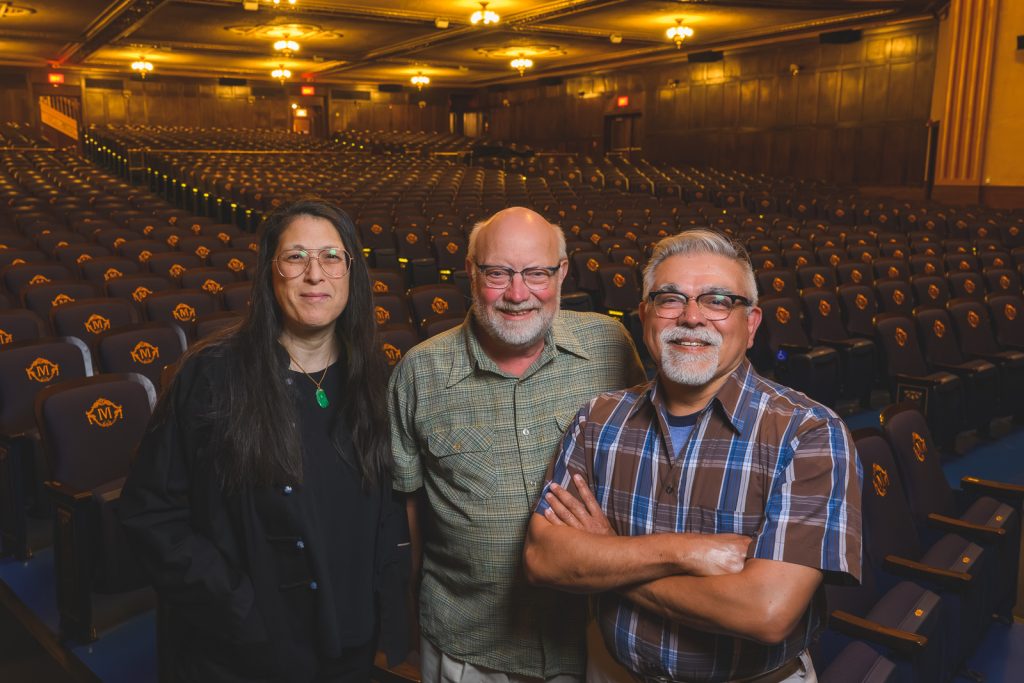
This year marks a major milestone not only for the Ann Arbor Film Festival (AAFF), now in its 64th year, but for Out Night, the festival’s annual showcase for queer cinema.
Out Night will celebrate its 25th anniversary with a variety of programming including a series of short films, feature films, and a pair of special programs, all with an LGBTQ+ focus. March 26 will bring the annual Out Night screening of films in competition at the Michigan Theater, 603 E. Liberty St. in Ann Arbor. The festival will also present a special screening commemorating Out Night’s anniversary on March 29 at the Michigan Theater. And several other LGBTQ+-themed films will screen throughout the festival.
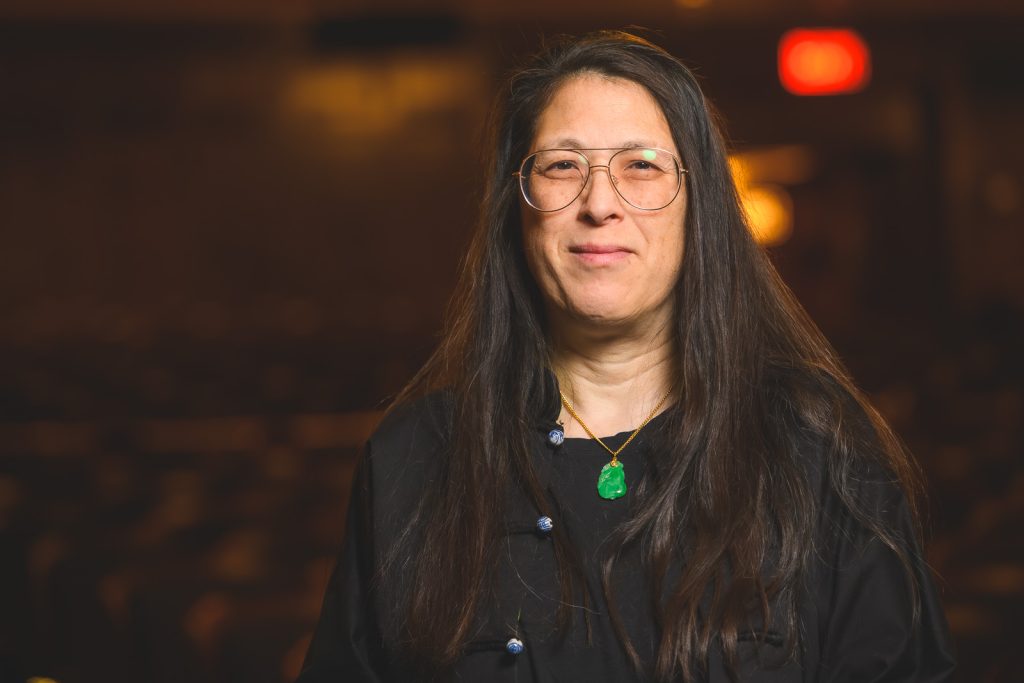
“It feels more important than ever that we double down on our support for the LGBTQ+ community,” says Leslie Raymond, executive director of the AAFF.
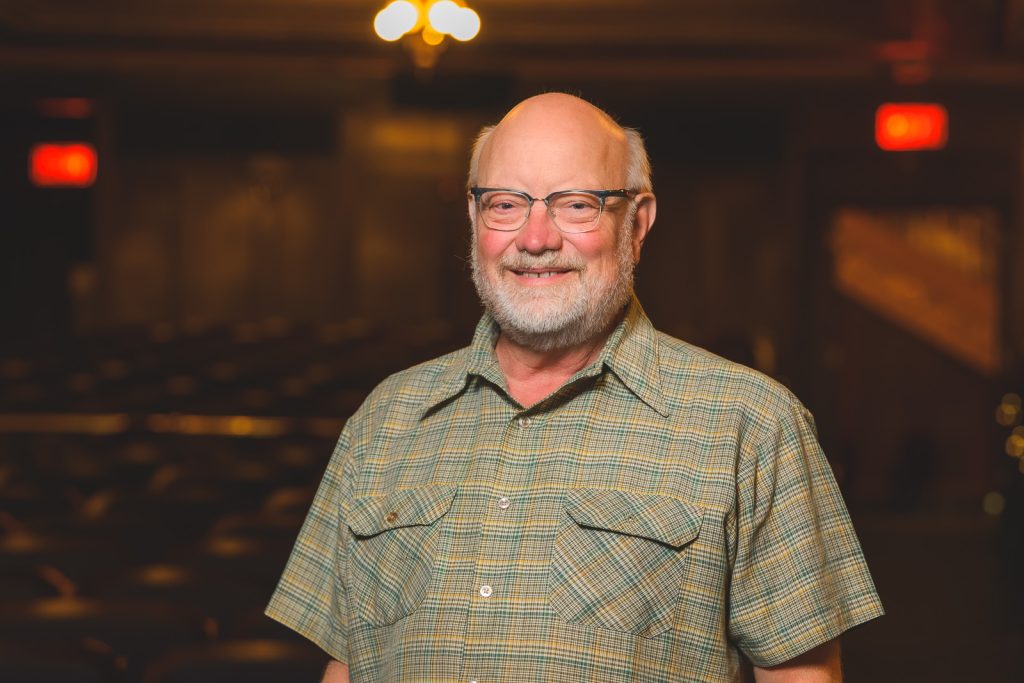
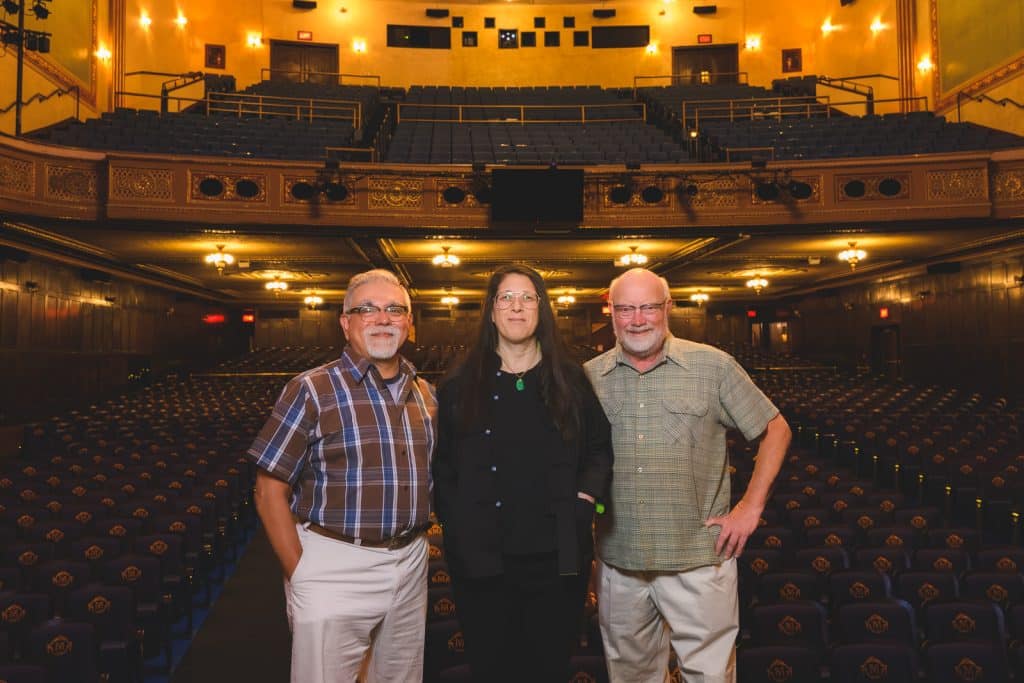
This sentiment is echoed by Keith Orr and Martin Contreras, former owners of Ann Arbor’s Aut Bar (long the town’s only queer bar) and prominent local advocates for the LGBTQ+ community. Orr and Contreras have partnered with the AAFF since Out Night was first launched (it was originally called Girls Out Night). Originally, the pair helped sponsor the event itself.
“That long arc of progress is not a straight line,” Orr says. It’s crucial, he adds, “that we continue to recognize the importance of the queer community, both in terms of our human rights but also in terms of our culture.”
The AAFF is known for its emphasis on experimental film, or “work that is clearly outside of that commercial realm,” according to Raymond.
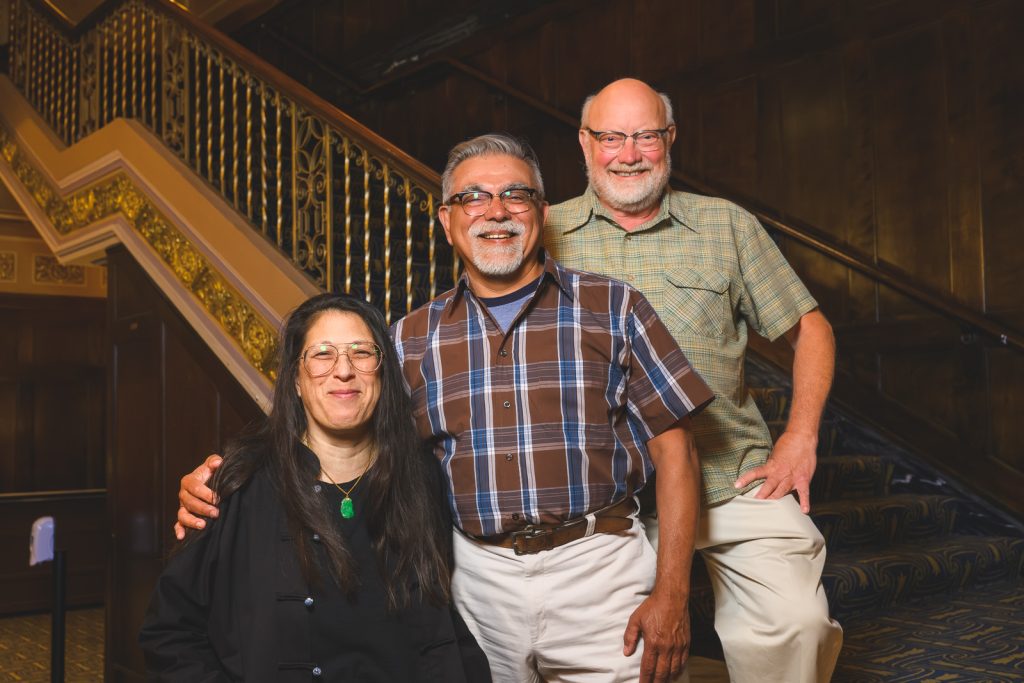
“When you separate art from commercial art, there’s a lot of freedom there,” Raymond says.
Referring to Out Night, she adds, “Against the backdrop of the current regime … it’s clearer to me than ever that this is an important little piece of real estate we are trying to hold open for voices that want to say something different than the regular social mouthpiece — or whatever we want to call it.”
Over the years, Out Night’s afterparty has become just as beloved an institution as the screening itself. Orr and Contreras became known for hosting each year’s Out Night afterparty at the Aut Bar — “epic parties,” Orr says, attended by filmmakers and artists, community members and civilians, queer and straight alike.
“We tried to create a memorable event, an atmosphere that was both acknowledging the experimental nature of the festival and get[ting] people to loosen up,” Orr says.
The evening often began with a bit of entertainment — a drag queen or musician would perform, for example — and Contreras would arrange what Orr describes as an “incredible spread” of hors d’oeuvres. Sometimes they screened films on monitors hung throughout the space. Once, Orr says, they “had a DJ playing music while an artist painted a large canvas to the beats of the music.”
More than anything else, Contreras says they curated an atmosphere “conducive” for all to “talk and visit and have a drink and sit by the fire.” (The fire was not just metaphorical; Aut Bar staff lit fire pits in Braun Court).
Orr says they had rich conversations with filmmakers from all over the world, some of which would continue from year to year, since artists frequently returned both to the AAFF and the Aut Bar afterparty.
Once, says Orr, he overheard a filmmaker saying, “Man, the Aut Bar parties are the best. Every year, the next day, everybody smells of alcohol, smoke, and sex.”
“Mission accomplished,” says Orr.
Their goal was to create something more than simply an atmosphere in which “we’re coming in and we’re watching some queer films,” Orr says.
Contreras says he always had in mind a ’60s-style “happening or a scene”: an all-encompassing collective experience “that touches all the senses.”
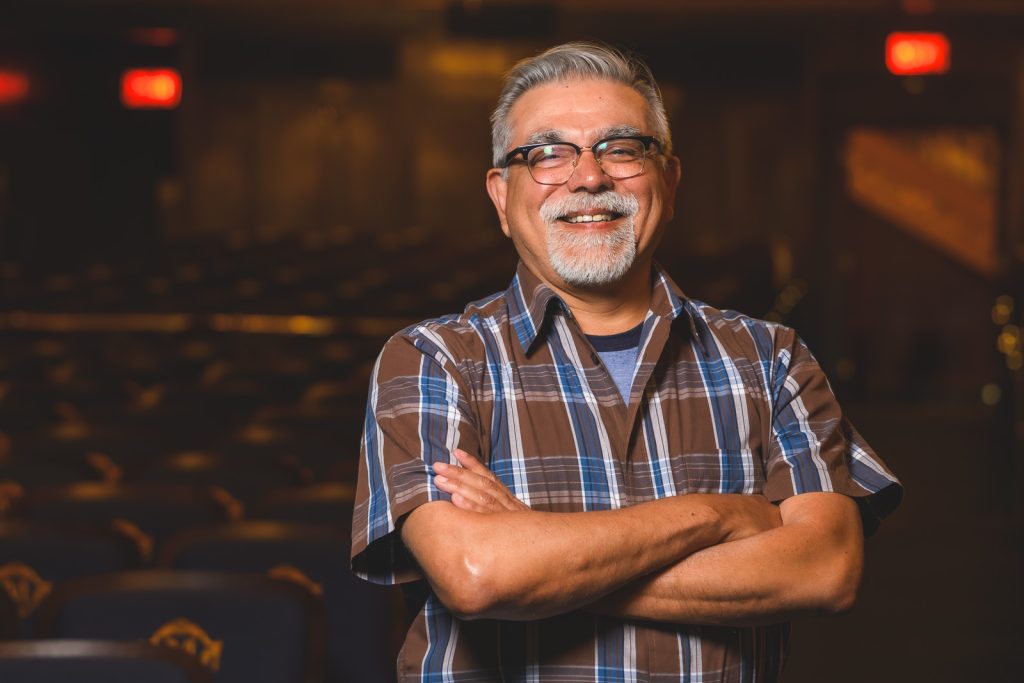
Contreras says he and Orr both noticed “how profoundly appreciative the queer filmmakers have been to be able to showcase their film [and to] find an audience — one that can relate to them and one that can interact with and discuss some of the thematic aspects of their film.”
“When you’re pushing an envelope, it can be a little lonely sometimes,” says Orr.
As Orr and Contreras’ partnership with AAFF evolved, the pair began underwriting an award for best LGBTQ+ film. As the couple began to approach retirement, Orr says, “we realized we should figure out a way to make this award in perpetuity.”
In 2020, the $500 award, now called the Martin Contreras and Keith Orr \aut\ Film Award, achieved full endowment.
“We want to leave behind a legacy of our involvement with [the LGBTQ+] community,” Contreras says.
“It’s a very unique award,” Orr adds.
While any number of queer film festivals are held across the U.S. every year, he adds, there hasn’t been any form of recognition for experimental queer film in particular — until now, that is.
Meanwhile, work by LGBTQ+ filmmakers is “more robust than ever,” says Raymond: “stronger than I’ve ever seen it.”
This year’s programming
Orr remembers a conversation he had “many years ago” with the director of a play, who said, nodding her head, “Yeah — stories. It’s how we learn.”
At the AAFF, says Contreras, “these experimental films by queer filmmakers tell stories from our perspective — and it’s not through the eyes of a straight individual who may be witnessing some of this but doesn’t really know what it feels like to experience these events.”
Orr puts it this way: “The story is going to be more true and more authentic — and probably more valuable — when it’s coming from within the community.”
This year’s Out Night officially starts at 9 p.m. on March 26 in the Michigan Theater’s Main Auditorium, with Films in Competition 5, a sequence of short films with an LGBTQ+ focus. Although Aut Bar is no more, the tradition of Out Night afterparties has continued. This year’s will take place at Uplift, 210 S. First St., Suite 100N, in Ann Arbor, starting at 10:30 p.m. March 26.
There’s plenty of other queer programming sprinkled throughout the festival, too. At 7 p.m. on March 26, the feature film “Barbara Forever” will be shown in the Michigan Theater’s Screening Room. The documentary, which was directed by Brydie O’Connor and originally premiered at the Sundance Film Festival, is about the life, work, and impact of renowned filmmaker Barbara Hammer, one of the first filmmakers to depict lesbian life in film.
Growing up, Hammer “did not see representation of people like her [in film], so she wanted to make films that showed lesbians and normalized [their lives and desires],” says Raymond.
(Hammer’s own films have been shown at past AAFFs, and the festival now has a fully endowed award in her name. Prior to her death in 2019, Hammer herself attended the festival as a guest.)
A second feature film, “Adam’s Apple,” will screen at 5 p.m. on March 28 in the Michigan Theater’s Main Auditorium.
The film, made by director Amy Jenkins in collaboration with her transgender son, Adam, traces Adam’s transition as a teenager.
Raymond calls the film “a great, intimate look” at a particular “family journey.” It’s also, Raymond adds, “such an important topic, especially in this day and age.”
Then there’s the special programming. Raymond says she’s especially excited for audiences to see “The Scene of the Crime: The Films and Videos of Ken Camp and James Robert Baker.” The film is a restoration of work by two filmmakers who played a significant role in LA’s “queer experimental underground of the 1970s and 1980s,” according to an essay by curator Elizabeth Purchell, who Raymond says has been “bringing their work to light.” “Scene of the Crime” plays at 5 p.m. on March 27 in the Michigan Theater’s Screening Room.
The 25th Out Night Anniversary show, which Raymond describes as a kind of compilation of work that has been shown at Out Nights of the past (some of which has won awards), starts at 2:30 p.m. on March 29 in the Michigan Theater’s Main Auditorium. (Barbara Hammer fans and those who enjoy “Barbara Forever” might like to check out an early 1990s Hammer film, “Sanctus,” which will be included in this program.)
And while William David Caballero’s “TheyDream” isn’t “explicitly focused on LGBTQ+ issues,” in Raymond’s words, the film does trace one character’s coming out as bisexual to his father. It will screen at 7:30 p.m. on March 25 in the Michigan Theater’s Main Auditorium. The animated feature film recently premiered at Sundance, where it won the NEXT Special Jury Award for Creative Expression.
“The level of craft is incredible,” Raymond says. “Seeing it on the big screen in the Main [Auditorium] is going to be quite stunning.”
The complete AAFF schedule is available here. Festival passes are available here.
Author

Related Articles
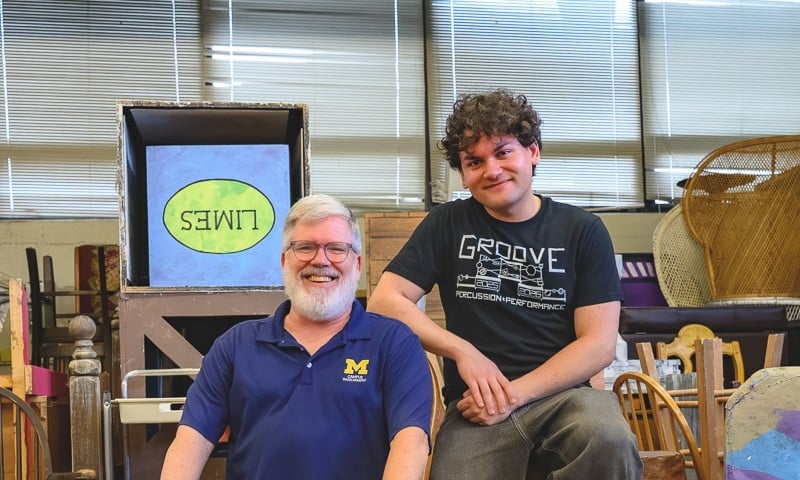
From building a train to hosting an alpaca, this U-M facility serves student performers’ needs
For about 50 years, the University of Michigan’s Student Theatre Arts Complex has been quietly providing crucial pre-production support to student-run theater and other performance groups.
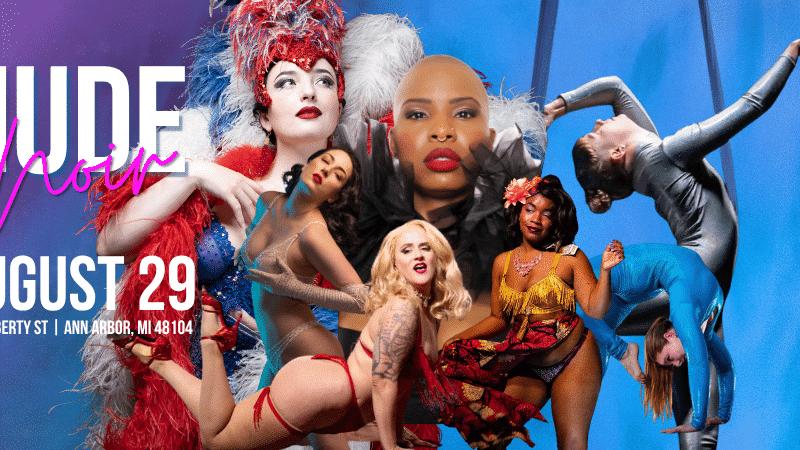
Nude Noir brings “celebration of the human form” to Ann Arbor’s Michigan Theater
Nude Noir attendees are invited to roam the Michigan Theater as performances — from burlesque and drag to aerialists and contortionists — unfold around them.
UMS to bring jazz, puppets, square dancing, and more to latest Ypsi residency
The University Musical Society (UMS) will return to Ypsilanti’s historic Freighthouse this fall for a nearly three-week residency.


