
“Ann Arbor” film will explore director’s complex relationship with the city he grew up in
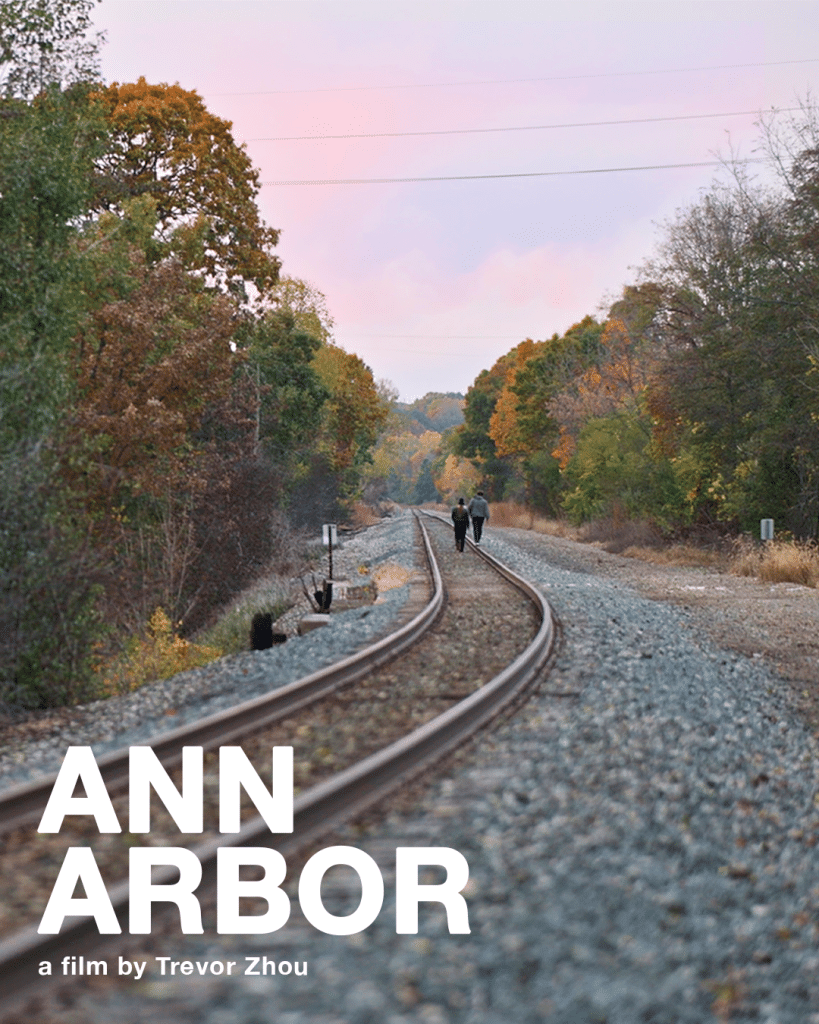
Trevor Zhou’s debut feature “Ann Arbor,” which begins shooting this spring, is rooted in memory, identity, and the question of who one might have been if life had taken a different path.
This story is part of a series about arts and culture in Washtenaw County. It is made possible by the Ann Arbor Art Center, Destination Ann Arbor, Larry and Lucie Nisson, the University of Michigan Arts Initiative, and the University Musical Society.
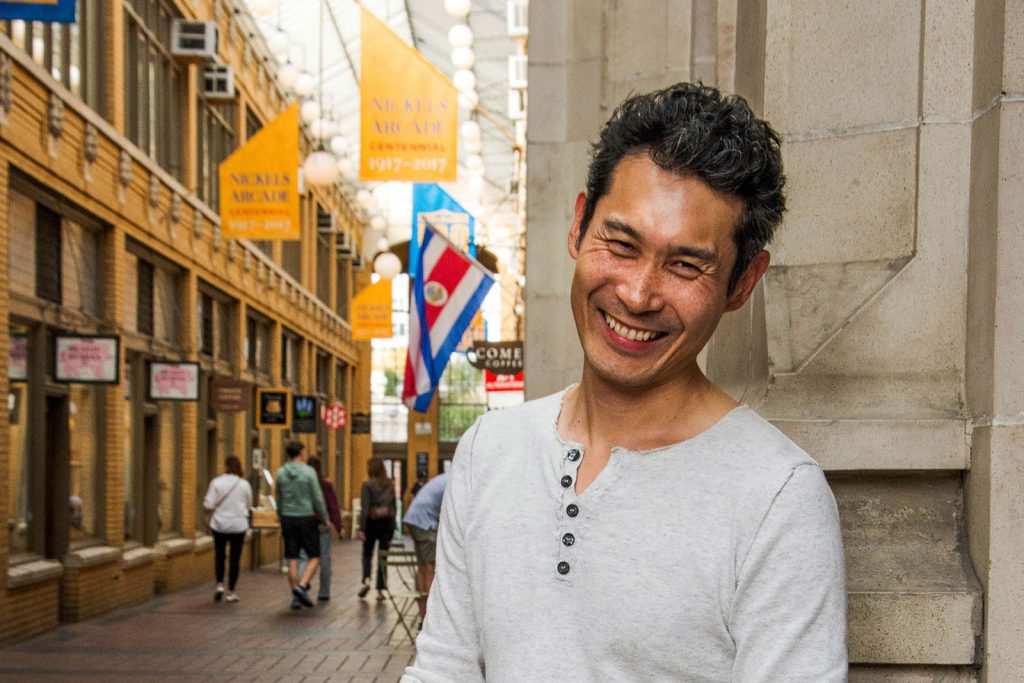
California-based film director and former Ann Arbor resident Trevor Zhou has spent years trying to capture something many Ann Arbor residents feel but rarely articulate: the quiet, complicated pull of home. His debut feature “Ann Arbor,” which begins shooting this spring, is rooted in memory, identity, and the question of who one might have been if life had taken a different path. Drawing heavily from his own experiences growing up in the city, Zhou’s film unfolds over the course of a single night, following two characters as they reconnect and reflect on the choices that shaped their lives.
The idea for the film emerged during the isolation of the COVID-19 pandemic, when Zhou found himself unable to return to Michigan. Separated from his family and the familiar rhythms of Ann Arbor, he began to reflect on what made the city feel like home.
“I couldn’t return home because everything was on lockdown,” Zhou says. “I wanted to see my parents. I missed Ann Arbor Brewing Company. I missed restaurants like Earthen Jar, Fleetwood Diner, Ashley’s.”
Those memories became the emotional backbone of the film. Zhou, who attended Pioneer High School and later the University of Michigan (U-M), says the city is inseparable from his personal history, from formative relationships to moments of growth and struggle. Zhou also drew from his own experience caring for an elderly family friend during the pandemic, an experience he describes as both meaningful and emotionally complex.
“As an immigrant, why did I see Ann Arbor as my home versus China?” he says. “I grew up in Ann Arbor, but there is something to the town that is incredibly meaningful to me. It wasn’t always the best experience, but it affected me in so many ways.”
The duality of belonging and uncertainty informs both the narrative and tone of the film. At its core, Zhou explains that “Ann Arbor” is about the connections made between people, as well as the connections between past and present. Zhou was particularly drawn to the idea of exploring those themes within a tight narrative structure, inspired in part by films that capture fleeting yet transformative encounters.
“I love the idea of everything taking place over the course of a single evening and how things can unfold,” he says. “You meet someone randomly, and before you know it, you’re talking and the birds start chirping. Those are magical moments.”
The film’s structure also allows for deeper philosophical reflection. During the pandemic, Zhou says he found himself questioning not just his own life choices, but the broader way people think about time, ambition and fulfillment. Zhou likens the story to a “what if” exploration – an idea he has been drawn to since childhood.
“I loved choose-your-own-adventure books,” he says. “I would go back and explore different paths. That idea of ‘what if’ has always stayed with me.”
While deeply personal, the film also aims to resonate more broadly, particularly in its portrayal of Asian-American identity and masculinity. Zhou says his experiences growing up without seeing himself represented on screen shaped his approach to storytelling.
“I never saw myself represented positively in the media,” he says. “I wanted to show a version of masculinity that is about being vulnerable and honest, not hypermasculine anger or violence. Showing your true emotions is real bravery.”
Both the film’s natural ties to the Ann Arbor community as well as Zhou’s experiences with loss and caretaking allowed him to connect the film to the city in a very personal way, and he says that his ultimate hope for the film is to deeply embed it in that community. His goal, once the film is complete, is to stage free screenings in Ann Arbor and other communities, with special attention paid to the local Asian-American, U-M alumni, and other family caregivers.
Bringing that vision to life has been a long, often challenging process. Zhou began developing the project roughly six years ago, revising the script dozens of times and gradually building a network of collaborators and supporters.
“Financing is a huge challenge,” he says. “You have to learn how to hear ‘no’ hundreds of times and keep going.”
Despite those hurdles, the project has gained momentum through community support, particularly from Ann Arbor businesses and organizations. Local partners have contributed to fundraising efforts, hosted events, and offered resources to help move the film forward. Zhou says that collaboration has reinforced his goal of making “Ann Arbor” more than just a film.
“I want this film to be a cultural object, something people can stand behind and revisit,” he says.
As production progressed, Zhou says his relationship with Ann Arbor has evolved as well. Returning to the city as an adult filmmaker allowed him to see it in a new light, separate from the anxieties he carried in his youth.
“I was creating a new relationship with the town as my 42-year-old self,” he says. “I can tie Ann Arbor to my authentic identity now.”
Ultimately, Zhou hopes audiences will come away from the film with a renewed appreciation for their own relationships not only with people, but also the places they call home.
“I want them to remember what it was like for them in high school and college, to value the time we have with one another,” he says.
For more information or to support the film, visit www.annarbormovie.com.
“There’s a beauty to being finite,” Zhou says. “We choose who we spend that time with, and I just want to make something meaningful that stays with people.”
Author
Related Articles
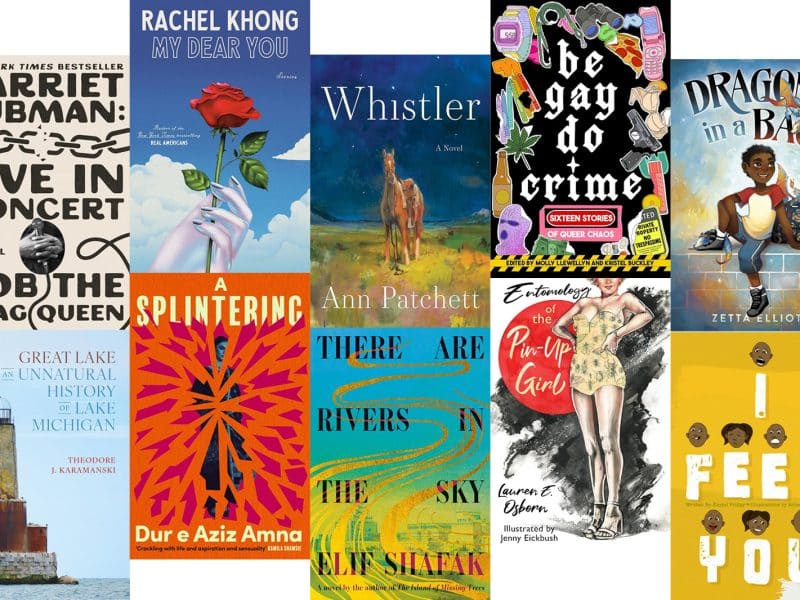
Washtenaw County summer reading: Local literary leaders share favorite recent books
We asked booksellers, publishers, librarians, and others in the Ann Arbor/Ypsilanti literary community for their personalized summer reading recommendations.
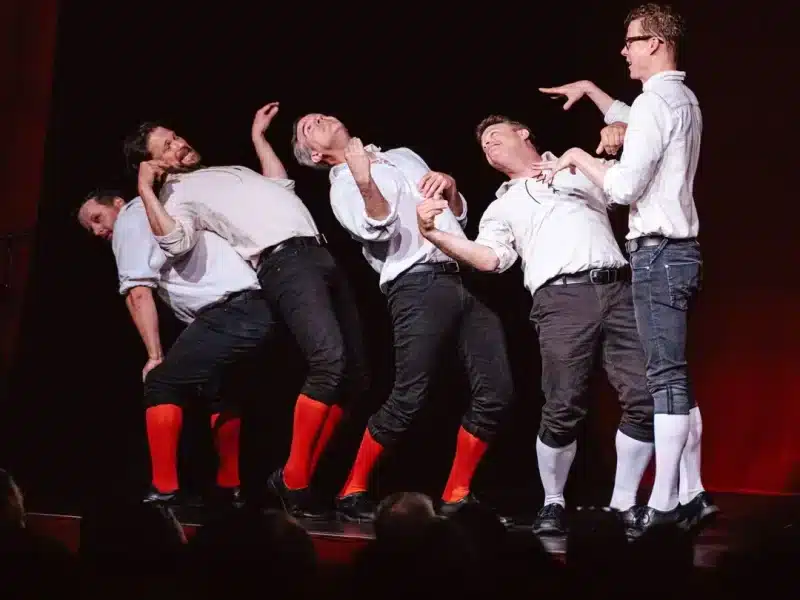
New improv festival will bring 50 comedy troupes to Ann Arbor
The Yes, Ann Improv Festival will debut in Ann Arbor June 24-27, bringing together more than 50 improv troupes from 12 states for four days of performances, workshops, special events, and afterparties.
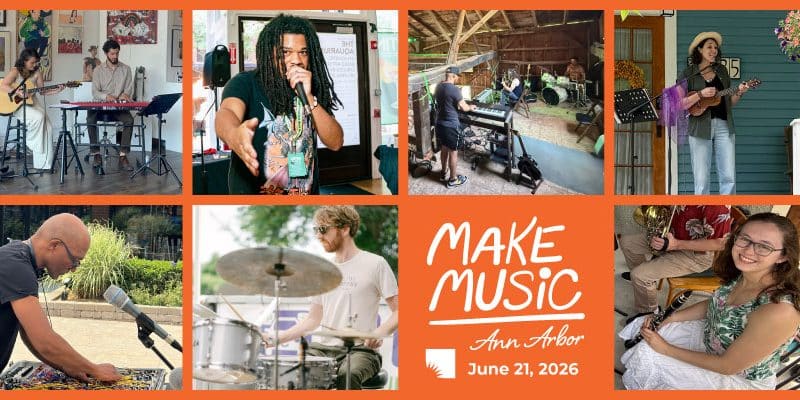
Make Music Day will bring a variety of music programs to Ann Arbor venues
Make Music Day, an international free celebration of music, will return to the Ann Arbor District Library and locations throughout Ann Arbor on June 21.


