
Q&A: New Creative Washtenaw director seeks to strengthen collaboration, data collection in arts community
We chatted with Creative Washtenaw Executive Director Chloe Crowther about her vision for her organization and Washtenaw County’s arts scene.
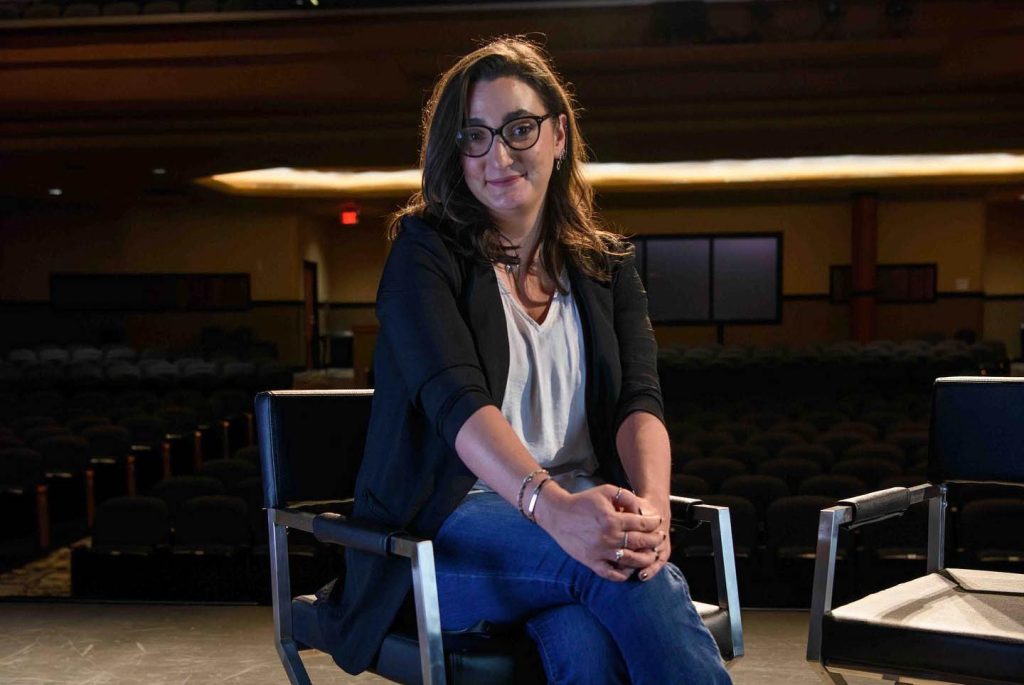
Chloe Crowther, who was named executive director of the nonprofit Creative Washtenaw in September, says her career in arts advocacy has been like being “struck by lightning.”
After earning a bachelor of fine arts degree in theater arts and drama management at Ohio University, the Ohio-born Crowther began a nine-year stint as associate director of the Marathon Center for the Performing Arts in Findlay, Ohio. In that role, she says she felt “completely aligned” with playing a supportive role in the “creative ecosystem.” At Creative Washtenaw, she joins an arts advocacy organization whose website describes it as “a professional association for artists or a chamber of commerce serving the artistic community and its patrons” in Washtenaw County.
Crowther’s appointment follows the retirement of Deb Polich, a founding member of the organization whose legacy, Crowther acknowledges, “is a tough act to follow.”
“She has done so much for the arts community, not just in Washtenaw County, but across the state and even nationally,” Crowther says.
Crowther recently hopped on the phone with Concentrate to discuss the current state of the arts in Washtenaw County and her vision for Creative Washtenaw, which she hopes will serve as “the connective tissue between [arts] organizations.”
“The core of our work has always been connection,” she says, “… connecting artists to resources, connecting businesses to artists they may want to employ for projects, and connecting everyone to the importance of [the] arts as an economic driver.”
Our conversation has been lightly edited for clarity and length.
Q: Are there any specific changes you’re planning to implement with regard to Creative Washtenaw itself?
A: Right now, my focus is on listening and learning. I didn’t want to hit the ground running and change a bunch of things — especially not before I figured out what was working well and what we should keep providing for our members. Our Member Directory had been offline for quite some time, so that is back up and serves as a resource for anyone trying to find a particular company or artist that has a specific discipline. We [also] launched our Opportunities Board, which is another avenue for connection. Anyone can post opportunities like calls for art, auditions, workshops, and things like that.
Q: What current strengths do you see in the county’s arts community?
A: There’s a high density of talent in Washtenaw County. There’s a steady pipeline of young creatives from our educational institutions — and audiences are engaged. People care deeply about arts and culture. Another strength is the diversity of not just the people making the art, but of the arts disciplines themselves: classical, contemporary, traditional, experimental, nonprofit, [and] commercial. There’s a lot going on among the different organizations and artists that are producing in this area.
Q: What kinds of weaknesses, challenges, or opportunities for growth do you see the arts community facing?
A: One of the areas where Creative Washtenaw can be a benefit to the creative community is to gather and share data and storytelling about the sector’s economic and social impact. Those data points can be really helpful, even for individual artists or organizations, when making the case for the importance of the arts and its effect on the rest of the community. So I think that’s definitely an area for growth for Creative Washtenaw. I would also like to see us providing professional development, both so that our creatives have the business skills to promote their businesses and the advocacy skills to make those cases.
Q: What can you tell me about your vision for Creative Washtenaw specifically, and for the arts community more generally?
A: For the arts community as a whole, I want to see a more connected ecosystem and help organizations share resources, audiences, and opportunities, and increase visibility and access to the work that’s already happening. My vision specifically for Creative Washtenaw is to improve our stability and clarity quite a lot, and really promote the services that we do provide well, so that our members know where to find them and how to use them properly. And I want to partner with, but not compete with, the existing organizations and networks that are doing this work — building up the connective tissue between artists and their audiences.
This story is part of a series about arts and culture in Washtenaw County. It is made possible by the Ann Arbor Art Center, Destination Ann Arbor, Larry and Lucie Nisson, the University of Michigan Arts Initiative, and the University Musical Society.
Author

Related Articles
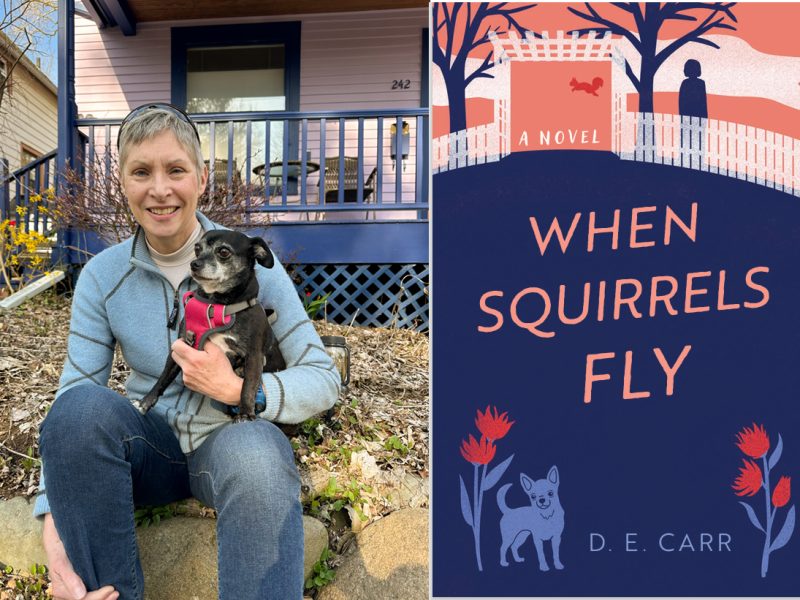
Ann Arbor writer’s debut novel is a cozy mystery with Tree Town setting
D.E. Carr’s debut novel, “When Squirrels Fly,” manages to combine cozy mystery tropes with quantum physics, migraine research, virtual reality, and the supernatural.
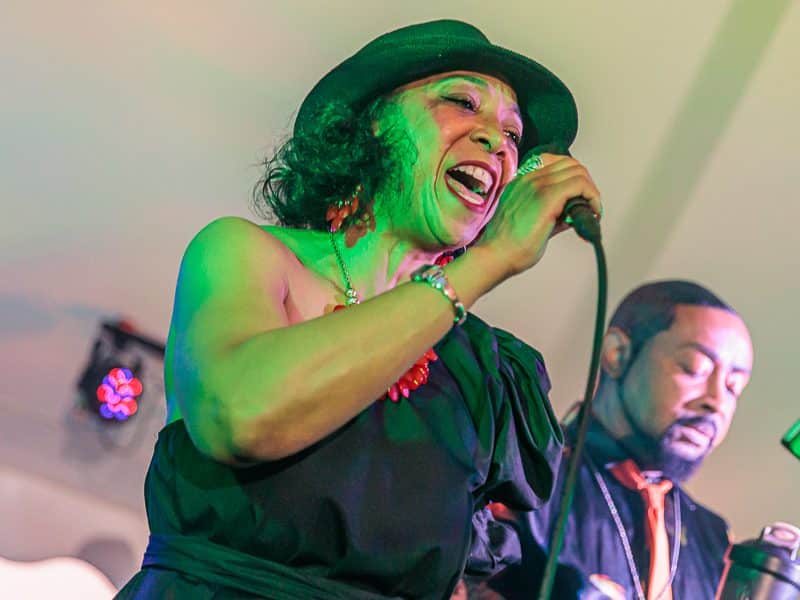
Chelsea’s Sounds & Sights Festival eliminates admission fees, introduces new attractions
The annual Sounds & Sights Festival returns July 24-25 with two days of free live entertainment, art, family activities, and community celebrations throughout downtown Chelsea.
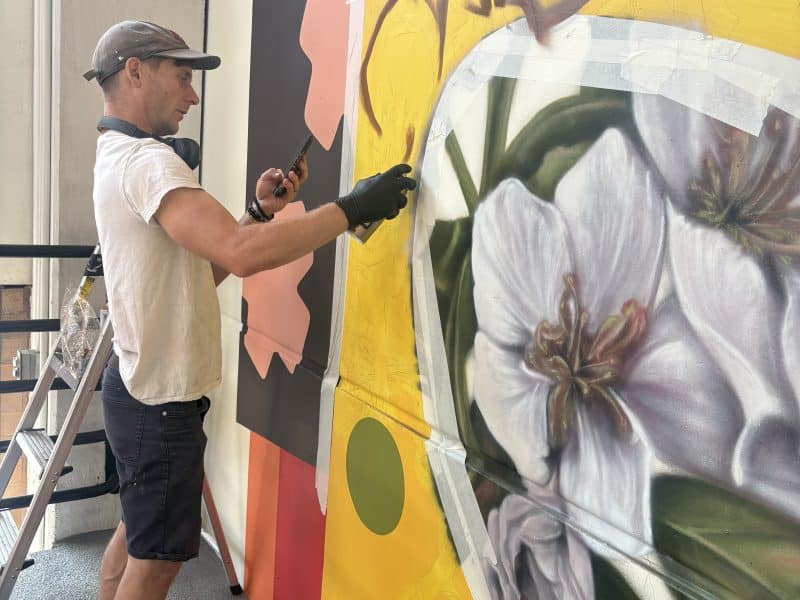
New Ann Arbor public art will guide visitors from parking to farmers market
A new public art installation in downtown Ann Arbor aims to guide pedestrians between the Ann Ashley parking structure and the Ann Arbor Farmers Market.


