
“So many kids want to do this”: Ann Arbor and Ypsi’s youth theater companies prioritize accessibility
The youth theater scene in Washtenaw County is a vibrant and collaborative network, offering young performers a range of opportunities.
This story is part of a series about arts and culture in Washtenaw County. It is made possible by the Ann Arbor Art Center, Destination Ann Arbor, Larry and Lucie Nisson, the University of Michigan Arts Initiative, and the University Musical Society.
The youth theater scene in Washtenaw County continues to expand as a vibrant and collaborative network, offering young performers a range of opportunities that reflect both artistic diversity and community need. Across Ann Arbor and Ypsilanti, organizations are not only teaching performance skills, but also helping young people build confidence, creativity, and a sense of belonging.
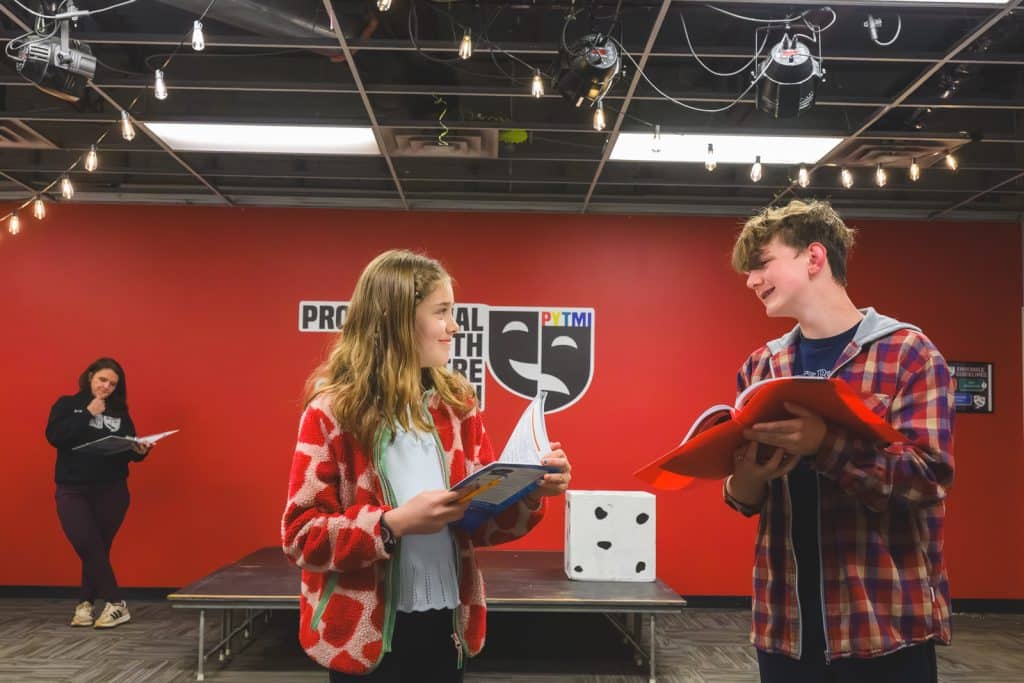
Among the county’s youth theater companies are Professional Youth Theatre of Michigan (PYTMI) in Ypsilanti and Spinning Dot Theatre in Ann Arbor, each with a distinct mission and approach to youth engagement.
Founded in 2014, Spinning Dot Theatre focuses on global storytelling and ensemble-based learning. The organization centers its work on international and nontraditional plays, giving students exposure to stories and perspectives that extend beyond the typical American theater canon. Participants work in small cohorts over the course of nine months, developing trust and collaboration while producing multiple performances.
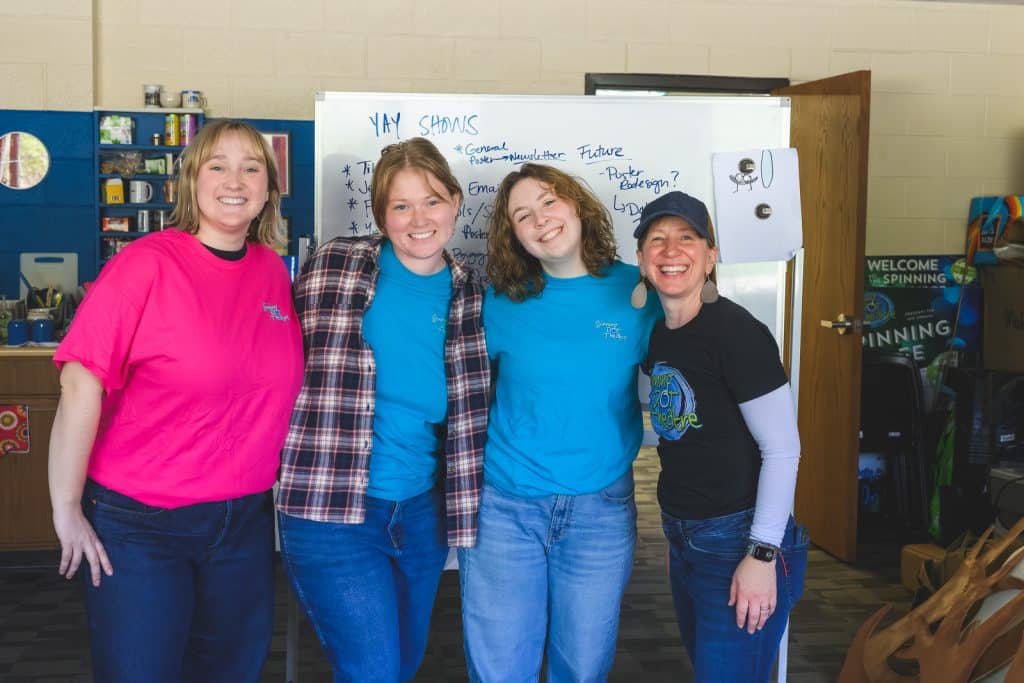
Students are encouraged to explore all aspects of theater-making, including acting, directing, playwriting, and technical design, which allows young artists to develop a wide range of skills while fostering a deeper understanding of the creative process. Spinning Dot’s website says the company “aims to create theater experiences that connect young audiences and families to global perspectives while nurturing curiosity and empathy.”
“We are a theatre for young audiences and their families that focuses on global and international theatre with the hope to make the world feel bigger and smaller at the same time,” Olivia Allen, Spinning Dot’s education director, explains via email. “This means that, usually, we’re working on and presenting work outside of the traditional American theatre canon, which young people don’t often get to see in the United States.”
That philosophy also extends to how the organization structures its programming. Rather than operating on a show-by-show basis, students remain in consistent ensembles, building relationships over time while rotating through different creative roles. Allen says this approach helps young performers discover new interests and better understand the collaborative nature of theater. The program’s long-term impact is reflected in its participants’ growth. Many students remain involved for years, evolving into artists who value collaboration and cultural awareness.
“We really see them grow into young people who understand our global community and their responsibility to it,” Allen says.
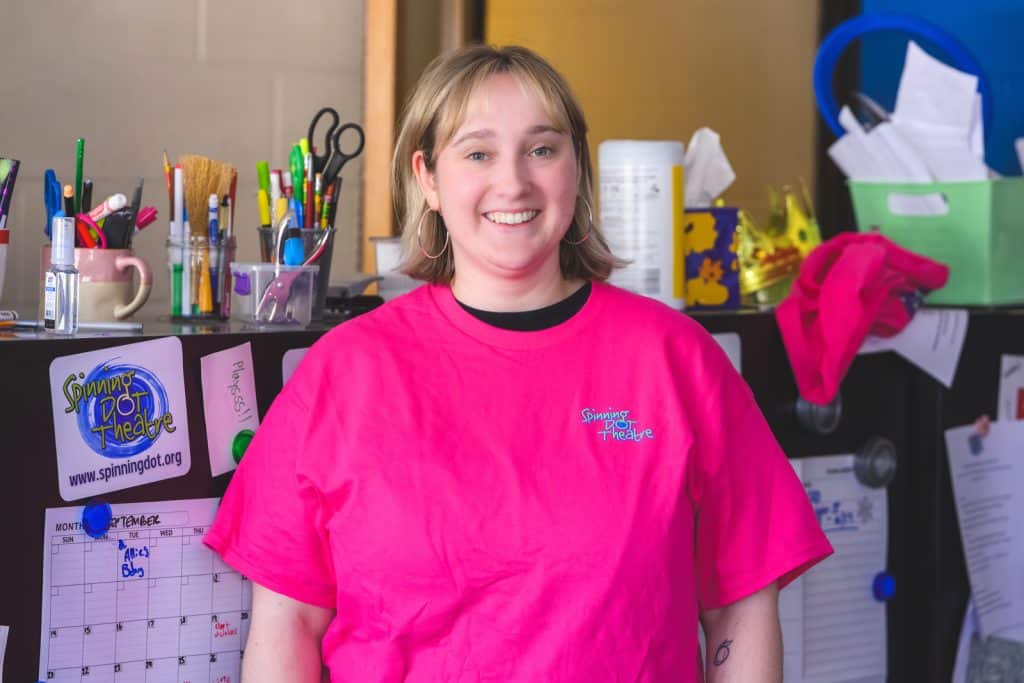
Spinning Dot also prioritizes accessibility through community-based performances. Its productions frequently take place in libraries, parks, and small venues throughout the Ypsilanti, Ann Arbor, and Saline areas, allowing families to engage with theater in familiar, local spaces. Allen notes that this approach helps the organization connect with audiences who may not otherwise seek out traditional theater settings.
In Ypsi, PYTMI emphasizes accessibility and inclusion as the foundation of its work. The organization was created to ensure that any child interested in theater has the opportunity to participate, regardless of experience or financial circumstances.
“We don’t cut anyone from our shows,” says Artistic Director Megan Wright-Jones. “If you come to me and you just want to do theater, I want you to do theater.”
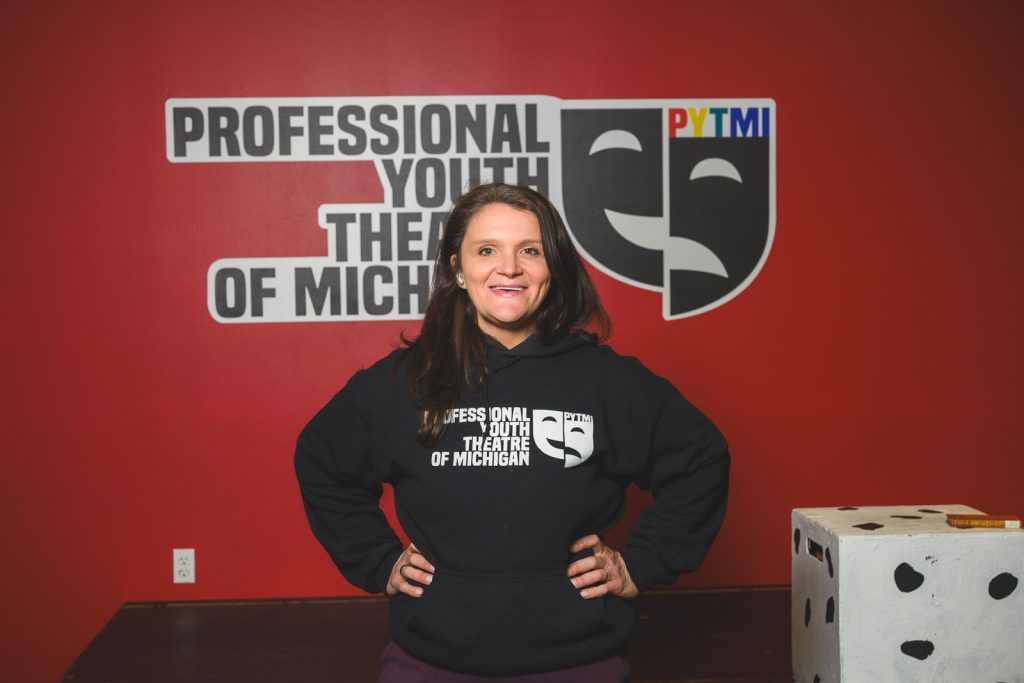
After adapting to virtual performances during the COVID-19 pandemic, PYTMI transitioned into a nonprofit with a permanent space, allowing for expanded programming that includes year-round productions, classes, and summer camps. The organization now produces a new show roughly every three months, creating consistent opportunities for students to stay involved.
According to PYTMI’s website, the organization is committed to providing professional-level theater education while maintaining an inclusive environment where students can learn, create, and perform. That commitment extends to leadership development, with teen participants taking on directing roles and mentoring younger students as part of a growing teen company.
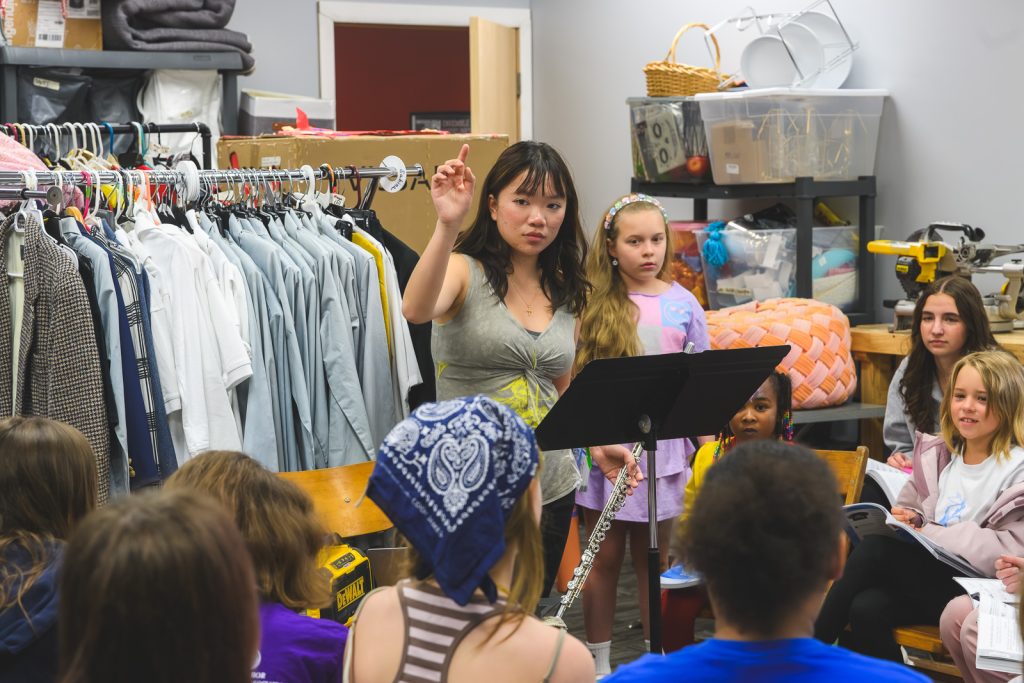
Wright-Jones explains that PYTMI’s impact goes beyond the stage. She frequently hears from parents about the confidence and communication skills students bring from their PYTMI experiences into their schools and everyday lives. In some cases, students who struggled socially or faced bullying elsewhere find a sense of belonging within the program.
“I want to teach them to be good humans and take their goodness out into the world,” Wright-Jones says.
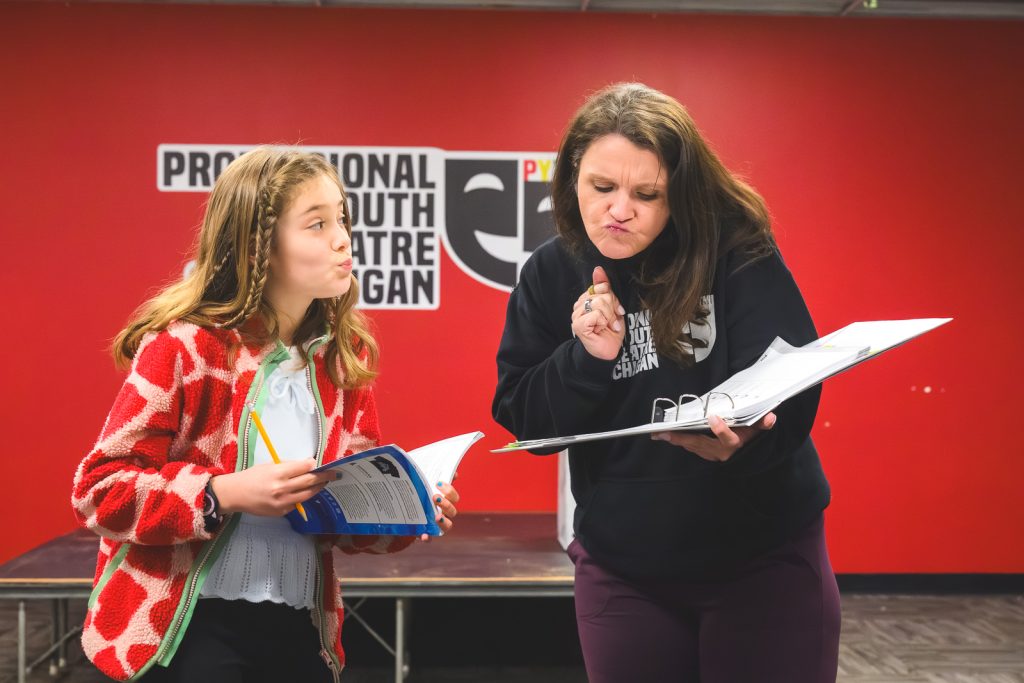
Both Wright-Jones and Allen agree that the youth theater ecosystem in Washtenaw County is defined by collaboration rather than competition. Organizations often communicate and support one another, sharing resources and encouraging students to explore different programs based on their interests.
Allen says she was struck by that sense of cooperation when she first arrived in the area, noting that companies regularly share opportunities and maintain open lines of communication. Each organization fills a different niche, whether it’s traditional musical theater, experimental performance, or globally focused work.
“There’s enough for everybody to go around,” Wright-Jones says. “So many kids want to do this.”
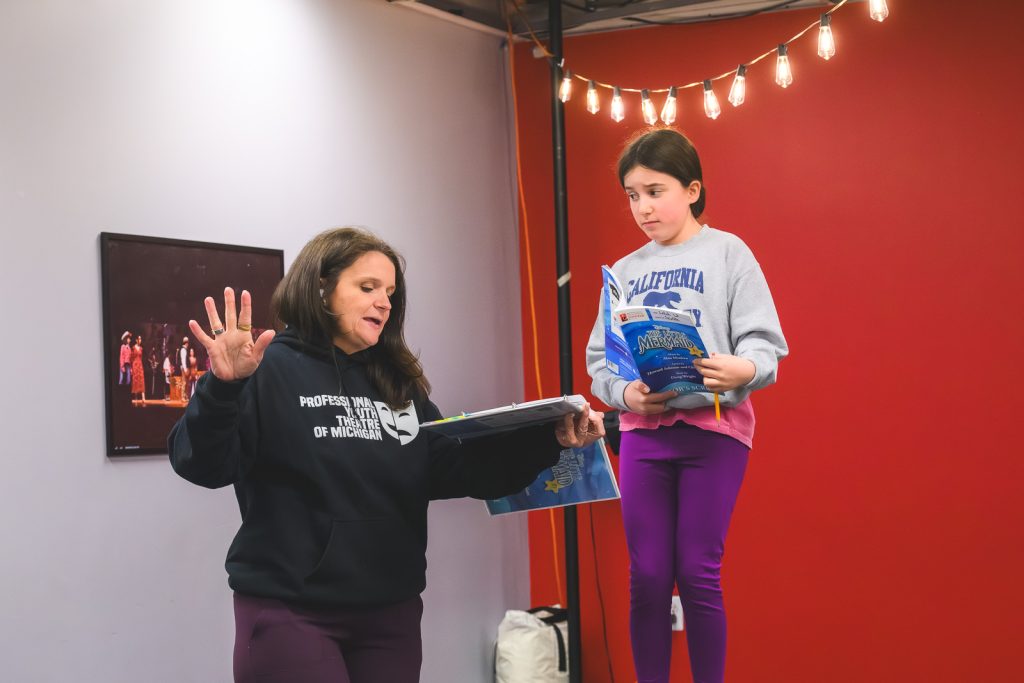
Still, the system is not without challenges. Cost remains a barrier for some families, particularly in a region where access to arts education can vary widely. Wright-Jones notes that while some students have extensive training and resources, others rely on programs like PYTMI to provide their primary exposure to theater.
At the same time, organizations must balance accessibility with sustainability. Paying teaching artists, maintaining rehearsal and performance spaces, and producing shows all require significant funding. PYTMI, for example, directs much of its budget toward compensating instructors, ensuring students learn from experienced professionals while supporting working artists in the community.
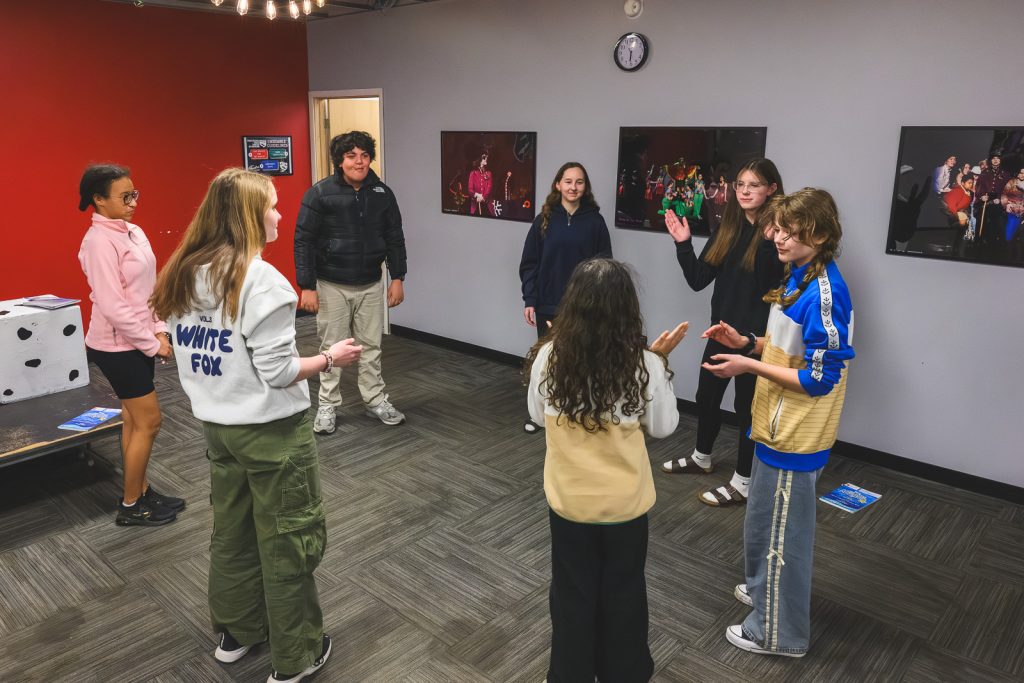
Despite those challenges, the strength of the region’s arts scene continues to sustain youth theater’s growth. A combination of community support, demand from students, and shared commitment among theater companies has created an environment where young performers can thrive. For many participants, the experience is a space to build friendships and leadership skills, as well as to hone acting ability.
More information about PYTMI can be found at pytmi.com, and additional details about Spinning Dot Theatre are available at spinningdot.org.
“We are very lucky to do this. There are a lot of people who aren’t as lucky to do this,” Wright-Jones says. “Theater is a place for everybody.”
Author

Related Articles

Ann Arbor writer’s debut novel is a cozy mystery with Tree Town setting
D.E. Carr’s debut novel, “When Squirrels Fly,” manages to combine cozy mystery tropes with quantum physics, migraine research, virtual reality, and the supernatural.
Chelsea’s Sounds & Sights Festival eliminates admission fees, introduces new attractions
The annual Sounds & Sights Festival returns July 24-25 with two days of free live entertainment, art, family activities, and community celebrations throughout downtown Chelsea.
New Ann Arbor public art will guide visitors from parking to farmers market
A new public art installation in downtown Ann Arbor aims to guide pedestrians between the Ann Ashley parking structure and the Ann Arbor Farmers Market.


