
After decades of partnership, U-M studies what makes Berlin Philharmonic Orchestra great
Since 2023, University of Michigan researchers have been studying how the Berlin Philharmonic Orchestra is structured, how it operates, and what it brings to audiences in Ann Arbor and around the world.
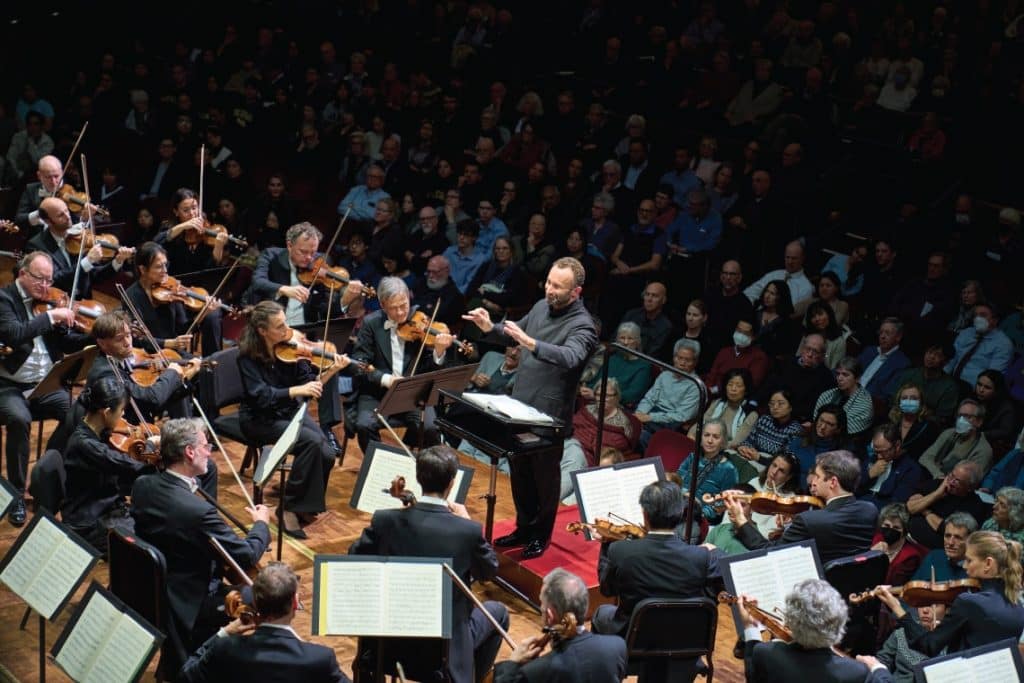
This story is part of a series about arts and culture in Washtenaw County. It is made possible by the Ann Arbor Art Center, Destination Ann Arbor, Larry and Lucie Nisson, the University of Michigan Arts Initiative, and the University Musical Society.
After decades of collaboration between the University Musical Society (UMS) and the internationally acclaimed Berlin Philharmonic Orchestra (BPO), University of Michigan (U-M) researchers set out to answer a complex question: what makes the BPO so great?
“The idea is that, while it’s hard to quantify, the BPO is the world’s best orchestra,” says UMS Director Matthew VanBesien. “While that’s subjective, there are things about how they work that make them the best.”
VanBesien says staff at the U-M Institute for Social Research (ISR) were “fascinated by why” UMS staff would describe BPO as the world’s best “and wanted to figure out a way to measure that and get to the bottom of how the BPO works and what they do.”
Since 2023, researchers from U-M’s School of Music, Theatre, and Dance; ISR; and UMS have been studying how the BPO is structured, how it operates, and what it brings to audiences in Ann Arbor and around the world. Researchers are seeking to understand the unique ways the ensemble sustains its high levels of performance, artistry, and cultural leadership. The project is supported by a three-year Projects in Partnership sponsorship from the U-M Arts Initiative.
Kate Cagney, director of ISR, says the project offers a unique opportunity to examine the internal culture of orchestral ensembles, a relatively unexplored area in the social sciences. She says U-M researchers are seeking answers to challenging questions about the arts.
“Social science can try to come up with ways to assess value that are formed in collaboration,” she says. “It’s really hard to measure the value of the arts. From the side of the arts, you can’t measure the magic because something is happening that is beyond description. For social science, it’s about how can we measure this magic? How can we characterize what’s happening? It might matter emotionally, socially, or structurally. Am I having an emotional reaction? Am I going to concerts with my best friend?”
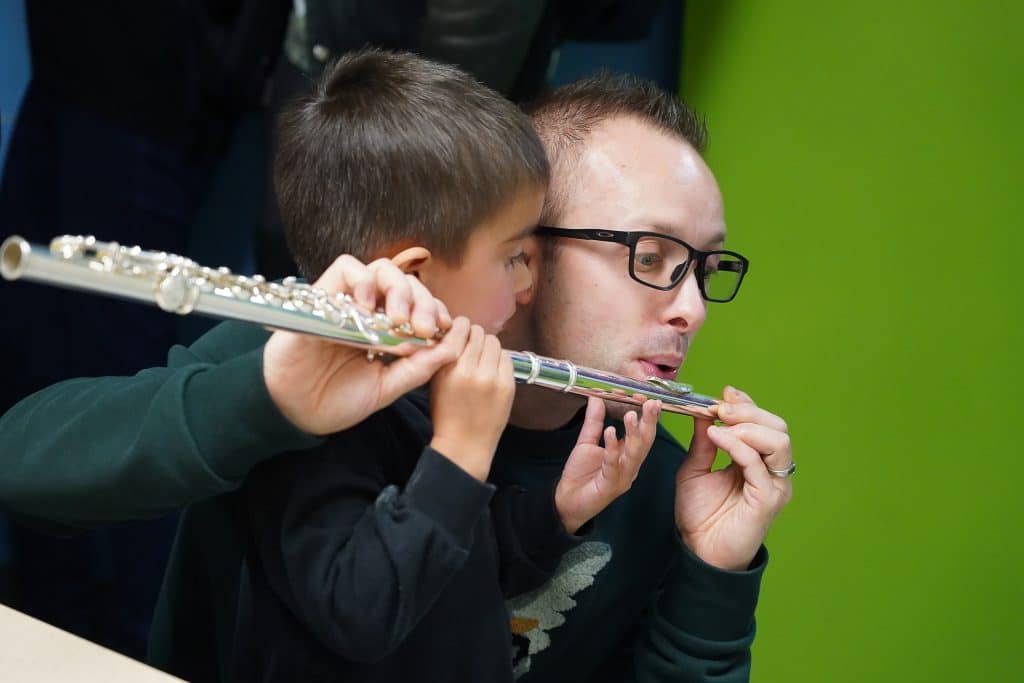
UMS has had a long relationship with the BPO, bringing the orchestra to Ann Arbor since 1955, its first tour post-World War II. According to VanBesien, only one other venue in the United States has maintained such a long relationship with the BPO — Carnegie Hall.
“We had really long conversations about wanting to expand the relationship beyond workshops and working with music students, but also about family and community programming,” VanBesien says. The research project grew out of thinking holistically about what else could be learned from the BPO.
The results of the research are still being compiled, but key learnings are already emerging. VanBesien says ISR researchers have interviewed numerous BPO stakeholders, including orchestra members, leadership, management, and members of its Karajan-Akademie for young musicians, and found that they’re all key to the organization’s success.
“This research helps us understand that to work with the BPO, you need to work with a broad base of stakeholders,” VanBesien says. “It’s important to not have just one or two points of contact, but a broad range of folks who can give input. … We’re finding it’s not just one or two things that are important in how they operate. It’s 10 to 20 things.”
The researchers have also been examining how the BPO functions structurally. VanBesien says they’ve learned that the orchestra is “player-run in a democratic way,” where “the players themselves are the boss.” He notes that the orchestra’s general manager is employed by its musicians, many of whom have other jobs with the BPO in addition to playing in the ensemble, and they plan tours collectively.
“You have the explicit side of the organization’s governance, but then you see the implicit ways it manifests,” VanBesien says. “The biggest takeaway from the research is that it’s not the obvious things; it’s the nuances and implicit ways their governance encourages ownership and collective investment and how that plays out in their day-to-day work.”
Through these interviews and other activities, ISR researchers have been asking questions about how art impacts people and what makes the BPO special. One of those interviews was with Simon Rössler, a BPO percussionist and managing director of the Karajan-Akademie. He says he thinks the research project “might help the audience understand more of what we’re doing.”
“There’s not only the stage and the audience; we belong together,” he says. “It’s an active relationship. Musicians should talk more about what they’re doing and not be so separate from the audience. I don’t want there to be barriers to being touched by music. We live in a world where everyone uses Instagram and social media and has so many influences. To focus on one thing and concentrate on one thing is important.”
The ISR plans to compile its findings in a format that can be shared with other organizations, including orchestras here and elsewhere, to benefit the broader arts sector. The goal is to create and inform a new science.
“Our arts organizations are under threat,” Cagney says. “What are the organizations that create social glue, trust, and solidarity? Art creates opportunities to connect in other ways and creates community. How can we help arts organizations describe and evaluate the work they’re engaged in in a way that’s comprehensive? The practical manner of some organizations means they’re looking for sophisticated evaluations.”
Related Articles
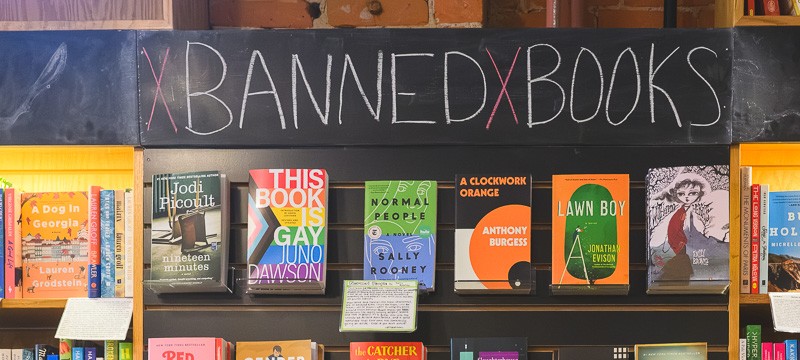
For Banned Books Week, Ann Arbor and Ypsi librarians and booksellers defend the freedom to read
Banned Books Week, Oct. 4 – 10, aims to draw attention to censorship and promote access to information. This year’s theme, “Let Books Be. Protect the Freedom to Read,” will be reflected through programming at local libraries, bookstores, and other institutions.
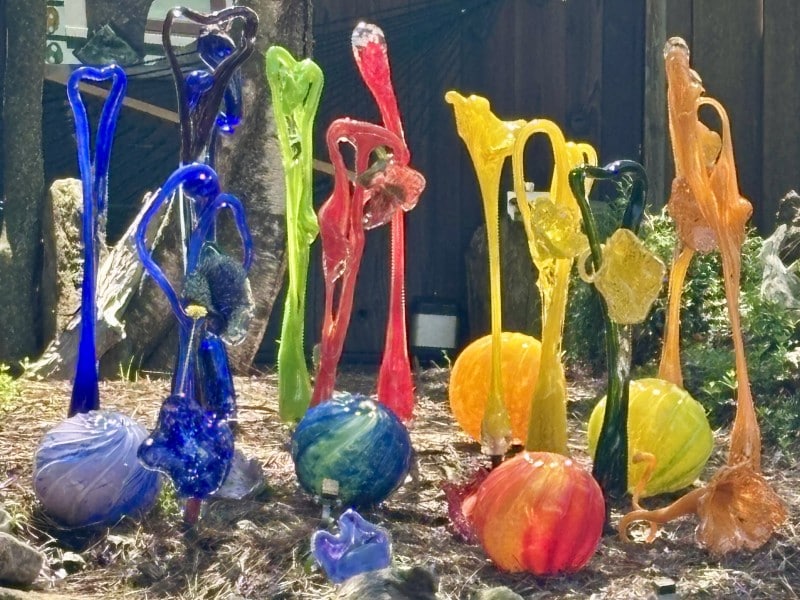
Ann Arbor artist hosts annual outdoor sale to benefit public art program
Glass artist Larry Nisson hosts an annual sale of his work from noon to 5 p.m. on Sept. 27 at his Ann Arbor home.
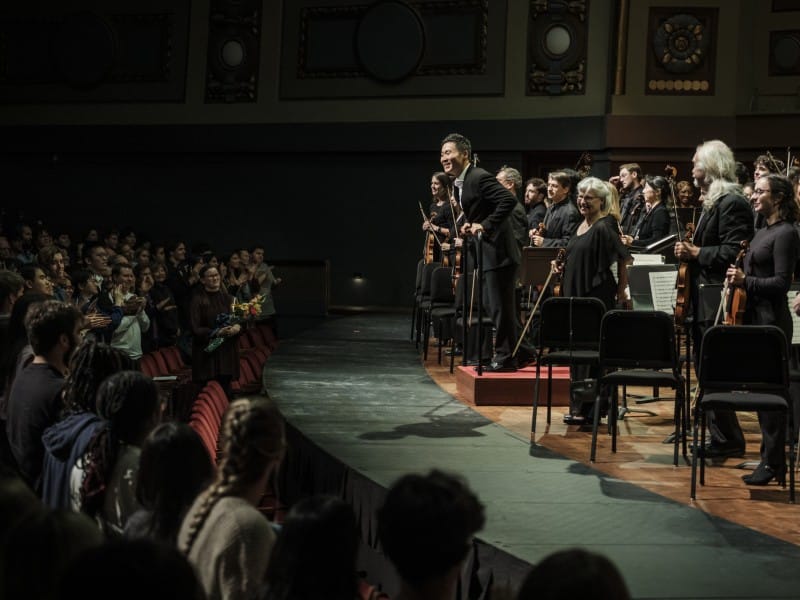
The Ann Arbor Symphony Orchestra brings its concert series to Ypsi for the first time
The 2026-27 season offers many firsts for the Ann Arbor Symphony Orchestra, from an Ypsilanti footprint to a live accompaniment of Disney’s ‘Frozen.’


