
Washtenaw sheriff’s office and Ypsi nonprofit team up to keep youth out of the justice system
The new Restorative and Preventative Intervention and Diversion (RAPID) program is a pre-arrest deflection initiative designed to connect youth with support before they become entangled in the criminal legal system.

On the Ground Ypsilanti is an “embedded journalism” program covering the city and township of Ypsilanti. It is supported by Ann Arbor SPARK, the Center for Health and Research Transformation, Destination Ann Arbor, Eastern Michigan University, Engage @ EMU, Washtenaw Community College, Washtenaw County Parks and Recreation Commission, and Washtenaw ISD.
When young people come into contact with law enforcement, the consequences can shape the rest of their lives. In Washtenaw County, a new partnership between the Washtenaw County Sheriff’s Office and Ypsilanti-based Corner Health Center aims to change that trajectory. Their new Restorative and Preventative Intervention and Diversion (RAPID) program is a pre-arrest deflection initiative designed to connect youth with support before they become entangled in the criminal legal system.
“The RAPID program is a support service for youth who are at risk of or have come into contact with law enforcement, with the goal of keeping them supported and informed about where to turn for help,” explains Ashley Anderson, director of programs at Corner Health Center. “At the same time, it strengthens trust between youth, families, and institutions.”
RAPID offers an alternative to traditional law enforcement responses for low-level offenses involving youth. Instead of arrest, deputies can refer young people and their families directly to Corner Health Center, where they voluntarily receive individualized, trauma-informed support. The goal is to address underlying needs related to mental health, family stress, school challenges, or other factors before a single incident becomes a lasting barrier to a young person’s success in life.
“Once a young person goes through the system, they’re introduced to so many adverse outcomes that make life harder,” Anderson explains. “The pre-arrest deflection portion of RAPID gives officers an alternative to arrest and gives youth tailored support without an arrest record or charges.”

Research has shown that early justice system involvement can increase young people’s likelihood of future legal trouble, disrupt education, and negatively impact long-term health and economic stability. Anderson says RAPID is designed to intervene at a critical moment, allowing youth and families to access resources before any arrests are made. That understanding is shared by Washtenaw County Sheriff Alyshia Dyer, who has seen firsthand how difficult it can be for young people to escape the legal system once they enter it.
“The legal system just isn’t set up to give young people the support they may need, and once they’re in, it’s hard for them to get back out,” Dyer explains. “We want to create a safer, more just, compassionate Washtenaw County by giving youth opportunities instead of funneling them into the legal system.”
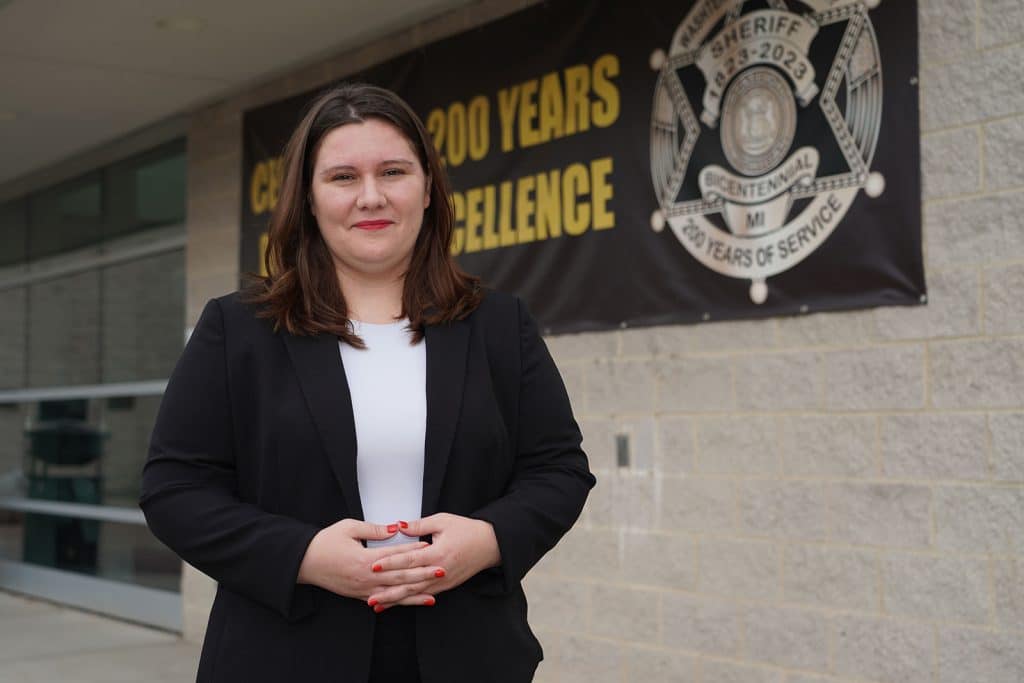
Dyer says many calls involving youth are rooted in unmet needs rather than criminal intent. Family conflict, mental health challenges, trauma, or instability at home or school often underlie surface-level behaviors. Without appropriate intervention, those early encounters can escalate.
“When young people start going down a path where they have police contact, the more we deflect them away from the legal system, the less likely they are to get in trouble again,” Dyer explains. “Nine times out of 10, when youth are involved in low-level offenses, something else is going on, and they need support, not punishment.”
RAPID is built around that philosophy of early, compassionate intervention. It acknowledges the limits of law enforcement while expanding the options available to deputies responding to complex, emotionally charged situations.
“Police are not social workers, and the legal system isn’t social-work-minded,” Dyer says. “It’s always better to offer pathways to inclusive, trauma-informed support.”
Through the partnership, deputies receive training on how to make RAPID referrals and are equipped with materials they can share directly with families during calls. Once a referral is made, Corner Health Center staff follow up, assess needs, and connect youth to appropriate services.
“Corner Health is a judgment-free, trauma-informed one-stop shop for young people, focused on supporting the whole person,” Anderson says. “Partnering with law enforcement is critical to identify youth who would benefit from additional resources.”
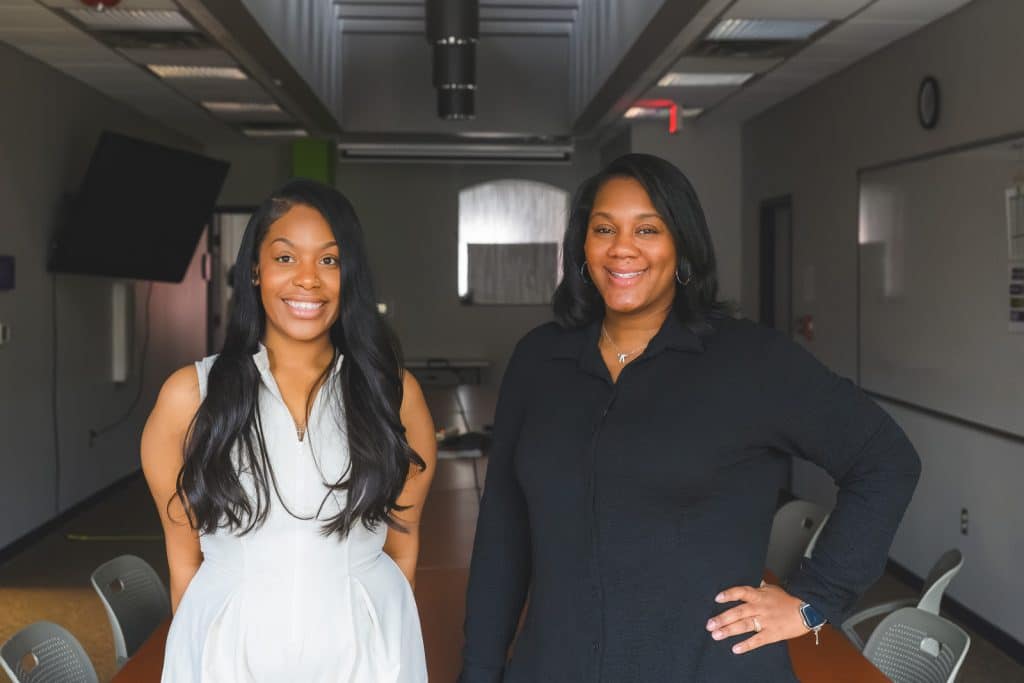
For deputies, RAPID fills a long-standing gap between enforcement and support. Too often, Dyer says, officers are called to situations where families are asking for help but lack clear options. That shift benefits not only youth and families, but the broader community as well. By addressing root causes early, RAPID aims to reduce repeat calls, prevent escalation, and build trust between residents and institutions that have historically been viewed with skepticism.
“Being able to go to a call and actually have something to give a family is huge,” Dyer says. “It gives deputies a way to help instead of just writing a report.”
By intervening sooner, RAPID seeks to keep young people out of the legal system while connecting them to the care and support they need to thrive. For both Corner Health Center and the sheriff’s office, the program represents a shared commitment to prevention, compassion, and long-term community well-being.
“Oftentimes, youth don’t get the help they need until after something terrible has happened,” Anderson says. “The negative impacts of the justice system only increase health challenges later in life.”
For more information about the RAPID program and Corner Health Center’s partnership with the sheriff’s office, visit the program’s website or email justice@cornerhealth.org.
“Our young people are our future leaders,” Dyer says. “The more we invest in them now, the safer and more compassionate our community will be.”
Related Articles

Home-based providers call for flexibility as Michigan expands Pre-K for All
Home-based providers in Ypsilanti and beyond could play a significant role in making Pre-K for All available to more children.

Ann Arbor PTO Council fundraiser aims to close equity gap for schools serving low-income families
The Ann Arbor PTO Council is seeking donations of $30 or more for a fundraiser benefiting Ann Arbor’s Title I schools, or those that receive federal funding to support low-income students.

Since Great Depression, Ann Arbor preschool has offered low-cost child care and supportive services
For over 90 years, Foundations Preschool of Washtenaw County has not only provided high-quality, affordable, and accessible child care, but also served as a community resource for enrolled families.


