
Has Ann Arbor nightlife bounced back from COVID?
Many downtown businesses took a long time to restore their pre-pandemic business hours, but this year has brought several new additions to Ann Arbor’s late-night scene.
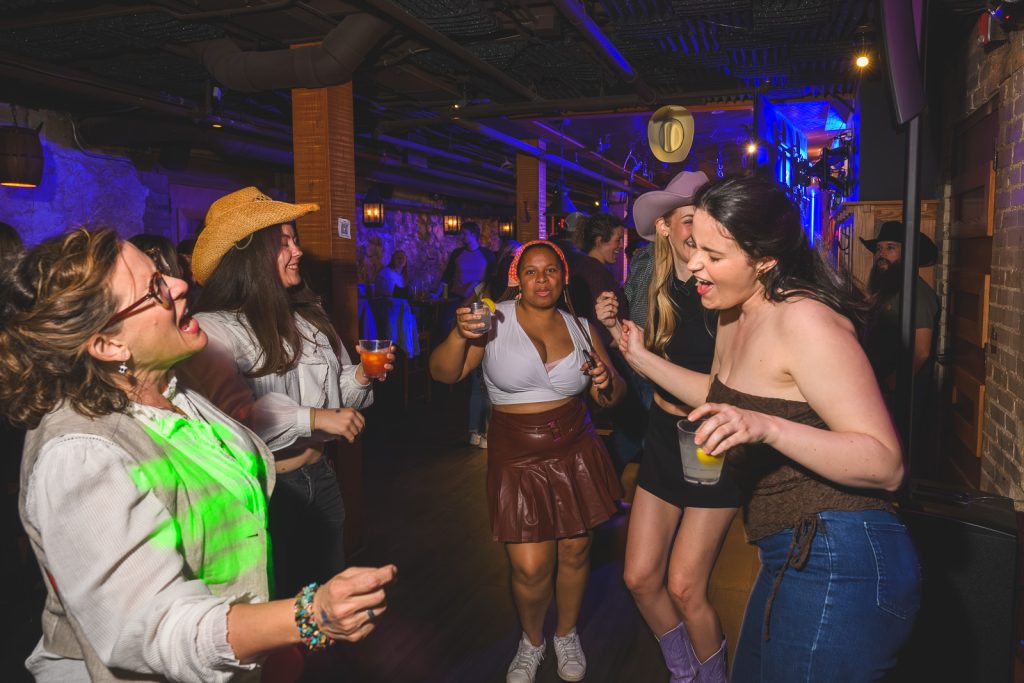
In the post-COVID era, downtown Ann Arbor business owners are finding that nightlife has to mean something more than just staying open late. Many downtown businesses took a long time to restore their pre-pandemic business hours, and in some cases the latest of opening hours have yet to return.
But this year has brought several new additions to Ann Arbor’s late-night scene: The Ranch, a honky-tonk replacing Grizzly Peak Brewing Company offshoots The Den and The Cellar; Hunã Lounge, a new cocktail spot; and the forthcoming relaunch of the beloved Krazy Jim’s Blimpy Burger under new ownership.
This isn’t a simple “nightlife is back” story, though. Local business owners are working to respond as their community renegotiates how it gathers, celebrates, and lets loose. The pandemic was hard, and galvanizing people to break habits formed during such an unprecedented event has proven harder. Ann Arbor’s new nightlife scene is highly seasonal, deeply tied to the university calendar and city events, and increasingly driven by curated experiences. We checked in with some of the people behind these spaces to understand what’s changed, what’s returning, and what Ann Arbor’s nightlife is becoming in the years after COVID.
“I do feel like, right now, we are getting back to a point where people like restaurants again, and people enjoy being waited on, and having that, like, hospitality experience. But now you have to be really cool … and there are a lot of options,” says Shelby Oberstaedt, president/COO of Mission Restaurant Group, which operates The Ranch.
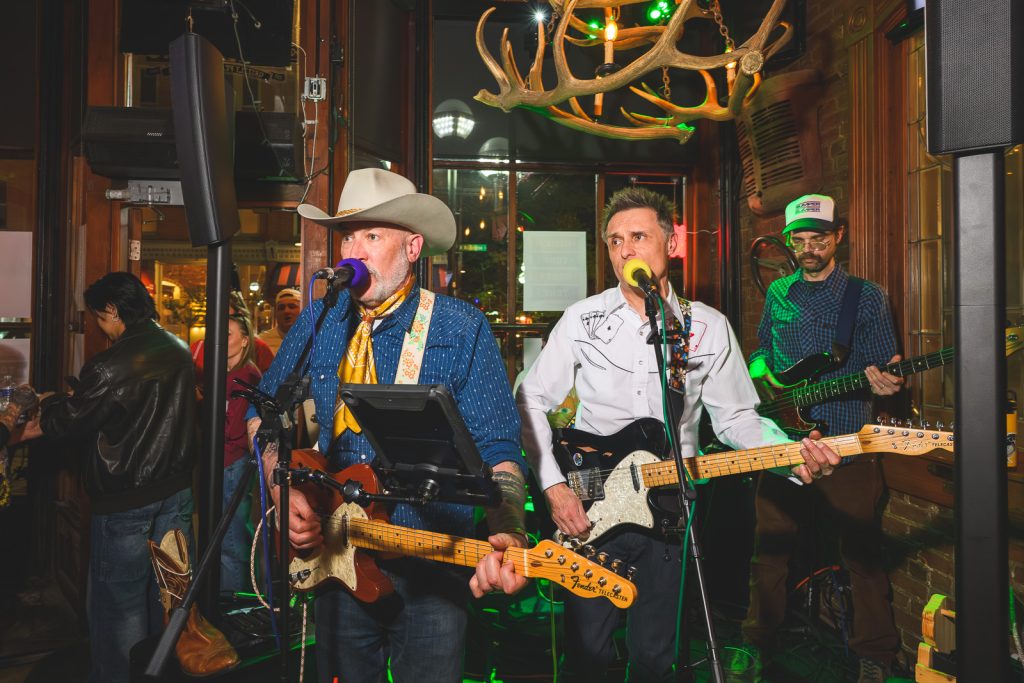
Since opening in 2019, Blue LLama Jazz Club has become an Ann Arbor go-to for adventurous food lovers and jazz listeners. But in the years since COVID, Blue LLama artistic director and bassist Dave Sharp says the club has seen a more diverse range of patrons across age and geography, especially from Friday through Sunday. The club also plans to feature live music outdoors on the patio when A2 Summer Streets kicks off, closing several downtown blocks to car traffic.
Even its crowd is changing in a very Ann Arbor way, with students arriving later.
“Word has gotten out to the student population, and we tend to see them a little later in the evening, ordering drinks and checking out the later sets of live music,” Sharp says.

That same momentum is shaping a new wave of venues built less around volume and more around experiences.
Earlier this year, the team behind downtown restaurant Echelon Kitchen & Bar opened Hunã Lounge, a tiki cocktail bar that’s open 7 p.m. to 2 a.m. Fridays and Saturdays, and 7 p.m. to midnight Thursdays. Managing partner Emily Habib says Hunã is built around immersion.
“We call it your one-hour vacation,” Habib says. “You come downstairs and there’s tropical music [and] a thatched bar. … It’s pretty fun.”
Hunã Lounge’s business hours required early adjustments; the bar was initially open until 2 a.m. on Thursdays, but Habib says closing time was changed to midnight because Thursdays “are a lot slower.” Late-night hours have been successful on the weekends though, with customer demographics shifting over the course of the night.
Habib says early evening brings a wide cross-section of customers including tiki enthusiasts of all drinking ages, as well as celebrations like birthdays and bachelorette parties. Later, Hunã turns into more of a late-night college bar. Even later, industry folks arrive. This layered ecosystem also exposes nightlife’s dependency on external factors in a college town. Habib is direct about demand drivers: weather, the University of Michigan academic calendar, and Ann Arbor’s event schedule. Even seasonality behaves differently than you’d expect.
“People were waiting in line for over an hour in snow,” Habib says – but in summer, choices expand and customers’ patience wears thin. “Now that it’s warmer, it’s not much of a stretch for people to not wait.”
Habib is already looking ahead to maintain Hunã’s early momentum.
“This year, our drive is that we’re the new kids on the block,” she says. “Next year … we’ll have to be more strategic when we’re not the new one.”
The new kid literally around the block from Hunã is The Ranch, whose business hours also stretch to 2 a.m. Thursdays through Saturdays. Oberstaedt frames the post-pandemic challenge in two parts – staffing and consumer behavior. Restaurants were closed, longtime industry workers found other jobs, and even when venues reopened, hiring was difficult. At the same time, she says consumers learned how to recreate parts of the restaurant experience at home through delivery – “and if they did go out, it had to be for something special.”
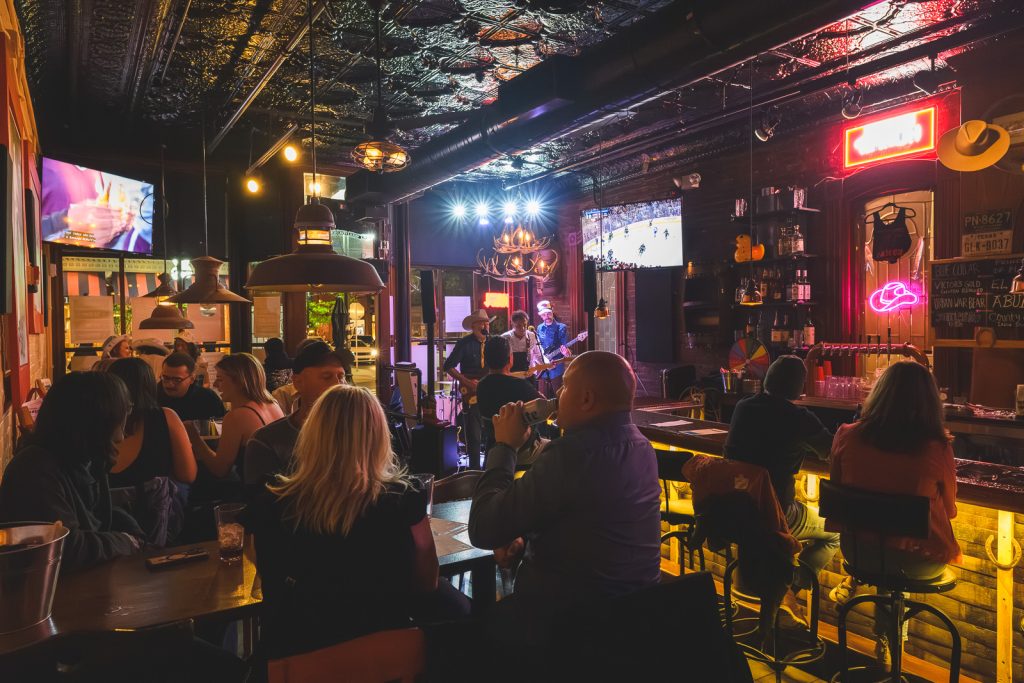
Now, as habits shift again, Oberstaedt says people are returning with higher expectations. But the resulting crowds are surprisingly intergenerational at The Ranch. Shelby describes The Ranch’s customer demographics as ranging from “your 21-year-old college student to, like, an 80-year-old couple” dancing to the same music – “at midnight, mind you” – in the same space. That rare intergenerational crowd captures a post-COVID craving for togetherness that cuts across demographics.
But bars and dancefloors aren’t the only contributors to Ann Arbor’s nightlife revival. Blimpy Burger, a long-standing hamburger restaurant and Ann Arbor institution, is set to reopen this summer under new ownership, with late-night hours and new creative uses. The effort isn’t in reinventing the burger itself – new co-owner Noah Kaplan says he and his partners are “keeping the kitchen the same”– but in widening Blimpy’s role in the city’s daily and nightly life.
The circumstances that led to the revival were personal. Previous owner Richard Magner, whom Kaplan describes as “an incredibly artistic person,” passed away during early conversations about the future of the business. What followed was a community‑driven effort to manage the legacy, settle debts, and rebuild the space collaboratively.
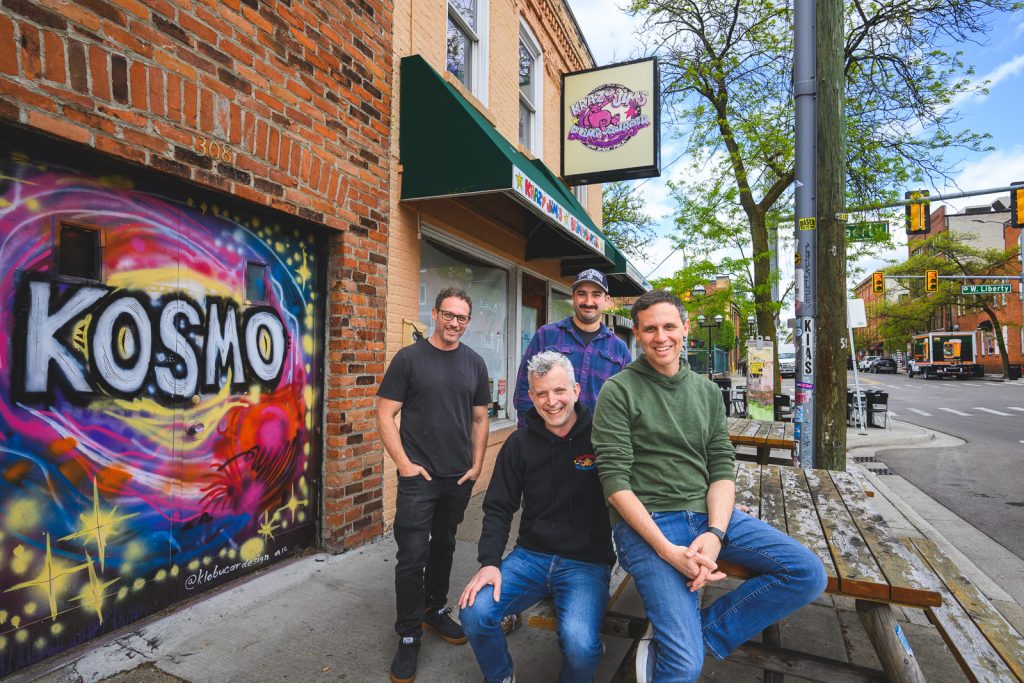
“Ann Arbor is a town that really cares about people,” Kaplan says. “… It doesn’t take a lot in a city to give it soul, but Blimpy Burger was definitely part of that soul.”
The new vision keeps that spirit intact while adapting to post‑COVID behavior. Daytime hours remain family‑friendly, but nighttime comes with a tweak. Business hours will extend past midnight, the restaurant will begin serving beer, takeout service will be available after 7:30 p.m., and an upstairs space will be envisioned as a ‘70s-style living room, complete with a vintage record player and plans for a podcast that centers chefs, musicians, and cultural workers.
It’s a reminder that post-COVID nightlife isn’t just about what’s new, or even how late a place stays open. It’s about whether it’s worth leaving home at all. As Oberstaedt puts it, “if [customers] did go out, it had to be for something special.”
Related Articles
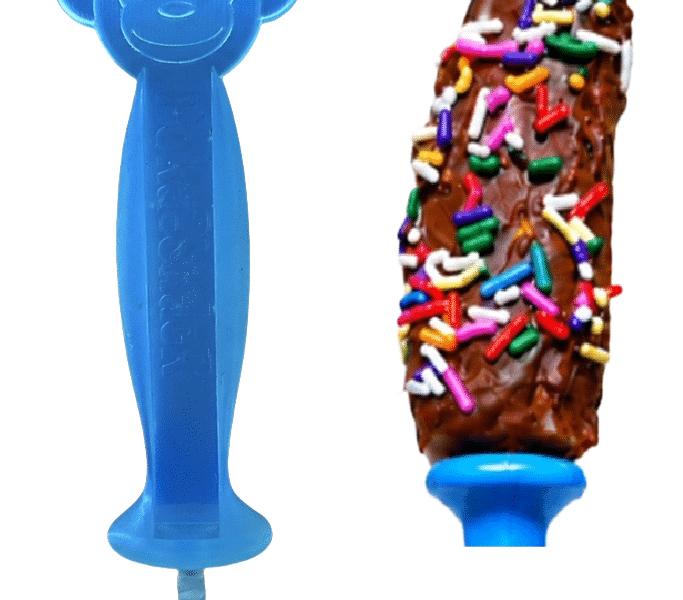
U-M professor launches first consumer product, a skewer for frozen bananas, in his 70s
Dr. Richard Brown, a professor emeritus of radiology at the University of Michigan and Ann Arbor resident, is preparing to roll out his first consumer product: a reusable plastic skewer designed to easily store and eat frozen bananas.
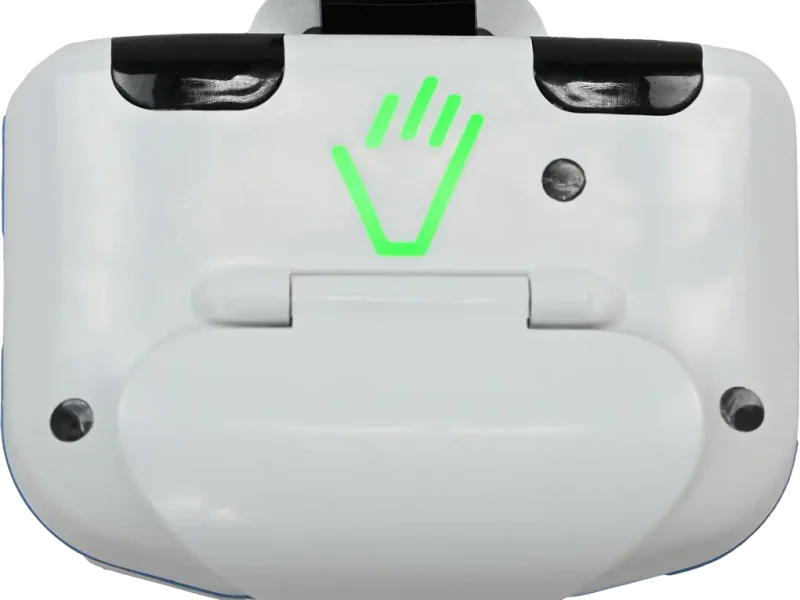
Ann Arbor health tech company marks 1 billion hand sanitization alerts in hospitals
BioVigil, an Ann Arbor-based health care technology company, recently reached a significant milestone of alerting partner hospital staff to one billion opportunities to perform hand hygiene.

Ypsi resident develops app to help delivery drivers share info
Courier Mates is a web-based application designed to help app-based delivery drivers track and share information about delivery locations with other drivers.


