
After 30 years, Michigan Celtic festival is bigger than ever
For three decades, the Michigan Celtic festival has celebrated the traditions, music, and heritage of Celtic cultures while strengthening the ties between Saline and its Welsh sister city.
This story is part of a series about arts and culture in Washtenaw County. It is made possible by the Ann Arbor Art Center, Destination Ann Arbor, Larry and Lucie Nisson, the University of Michigan Arts Initiative, and the University Musical Society.
For three decades, the Michigan Celtic festival has celebrated the traditions, music, and heritage of Celtic cultures while strengthening the ties between Saline and its Welsh sister city. As the festival marks a milestone this year, organizers say they’re looking ahead to the next generation of growth while continuing to honor the event’s roots.
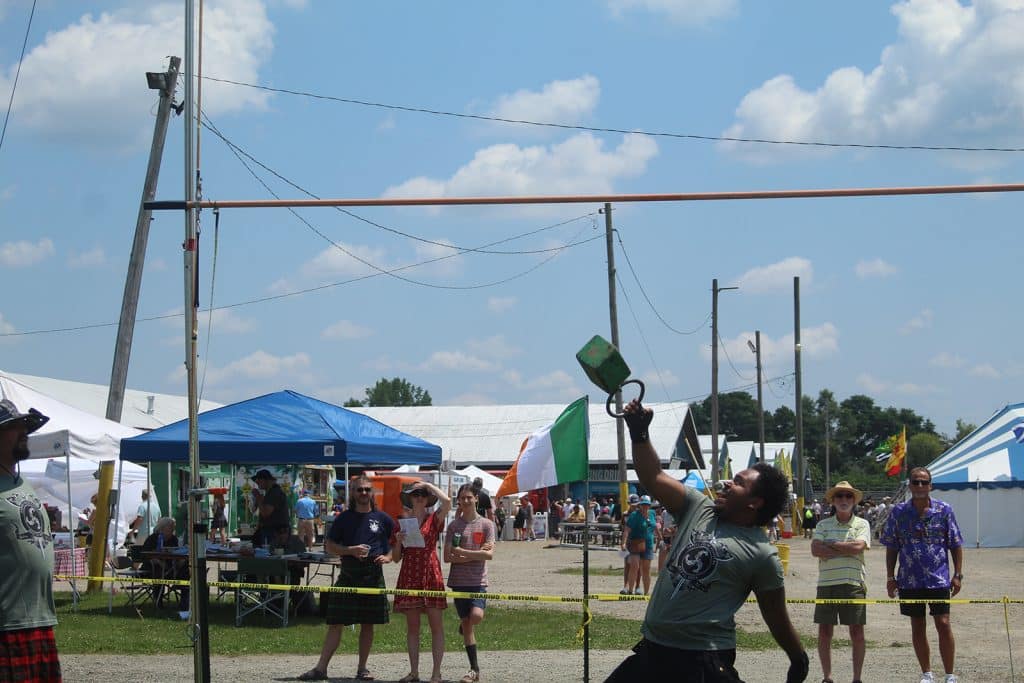
The festival returns July 10 and 11 to the Washtenaw Farm Council Grounds, 5055 Ann Arbor Saline Rd. in Lodi Township. Although the festival has long been associated with Saline, it outgrew its longtime home at Saline’s Mill Pond Park in 2023 and has been hosted at the Washtenaw Farm Council Grounds since then. As always, this year’s festival will offer two days of Highland games, traditional music and dance, cultural demonstrations, food, and family-friendly activities.
The festival began in 1996 after former Saline Mayor Pat Little sought a way to welcome delegates from Brecon, Wales, Saline’s sister city since 1966. According to Katherine Downie, board secretary and marketing director for Michigan Celtic, Little initially considered hosting a rodeo before his wife suggested a Celtic festival instead.
“The tradition was born,” Downie says. “Pat, who passed earlier this year, was a champion of the festival and helped us celebrate the connection with Brecon even after we left Saline and changed the name of the festival [from Saline Celtic Festival to Michigan Celtic].”
Although the festival has evolved considerably over the years, its mission has remained the same: introducing visitors to Celtic traditions through music, dance, athletics, and cultural education. Attendees can enjoy Highland dance competitions and games, Irish dance, Celtic music and bagpipe performances, traditional foods, merchants, and clan genealogy tents that help visitors explore their family heritage.
“We finally reached a point in 2022 where we knew we needed a change if we ever wanted to be able to grow and do more creative things with the festival,” Downie says.
Recent years have brought some of the biggest changes in the festival’s history. The 2023 relocation provided additional space, on-site parking, and improved infrastructure. The move proved immediately successful, with attendance jumping from roughly 3,500 visitors to more than 10,000 during the festival’s first year at its new location.
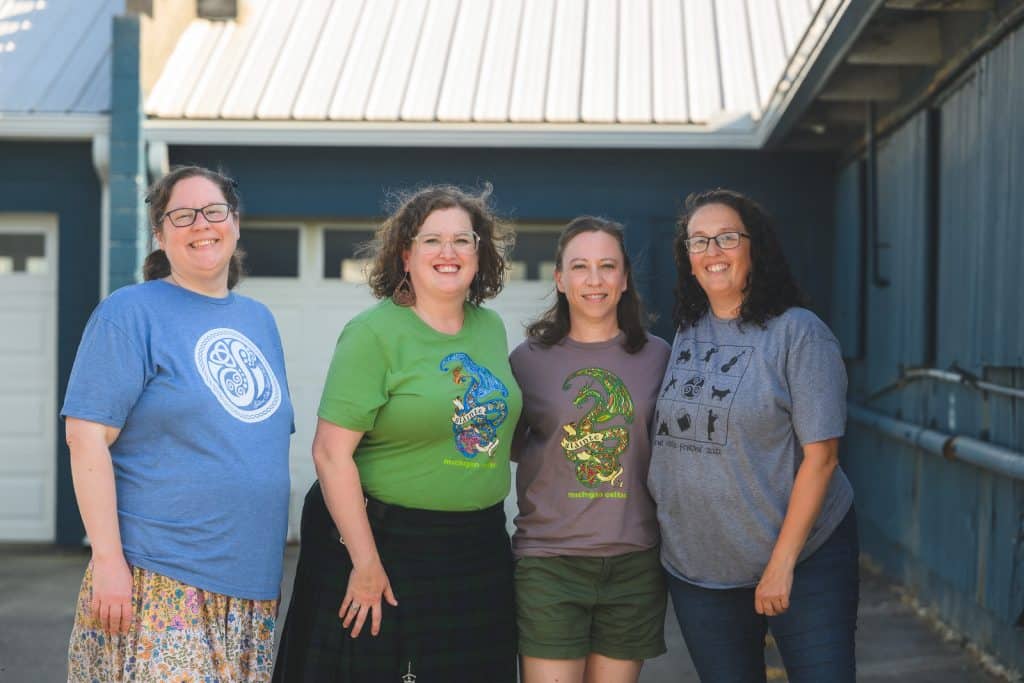
The following year, organizers formally separated from the city of Saline and rebranded as Michigan Celtic, with the nonprofit Friends of the Festival assuming governance. Downie says the changes have positioned the volunteer-run organization to continue expanding while maintaining the welcoming atmosphere that has defined the event for nearly 30 years.
“Being at a new location with plenty of room for growth and implementing new ideas, we feel like we’re ready to make the festival even better in the next 30 years,” Downie says.
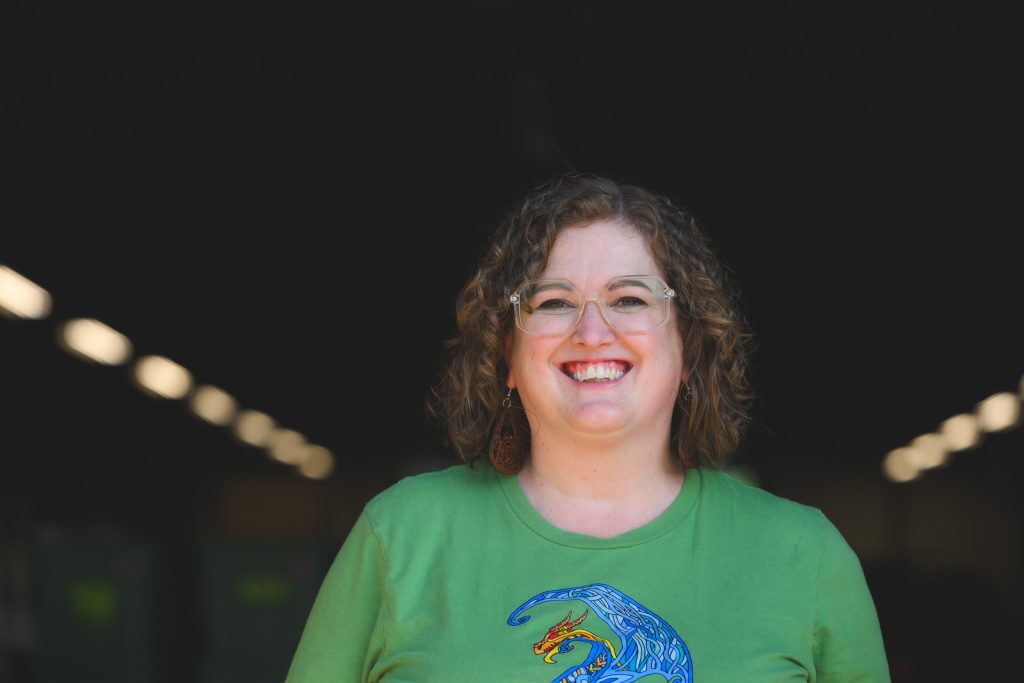
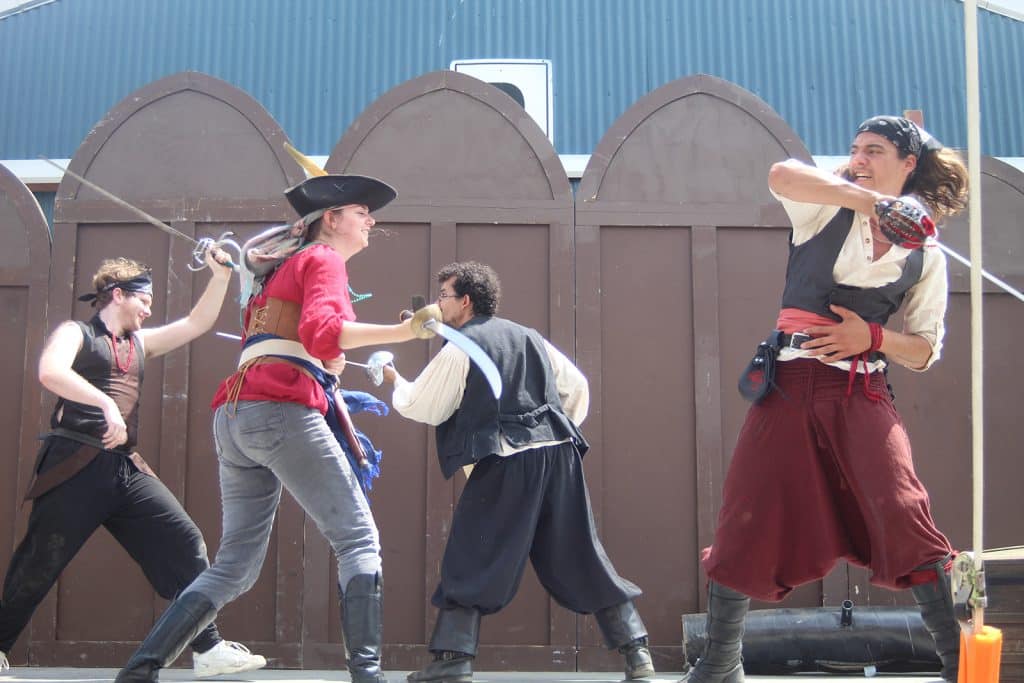
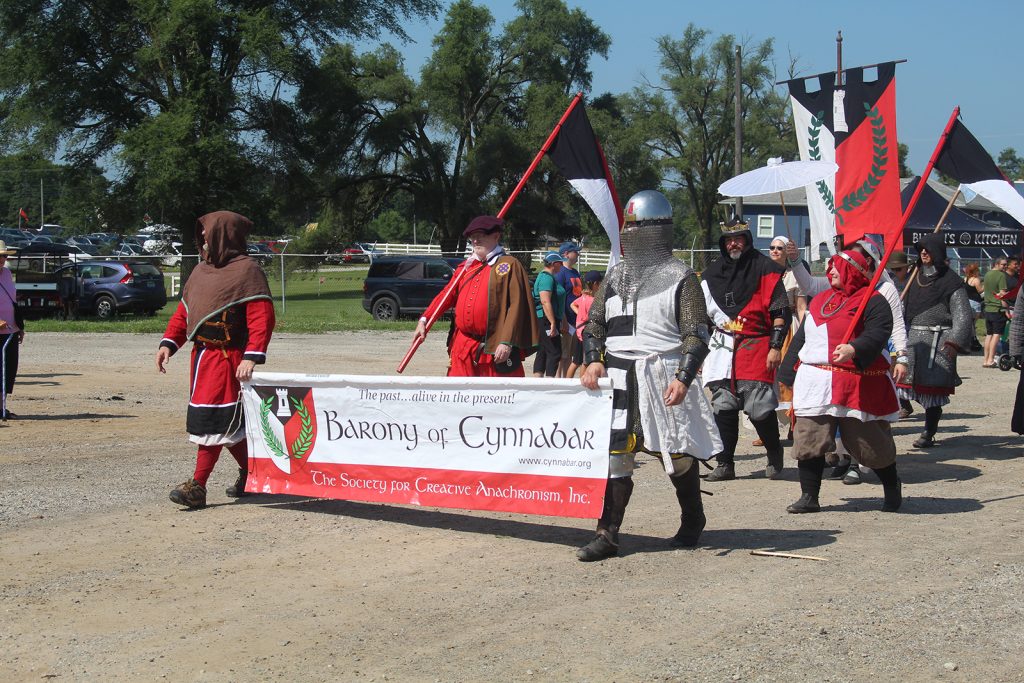
First-time visitors are encouraged to explore as much of the festival as possible, from live Celtic music and traditional cuisine to interactive workshops where attendees can try singing, dancing, and traditional instruments. Demonstrations from Ring of Steel, the Ann Arbor Sword Club, Detroit Fight Club, and the Society for Creative Anachronism offer additional opportunities for hands-on experiences throughout the weekend.
Organizers have also prioritized accessibility, partnering with Saline nonprofit Dementia Friendly Services to provide resources for attendees with memory problems, as well as a designated quiet space.
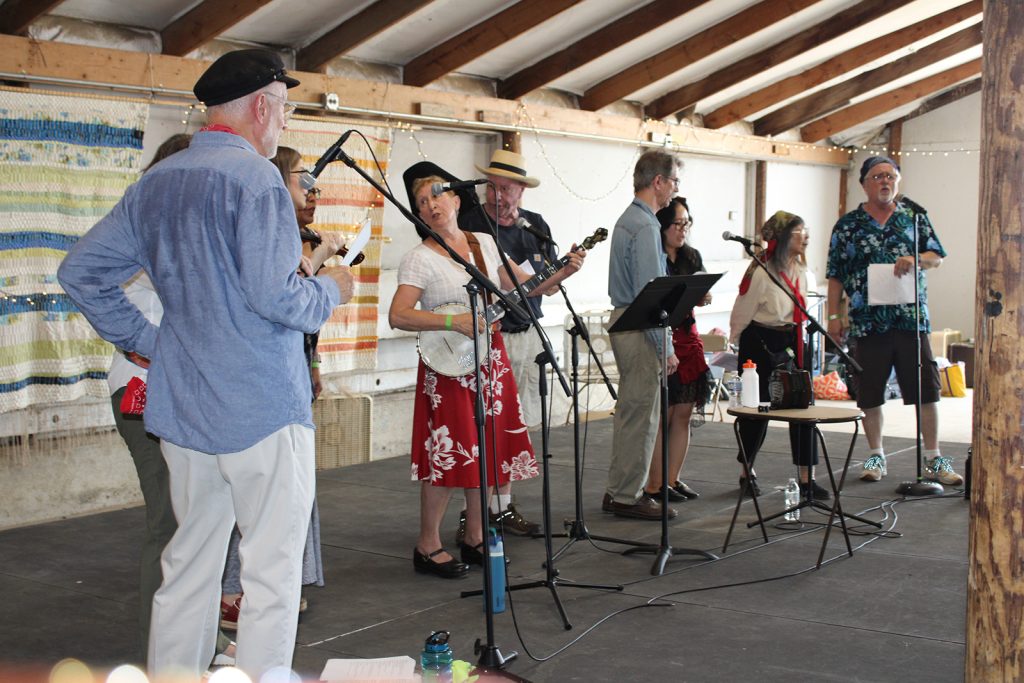
Tickets can be purchased at the festival gates. Children 17 and under receive free admission. More information and a schedule for the weekend can be found at mi-celtic.org.
“We hope people can experience as much of the festival as they can, and get a feel of great Celtic traditions,” Downie says. “Experiencing live Celtic music while eating traditional Celtic fare and participating in our workshops are all great ways to get the Celtic feel.”
Author

Related Articles
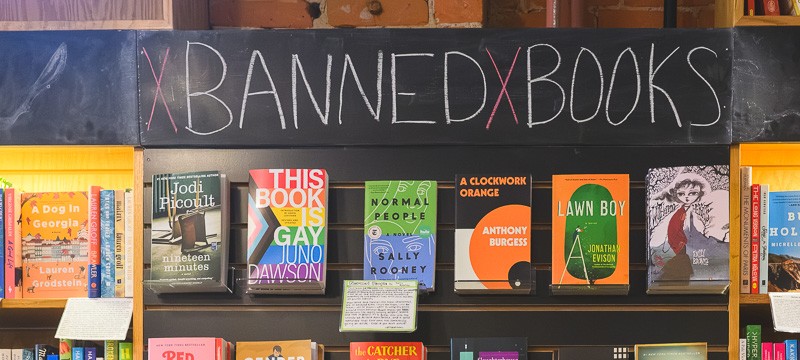
For Banned Books Week, Ann Arbor and Ypsi librarians and booksellers defend the freedom to read
Banned Books Week, Oct. 4 – 10, aims to draw attention to censorship and promote access to information. This year’s theme, “Let Books Be. Protect the Freedom to Read,” will be reflected through programming at local libraries, bookstores, and other institutions.
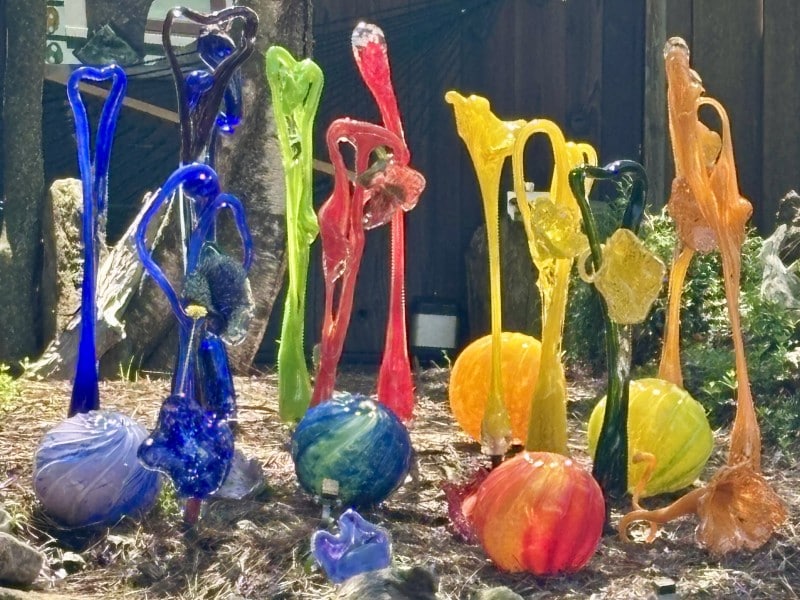
Ann Arbor artist hosts annual outdoor sale to benefit public art program
Glass artist Larry Nisson hosts an annual sale of his work from noon to 5 p.m. on Sept. 27 at his Ann Arbor home.
The Ann Arbor Symphony Orchestra brings its concert series to Ypsi for the first time
The 2026-27 season offers many firsts for the Ann Arbor Symphony Orchestra, from an Ypsilanti footprint to a live accompaniment of Disney’s ‘Frozen.’


