
Ann Arbor millage yields big results in affordable housing development
Over $27 million from Arbor’s Affordable Housing Millage has been spent or committed to 14 housing projects, four renovations, and five supportive services initiatives.
The following story is part of a series highlighting solutions to housing and homelessness challenges in Washtenaw County. It is supported by the Ann Arbor Housing Development Corporation and University Bank.
Ann Arbor’s 2020 Affordable Housing Millage is proving to be a powerhouse in building solutions to the local housing crisis. 73% of voters approved the one-mill, 20-year millage, which is expected to support approximately 1,500 new affordable homes for households earning 60% or less of the Area Median Income (AMI). The millage also aims to support housing stability, with 20% of millage revenue allotted for resident supportive services. Over $27 million in millage dollars have been spent or committed so far, supporting 14 housing projects, four renovations, and five supportive services initiatives.
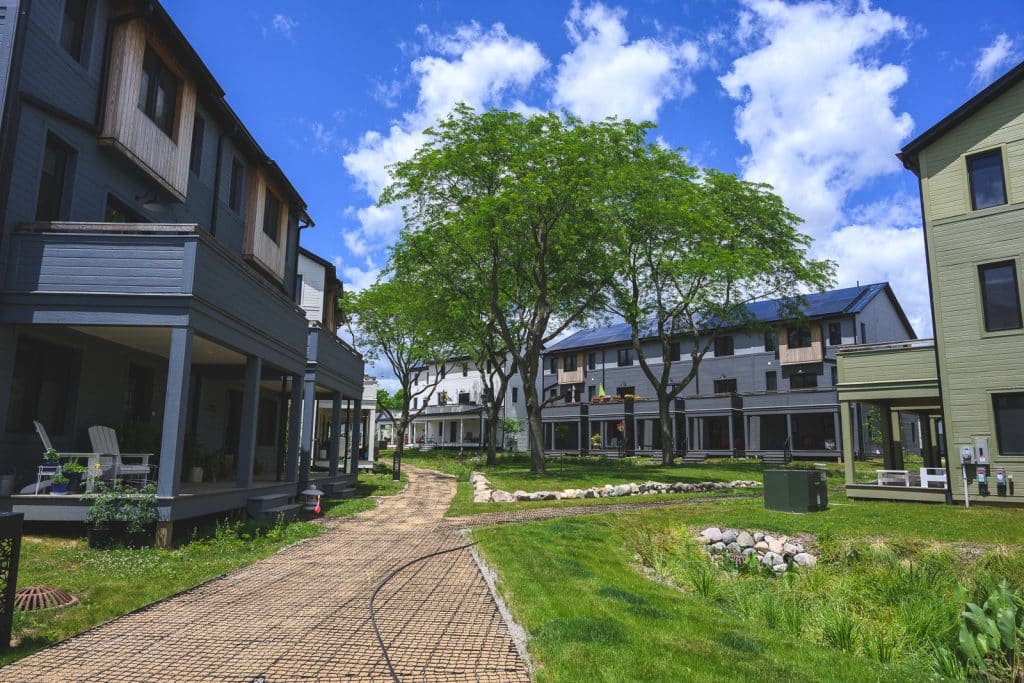
Shannon Morgan, founder of Renovare Development in Ypsilanti, says it’s “unbelievable” that the millage had such strong support among voters, and sees it as a potential model for other communities. Her small, woman-owned social impact development firm focuses on missing middle, attainable, and for-sale housing, and is involved in developments across Michigan. Among Renovare’s success stories is the creation of Dorsey Estates, a new 46-unit mixed-income neighborhood near Ypsilanti’s historic Depot Town.
“The millage is an opportunity to set a precedent,” she says. “It sets a precedent for all the communities and housing partnerships I see throughout the state of a community that put forward an effective tool and that will see housing done because of this.”
Morgan would like to see statewide attention for the millage because it demonstrates the potential of a community that’s educated, provides creative opportunities, and builds collaboration between stakeholders.
“For a developer like me, I’m going to choose those communities, because we can do so much more when we work together. I think that’s the message the millage sends,” she says. “It makes me proud that I’m doing things throughout the whole state, but the community that I’m based in is getting it right.”
“Critical to the community“
Jennifer Hall, executive director of the Ann Arbor Housing Commission, says the millage was passed after decades of community efforts in the affordable housing arena. She stresses that it has both human and community impact.
“It’s critical to the community to have enough housing for people to live here. It’s way more expensive to not have enough housing, to have homeless services, to have shelters, to put people in jail, than it is to just provide housing,” she says. “So, to me, it is financially prudent to do that.”
Hall explains that the Housing Commission is working with the city to try to develop as much housing as possible for people making 60% AMI or less, because people “literally can’t find a place to live here if your income is too low.”
“We knew we needed a lot of development, and if we’re going to pay for services, we want to make sure we have a long-term period that we can rely on funding,” she says. “We settled on one mill, which in 2020 was going to generate $6.5 million dollars a year. After six years, it’s already up to $8.3 million.”
Part of the current strategy centers on 350 S. Fifth Ave. in Ann Arbor, formerly a large parking lot adjacent to the Blake Transit Center. In partnership with developer Related Midwest, the city is constructing a 20-story, $209 million mixed-use affordable housing development with 330 affordable units. There will be no on-site parking, although residents will have access to nearby public parking structures, shared electric vehicles, and a pilot public transit partnership that will provide ride passes. Hall’s team is working closely with the Ann Arbor Area Transportation Authority/TheRide and the Ann Arbor Downtown Development Authority (DDA) to expand the bus platform and redesign a three-block area to be more pedestrian-, bike-, and transit-friendly. The project will break ground this summer and is set to be completed by the end of 2028.
Hall says that without millage funds, the city “would have half as many” affordable housing projects. She’s also excited about two smaller, upcoming developments in or near the DDA district. They’ll be in historically Black neighborhoods, and are expected to be complete by 2029 or 2030. These developments are being co-designed with an 11-member Black community leadership council to honor the area’s history and determine building types, target populations, and income levels. The housing commission is working with the same leadership council on the city’s first project under the millage, Dunbar Tower.
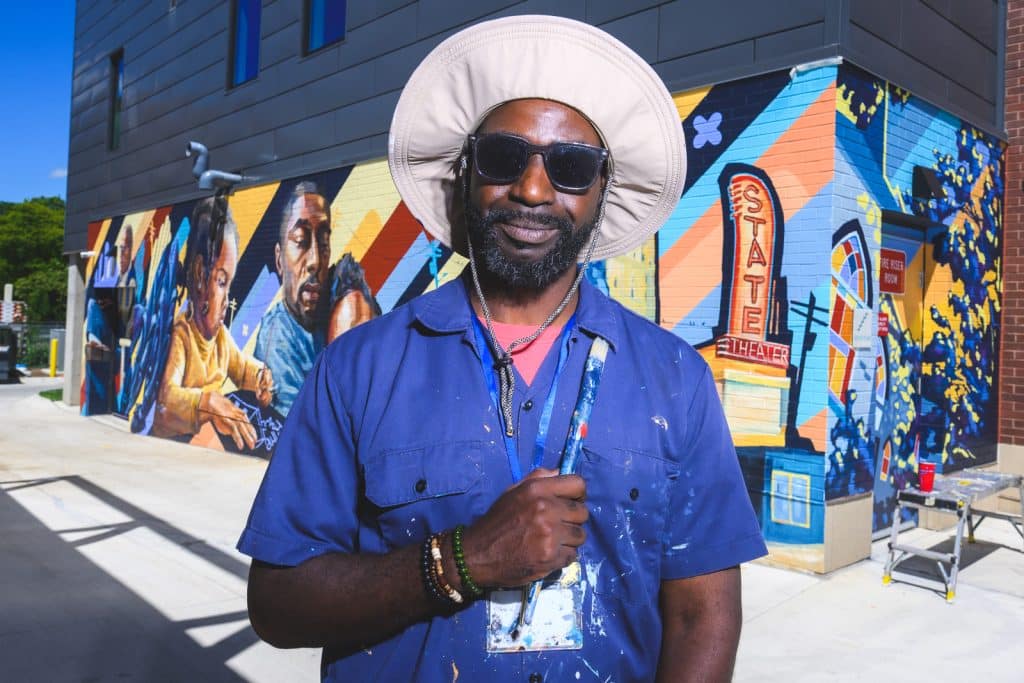
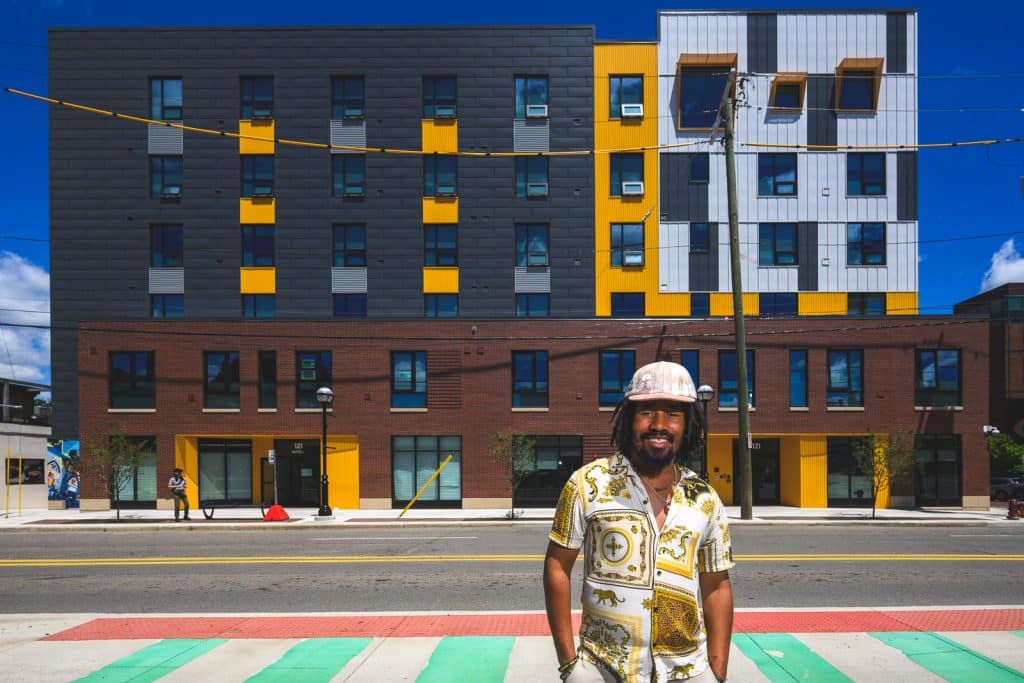
Completed in February, about half of Dunbar Tower’s 63 units are for residents who have experienced homelessness. The other units are for low-income artists, who will pay roughly $650 to $900 a month. Rent includes utilities and Wi-Fi in a downtown market where comparable units average $2,500 to $3,000 a month. The building was co-developed with Avalon Housing, a longstanding nonprofit that addresses homelessness by developing affordable housing centered on community, care, and support.
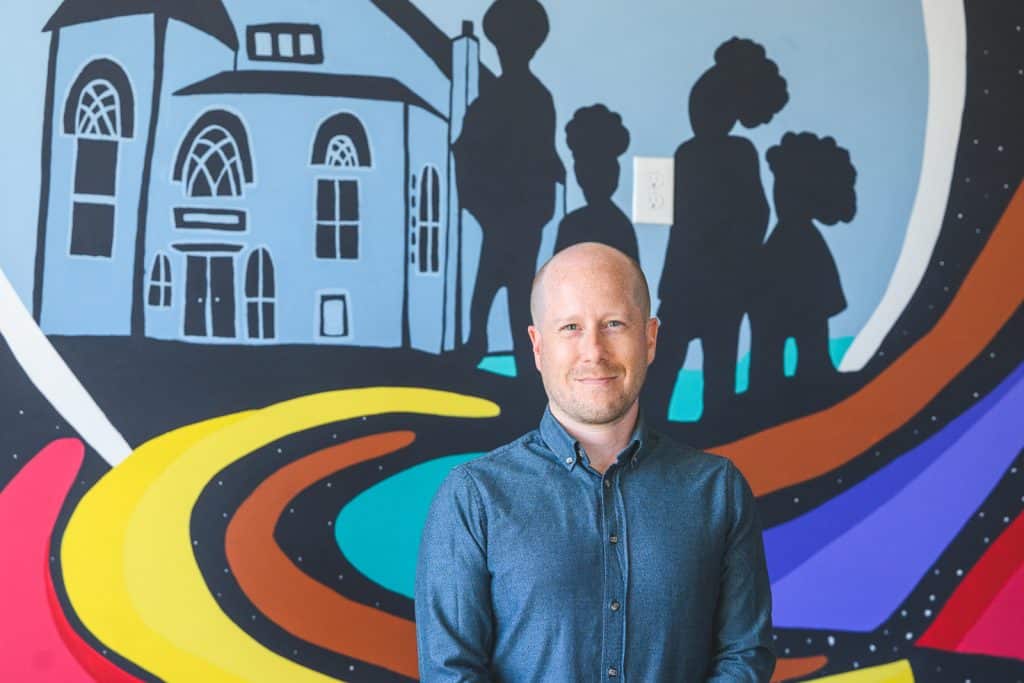
“Housing is the foundation that saves lives and communities,” says Scott Ellis, Avalon Housing’s director of mission advancement and co-interim executive director. “Everyone deserves access to a good home and safe spaces, and that’s exactly what Dunbar Tower is.”
Dunbar Tower integrates green energy, and trauma-informed design was used for elements such as a sixth-floor community room with a beautiful city view. In the works is a ground-floor space that honors the neighborhood’s Black history and can be used for events.
Ellis underscores that places like Dunbar Tower are especially critical, as the need for affordable housing has only grown over the last few years.
“I saw the other day that homelessness has increased by 77% in Washtenaw County since 2022,” he says. “Even as fast as Avalon is building, and our partner, the housing commission, is building, we’re not even keeping up with the pace of the need for folks who are struggling.”
He’s grateful that the millage funds services as well, explaining that a home is just one step for people exiting homelessness. When a place to live is paired with deep, caring wraparound supportive services, people are more likely to remain housed. Describing the millage as “a big lift,” Ellis says its high voter approval shows the broader community’s care and awareness.
“I think it was our community coming together and saying, ‘We see that this is a need and we believe that we can be a local solution,'” he says. “Especially at a time when maybe federal partners are not pulling their weight, we can take some local control over a really serious challenge.”
Avalon Housing is using the millage to help finance several other permanent supportive housing projects, including Hickory Way Phases I and II (70 units) and The Grove at Veridian (50 units), with Hickory Way Phase III (39 units) in the pipeline. Millage dollars are critical “gap” funding for those projects. For Dunbar Tower and all of Avalon’s projects within the city of Ann Arbor, Ellis says other sources of revenue only go “so far” toward completing construction.
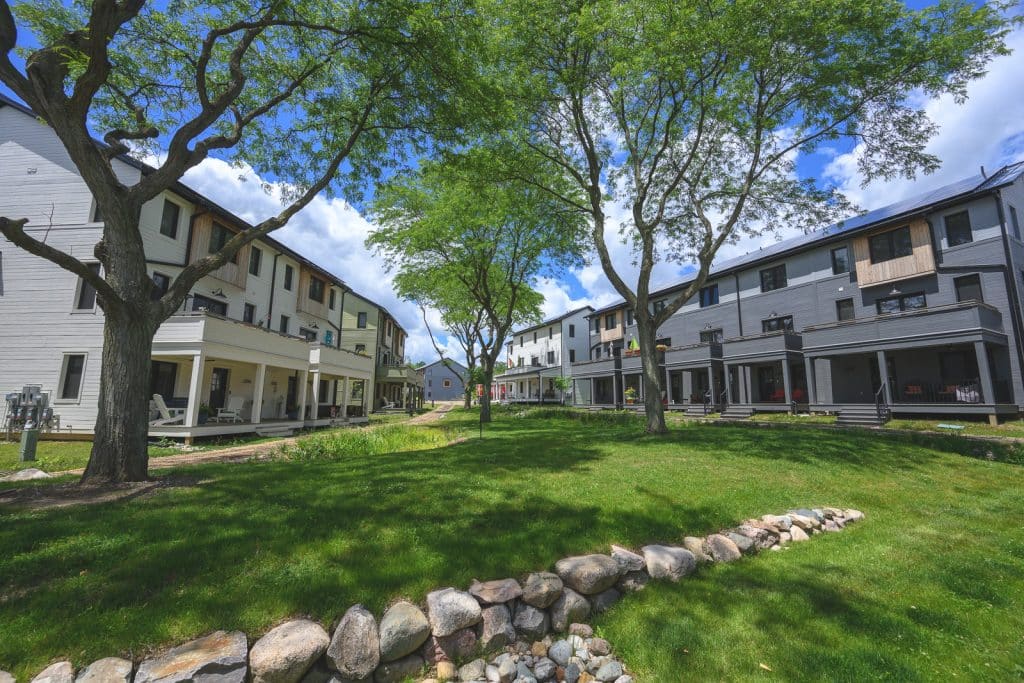
“We’re having to patch together maybe 10 different sources, and if we can’t get that 10th one, we’re not going to get a project done,” Ellis says. “Often the millage gets us over the line to actually make it happen.”
Martez Claybren, an Ann Arbor-based disc jockey, singer-songwriter, and housing case manager at the Delonis Center, says moving into Dunbar Tower has afforded him stability, space to create, and peace. Dunbar Tower’s affordability means that if Claybren’s job changes, or if he falls on rough times, he’ll always be able to pay his rent.
“As a performing artist, I spend some monetary resources on venues, on procuring talent for different shows, on mixing and mastering from professional audio engineers,” the 34-year-old says. “I spend a couple hundred dollars a month on my artistic vision. … The affordability cap gives me the opportunity to invest in myself and invest in my artistry.”
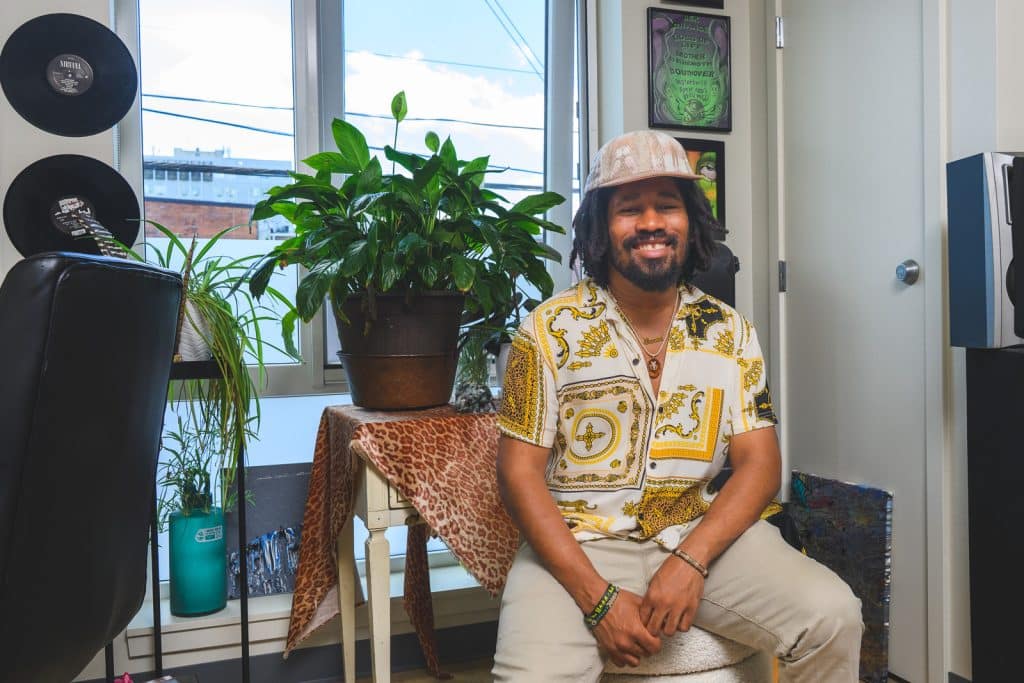
Through his job at the Delonis Center, Claybren has helped four men secure housing at Dunbar Tower. He says the millage is important because people have an opportunity to strive as members of the community.
“There are pressures that are placed on people to be housed,” he says. “It takes that social calamity off of their being outcast, because they do have a place, and a space, to be.”
A local safety net in uncertain times
The county’s affordable housing millage is increasingly serving as a local safety net, according to Amanda Carlisle. Carlisle is the executive director of the Washtenaw Housing Alliance, a coalition of over 25 nonprofit and government entities committed to ending homelessness in Washtenaw County.
“Our closest partner in affordable housing and homelessness work is really the Department of Housing and Urban Development (HUD), and we’re starting to see over the past year just some real hostility to programs that we know work, like supportive housing,” she says.
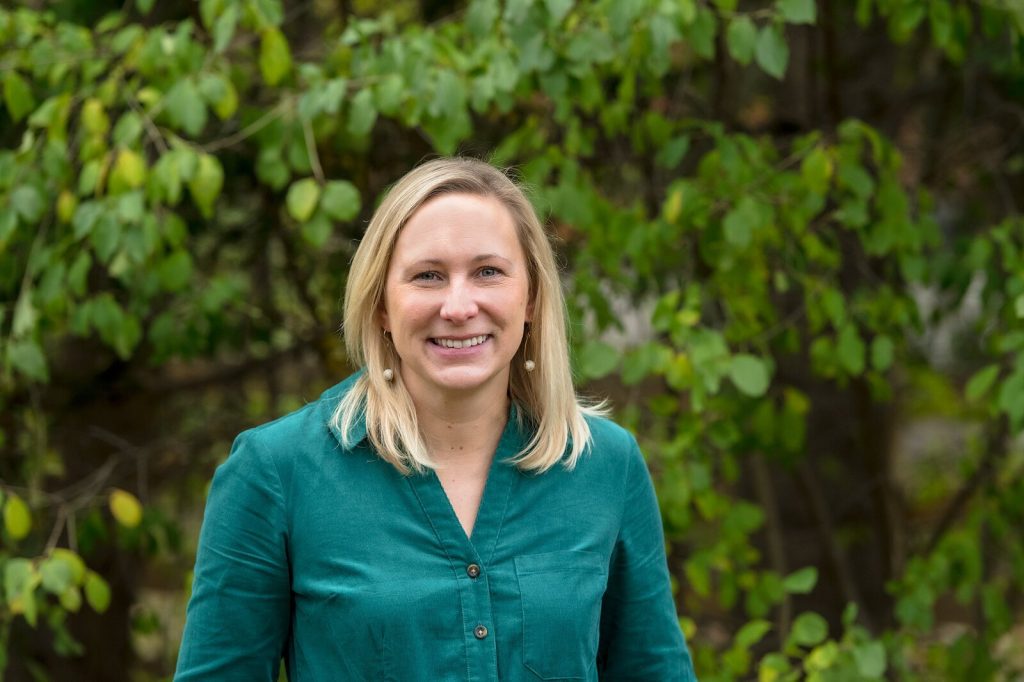
She maintains that without the county’s housing and community mental health millages, the community “would be in a lot more hurt” and would be “beholden” to federal and state decisions.
The Grove at Veridian, Avalon Housing’s development, is one of the clearest examples that Carlisle points to when it comes to the millage’s impact. Many needful residents were moved directly from emergency shelter into permanent housing at The Grove, while others transitioned from rapid rehousing programs into longer-term supportive housing. Carlisle highlights that 10 units are specifically dedicated to youth, with Ozone House providing on-site services.
“Thank goodness we have this resource that can continue to provide dollars for services at these sites when our funding at the federal level is being cut,” Carlisle says. “I always say homelessness is not an individual failure, but a failure of other systems to care for people in the ways that they need.”
Author

Related Articles
University Lending offers $10,000 grants for low- and moderate-income homebuyers
University Bank’s lending division is providing up to $10,000 grants for low- to moderate-income borrowers in Washtenaw County to achieve their homeownership dreams.
Who actually lives in Ann Arbor’s affordable housing?
Affordable housing residents are a diverse bunch who defy the stereotypes often assigned to them.
Washtenaw County housing documentary creators plan free screenings countywide
“The Road Home,” a new documentary examining challenges in Washtenaw County’s housing and homelessness systems, is now available for anyone interested in organizing a public or private screening.


