
For Banned Books Week, Ann Arbor and Ypsi librarians and booksellers defend the freedom to read
Banned Books Week, Oct. 4 – 10, aims to draw attention to censorship and promote access to information. This year’s theme, “Let Books Be. Protect the Freedom to Read,” will be reflected through programming at local libraries, bookstores, and other institutions.
This story is part of a series about arts and culture in Washtenaw County. It is made possible by the Ann Arbor Art Center, Destination Ann Arbor, Larry and Lucie Nisson, the University of Michigan Arts Initiative, and the University Musical Society.
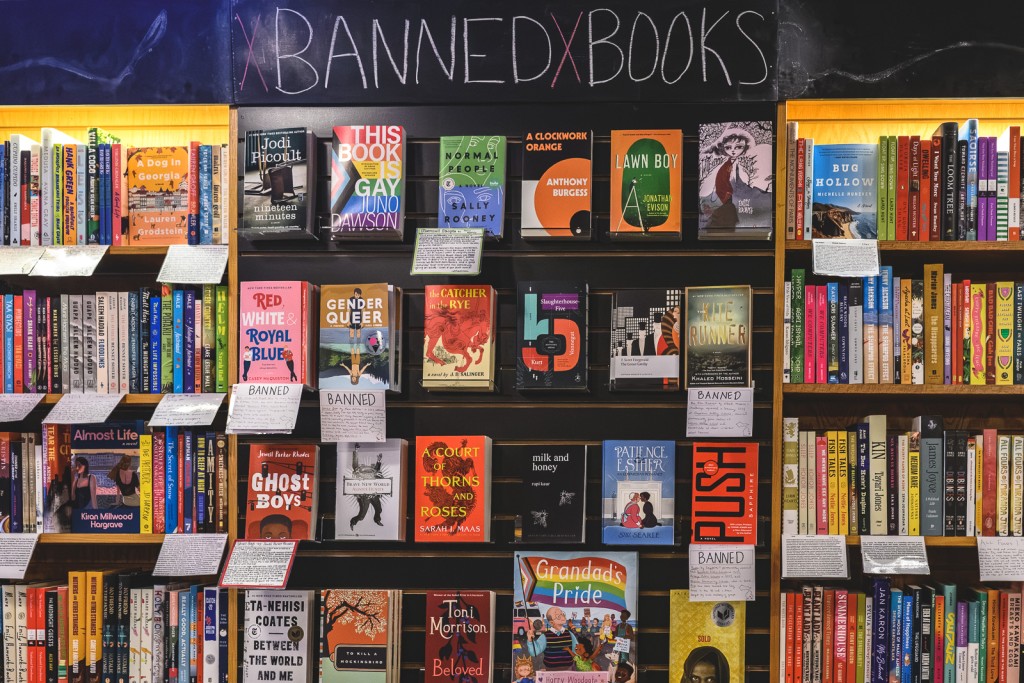
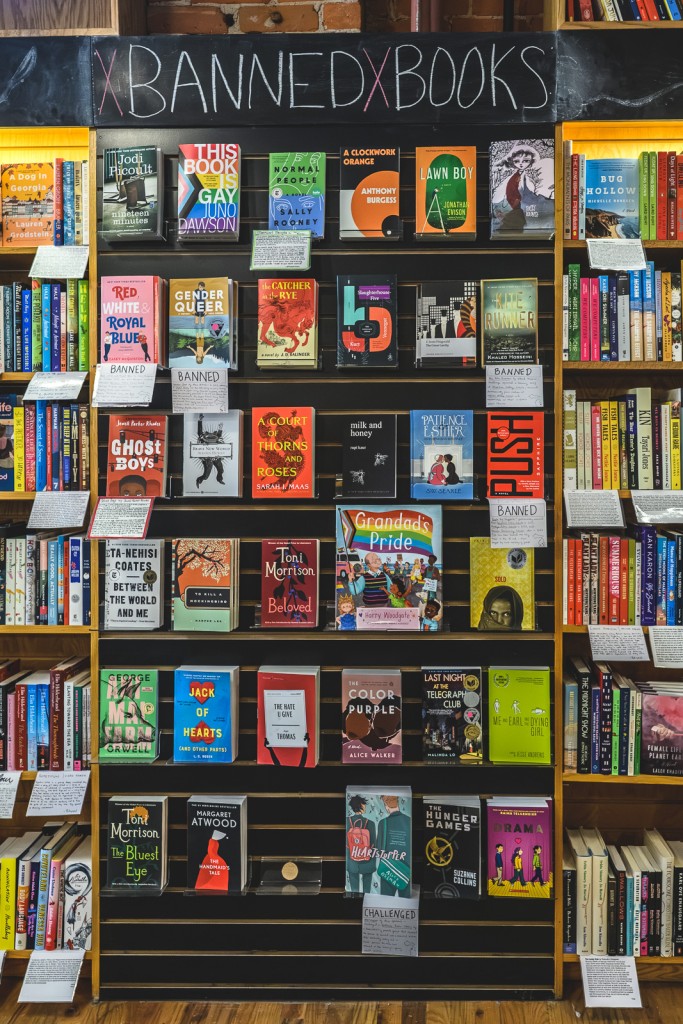
At Literati Bookstore in downtown Ann Arbor, books that have faced bans or other challenges now occupy some of the store’s most visible real estate.
For Banned Books Week, children’s bookseller Lillie Reimer says Literati plans to fill its main-floor display with frequently challenged titles, including books that have been challenged in Michigan school districts. The displays will also provide information about where the books were challenged, why they drew objections, and how the challenges were ultimately resolved.
Held Oct. 4 – 10 this year, Banned Books Week is an annual national campaign organized by a coalition of organizations, including the American Library Association, to draw attention to censorship and promote access to information. This year’s theme, “Let Books Be. Protect the Freedom to Read,” will be reflected through programming at local libraries, bookstores, and other institutions.
At Literati, that means deliberately placing titles that some have sought to remove from public view in a prime spot where shoppers can easily encounter them.
The distinction between a book existing somewhere and a reader’s ability to actually encounter it is central to Abigail Stewart’s work at the University of Michigan (U-M).
“They don’t call it banned if you have to ask for it, but it’s lack of access,” Stewart says. “It’s not out there where a kid could see it and get curious.”
Stewart, U-M Professor of Psychology and Women’s and Gender Studies and an affiliate of the Center for Social Solutions, is part of a group of eight retired but still-active academics whose work has focused on access to books, particularly for children and adolescents. Their project, “Banned Books: Why Young People Need Them” began with a deceptively simple question.
“It’s easy to say book banning is bad, and it’s bad not to have access to books,” Stewart says. “But why is it bad to ban this book? What is it that happens, could happen, does happen as a result of this book not being available to kids?”
In other words, what disappears when a book can’t be accessed?
For Stewart, the answer can include knowledge of history, the opportunity to encounter an unfamiliar life, and the chance to better understand one’s own.
She points to “The 1619 Project: Born on the Water,” a children’s book by Nikole Hannah-Jones and Renée Watson, illustrated by Nikkolas Smith, about a young Black girl learning about her family’s heritage from her grandmother. Stewart describes the grandmother as a kind of surrogate for children who may not otherwise have someone to tell them that history.
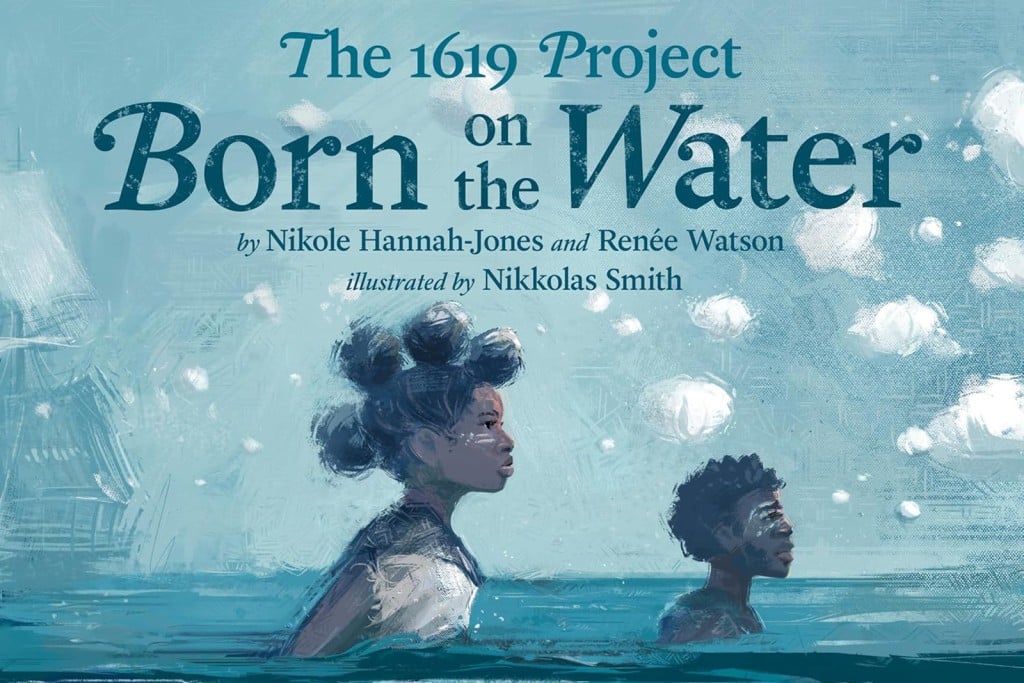
“When African people were enslaved and brought to this country, they were leaving a culture,” Stewart says. “They were not leaving nothing. They were leaving music. They were leaving religion. They were leaving social structures.”
Without those stories, she argues, gaps in knowledge can persist unnecessarily.
“It’s a form of ignorance that we don’t need to have if this book is read,” she says.
But books do more than supply information. Stewart argues that they can also give readers access to experiences far removed from their own.
“Those experiences are cut off if we only read about what we already know,” she says.
For Reimer, that possibility is not an abstract one.
In her early 20s, she read Dale Walls’ “The Queer Girl Is Going to Be Okay,” a coming-of-age novel following three queer girls approaching the end of high school. Reimer had encountered queer characters before, but much of the media she consumed centered on their suffering.
“So much of the queer media that I had consumed up until that point was so sad and was so bent on having these queer characters suffer, seemingly for the sake of suffering and for being sad,” Reimer says.
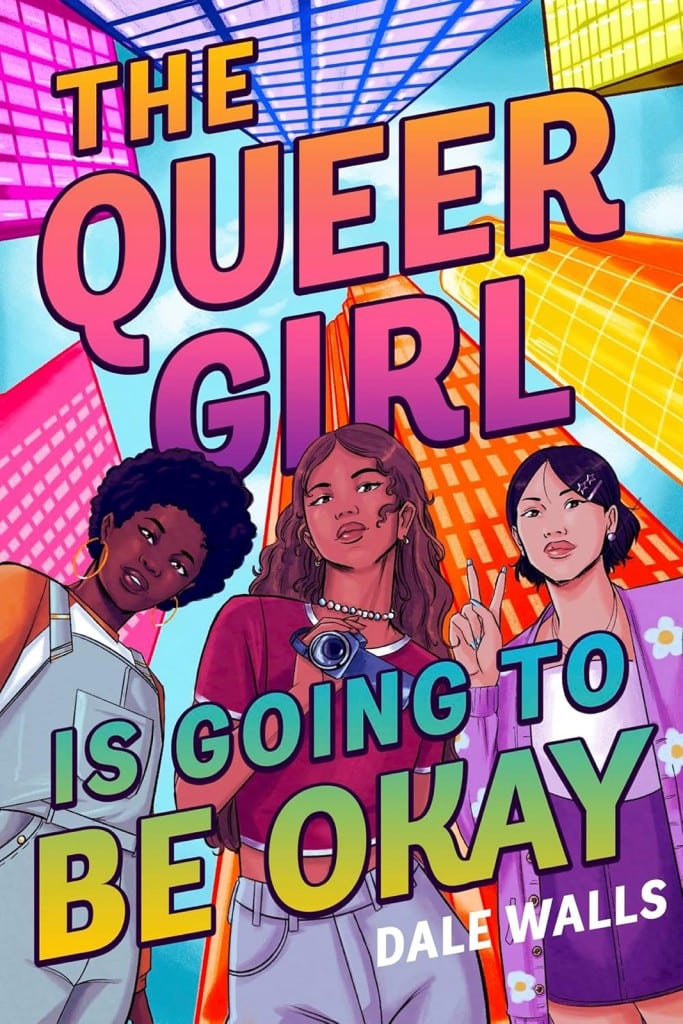
Walls’ book offered something different: a depiction of an ordinary life and the possibility of an ordinary happy ending.
“It was so important to me to see the queer girl be okay,” Reimer says. “It was so kind of life-changing to see a queer character get a normal, happy ending. It was so peaceful.”
Representation, in that sense, is just as much about the range of lives those characters are permitted to inhabit as it is about who is in the book.
Reimer now works on the other side of that exchange, helping children and parents find books at Literati. Those conversations can turn abstract debates about censorship and age appropriateness into practical questions about what a particular child might be ready to read.
Younger readers sometimes reach for books marketed to teenagers, Reimer says, so she may help parents find another title with similar themes but content better suited to the reader’s age.
During holiday shopping, another consideration sometimes emerges: how accepting the recipient’s family might be of stories that do not center white, straight characters.
Particularly with queer books, Reimer says she is conscious of not recommending something that could put a young reader in a difficult position at home.
“I don’t want the kid getting in trouble or for [the book] to put them in any sort of danger,” she says.
Sometimes she approaches a difficult conversation through the book itself.
“Oh my gosh, everything you’ve described, this book has it,” Reimer tells shoppers, “and it just happens to have a queer lead or a lead of color.”
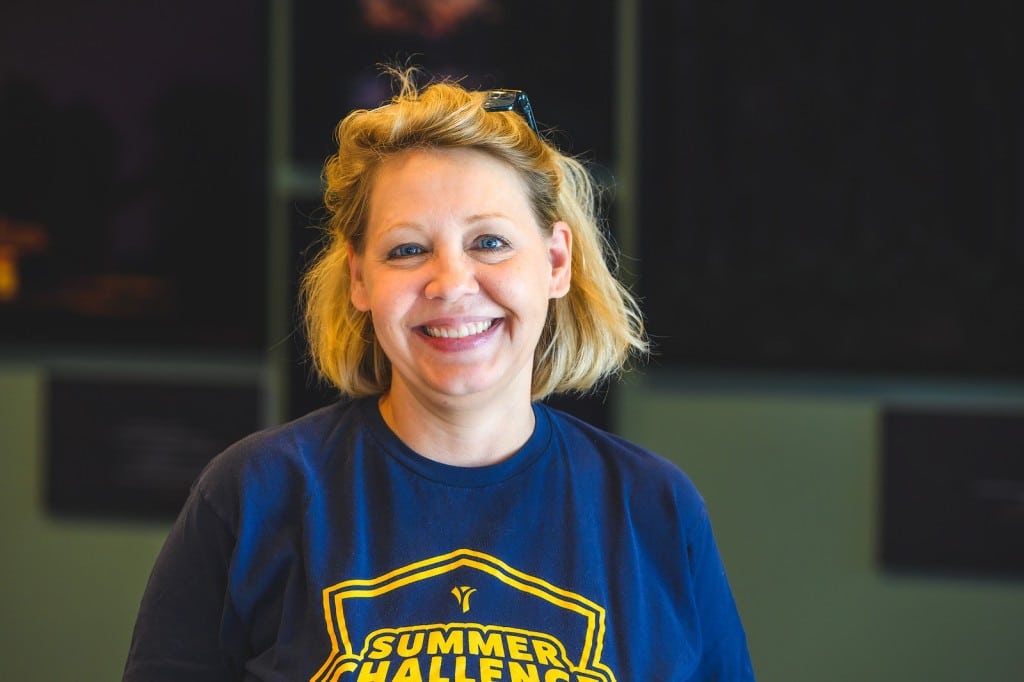
At the Ypsilanti District Library (YDL), Assistant Director Julianne Smith approaches the same questions of access and representation with the responsibilities of a public institution.
Ypsilanti’s diversity extends across race, gender, income, and education, Smith says, and a public library has to serve all of those communities.
“When those groups are talking about banning books, to me, I hear: you’re cutting out certain people in our community,” Smith says.
After more than 20 years at YDL, she says the idea of excluding any readers from the library makes her “skin crawl.”
“No one should be shut out of their public library,” she says.
Smith says the subjects at the center of censorship disputes have shifted throughout her career and over preceding decades from books addressing war and race to women’s lives and, increasingly in recent years, LGBTQ+ themes.
“You see these waves,” she says. “We can kind of predict them. But that’s why it’s so important to protect those voices.”
For Smith, however, intellectual freedom also means protecting access to viewpoints she may not share.
She describes Ypsilanti as a generally liberal and accepting community, but notes that conservative residents are part of the library’s public, too.
“There are a lot of people who are more conservative, and they also deserve to go to their library and to find authors and topics that interest them,” Smith says.
Just as conservative patrons should not determine what other readers can access, Smith says, liberal patrons should not seek to ban conservative writers simply because they disagree with them.
“They deserve to find their mirrors and windows and doors, too.”
That delta between deciding what is appropriate for oneself or one’s child and what should remain available to everyone is one that Stewart frequently encounters in her work.
Stewart does not dismiss parents who are uncertain about what their children should read. Questions about potentially difficult material and developmental appropriateness deserve consideration, she says.
“There is a large group of people, maybe lots of parents, who aren’t sure what to think, who are afraid [that] maybe there are books that are bad for my kid,” Stewart says. “They just are worried about being a good parent. That’s a legitimate worry.”
The answer, in her view, is not to insist that every child must read every book, but to create room for more informed conversations about what a book contains, what risks it may present, and what a young reader might gain from it.
Sometimes that can be as simple as a parent reading alongside a child.
“If you talk about the book, it gives you a place to enter the conversation,” Stewart says. “The kid can ask questions based on what’s in the book.”
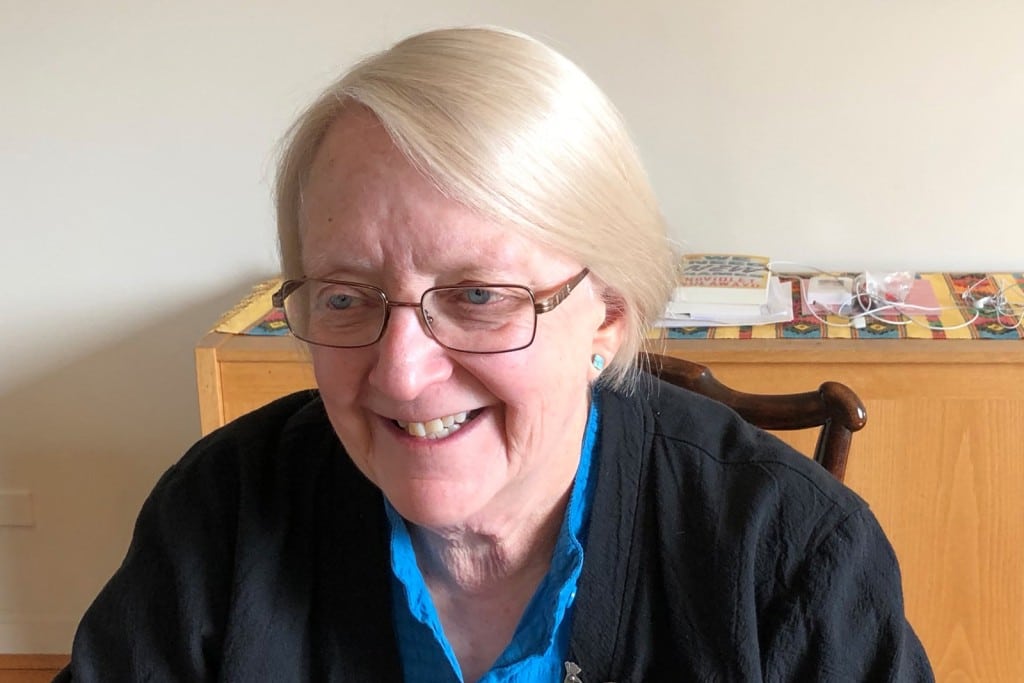
For all the national attention surrounding book censorship, Stewart says she’s been surprised by how much of the process ultimately plays out close to home.
“It’s terribly local,” she said. “It’s shockingly local.”
Procedures differ among schools and libraries, but formal challenges typically involve a written request for reconsideration identifying the material at issue and the reasons for the complaint, according to the American Library Association. Some institutions require challengers to identify particular passages or pages they find objectionable, a requirement Stewart considers important because librarians have told her that some people seeking to remove books have not read them in full.
The ideas motivating those challenges, however, do not always originate locally. Stewart and Reimer both describe organized efforts that circulate lists of titles or objections across communities, leaving local institutions to decide how to respond.
“In so many cases, these book bannings are not coming from within the community that they’re [appearing in],” Reimer says. “It is often groups that are out of town or even out of state that are submitting all of this information and these ideas.”
But the local decision-making can work in both directions. Stewart says residents can participate in reconsideration processes, push for challengers to identify the specific passages or content they object to, encourage decision-makers to read challenged books, and bring teachers or subject matter experts into discussions.
YDL has taken a considerably more visible approach to those conversations.
At its Superior branch, a Banned Books Club that began as an experiment has drawn both regular participants and newcomers. Smith says some attendees are surprised to discover that book challenges are not simply artifacts of distant history.
“They think of Nazi Germany as the last time [book bans] happened,” Smith says. “It’s like, no, that happened up north last year.”
And this fall, some challenged authors will become fugitives.
For its own Banned Books Week programming, YDL is creating a Banned Books Saloon, complete with wanted posters identifying authors and the reasons their books have faced challenges.
Previous displays have invited visitors to guess why particular books were challenged, and have included burned books and books displayed under lock and key to depict censorship. YDL extends its own display beyond Banned Books Week itself, keeping it up for a month so visitors have more opportunities to encounter it.
“We know not everyone has the power to visit the library in the same week,” Smith says.
Similarly, Literati extends its display beyond the official week, Reimer says, keeping challenged books prominent on the main floor through the first half of the following month. As an independent bookstore, it also occupies a different position than a public library or school does.
“We’re a private business,” Reimer says. “There’s nothing stopping us from carrying these books.”
From a university project to a public library and an independent bookstore, approaches to Banned Books Week differ: scholarship and discussion, book clubs and exhibits, recommendations and displays. But each returns to the same practical question of whether a book remains somewhere a reader can encounter it—even a reader who did not already know to look for it.
That possibility of unexpected discovery is what Stewart worries might disappear when access becomes more restricted.
“It’s not out there where a kid could see it and get curious,” she says.
For Stewart, curiosity can lead to information, but also to something less easily measured: the temporary experience of another person’s world.
“We can learn to empathize,” she says. “We can learn how to be better humans by reading a book.”
Which brings Stewart back to the question at the center of the project: “What’s lost if you don’t read these books?”
Related Articles
Ann Arbor artist hosts annual outdoor sale to benefit public art program
Glass artist Larry Nisson hosts an annual sale of his work from noon to 5 p.m. on Sept. 27 at his Ann Arbor home.
The Ann Arbor Symphony Orchestra brings its concert series to Ypsi for the first time
The 2026-27 season offers many firsts for the Ann Arbor Symphony Orchestra, from an Ypsilanti footprint to a live accompaniment of Disney’s ‘Frozen.’
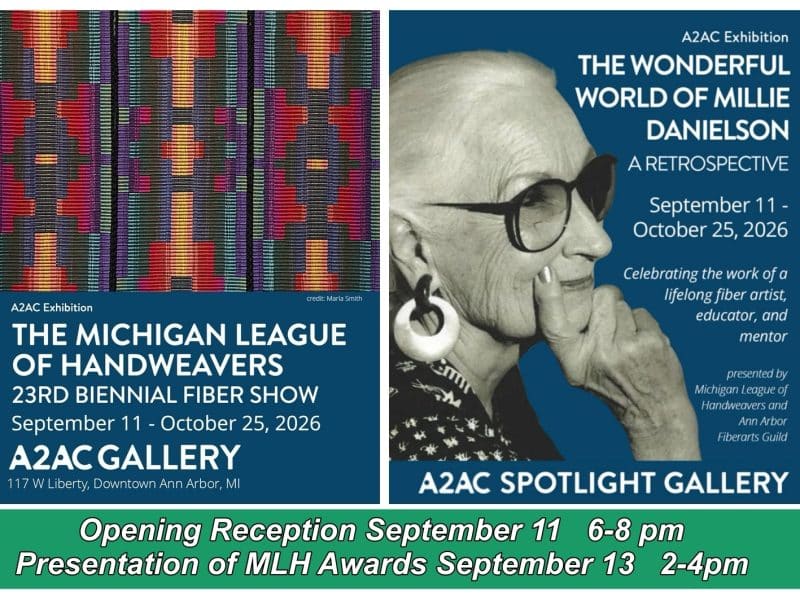
Michigan League of Handweavers’ biennial show in Ann Arbor will feature myriad disciplines
From weaving to doll-making, a broad range of craftsmanship will be featured in both exhibitions and public demonstrations at the Michigan League of Handweavers’ 23rd Biennial Fiber Show.


