Ypsi Community Schools and Lincoln Consolidated Schools collaborate on learning initiative
The 3P Champions Collaborative Learning Initiative aims to develop a curriculum focused on STEM and experiential learning–and to pair teachers with “champions” experienced in the new approach. Students in pre-K–12 classrooms have been delving into hands-on, project-based learning while their teachers see increased support and leadership.
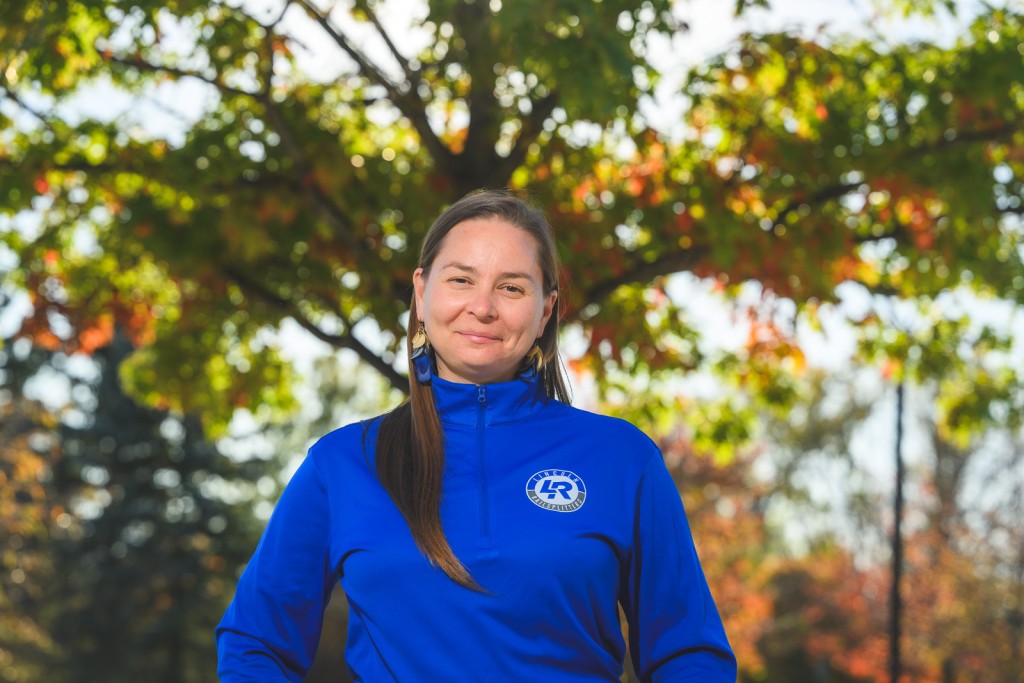
As part of a new initiative between Ypsilanti Community Schools (YCS) and Lincoln Consolidated Schools (LCS), students in pre-K–12 classrooms have been delving into hands-on, project-based learning while their teachers see increased support and leadership.
The 3P Champions Collaborative Learning Initiative, which is funded by a Toyota Driving Possibilities grant, aims to develop a curriculum focused on science, technology, engineering, math (STEM) and experiential learning–and to pair teachers with “champions” experienced in the new approach.
Kelly Mickel, director of STEM innovation for YCS, says the goal of the partnership is that “both districts will create and enact a STEM curriculum map rooted in…PK-12 experiential learning and aligned with core subjects” by April 2028.
The three Ps stand for place-, problem-, and project-based, and are intended to connect core content areas and what teachers are already teaching to make learning more experiential and to expand on STEM content.
The place-based part of the equation means “ learning within your community and really understanding our community, both the rural side and downtown ,” says Jessica Crowley, STEM coordinator for LCS.
The method also encourages students to work on meaningful projects affecting “a real, authentic problem facing a community,” to demonstrate what they’ve learned, Crowley says.
In a career technical education class, for example, students manufactured a piece to fix the school’s HVAC system.
“They’re obviously fixing their place to make it more functional,” Crowley says–and, in the process, impacting everyone else in the school community.
The 3P Champion model also places champions in each school to provide coaching and conversation with colleagues on the 3P initiative.
“They’re the ones helping to write the STEM curriculum map,” says Mickel.
Mickel’s hope is that the end result will be “a curriculum map written by teachers for teachers. We are really working hard to build on what’s already happening and not create one more thing for teachers to do.”
For champions themselves, the work is an extension of what is already happening in the classroom.
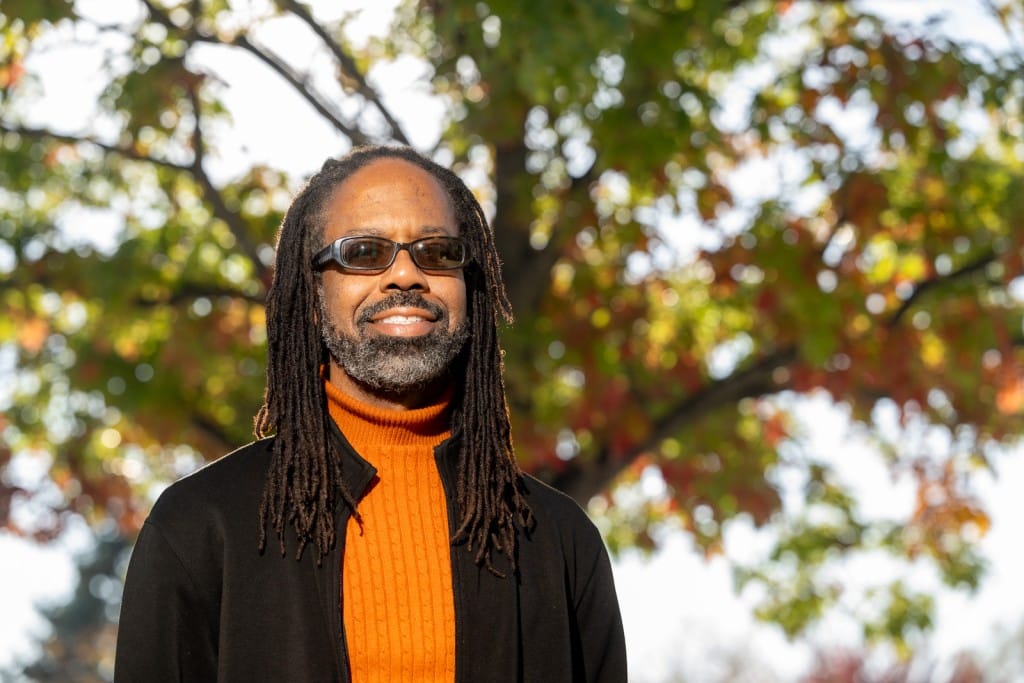
Keith Johnson, 3P champion, IB coordinator, and instructional coach, or mentor for other teachers at Ypsilanti Community Middle School, says he was interested in becoming a 3P champion because the program aligns with “the framework of our curriculum and our learning experiences…and instructional practices.”
“Our teachers can really enhance [students’] learning experiences and make them more authentic as well as help the kids see that what they’re learning in the classroom is transferable outside of the classroom and from subject matter to subject matter,” Johnson says.
This past summer, teachers involved in the program spent time “diving deep into our curriculum and looking at where some of these three Ps can be intuitively designed,” says Megan Carr, 3P champion and Title I teacher at YCS’ Perry Early Learning Center. “We’re taking curriculum and tools that we already have in place for our students and building upon that.” That means expanding existing topics to include a deeper experiential component.
In one first grade classroom, for example, the curriculum currently includes a unit on gardening, which is approached through read-alouds and videos.
“But what we hope to have is more hands-on opportunities for kids to go to gardens or to pick some fresh fruits and vegetables and get to cut things up and make fresh salsa or something like that,” says Carr.
The Toyota grant helps make some of those things possible by providing teachers with classroom materials and the funding to go on field trips, including visits to the Michigan Science Center and Ann Arbor Hands-On Museum. According to Mickel, for the 2025-26 school year, the grant has already funded 10 field trips, which have engaged 1,132 students combined.
The Toyota Driving Possibilities grant represents an investment of approximately $2 million annually over five years (2023–2028), but organizers are looking for ways to continue the work in the future.
“We’re tapping our partnership with Toyota to maximize that learning and provide stipends for teachers to work with 3P champions outside of school hours,” says Mickel. “We’re also working on other grant opportunities and finding the funding within our budgets to carry this work forward because it can’t just be one year.”
The program is intended to be sustainable and to work for teachers, who will be enacting and using the tools put into place.
Carr says she knows teachers who are already interested in becoming involved, and she’s glad to see that their workloads won’t be increasing.
“So often teachers are giving up their own personal time for projects like this, so it’s wonderful to have a grant-based project where we can pay teachers for [their] time and effort,” Carr says. “That makes teachers feel more valued, which correlates into everything they’re doing in the classroom, making it meaningful for students, too.”
The initiative is also about connecting the dots between subjects and making things engaging for students.
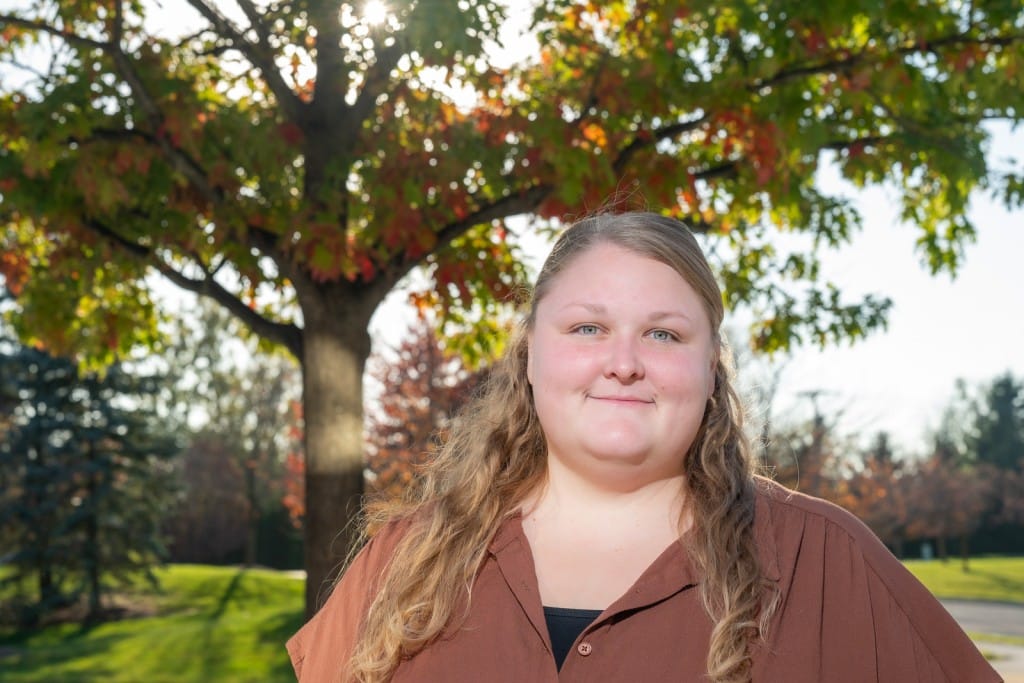
“In education, especially increasingly at the elementary level, there are a lot of standardized tests and there’s a lot of siloed subjects,” says Gretchen Marshall, 3P champion and third grade Spanish immersion teacher at LCS’ Bishop Elementary.
It’s easy for both students and teachers to get so caught up in math and reading requirements, Marshall says, that they forget about the larger goal: to learn.
“It can easily get away from those moments that kids cherish and that really builds their love of the place [where] they live, the people that live here, and a connection to the greater world,” Marshall says. “The work we’re trying to do…is to really personalize science learning and do things that are relevant to the needs of the community.”
For Marshall, this has meant developing a Spanish language arts unit that explores the region’s surrounding wetlands, thinking about what they looked like during the Ice Age, and then engaging in creative writing in Spanish on the subject.
“We also tied in the science of mastodons and giant beavers…because that’s the stuff that makes kids really come alive,” Marshall says.
Mickel says the 3P approach works “because it provides scholars with hands-on engaging questions that fuel curiosity. That’s what makes them want to keep moving through the lessons in the unit.”
According to Crowley, the initiative is also building a support network for teachers who support their colleagues in developing and implementing place-, problem-, and project-based learning experiences.
Through modeling, co-planning, co-teaching and professional learning, champions help build teachers’ confidence and capacity to incorporate experiential learning into everyday instruction.
“This is a group of folks that are going to support other teachers and are exploring ideas and advocating for the resources and the time to do this,” she says. “We’re building that capacity through teachers. It’s not just more administrators saying, ‘Do these cool things.’ Teachers are advocating for this work, too.”
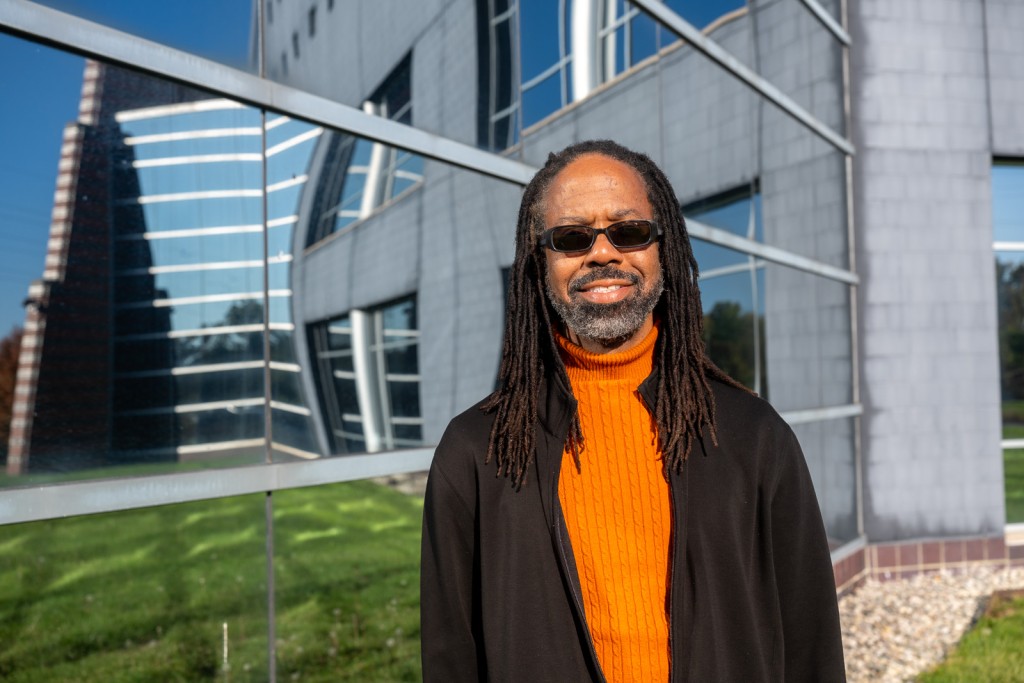
Keith Johnson says the initiative is about partnerships with the community and different schools, and about helping kids develop a sense of where they fit.
“When kids see how what they learn in school can connect with where they are…and how they interact with the environment around them, they’re more invested and they’ll have a better sense of belonging…from a local standpoint to even a more global standpoint.”
The 3P champions’ work is about more than improving academic skills, Mickel says.
“[Students are] developing communication skills, collaboration skills, and problem-solving skills.”
“It’s really important to note that we’re truly looking at the whole child in this kind of teaching and learning,” says Mickel. “The 3P champions are supporting their colleagues, but that’s direct support for scholars, too.”
Related Articles
Washtenaw County school to host new free pre-kindergarten program
A new free pre-kindergarten program will be available to 15 3- and 4-year-olds in the Washtenaw Intermediate School District (WISD) this school year.
Why early childhood belongs on every Michigan voter’s ballot
Why Michigan voters should pay attention candidates’ stands on childcare and early learning.
WCC rolls out new Mobile Classroom for offsite learning
Washtenaw Community College is taking its classes beyond traditional campus borders this summer with a new project: a 48-foot-long mobile unit called the Mobile Classroom.