Washtenaw Intermediate School District recommits to Head Start after proposed federal rulemaking
n response to a proposed rule by the federal government, WISD submitted a public statement that “focuses on preserving access and removing barriers to Head Start.”
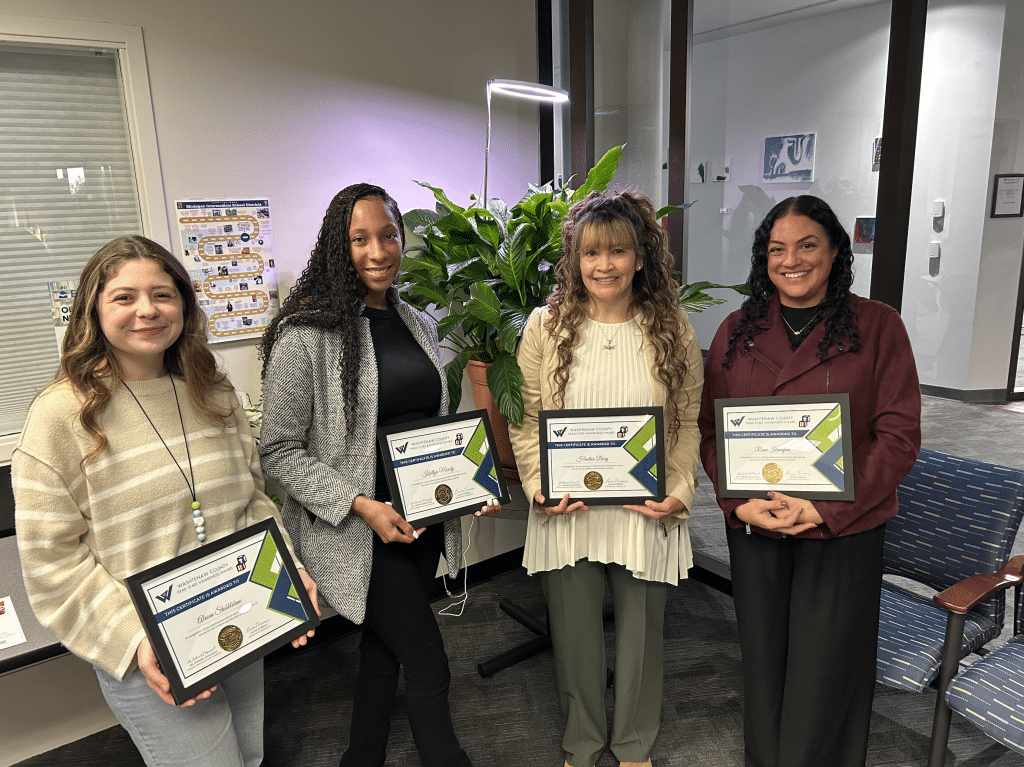
Washtenaw Intermediate School District (WISD) recently reaffirmed its support of the Head Start and Early Head Start programs, which have served more than 40 million children nationally since 1965. In response to a proposed rule by the federal government, WISD submitted a public comment during October’s Head Start Start Awareness Month.
The statement “focuses on preserving access and removing barriers to Head Start,” says Ashley Kryscynski, director of communications and public relations for WISD.
Head Start and Early Head Start connect low-income children and families with early learning, health, nutrition, and family support intended to build a foundation for lifelong learning and success.
“The program supports parents in staying employed, participating in job training, or attending school,” says Kryscynski. “There’s an economic value for family and communities when parents are able to go to work while kids are in a high-quality classroom.”
The district’s comment emphasizes the importance of protecting access to comprehensive, high-quality early childhood services. Key points emphasize preserving access and removing barriers for children and families; protecting services for children with disabilities and dual language learners; maintaining protections that keep young children in school; preserving service duration that supports children and working families; and safeguarding parent voices and protecting high-quality early childhood staff.
Among other changes, the current administration proposes removing federal qualification requirements for many non-teaching roles and would restrict programs from requiring or incentivizing postsecondary credentials unless they can demonstrate those credentials are necessary for the position. The WISD believes early childhood educators and their learning and professionalism should be valued.
The federal Department of Health and Human Services and the Administration for Children and Families will next review the tens of thousands of public comments submitted and issue a final rule. The timeline for issuing the final rule is unknown.
WISD notes that Head Start still has availability for 3- and 4-year-olds in Ypsilanti and Ann Arbor.
“Head Start is essential for early childhood education,” says Kryscynski.