
Ypsi officials and activists prepare for climate emergency
As extreme heat, wildfire smoke, and power outages become more and more prevalent in Washtenaw County, a growing network of local officials, health professionals, and community organizers is working to help Ypsilanti residents do more than simply weather the next emergency.
On the Ground Ypsilanti is an “embedded journalism” program covering the city and township of Ypsilanti. It is supported by Ann Arbor SPARK, the Center for Health and Research Transformation, Destination Ann Arbor, Eastern Michigan University, Engage @ EMU, Washtenaw Community College, Washtenaw County Parks and Recreation Commission, and Washtenaw ISD.
As extreme heat, wildfire smoke, and power outages become more and more prevalent in Washtenaw County each year, a growing network of local officials, health professionals, and community organizers is working to help Ypsilanti residents do more than simply weather the next emergency. The work takes many forms: opening public buildings as cooling centers, distributing masks and water, tracking health impacts, preparing emergency plans, and building neighborhood networks that can move information and resources to people who may otherwise be missed.
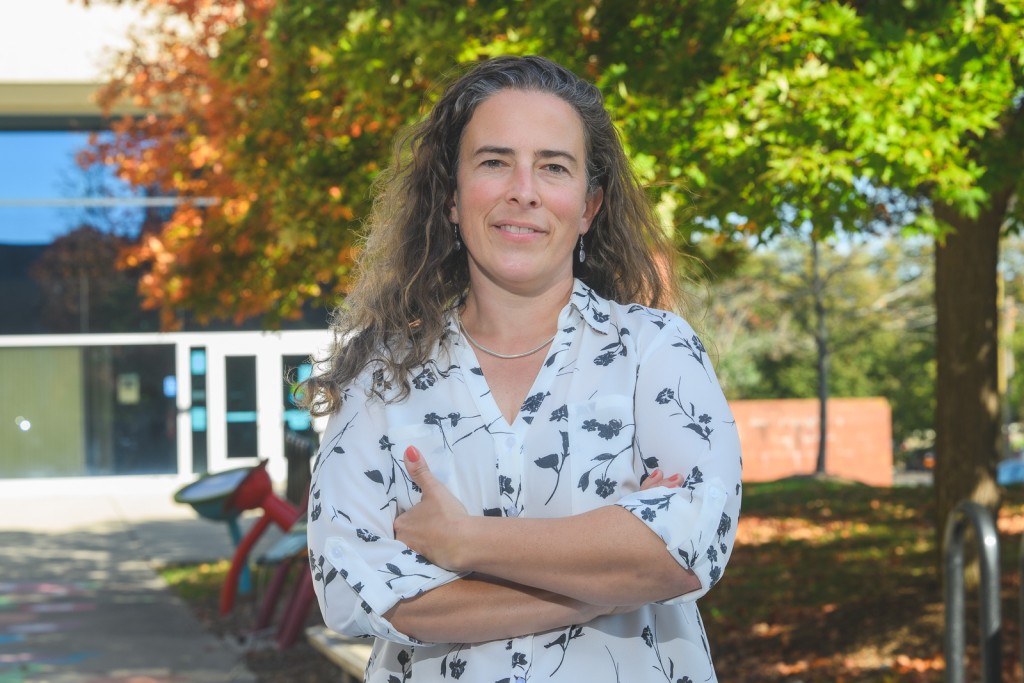
For Beth Gibbons, director of the Washtenaw County Resiliency Office, the challenge is increasingly about changing how communities understand emergencies in the first place.
“My colleagues are not surprised by disasters, but we’re all having to adjust to the reality that this is going to be more of our day to day,” says Gibbons.
The most persistent climate risks in southeast Michigan are still extreme storms and flooding, Gibbons says, but recent heat waves and wildfire smoke have added another dimension to the region’s preparedness needs. The human body can struggle to cool itself during prolonged heat, making extreme temperatures particularly dangerous for people with underlying health conditions or other vulnerabilities. Wildfire smoke presents another emerging threat, as it can travel hundreds of miles, bringing fine particles that can affect the health of even otherwise healthy people.
The county has responded by expanding access to relief spaces during extreme weather. County buildings are available to the public during regular hours, and the Towner Building in Ypsilanti has remained open later during some extreme heat events. Local library branches also provide places where residents can find cooler air during regular operating hours.
During recent days of poor air quality, the county deployed its Mobile Support Services Initiative, or MSSI, bus in Ypsilanti to distribute masks and water and bring county services farther into the community. The response is becoming more coordinated as officials recognize that extreme weather cannot always be treated as individual, isolated events.
Gibbons says the county is developing an air quality response plan based on practices used in regions of the country with longer histories of exposure to wildfire smoke.
“One of the biggest challenges is getting information out to people in a timely way and making sure it reaches the people who need it most,” says Gibbons.
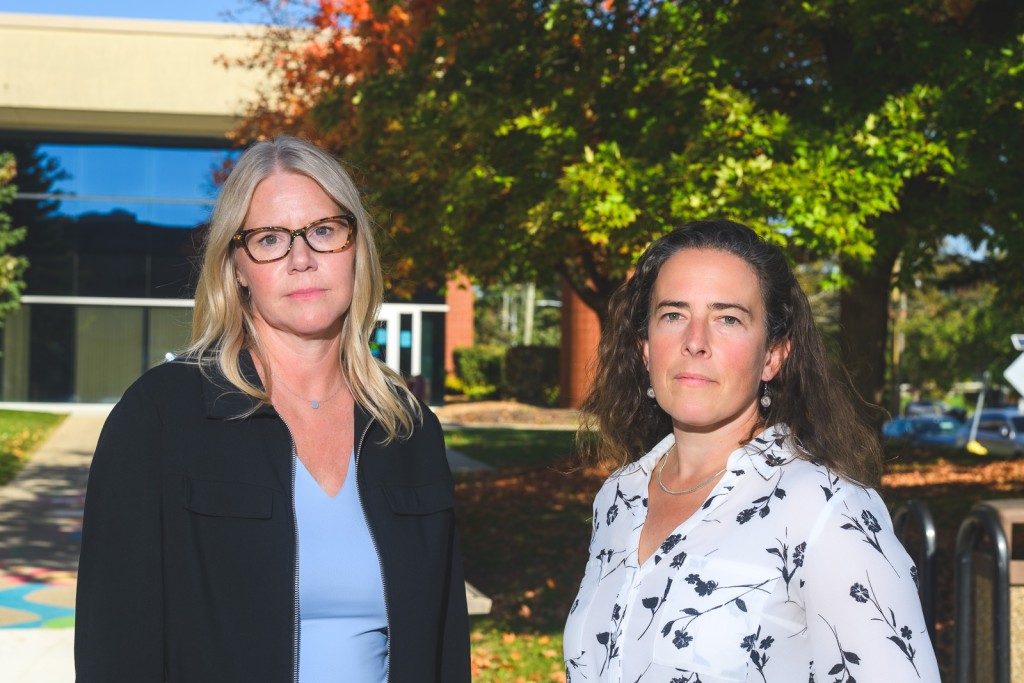
That challenge sits at the center of the Washtenaw County Health Department’s emergency preparedness work. Kimberly Collom, the department’s emergency preparedness program manager, says identifying vulnerable populations is essential to making sure warnings about heat and air quality reach the residents who need them.
Youth, older adults, and people who may not have reliable access to information can face greater risks during extreme weather. Community organizations are particularly important because they often serve as trusted messengers for populations that government agencies may have difficulty reaching directly.
“It’s all about getting information out to those who need it most,” says Collom.
That means using more than social media or government websites. The Health Department works with municipalities, schools, health systems, libraries, and community organizations to distribute information, while the county’s Everbridge emergency notification system provides another avenue for weather-related alerts.
Collom says preparedness also starts before an emergency. Residents should understand which hazards are most relevant to themselves and their families, maintain basic supplies such as water and medications, and think ahead about where they could go if their home becomes unsafe.
For people with refrigerated medications, for example, a power outage can create an additional emergency. Collom recommends thinking ahead about whether a family member, friend, neighbor, or community organization could provide access to a generator or another way to safely store medication.
“Knowing who to turn to is important,” says Collom. “Connect with a neighbor, family member, or someone else in the community who may be able to help you during a heat-related situation or power outage.”
The Health Department is also adapting its approach based on what officials learn from each emergency. Local surveillance systems can help identify increases in heat-related illness, asthma, and other symptoms associated with poor air quality, while after-action reviews help officials determine what worked and what needs to change. That process has already influenced planning for future air quality events and cooling centers.
But for the Interfaith Council for Peace and Justice, preparing for climate emergencies also means asking why some people are more exposed to those emergencies in the first place. Desirae Simmons, director of ICPJ, says the organization’s environmental work has increasingly incorporated racial and economic justice, with a focus on communities that experience disproportionate health and environmental burdens.
“ICPJ has long been focused on environmental stewardship and issues like that,” says Simmons. “We think it’s important to also bring racial and economic justice into that work.”
ICPJ has worked with local and statewide coalitions on climate and environmental issues while developing neighborhood-level projects focused on resilience. Those efforts have included composting, food rescue, tool sharing, and strengthening community relationships. The goal is not simply to create a list of resources, Simmons says, but to develop the relationships that allow those resources and information to move quickly when people need them.
“Strong community infrastructure and communication are necessary for the fast distribution of information,” says Simmons.
That philosophy has become particularly relevant during poor air quality events, when some residents may not understand the risks of wildfire smoke or have access to protective equipment.
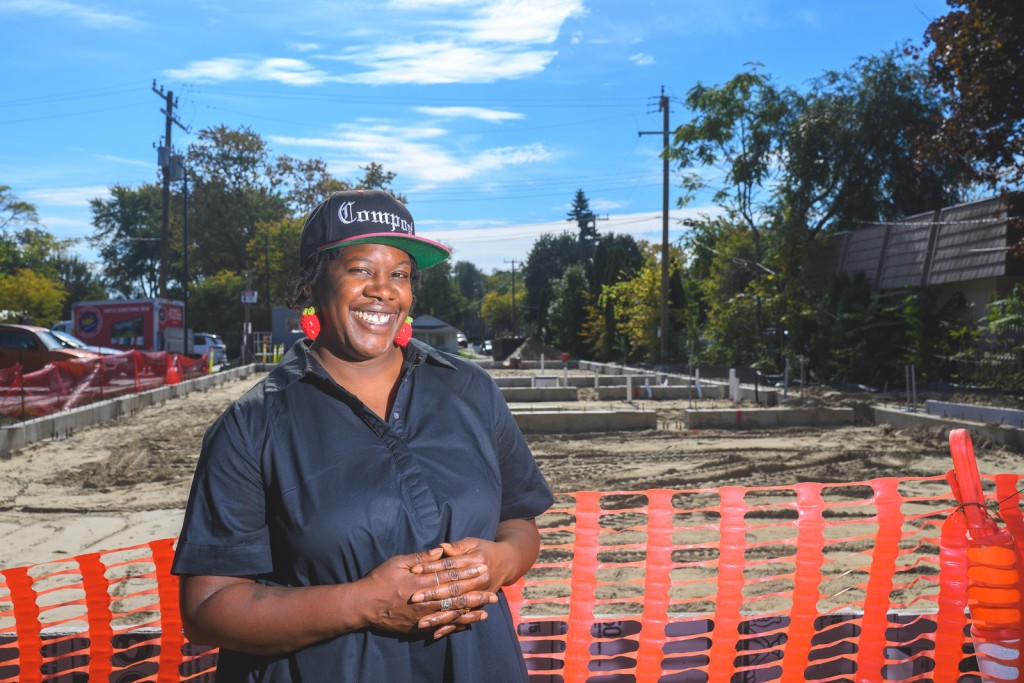
ICPJ has also been working toward the development of a community space on Michigan Avenue intended to support “art, healing and organizing.” Simmons says the organization is exploring the possibility of making the location a resiliency hub, another physical place where residents can go when they need support.
The broader effort reflects a shift in how local advocates understand resilience. Preparing for extreme heat is not only about finding a place with air conditioning once temperatures have risen. It can also mean building neighborhood relationships before an emergency, improving access to food and energy, and making sure residents have a voice in decisions that affect their environment.
That work extends into questions about electricity and infrastructure. ICPJ has supported the Ann Arbor public power effort, with Simmons arguing that decisions about energy systems can have regional implications for Ypsilanti and surrounding communities. For Simmons, resilience ultimately requires examining who has access to resources and who bears the consequences when systems fail.
“When we think about resilience, we also have to look at who actually gets those resources,” says Simmons. “Part of what we’re looking at in terms of resilience is the interests of the general community versus corporate interests.”
Gibbons sees a similar need for systems-level preparation. The county is preparing a climate vulnerability assessment and a new hazard mitigation planning process beginning in 2027, which officials hope will provide a more comprehensive picture of climate risks across Washtenaw County and help communities pursue funding for mitigation before disasters occur.
The approach, Gibbons says, is intended to begin with residents’ experiences rather than simply relying on top-down assessments.
“Hazard mitigation planning is climate planning 101,” says Gibbons. “When those plans are done well, they’re a great tool for a community to understand the risks.”
For Collom, however, preparedness ultimately comes back to the individual and the neighborhood.
“Having a plan means knowing where you can go if you need to leave home,” says Collom. “That could be a cooling site, another community organization, or a family member.”
Keep up with the latest updates regarding climate, health, and safety by visiting the Health Department’s website. More information about ICPJ’s work and collaboration opportunities can be found at icpj.org.
“Preparedness always has to happen before the event,” says Collom. “That’s what we’re working on, and we’re always looking at ways to improve.”
Author

Related Articles

New Ypsi farmers and gardeners added to library’s oral history project
The newest expansion of the Ypsi Farmers & Gardeners Oral History Project adds 12 narrators’ reflections on growing food, family, culture, and community in Ypsi.
Ann Arbor Local Food Festival to feature nearly 60 local food vendors and organizations
The event will bring together nearly 60 local businesses, farmers, food vendors, and community organizations for an evening designed to help attendees taste, learn, and connect.
Ann Arbor resident trains “Michigan Conservation Dogs” to sniff out invasive species
Ann Arbor dog trainer Hannah Ashmore is building a network of dogs and handlers trained to sniff out environmental threats that human eyes can miss.


