
Research shows ongoing life expectancy disparities between Ypsi and Ann Arbor
New research concludes that socioeconomic disparities continue to contribute to lower life expectancy in Ypsi, particularly for residents of color.
On the Ground Ypsilanti is an “embedded journalism” program covering the city and township of Ypsilanti. It is supported by Ann Arbor SPARK, the Center for Health and Research Transformation, Destination Ann Arbor, Eastern Michigan University, Engage @ EMU, Washtenaw Community College, Washtenaw County Parks and Recreation Commission, and Washtenaw ISD.
Recent research from health education nonprofit Washtenaw Optimal Wellness (WOW) is shedding new light on the stark differences in life expectancy between Ann Arbor and Ypsilanti.
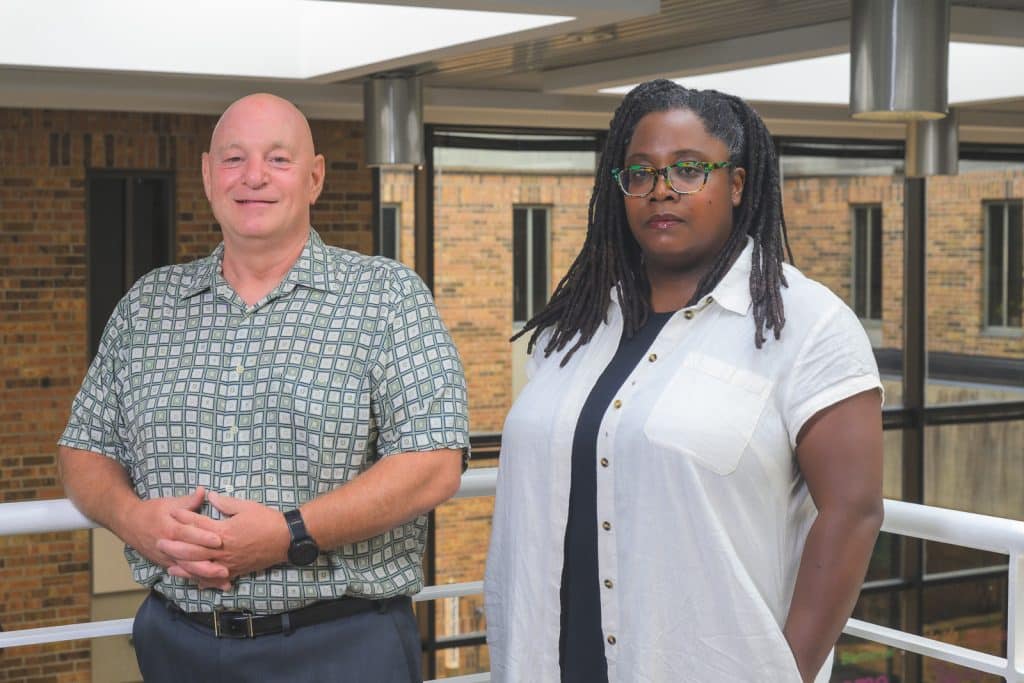
Jeff Tritten, president of WOW and a certified health education specialist, authored a recent report called “The Impact of Socioeconomic Disparities on Life Expectancy and Health Outcomes in Ypsilanti, Washtenaw County, Michigan.” Drawing on data from the Washtenaw County Health Department, the county Opportunity Index, and other public health sources, the report concludes that socioeconomic disparities continue to contribute to lower life expectancy in Ypsi, particularly for residents of color.
“The report shows those disparities really clearly, especially with life expectancy,” Tritten says.

According to Tritten’s report, Washtenaw County is the eighth most economically segregated metropolitan region in the United States. While Ann Arbor consistently exceeds national averages for life expectancy, nearly every census tract in Ypsilanti falls below the national average. The report also found that households in Ypsilanti’s 48197 and 48198 ZIP codes have some of the county’s highest concentrations of Asset Limited, Income Constrained, Employed (ALICE) households, reflecting the economic hardships many families continue to face.
The findings build on years of epidemiological research from the Washtenaw County Health Department, which documents racial disparities in longevity.
A 2017 county report found a roughly 10-year gap in the average age of death between Black and white Washtenaw County residents. During the 2011-2015 study period, Black residents had an average age of death between 56 and 71 years, compared to 72 to 85 years for white residents. In nearly every municipality studied, Black residents died four to 18 years younger than their white neighbors. Tritten says those numbers should be impossible to ignore.
“The disparities are shocking,” he says. “Various areas of the township where the average age of death is 56 to 58 – those ages don’t reflect in white communities. The disparities are very stark.”
His report found similar patterns across other health indicators. Adults diagnosed with diabetes are considerably more prevalent in Ypsilanti census tracts than in Ann Arbor, reinforcing the relationship between chronic disease, economic hardship, and reduced life expectancy.
While life expectancy is often viewed as a measure of health care quality, Charlyn VanDeventer, health equity manager for the Washtenaw County Health Department, says the statistic reflects much more than access to doctors or hospitals.
“When I look at life expectancy numbers, it gives you an idea or snapshot about the overall health of a community,” VanDeventer says. “Life expectancy is dependent on a lot of data – what’s going on in the world, the structural things that have been built, our infrastructure.”
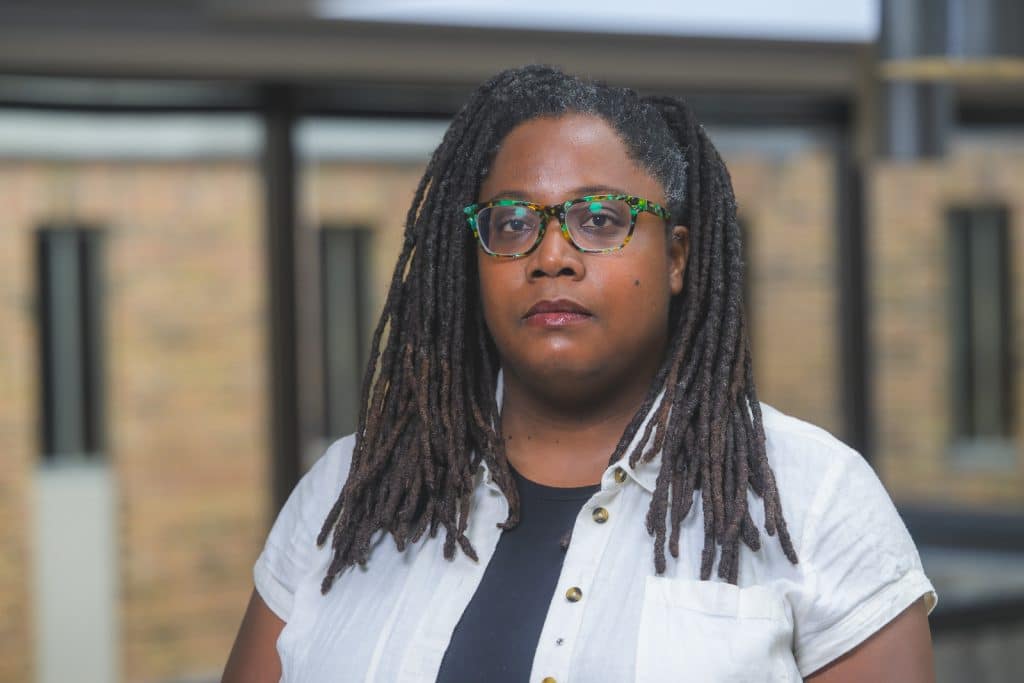
Those broader influences, often referred to as social or structural determinants of health, include housing, transportation, education, employment, food access, and economic opportunity. VanDeventer says the health department has increasingly shifted its focus from treating disease after it occurs to addressing those underlying conditions.
“One of the shifts we’ve been talking about at the health department is moving from social determinants of health to structural determinants of health,” she says. “It is not a personal problem where, ‘If this person just worked harder [their health would improve.]’ We need to work together and collaborate with different organizations to unpack the different structures influencing this.”
That philosophy has also shaped county policy. After Washtenaw County declared racism a public health crisis in 2020, County Commissioner Justin Hodge says the county began directing additional resources toward neighborhoods experiencing the greatest health inequities.
“Washtenaw County government has increased support in several initiatives aimed at addressing health disparities, such as increasing our investment in community health workers, mobile service delivery options, and the Washtenaw Health Project,” Hodge says. “Promoting access to quality and affordable health care and ensuring that your ZIP code doesn’t limit the opportunities available to you is a top priority for me.”

Hodge says the county continues using its Opportunity Index to guide equity-based investments and policy decisions. In eastern Washtenaw County, those investments have included the Community Priority Fund and the Eastern Washtenaw Community Recreation Center, among other initiatives intended to improve opportunity and quality of life in the 48197 and 48198 ZIP codes.
For Tritten, those investments are encouraging, but he says the community still needs updated data to determine whether the county’s efforts are translating into longer, healthier lives.
“We know that the county has done some work to address social determinants of health,” he says. “There are some things that have been done to improve health outcomes, but we don’t know if we’ve moved the needle yet with no updated report.”
He hopes his research will encourage both continued public investment and greater public awareness of the factors shaping health across the county. Beyond policy changes, Tritten believes health education remains one of the most accessible tools communities have to improve outcomes and empower residents to advocate for themselves.
“My hope is that the health department looks at the current data, and issues a report, and decides whether or not we’ve moved the needle,” says Tritten. “Data doesn’t lie, and that’s the piece we need.”
Author

Related Articles

COVID kids and mental health: How are pandemic littles doing today?
Mental health challenges have surfaced but kids also benefited from increased family time and less hectic schedules.
Mental health millage means help for more people — and a healthier community
In Washtenaw County, adults served by community mental health increased 147%, and youths served 104%.

“Beyond Incarceration”: New program offers supportive services for people leaving Washtenaw County Jail
Packard Health’s Beyond Incarceration initiative provides connections to primary care, behavioral health services, and recovery resources for individuals preparing for release from the Washtenaw County Jail.


