
Ypsilanti Heritage Foundation hosts 44th annual tour of historic homes
From noon to 5 p.m. on Oct. 4, residents and visitors are invited to join the Ypsilanti Heritage Foundation’s 44th annual historic home tour, which includes six historic homes in Ypsi’s Southside neighborhood.
On the Ground Ypsilanti is an “embedded journalism” program covering the city and township of Ypsilanti. It is supported by Ann Arbor SPARK, the Center for Health and Research Transformation, Destination Ann Arbor, Eastern Michigan University, Engage @ EMU, Washtenaw Community College, Washtenaw County Parks and Recreation Commission, and Washtenaw ISD.
For more than four decades, the Ypsilanti Heritage Foundation’s (YHF) annual Historic Home Tour has invited residents and visitors to look beyond the facades of the city’s historic buildings and into the stories contained within. This year, the foundation turns its attention to Ypsilanti’s Southside neighborhood for its 44th annual tour, “Harvesting Our History,” from noon to 5 p.m on Oct. 4.
The event will feature six historic homes, along with the Ypsilanti District Library’s downtown branch, offering visitors the chance to explore the architecture, preservation work, and personal histories that have shaped the neighborhood.
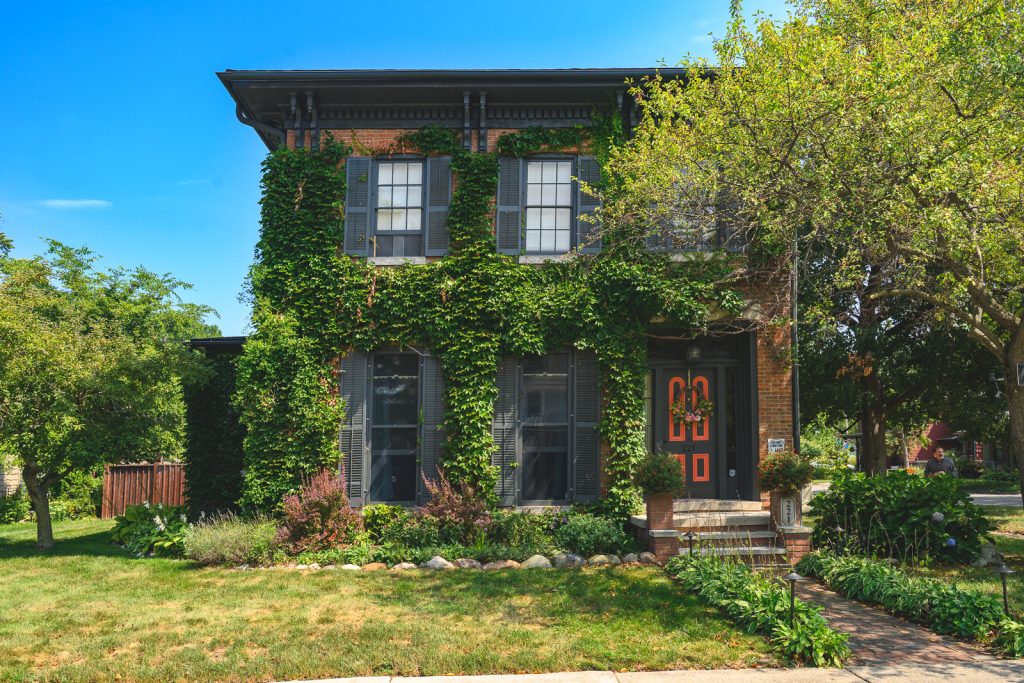
For homeowners like Josh Budde, who has lived at 221 South Washington Street with his wife, Lauren, since 2010, the tour offers an opportunity to show that historic houses are just as livable as any other construction.

“I hope people realize these are not museums,” Budde says. “They don’t have to be.”
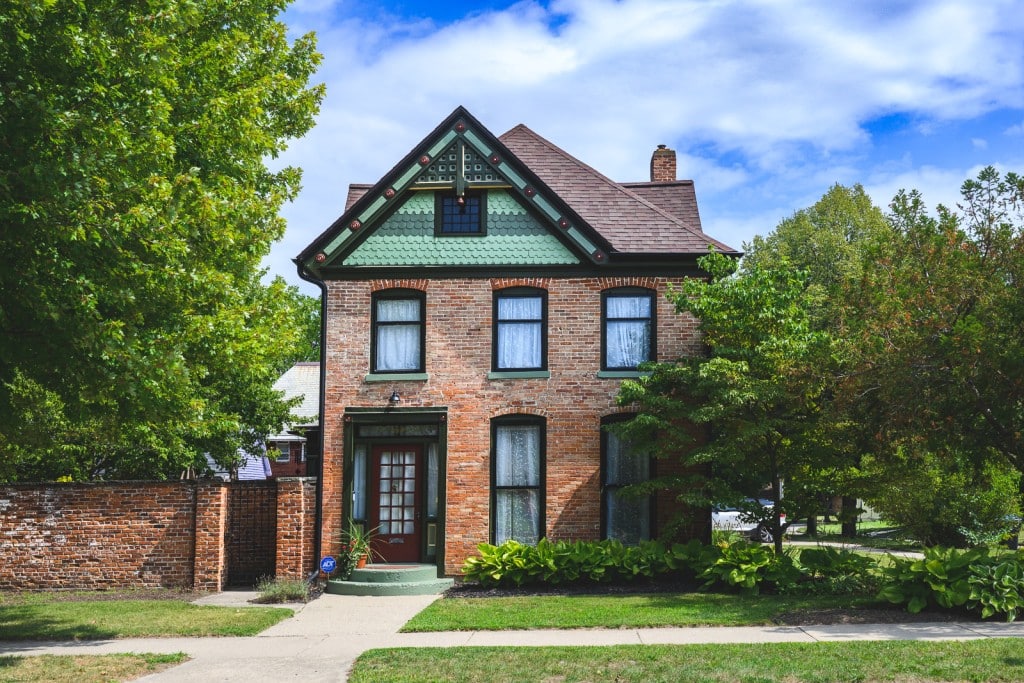
Built around 1860 by George Kishlar, 221 South Washington is an Italianate home that remained in the Kishlar family for more than a century. A mason who built several homes in the area, Kishlar’s own house remains one of the earliest examples of its architectural style in Ypsilanti.
The home retains many of its original features, including its “low-pitched hip roof, projecting eaves, decorative brackets, tall wood windows and brick detailing,” according to YHF’s write-up for the property. The Buddes have worked to maintain those historical characteristics while bringing portions of the house up to modern standards, like modernizing the plumbing, improving insulation, and reinstalling the home’s front steps after they’d taken structural damage. For Budde, maintaining the home is less intimidating than outsiders might expect, stating that historical homes can be just as if not more affordable than modern constructions, and that upkeep is not much more expensive than that required for a non-historic building.
“We’re not wealthy people and we can take care of it just fine,” he says. “You can live in a place like this, it’s not that daunting.”
The house also contains reminders of the people who came before the Buddes, including a trunk bearing the Kishlar family name, a map of Ypsilanti from the 1890s, and household objects dating from the 1930s and 1940s. The home will be one of three Southside residences highlighted during this year’s tour.
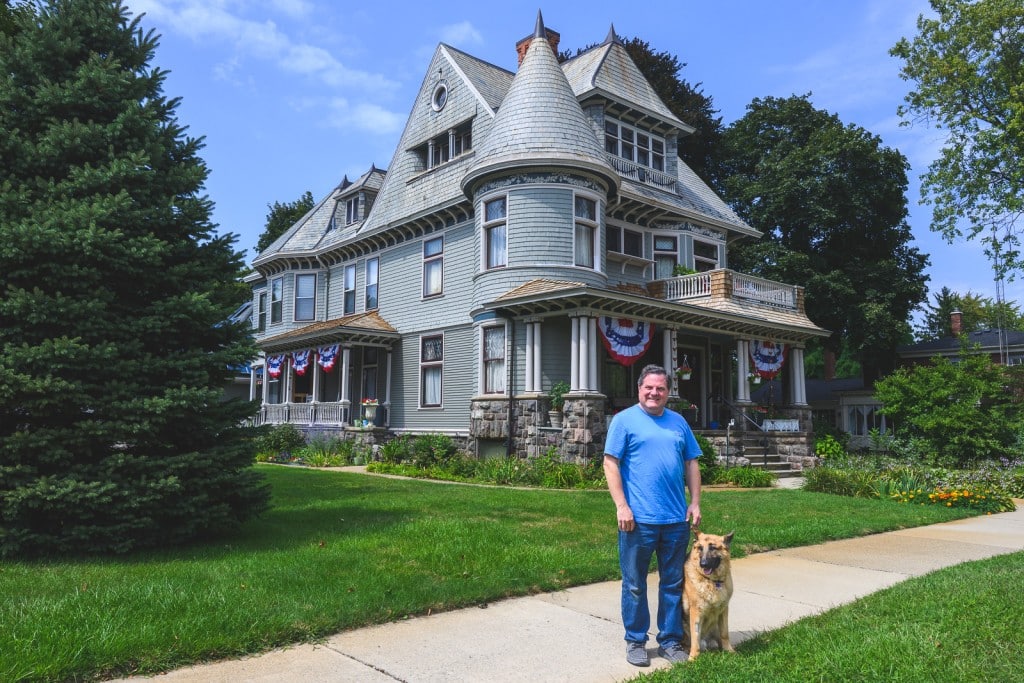
At 118 South Washington Street, visitors will encounter a very different example of Ypsilanti’s historic architecture. Built in 1892 for H.P. Glover and designed by Detroit architects Malcomson and Higginbotham, the Glover House is a roughly 3,900-square-foot Queen Anne mansion with “Free Classic details,” including a “corner tower, projecting bays, porches, dormers and a steep slate roof,” according to the YHF.
Inside, the late Victorian craftsmanship includes ornamental plasterwork, frescoes, tilework, elaborate woodwork, and stained- and leaded-glass windows. Different rooms feature an unusually broad range of wood species, while four fireplaces, parquet flooring, and a preserved pocket door add to the home’s ornate character.
Steve Pierce and Maggie Brandt are the current stewards of the house. Pierce says the property illustrates the diversity of homes found throughout the Southside neighborhood, from large historic residences to more modest houses.
“I think what it shows is the incredible diversity of the types of homes in our neighborhood,” Pierce says. “They span such a long period of time.”
That diversity extends beyond architecture, Pierce says, to the people who have called the neighborhood home.
“There’s a wide range of homes and architectural styles and sizes,” he says. “The other thing is it highlights the diversity of the people.”
The Glover House also reflects the changing uses of historic buildings. After the Glover family left in 1941, the house was converted into apartments before eventually housing Child and Family Service of Washtenaw County. It returned to use as a single-family home around 2000. Pierce says restoring the property after it had spent decades as an office building required a significant investment of time and work. The interior and exterior were in rough condition when he became involved with the property, requiring extensive work and a lengthy permitting process.
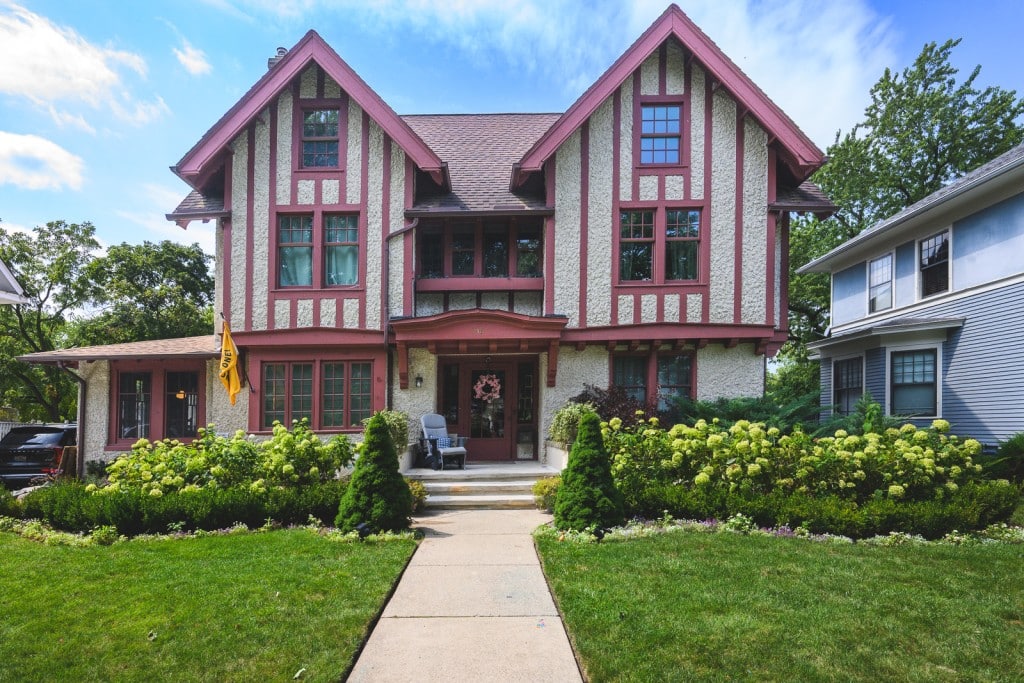
The third featured home, 220 South Huron Street, offers another perspective on preservation that centers on the layers that accumulate in a historic building over generations. Built around 1870 by H.P. Glover for Samuel Barnard, the two-story Italianate residence was later transformed by Charles Newton, a real estate attorney and chief buyer for Henry
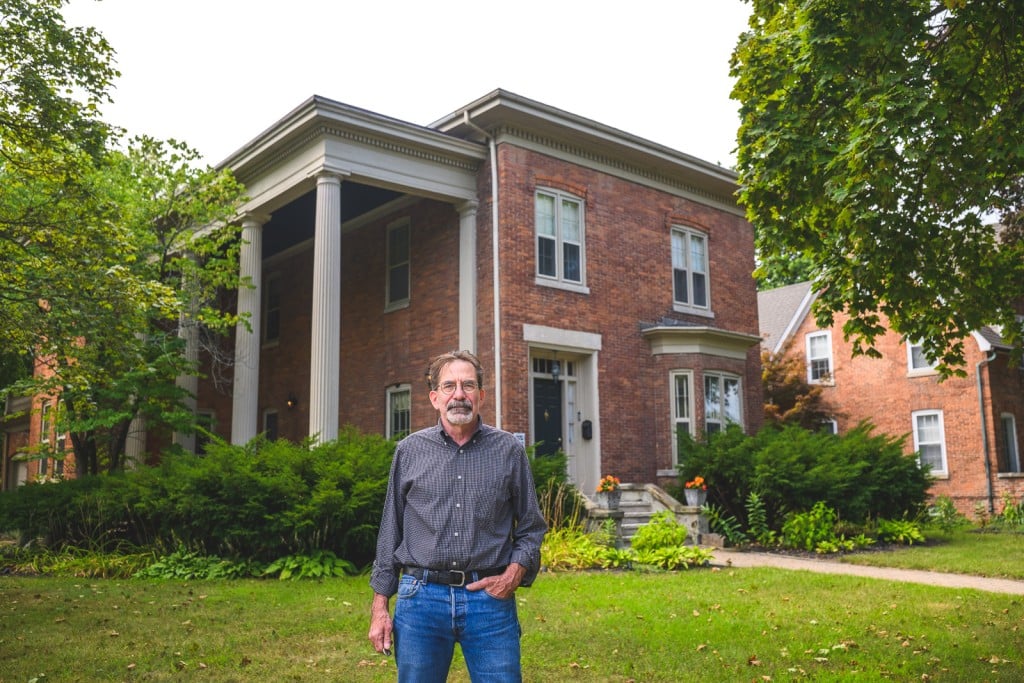
Ford’s Greenfield Village, and his wife Gladys. Barnard was one of four founders and vice president of Ypsilanti’s Peninsular Paper Company, and his family owned the home until 1917.
The Newtons undertook extensive renovations after purchasing the house, adding electric lighting, central heating, and plumbing while expanding the residence. Between approximately 1927 and 1939, they added a dramatic two-story side porch supported by full-height Doric columns, giving the previously Italianate home the Classical Revival appearance it has today.
One of the property’s most unusual features is belowground: an 18th-century timber-framed tavern reportedly salvaged from Connecticut and installed in the basement. While the tavern is rumored to have come from Henry Ford and Greenfield Village, its exact provenance has never been documented.
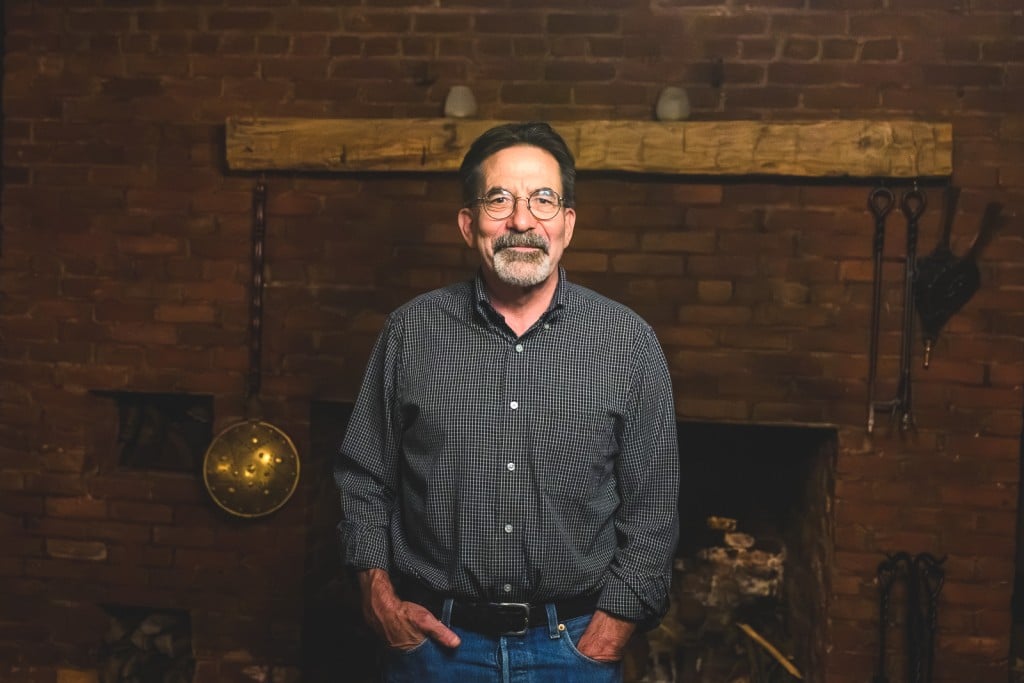
Charles Bultman, the home’s seventh and current owner, has spent years researching the people and industries connected to the property. Bultman says that research has changed the way he sees not only his house, but the larger community surrounding it.
“One of the wonderful things for me is being able to say I know who built this house, who lived there,” Bultman says.
The stories embedded in Ypsilanti’s historic properties extend beyond individual houses, Bultman says. The homes can reveal connections among the city’s business leaders, industries, and institutions during periods of significant change.
“There are many other stories embedded in these buildings,” Bultman says.
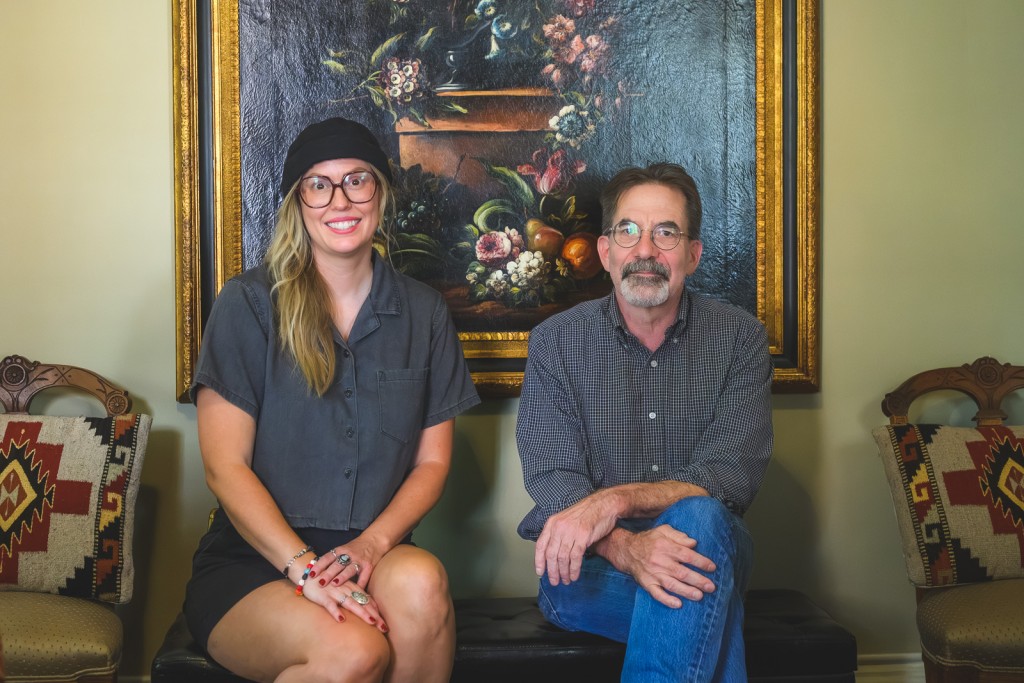
That emphasis on stories is also central to the inclusion of the Downtown Michigan Avenue Library on this year’s tour. The library building, originally constructed as a Carnegie post office in the 1910s, was given to the library in the 1960s. It later became a branch of the Ypsilanti District Library (YDL) after the district library system was formed in the 1980s.
The building recently underwent major renovations after storm damage, reopening after being closed for 21 months. Lisa Hoenig, director of the YDL, says the renovation provided an opportunity to make the building more accessible while preserving its historic character, including renovations to its historic vestibule, improving alternate entryways to streamline movement through the building and better accommodate library patrons with disabilities and emergency medical personnel, and the long-awaited insulation improvements to maximize comfort for patrons and staff alike.
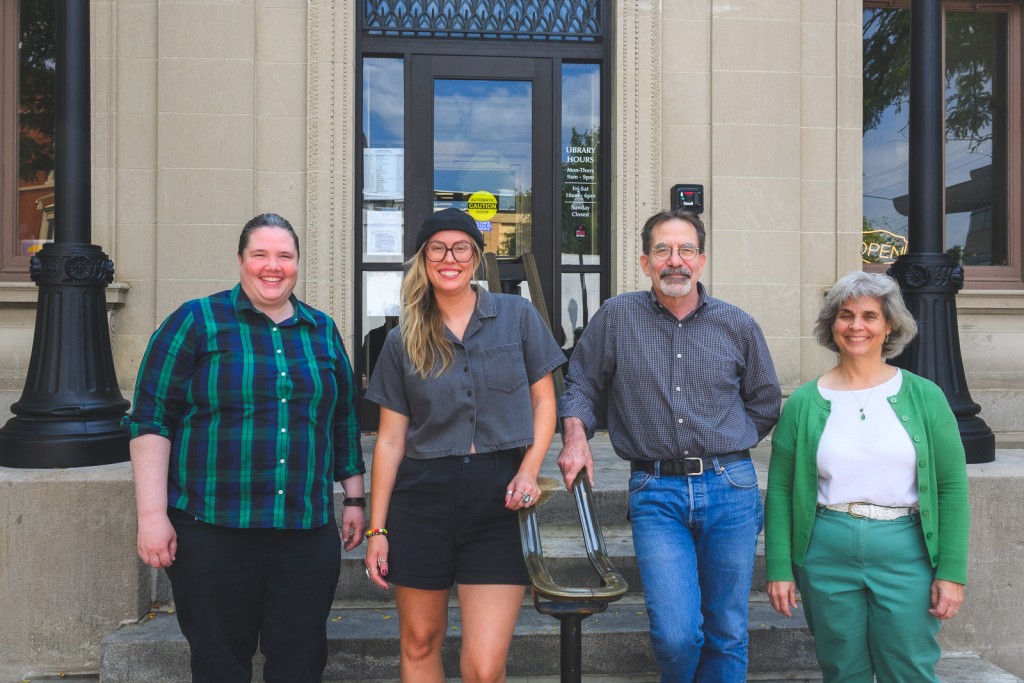
For Katie Dover-Taylor, a YDL branch manager, the tour is an opportunity for visitors to experience the library as a community space rather than simply a place to borrow books.
“We have meeting rooms to reserve, we have books, of course, we have places to plug in and computers that are free for everyone,” Dover-Taylor says. “I would love to have people get [a] sense of the space and the people who inhabit it.”
The library’s role in the tour also reinforces the broader purpose of the event: showing how historic buildings can continue to serve contemporary communities.
Plus, the focus on Southside homes makes this tour more walkable, allowing visitors to move between homes and experience the surrounding neighborhood along the way. That, in turn, allows allows visitors to experience historic preservation as part of a living community rather than as a collection of isolated buildings, says Delrhea Byrge, who works on YHF’s board as well as Ypsi-based antique and vintage shop Antiquität Detroit.
“Showcasing certain neighborhoods brings attention to the whole neighborhood,” Byrge says.
Tickets can be purchased through Eventbrite. More information about the Ypsilanti Heritage Foundation can be found at yhf.org.
Author

Related Articles

For Banned Books Week, Ann Arbor and Ypsi librarians and booksellers defend the freedom to read
Banned Books Week, Oct. 4 – 10, aims to draw attention to censorship and promote access to information. This year’s theme, “Let Books Be. Protect the Freedom to Read,” will be reflected through programming at local libraries, bookstores, and other institutions.

Ann Arbor artist hosts annual outdoor sale to benefit public art program
Glass artist Larry Nisson hosts an annual sale of his work from noon to 5 p.m. on Sept. 27 at his Ann Arbor home.

Michigan League of Handweavers’ biennial show in Ann Arbor will feature myriad disciplines
From weaving to doll-making, a broad range of craftsmanship will be featured in both exhibitions and public demonstrations at the Michigan League of Handweavers’ 23rd Biennial Fiber Show.


