
State of the Arts program brings U-M faculty artists to communities across the state
U-M’s State of the Arts program, launched by the Arts Initiative, aims to bring meaningful experiences in the arts to communities around the state.
This story is part of a series about arts and culture in Washtenaw County. It is made possible by the Ann Arbor Art Center, Destination Ann Arbor, Larry and Lucie Nisson, the University of Michigan Arts Initiative, and the University Musical Society.
Since May 2025, the University of Michigan’s State of the Arts program has been “offering connections, sparking conversation, and strengthening the cultural fabric of our state,” says Audrey Banks, tri-campus arts advocate and project coordinator.
The program, launched by U-M’s Arts Initiative, began in May 2025 with an 11-stop tour attended by nearly 3,650 people. Since then, State of the Arts has brought U-M artists to communities throughout the state.
This past summer, a new program launched, designed to continue to expand access to the arts across Michigan — the Faculty Art Ambassador program. The inaugural program featured glass artist Catie Newell, professor of architecture at the Taubman College of Architecture and Urban Planning, and poet and non-fiction author Jonathan Holland, a professor in the Department of English at the College of Literature, Science, and the Arts.
Their proposals were chosen from between 15 and 20 faculty proposals submitted to a committee that selected the first Faculty Art Ambassadors. The program’s goal is to bring meaningful experiences to communities beyond U-M’s immediate campuses.
“The program is really about trying to accomplish the university’s public service mission by getting outside of our own community,” says Tessa Brinza, assistant program manager for the Arts Initiative. The Ambassador program is designed to strengthen connections between U-M and communities statewide through the arts.
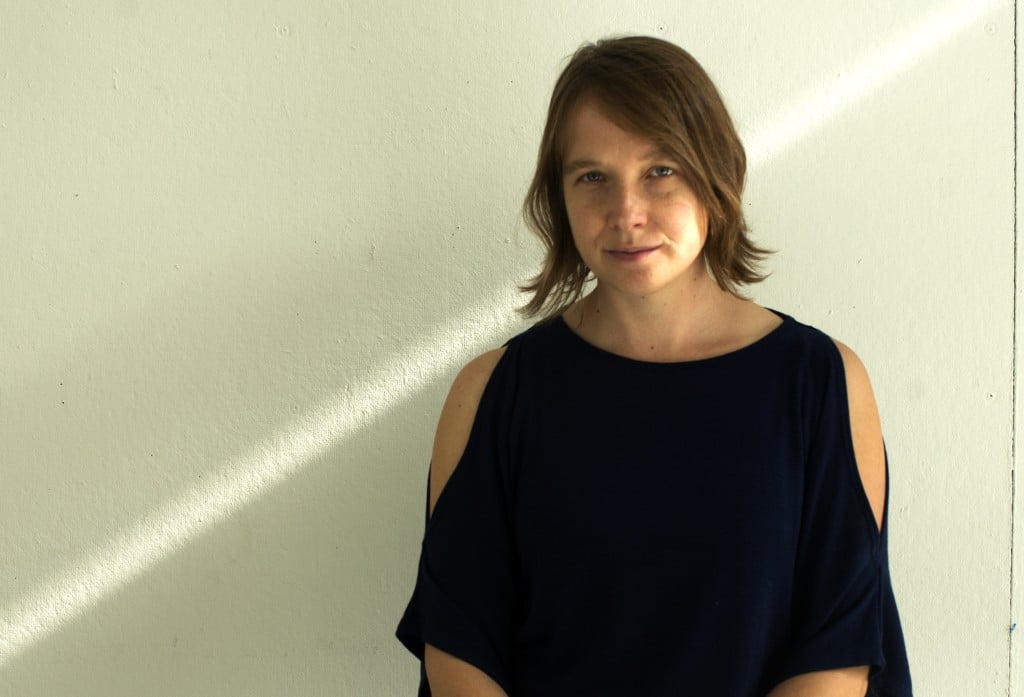
To this end, Newell gave a presentation July 30 at the Crooked Tree Arts Center in Petoskey, and an artist talk and workshop in Traverse City on July 31 and Aug. 1 at the Dennos Museum Center. Participants engaged with themes of grief, care, memory, and transition. They learned practices that can support reflection and healing through exploration and creative reflection. The events brought in people who have experienced a loss and people who appreciate artistic expression.
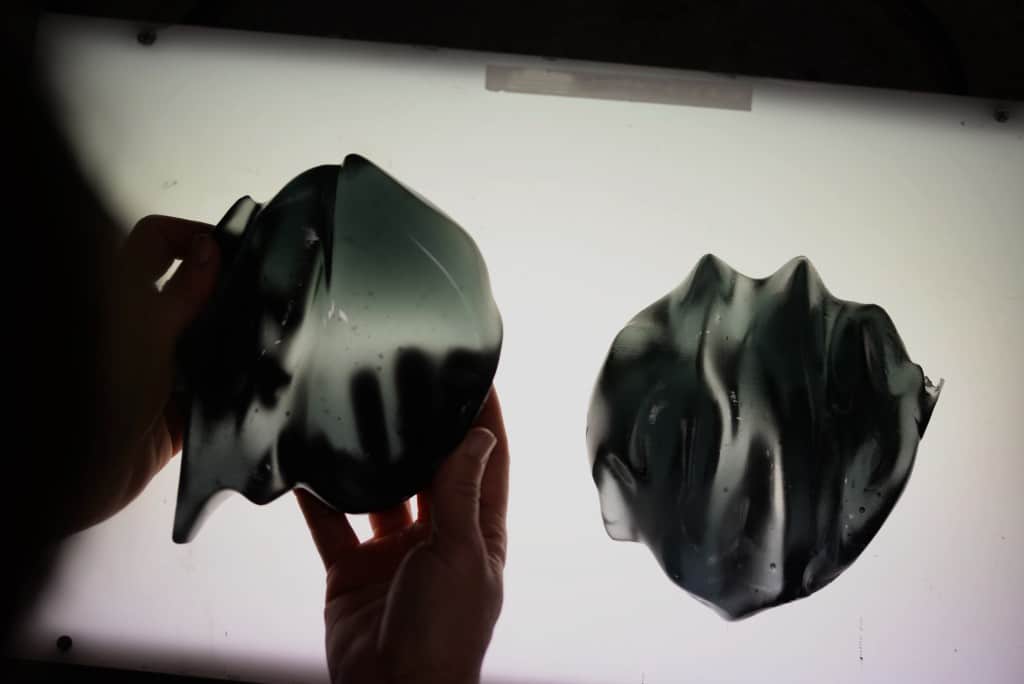
Newell’s glass work, which she describes as “very spatial, ephemeral, bridging art and architecture,” was the focus of her presentation.
“I do a lot of work with light and darkness and how it changes spaces and the materials we work with,” she says. “I’ve been working on a series of works designing and making objects about life and death transitions to be used as a grieving companion.”
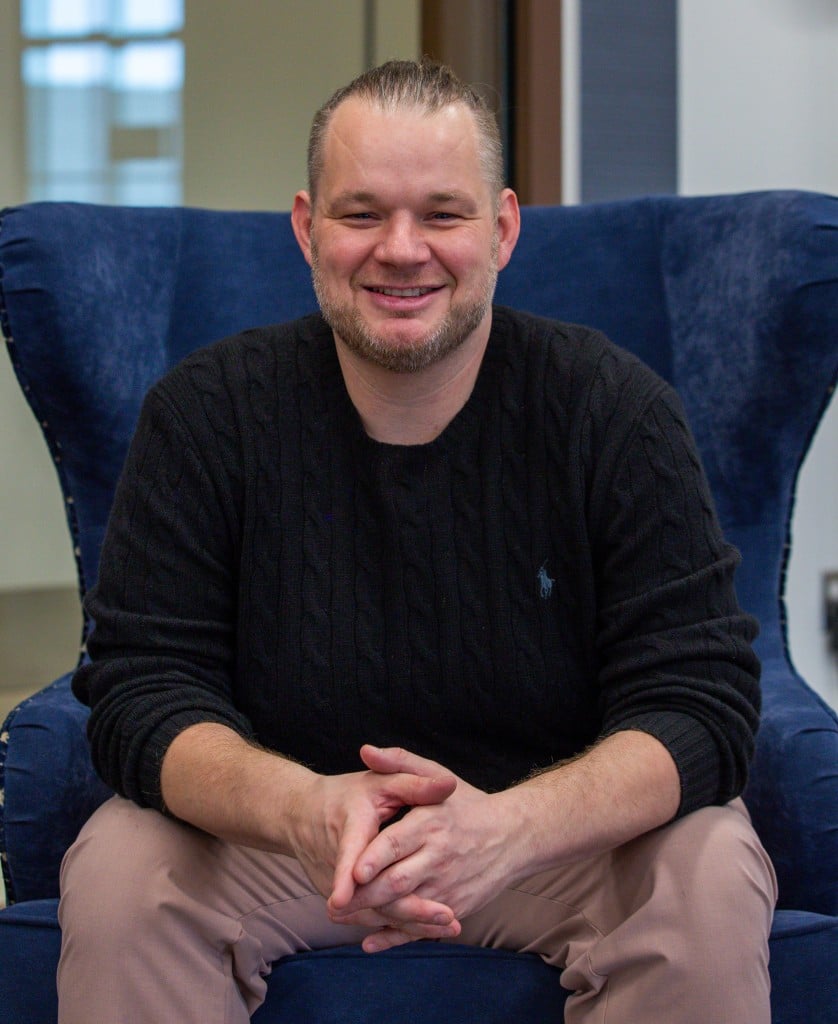
Meanwhile, Holland brought two-day writing workshops to the Chippewa Correctional Facility in Kincheloe, in the Upper Peninsula, as part of the Prison Creative Arts Project. He also brought creative workshops to summer camps at the Sylvester Broome Empowerment Village in Flint, a community hub that cultivates leadership and empowers youth in underserved neighborhoods. These workshops included painting, puppet making, and playdough making.
“What has been the coolest for me is it’s hard as a writer to get away from the product,” says Holland. “This program has been all process and just being focused on sitting there and writing. It reminded me that it is fun. It’s something that can and should be fun. That same feeling you get when you publish a poem, that burst of pride, you can get this by sitting with a group and writing and watching other people do that.”
Holland sees the program as helping to open up access to creativity and making.
“There are so many roadblocks to creativity, but having a paint set when you want to paint something gives motivation and access to make something when you want to,” he says.
Holland also believes that providing creative workshops strengthens the university itself.
“I hope we’re moving into a place where engaged workshops are part of what we’re thinking about for the university — to make it more collaborative and [to emphasize] the sharing of expertise, engaging with one another, collaborating and making new things together,” says Holland. “How do we create mutually beneficial communities rather than thinking of it as giving back?”
To bookend the workshops with the Chippewa Correctional Facility, Holland is currently bringing together writing and art by incarcerated people that will be published as a booklet.
For participants and organizers alike, it was exciting to connect with different arts organizations across the state.
“People want to connect, they want to engage, they want to collaborate — and people are trying to find ways to find their communities,” says Brinza. “If you are in other cities or places, look up the local art scene. There might be a great place that you haven’t been able to explore yet.”


