
Grizzly Learning Camp offers free, hands-on learning for all Ypsi Community Schools students
At GLC, students spend their summers building robots, designing escape rooms, learning to fish, and visiting local college campuses all while working with teachers, university students, and mentors.
On the Ground Ypsilanti is an “embedded journalism” program covering the city and township of Ypsilanti. It is supported by Ann Arbor SPARK, the Center for Health and Research Transformation, Destination Ann Arbor, Eastern Michigan University, Engage @ EMU, Washtenaw Community College, Washtenaw County Parks and Recreation Commission, and Washtenaw ISD.
For Ypsilanti Community Schools (YCS) students, summer learning does not have to mean sitting in a classroom reviewing lessons from the previous school year. At Grizzly Learning Camp (GLC), students spent the summer building robots, designing escape rooms, learning to fish, writing recipes, exploring science, and visiting local college campuses all while working with teachers, university students, and mentors. The six-week program ran from June 15 through July 23 this year and is designed to provide YCS students with hands-on learning and experiences that connect classroom skills to the world around them.
GLC is available to all YCS students from preschool through 12th grade at no cost to families. The program is structured as a half-day experience, with schedules and locations varying by grade level. YCS provides transportation for its students, as well as breakfast, lunch, occasional snacks, and the supplies and technology needed for camp activities.
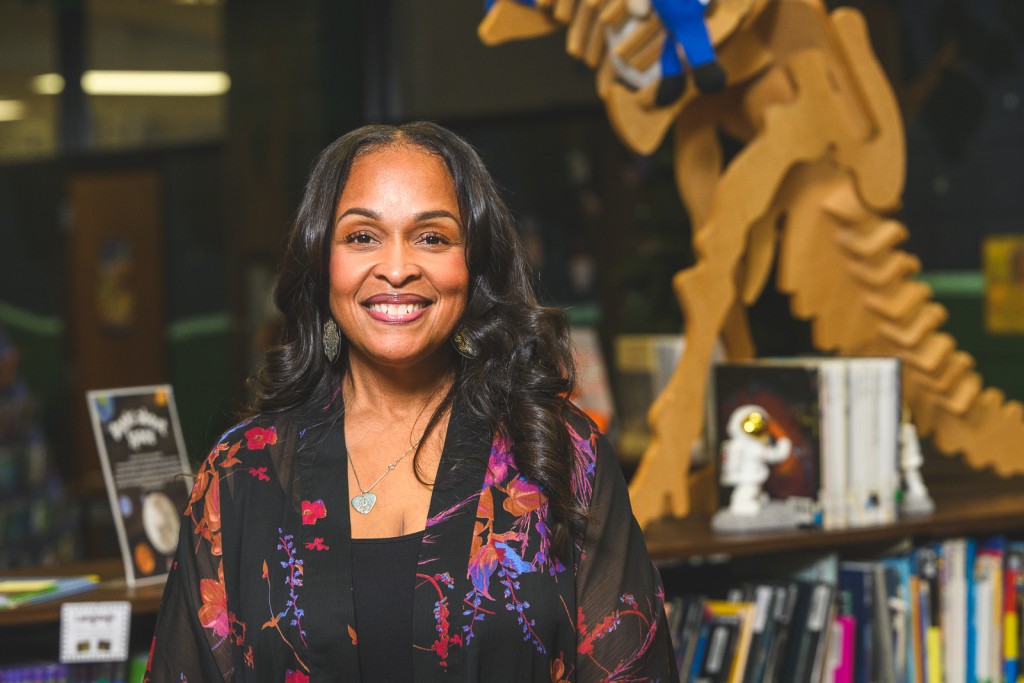
Tiffany Powell, a YCS teacher and GLC coordinator, says the district has deliberately tried to distinguish the camp from traditional summer school programs.
“We wanted it to have a different appeal than just ‘summer school,’” Powell says. “It’s a good change of pace for the students.”
Instead of concentrating solely on traditional academic subjects, GLC allows educators to develop classes around their own interests and find ways to incorporate academic skills into hands-on projects. One teacher taught students to write and read recipes and work with measurements while baking. Other students explored coding and game design, while another class focused on robotics.
Field trips are also connected to students’ classroom work, with students visiting planetariums to study space and working with community members such as a professional fisherman while learning about the science of water.
“It’s all super exciting for the kids,” says Powell. “But it’s also not just about having fun–it’s about critical thinking, it’s about being inventors and creators.”
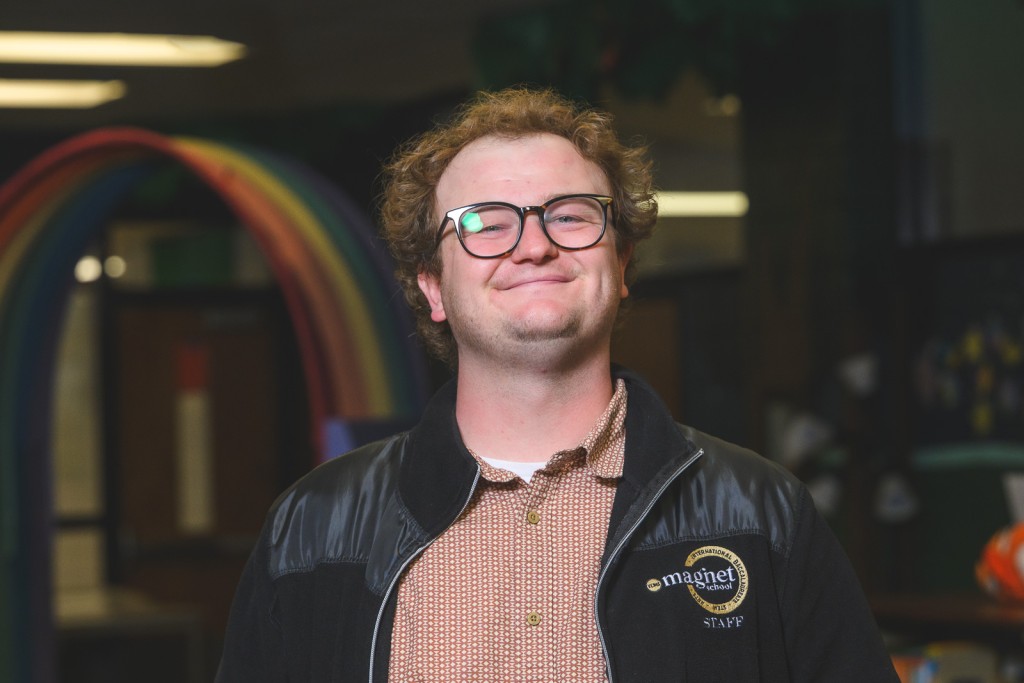
The camp also gives students opportunities to demonstrate what they have learned. During the final week, students participate in a showcase where they present projects and performances to families, educators, and others involved with the program. Leif Gearhart-Hall, a science teacher at Ypsilanti Community Middle School (YCMS), says the showcase demonstrates that GLC is more than a way for students to pass the time during summer break.
“If you’re a kid, you could be lying around at home, or you can show off all the cool stuff you did this summer,” Gearhart-Hall says.
Partnerships with Eastern Michigan University (EMU) and the University of Michigan (U-M) are another central part of the camp. During the 2026 camp season, 32 rising fifth and sixth grade students visited EMU’s campus for hands-on activities. Students made homemade ice cream while learning about chemistry and visited the university library to learn about resources available to college students.
Dr. Sibrina Collins, director of EMU’s STEM Education Institute, says the experience gives students an opportunity to associate learning with something tangible. Instead of simply hearing about a scientific concept, students are able to apply it while working together on a project.
“It’s not just about learning concepts,” Collins says. “We’re actually doing something fun in the summer that they’re going to remember.”

EMU also provides students with mentors who can discuss their own educational and career experiences. Collins says those relationships can be particularly meaningful because students may find it easier to relate to mentors who are closer to their own age.
One EMU undergraduate studying psychology and mechanical engineering worked with students on robotics and math projects and discussed career pathways with them. A graduate student studying education also worked directly with the campers. The goal, Collins says, is to help students understand that there is no single route to college or a career. Students can see someone pursuing multiple interests and begin to understand that choosing one field of study does not necessarily determine what they will do for the rest of their lives.
“You’re a lifelong learner, reinventing yourself over and over again, figuring out your passions along the way,” Collins says.
The U-M partnership addresses another need facing YCS: recruiting and retaining teachers. Through the state’s Alternate Route to Certification program, or M-ARC, aspiring educators at U-M have an opportunity to gain classroom experience by teaching GLC students during the summer. YCS has participated in the partnership for five years, and the district pays M-ARC fees for participating educators, Powell explains. The arrangement gives prospective teachers an opportunity to work directly with YCS students while giving district staff a chance to observe how they teach and interact with children.
“It’s like an extended interview,” Powell says.
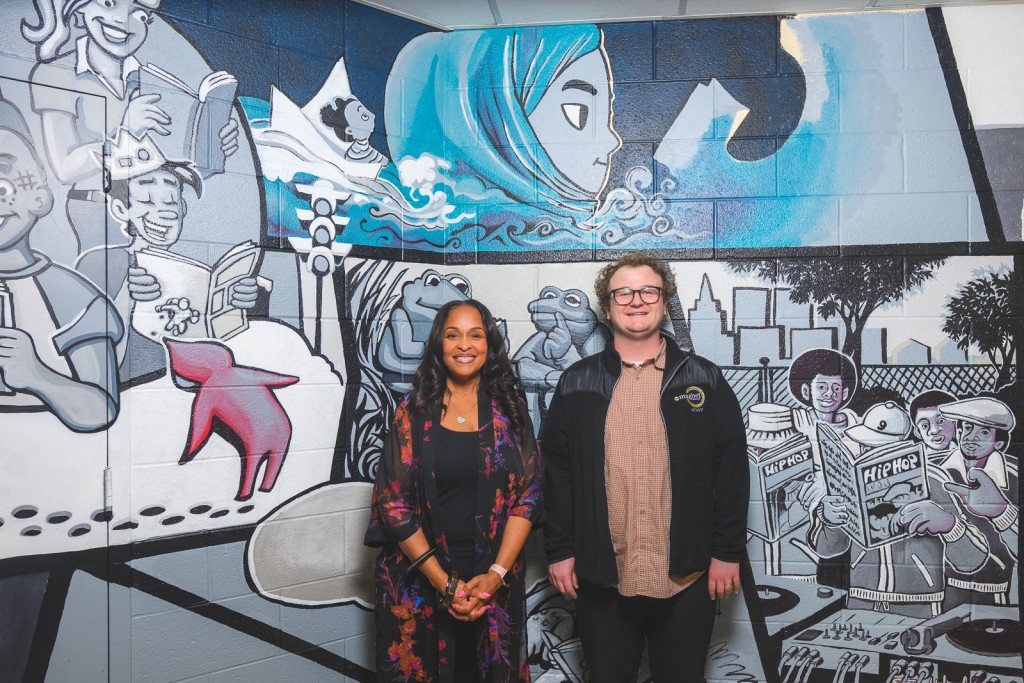
Gearhart-Hall participated in M-ARC and worked with GLC while completing the program. He became familiar with YCS students and staff and later applied for a teaching position in the district. He says that experience gave him an advantage during the hiring process because he already had experience working with the students he would eventually teach.
“M-ARC led me to my job in Ypsi,” Gearhart-Hall says. “I got to work with a mentor teacher, got to know the school, got to know the community, and got to know the students.”
The camp also gives M-ARC participants an opportunity to experience teaching before beginning their first full school year. Gearhart-Hall, who is preparing for his fourth year as a classroom teacher at YCMS, says GLC provides aspiring educators with a relatively low-risk environment in which to develop classroom skills, build relationships with students, and learn from mistakes.
“It’s a really good pre-first year teaching environment,” Gearhart-Hall says. “It’s the best way to dip your toes in.”
That experience is particularly important as Michigan schools continue to contend with teacher recruitment and retention challenges. Gearhart-Hall believes M-ARC will help to recruit new teachers from those changing careers–and encourage them to bring along professional and life experiences from outside the field. He also says relationships developed through the program can help address one of the reasons teachers leave the profession: feeling isolated. During GLC, experienced YCS teachers can work alongside M-ARC candidates and help them understand what teaching in the district actually looks like.
For students, meanwhile, relationships formed at camp can help ease the transition back to school. Powell says students who attend GLC often return to the academic year with increased confidence and stronger connections to other students and adults in the district. During the regular school year, some students encounter the same teachers they worked with at camp. The district hopes those connections will help reduce the academic loss that can occur over the summer while giving students a stronger sense of belonging once they return to school.
“We want them to be growing continuously as learners,” Powell says. “We want our scores to go up; we want academic expectations to be met.”
The community impact extends beyond academics. Because GLC is free and includes meals, transportation, and supplies, families do not have to absorb the costs associated with many summer enrichment opportunities. For students who may not otherwise spend time on a university campus, partnerships with EMU and U-M also make those institutions more familiar.
Powell says students begin to see the universities as places where they are welcome and where they can imagine themselves in the future. For Collins, that kind of exposure is central to what the program is trying to accomplish.
“People need to see themselves reflected in these careers, doing what they want to do,” Collins says.
More information about Grizzly Learning Camp can be found through YCS’s website. Questions about next summer’s Grizzly Learning Camp can be sent to YCS Project Director Dr. Mark Coscarella at mcoscarella6@ycschools.us.
“We have a lot to be proud of here in Ypsi,” Powell says. “I’m really just proud of our district in making sure this program continues. It hasn’t been questioned insofar [as] it makes a difference in the lives of our YCS students.”
Author

Related Articles
EMU’s Center for Oral History Research hosts symposium emphasizing “People, Not Projects”
“People, Not Projects” runs Oct. 9 – Oct. 10 in Ypsi and will emphasize relationships and human experience over quantitative data.
Childcare workforce crisis fuels push for wage reforms
Without sustained investment, families will continue to have difficulty accessing stable, high-quality childcare.


