
American Center for Mobility marks 10 years of evolution and innovation in Ypsi Township
What began as a test track for autonomous vehicles has grown to support tech startups working in electrification, cybersecurity, and advanced mobility systems.
On the Ground Ypsilanti is an “embedded journalism” program covering the city and township of Ypsilanti. It is supported by Ann Arbor SPARK, the Center for Health and Research Transformation, Destination Ann Arbor, Eastern Michigan University, Engage @ EMU, Washtenaw Community College, Washtenaw County Parks and Recreation Commission, and Washtenaw ISD.
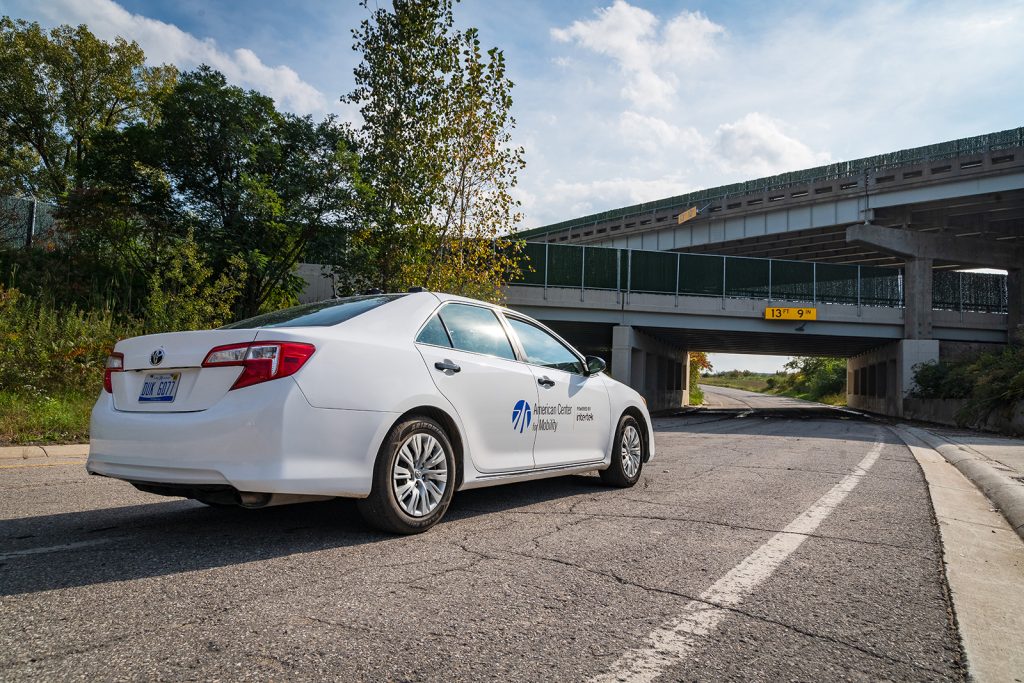
The American Center for Mobility (ACM) in Ypsilanti Township has spent the last 10 years evolving alongside an automotive and mobility industry that has proven anything but predictable.
According to its website, the ACM facility on the historic Willow Run site “brings together proving grounds, technology space, and event facilities in one location while providing a confidential, controlled, and flexible environment for testing, validation, and showcasing mobility solutions.” What began as a test track primarily focused on autonomous vehicles has grown into a multifaceted innovation hub supporting tech startups working in electrification, cybersecurity, and advanced mobility systems.

“When we first opened, we focused on testing autonomous vehicles and creating a space where companies can come to test these vehicles before they go into the market,” says outgoing ACM CEO Reuben Sarkar, who has led ACM since 2020. “At that time, they thought we would have a utopia and never have to drive again because of autonomous vehicles, and it proved a lot harder to do that cost-effectively.”
In those early years, expectations around fully autonomous vehicles outpaced reality. The industry entered what Sarkar describes as a lull, as companies recalibrated timelines and focused on more incremental steps toward autonomous operation. In response, ACM adapted by changing its focus to cybersecurity and sustainability starting in 2022. That also led to the facility’s current motto: “Safe. Sustainable. Secure.”
Beyond its impact on individual companies, ACM has also become a significant regional asset. Since 2020, more than 50,000 visitors have come through the facility, including representatives from nearly 200 companies and dozens of global delegations. Those visits often translate into broader economic activity in Washtenaw County, as companies spend on lodging, dining, and local services while exploring potential partnerships or relocation opportunities.
“Some have relocated here recently, and are now some of our bigger users,” Sarkar says, adding that exposure to the facility often reveals possibilities companies hadn’t previously considered.

Over the past decade, ACM has also played a key role in positioning Washtenaw County and Michigan as centers for next-generation transportation innovation. By offering shared infrastructure that would be prohibitively expensive for individual companies to build, ACM allows businesses to focus resources on product development rather than duplicating testing environments.
“By having a shared resource like this, they can put more dollars to product development as opposed to replicating infrastructure like ours,” Sarkar says.
Companies operate out of on-site garages, some equipped with mini-data centers, allowing engineers to move seamlessly between development and testing. For startups in particular, the impact can be transformative.
“Operating at the American Center for Mobility has accelerated our product development far beyond what would be possible on our own,” says Sasi Prabhakaran, CEO and founder of Snowbotix, one of ACM’s current resident companies. “ACM has effectively become a co-development partner as much as a test site.”
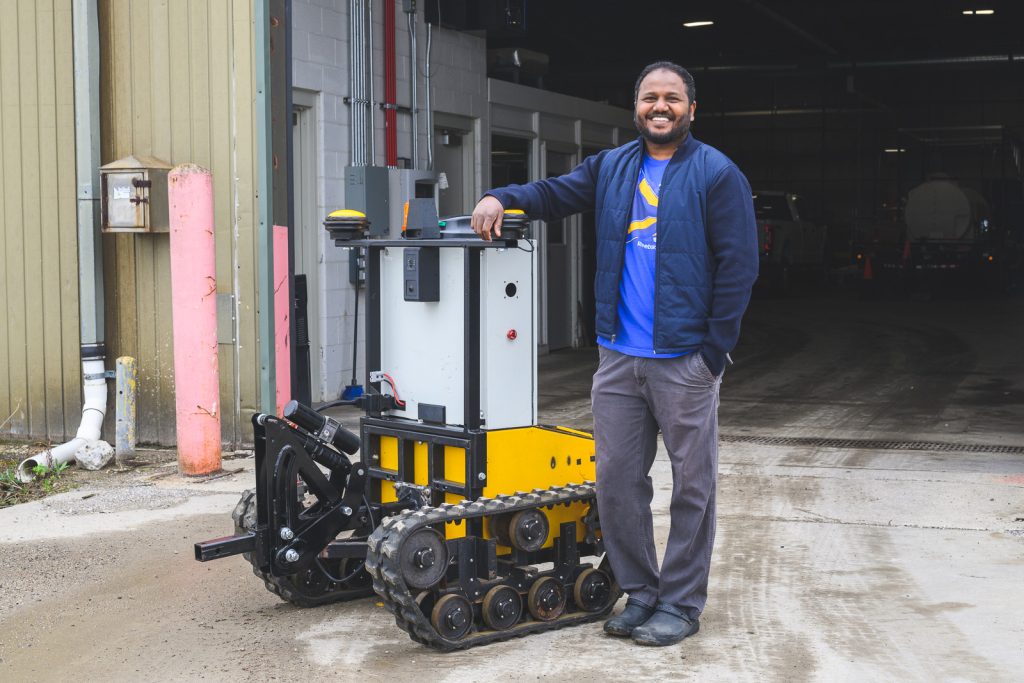
Snowbotix deploys autonomous, all-electric robots for outdoor maintenance, using ACM’s campus as both a proving ground and an active worksite. From snow removal in winter to mowing and sweeping in warmer months, the company’s systems operate year-round in real-world conditions.
“Having access to controlled but realistic infrastructure created a unique win-win,” Prabhakaran says. “ACM receives reliable maintenance support, and Snowbotix gains an unmatched proving ground for new capabilities.”
The environment also fosters collaboration and innovation across sectors. With multiple companies working side by side, ACM has created what leaders describe as an ecosystem effect.
“It pushes everyone to raise their game,” Prabhakaran says, pointing to the cross-pollination of ideas in areas like sensing, electrification, and vehicle-to-everything communication.
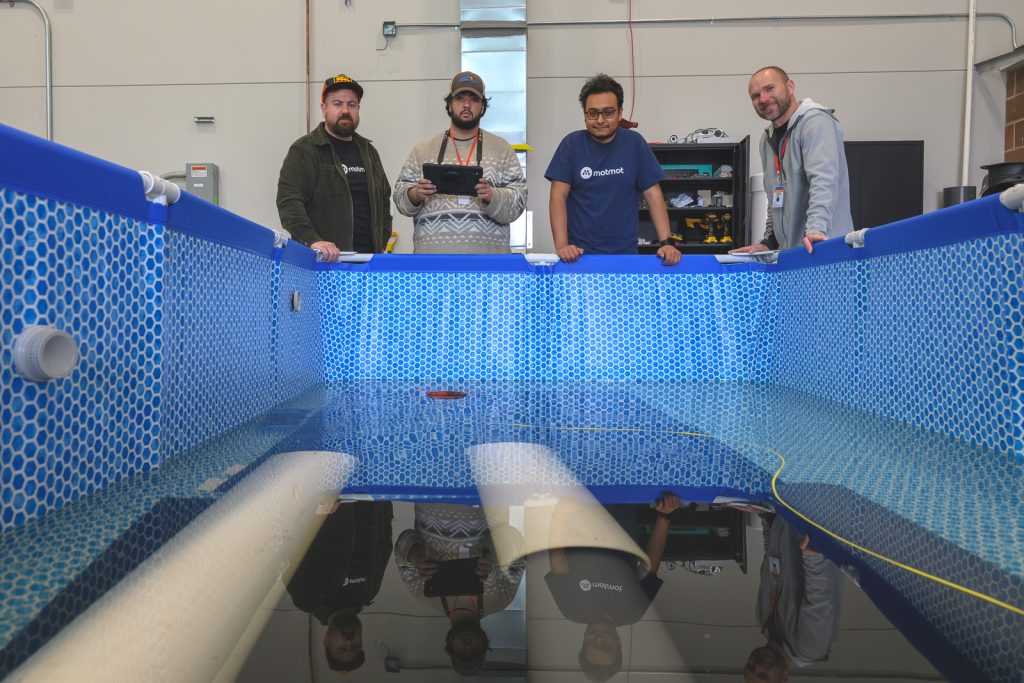
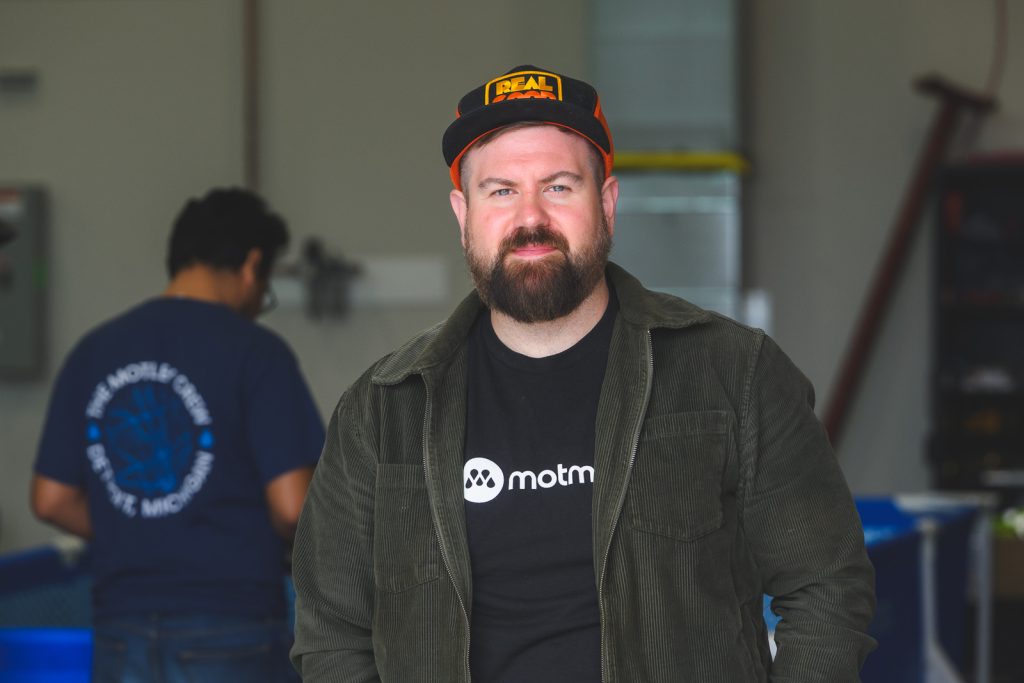
That same dynamic benefits companies like fellow ACM resident Motmot, which focuses on infrastructure-related technology. Zack Koslowski, the company’s chief marketing officer and co-founder, says ACM’s offerings are difficult to replicate elsewhere.
“Having access to controlled but real-world infrastructure means we can run repeatable tests, validate performance under realistic conditions, and iterate faster,” Koslowski says. “It has helped us de-risk development in a very meaningful way.”
Partnerships have also been central to ACM’s growth. The center works closely with academic institutions, government agencies, and economic development organizations across southeast Michigan, helping to secure federal research funding and raise the region’s profile in the mobility sector.
Looking ahead, ACM’s next decade will likely be defined by continued evolution. Sarkar points to emerging opportunities in artificial intelligence, advanced aviation, and sustainable energy, as well as the possibility of expanded uses for the site’s 500-acre footprint.
“The goal is that this is an enduring project,” Sarkar says. “Nobody can predict the future. Everyone is caught off guard by how fast things can go, but we plan to be responsive and agile.”
Author

Related Articles
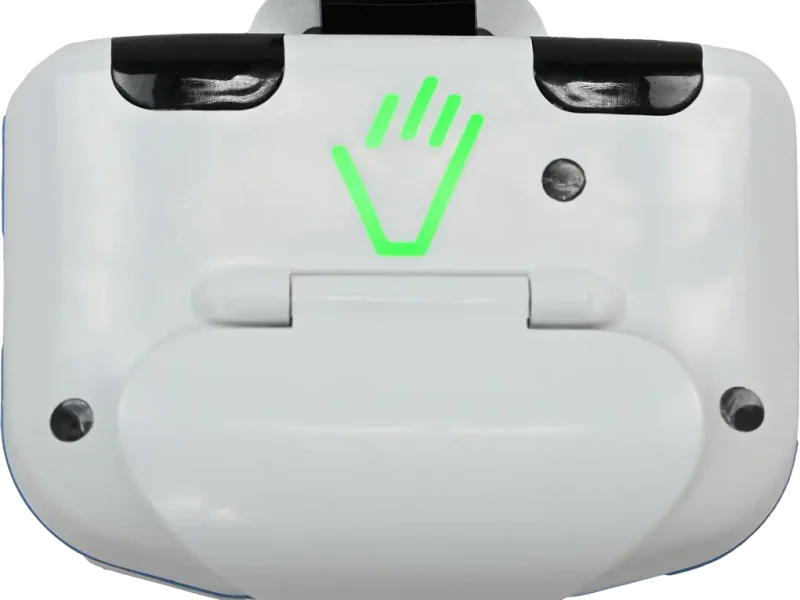
Ann Arbor health tech company marks 1 billion hand sanitization alerts in hospitals
BioVigil, an Ann Arbor-based health care technology company, recently reached a significant milestone of alerting partner hospital staff to one billion opportunities to perform hand hygiene.
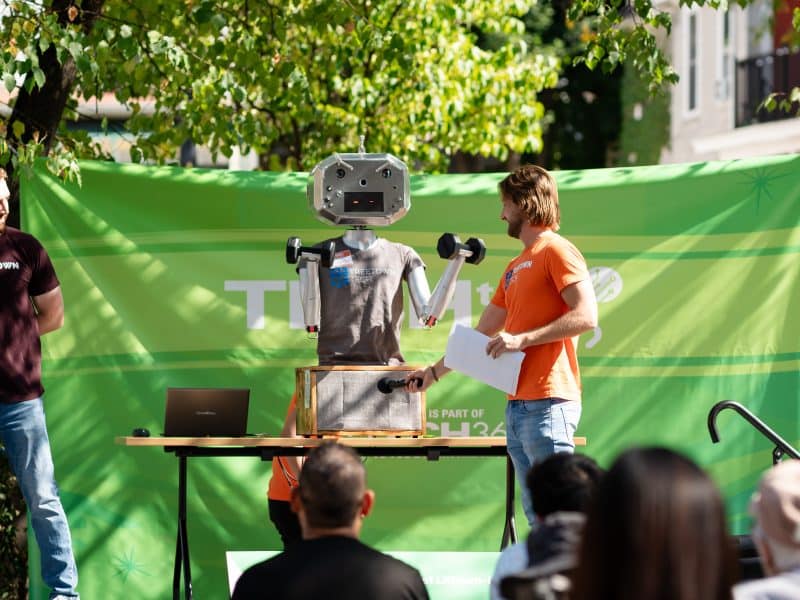
Week of events celebrating Ann Arbor tech to return in September
Registration is now open for Ann Arbor SPARK’s a2Tech360, an annual weeklong series of events spotlighting Ann Arbor’s tech sector, which will return Sept. 22-Oct. 2.
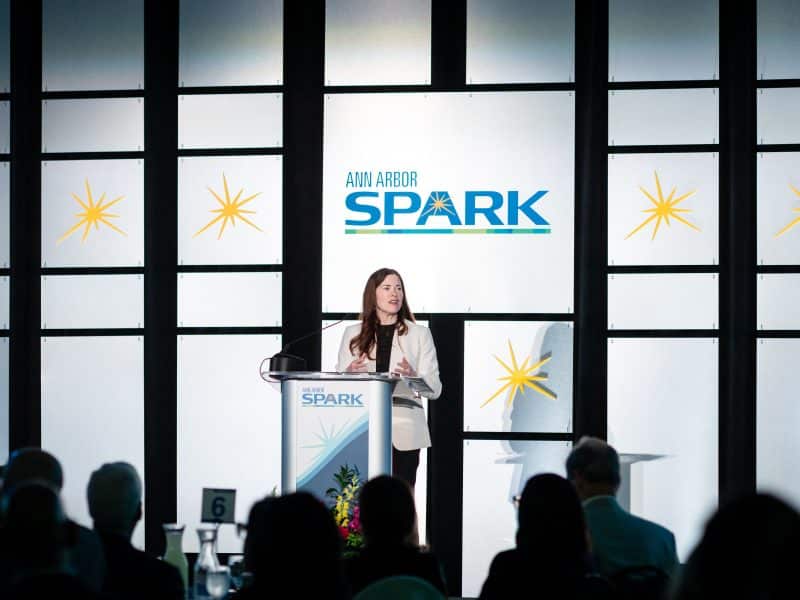
Ann Arbor SPARK annual meeting emphasizes power of local collaboration in challenging times
Ann Arbor SPARK’s 2026 annual meeting emphasized the Ann Arbor area’s innovation ecosystem as a bulwark against tumultuous times, while also recognizing top local entrepreneurial achievers.


