
Ann Arbor cycling activists are pedaling toward a safer future
While Ann Arbor has received accolades for its bike infrastructure, local activists believe more can be done to protect those traveling by non-motorized means.
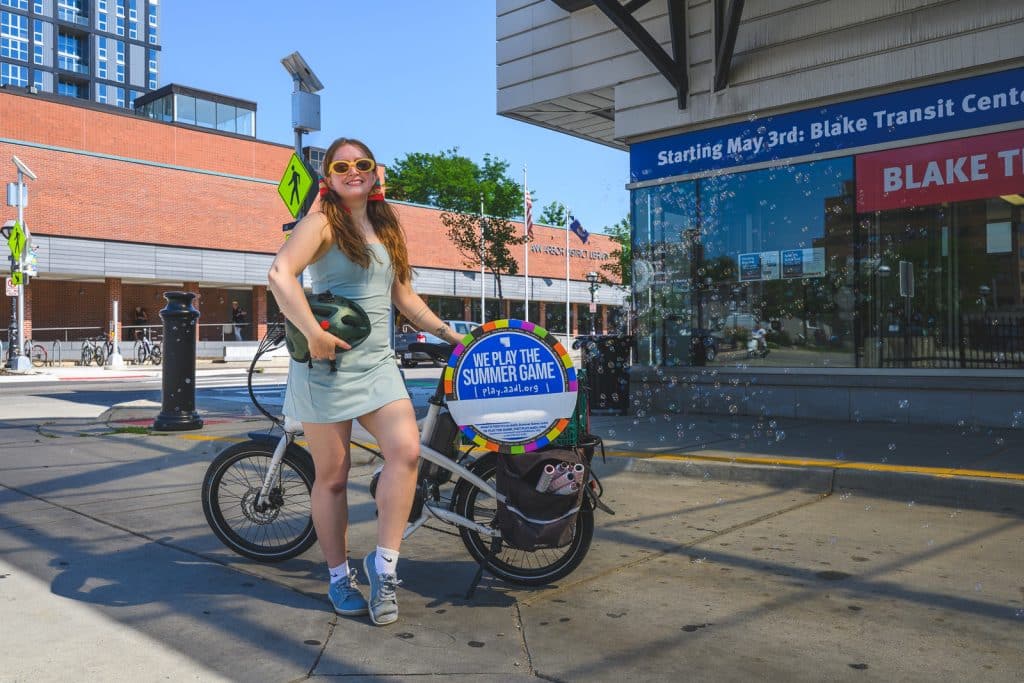
Hannah Stanton-Gockel knows firsthand the struggles bicyclists and pedestrians can face on Ann Arbor roads. Two years ago, the social media consultant and recent University of Michigan graduate launched a campaign to make local streets safer in the unlikeliest of ways – with bubbles.
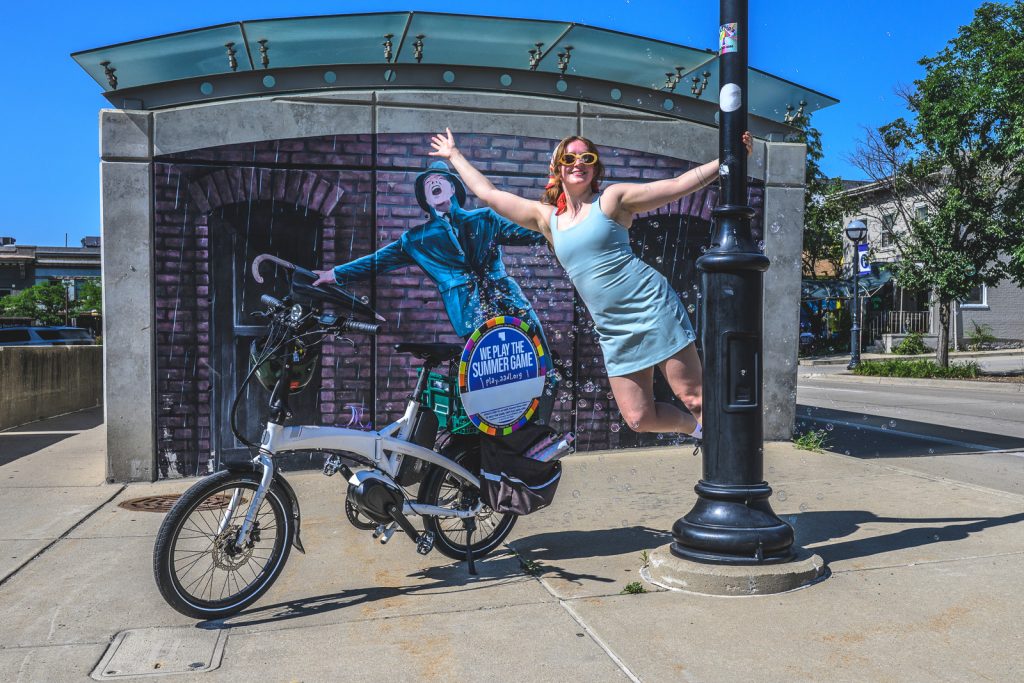
In August 2024, Stanton-Gockel held the first of several “Bubbles for Bike Lanes” bike rides down a busy five-mile stretch of East Stadium Boulevard in Ann Arbor. Cyclists transformed the busy multi-lane roadway into a more festive environment by equipping their bikes with bubble-making machines.
“People are commuting to and from work, and they’re trapped in traffic. And suddenly there are bubbles everywhere,” Stanton-Gockel says. “It’s an effort to bring some joy and delight to a conversation that is often very serious.”
The bubble rides were inspired by numerous dangerous or frightening experiences Stanton-Gockel had had while riding her bike in Ann Arbor. Those included being almost hit by cars, as well as incidents in which drivers have been aggressive or rude to her for riding on the road. In one such encounter, a disgruntled driver shouted at Stanton-Gockel and threw trash on her.
While Ann Arbor has received accolades for its bike infrastructure, including a Gold-Level Bicycle Friendly Community status from the League of American Bicyclists, activists like Stanton-Gockel believe more can be done. The Ann Arbor area is home to a flourishing variety of cycling activists who are uplifting two-wheeled travel in interesting and innovative ways.
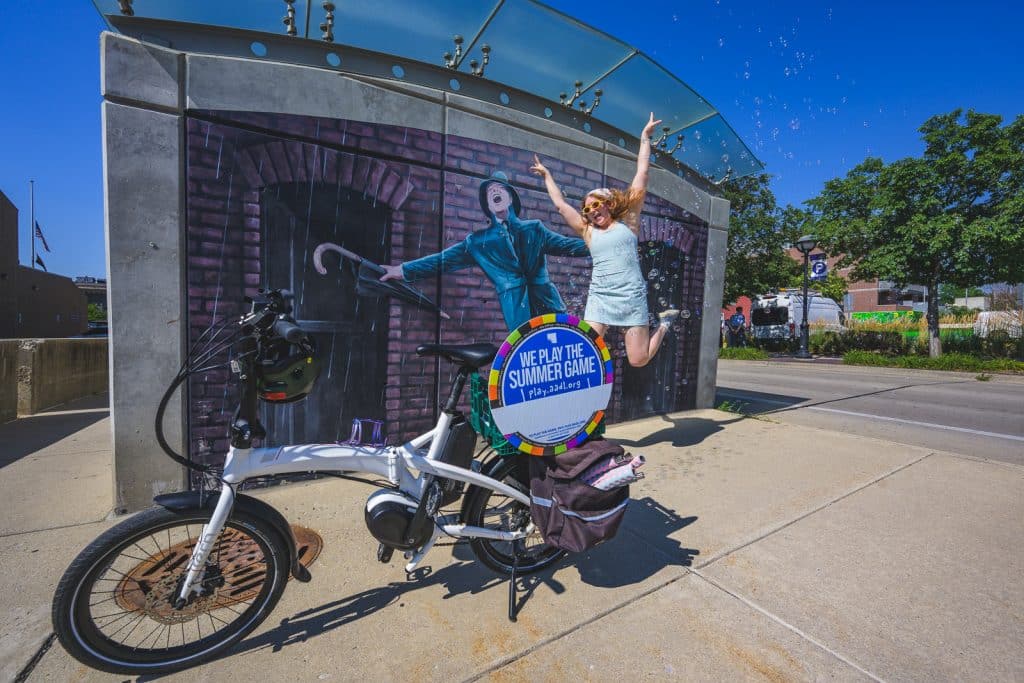
The Bubbles for Bike Lanes rides aim to pressure local officials to make the city’s high-traffic multi-lane roads safer. On East Stadium Boulevard, one of the city’s busiest multi-lane roads, Stanton-Gockel and other transit activists have been advocating for a road diet and protected bike lanes. A road diet entails replacing auto travel lanes with other features like parking spots or wider sidewalks to slow traffic, while protected bike lanes use physical barriers to separate cyclists and motorists. Stanton-Gockel would also like to see similar measures taken on Plymouth Road, another busy Ann Arbor roadway.
Beyond that, Stanton-Gockel hopes the bubble rides will spur greater public awareness and acceptance of bicyclists, who have a legal right to travel on Michigan roads.
“[This is a way] to have an ongoing conversation that challenges the vitriol and annoyance that car drivers feel towards cyclists,” Stanton-Gockel says. “If I’m going to share the road and I have to bike on a tiny painted-on bike lane, then there are going to be bubbles and it’s going to be fun.”
Bike building and skill sharing
Just outside of downtown Ann Arbor, on the north side of West Huron Street, a nonprofit organization called Common Cycle is busy getting people on bikes while helping them learn about bike repair, sharing tools, and building community.
“It’s a community space where people get the resources they need to keep their bikes happy,” says Tracy Berman, a member of Common Cycle’s board of directors. “We provide access [not only] to tools, but also educational programming.”
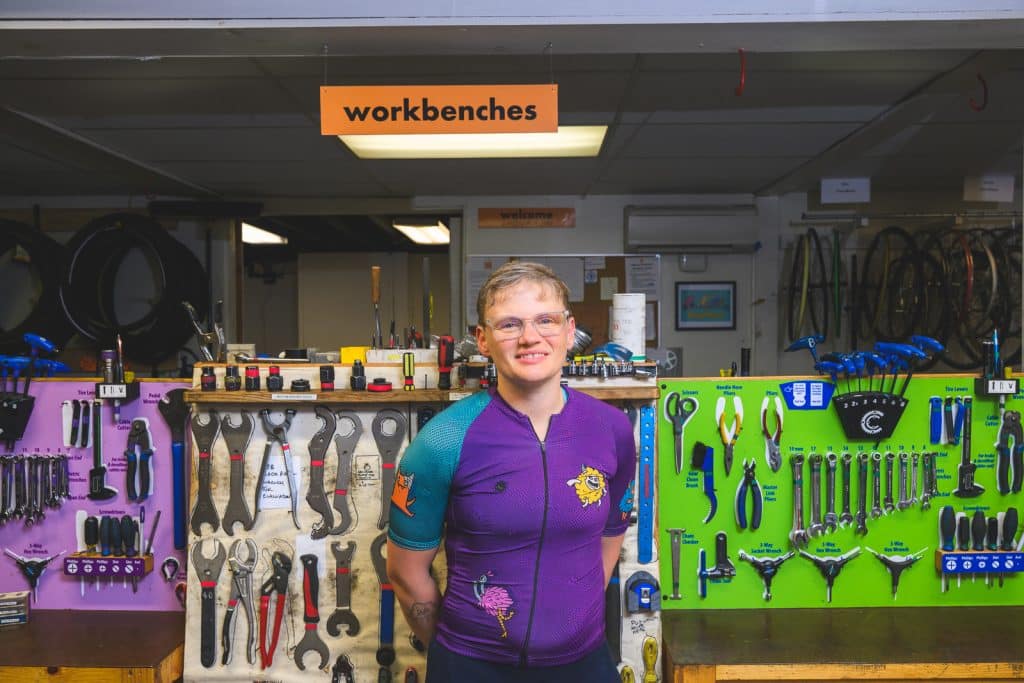
Founded in 2010, Common Cycle started out as a mobile project, where volunteers would use a trailer to bring tools to help people repair bikes and learn skills. Today the co-op operates out of a community workspace at 416 W. Huron St. in a plaza it shares with the nonprofit theatre company Theatre Nova. The space is well stocked with tools and supplies, as well as skilled volunteers who help people repair and maintain bicycles.
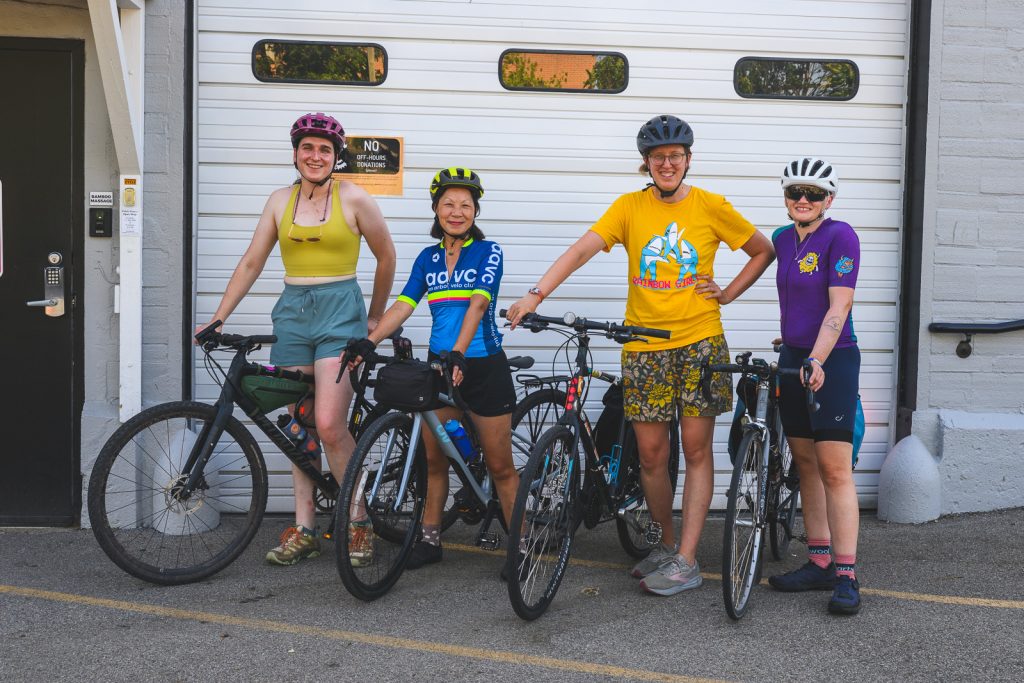
Common Cycle also has a wide range of programming that includes bike maintenance training and workshops on specific repair issues, bike-building, and winter commuting. It also hosts a Femme/Trans/Women/Non-Binary Program, led by Berman, which aims to provide a safe, supportive environment for people of underrepresented and marginalized gender identities to learn bike mechanics. The program also offers community-building rides and other social events. Common Cycle also offers pop-up classes around town.
Beyond that, Common Cycle also works to distribute free bikes to those who need them but can’t afford them. These bikes are usually broken or abandoned, brought to the nonprofit by the city and other donors, and then fixed up by Common Cycle volunteers and distributed with the help of local partner organizations. The cooperative distributed 397 donated bikes last year.
Berman encourages community members to stop by the cooperative if they need a hand fixing up their ride or want to learn some valuable skills.
“We get support from volunteers with various levels of expertise and give you an opportunity to practice your skills,” she says. “The goal is that the volunteers aren’t just fixing your bike for you; they’re teaching you to do the repair yourself.”
A hub for local activism
Cycling activism in the Ann Arbor area depends on the collaboration of many different groups. The Bicycle Alliance of Washtenaw is an important focal point for facilitating that collective work.
Co-founded by cycling advocates Nate Phipps and Bradley Parsons in 2017, the alliance is a coalition where cyclists of all stripes can work together to raise awareness and advance their interests.
“There are a lot of [bicycle] organizations in the county that do [specific] things [like] racing or mountain biking or trail stewardship or touring or casual rides,” Phipps says. “All these groups work on their own part of bicycling. We wanted to sort of be a place for any cyclist to come find resources, events, and programming across the spectrum and to be a connector across the community.”
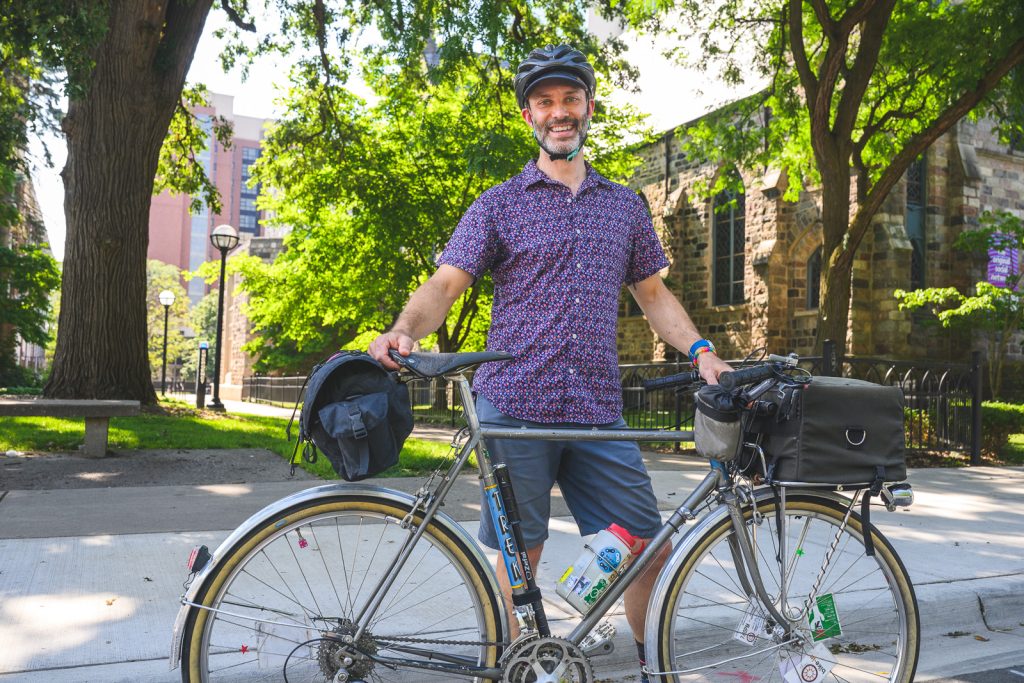
The coalition’s member organizations are an eclectic mix including local groups like the Ann Arbor Bicycle Touring Society, Ann Arbor Velo Club, and Potawatomi Mountain Biking Association; cooperatives like Common Cycle and the Ypsi Bike Co-op; trail organizations like The Treeline and Huron Waterloo Pathways Initiative; and advocacy groups like Walk Bike Washtenaw and PEAC, a nonprofit dedicated to transportation equity for Michigan residents with disabilities.
The alliance even supports efforts like the Ann Arbor Bike Party, a casual slow-paced bike ride that starts at the Ann Arbor Farmers Market and takes place the last Friday of each month from April to October.
In addition to simply increasing the visibility of member organizations, the alliance also produces a monthly newsletter and podcast and sponsors two flagship events, the Bicycle Film Festival and the Washtenaw Bike Summit. The film fest is an annual showcase of short and feature-length bike-themed films screened each spring at the Michigan Theater. The alliance’s annual bike summit brings together bike advocates and enthusiasts each February for a community gathering that features a variety of workshops, presentations, and policy discussions.
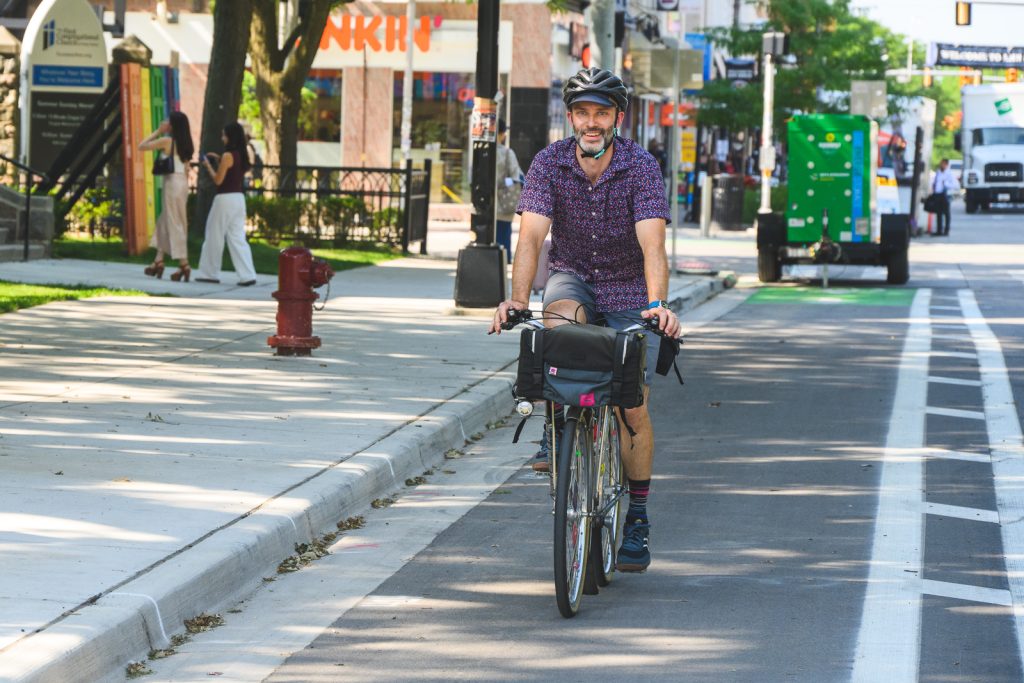
As for advocacy on bike policy and infrastructure, the alliance strives to help the county’s cycling communities speak with a more unified voice.
“There isn’t one bike lobby in town, but we can at least try and read the room and understand what people want,” Phipps says. “A lot of the groups that exist in the Ann Arbor area aren’t advocacy groups per se, but they do still have a voice, and we seek to help them speak to [city] council, speak to other folks in positions of power, and help … solicit feedback and be a go-between.”
Reaching Vision Zero
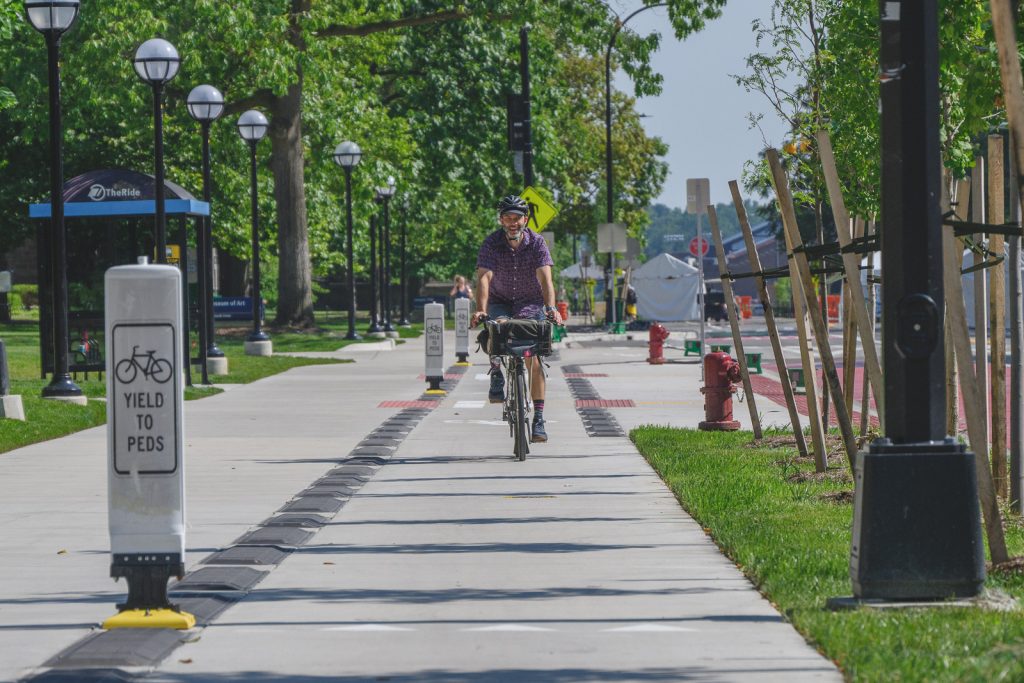
Cyclist advocates acknowledge that Ann Arbor is doing some things right when it comes to walking and biking infrastructure. Ann Arbor currently has 83.8 miles of street bike lanes, 79 miles of shared-use paths, 19.9 miles of buffered bike lanes, 11.3 miles of marked shared lanes (sharrows), and 13.6 miles of protected bike lanes, according to the city’s website. The protected lanes include two-way cycle tracks on busy corridors like William, First, and Division Streets, and work is underway to extend existing lanes on Catherine Street. The city also boasts 1,000 bike parking spaces downtown, including bike lockers and seasonal on-street bike racks.
These improvements helped Ann Arbor earn Gold-Level Bicycle Friendly Community status from the League of American Bicyclists in 2021. The city also consistently scores high on People for Bikes‘ annual global city rankings, scoring in the 83rd percentile for 2026.
However, the city has drawn some criticism from cycling activists for its policy regarding traffic injuries and fatalities. In 2021, the city announced a bold plan named Vision Zero, which aimed to reduce serious injuries and deaths on city streets to zero by the end of 2025. The plan relied on a data-driven approach to reducing fatalities that included speed management strategies and several quick-build projects that would allow the city to create safer streets much faster than typical processes allow.
Unfortunately, the city failed to reach that goal by its initial deadline. The website crashesinannarbor.org, which tracks cycling and pedestrian crashes in Ann Arbor, listed nearly 20 crashes in 2025, two of which involved fatalities. For instance, 79-year-old Robert Murray was killed while trying to cross East Huron Street at North Fourth Avenue in a wheelchair on May 5. Transit activists have staged “die-ins” at Ann Arbor City Hall to raise awareness about these events.
According to Stanton-Gockel, streets have become somewhat safer for cyclists in recent years, but more dangerous for pedestrians.
“They’re building out [infrastructure], but they have not meaningfully changed the design of all the roads to slow car speeds enough to be safe for pedestrians in Ann Arbor,” she says. “So we’ve seen serious injuries and deaths increase.”
While Phipps praises the city’s Vision Zero plan, he’d also like to see Ann Arbor do a better job of implementing it.
“Ann Arbor’s stated commitments are right on, but we’re absolutely not living up to it,” he says. “It’s one thing to adopt something, and it’s another to enact it.”
Robert Kellar, a spokesperson for the city, acknowledges that the city missed its 2025 Vision Zero target. But he stresses that the plan is “not a finish line but a continuous battle” that requires learning and a holistic approach to succeed.
“Too often people think engineering alone will create safety,” he says. “The city is committed and invested in combining Vision Zero and Safe Systems approaches to produce safer speeds, safer roads, post-crash care, safer vehicles, and safer people to ensure a safe transportation system for all people, no matter how people choose to travel.”
Kellar also stresses that Ann Arbor’s overall crash rate for all crashes has decreased significantly since 2021, and that there were zero fatalities or crashes involving serious injury in the city from September 2025 to May 2026. (A separate analysis on the blog Crashes in Ann Arbor, which lists crashes involving serious injury or death for pedestrians or cyclists based on state criteria for crash severity, found six such crashes in the same time period.)
The city is currently striving to move towards Vision Zero by adding new bike lanes, building curb extensions known as bump-outs, increasing flashing beacons, and studying how to slow speeds and improve visibility while reconfiguring streets during upcoming resurfacing projects.
“We’ve learned a great deal over the last five years and are as committed as ever to reaching and sustaining zero deaths and injuries,” Kellar says.
While Stanton-Gockel agrees progress is taking place, she hopes city officials take steps to see that Vision Zero is realized more quickly.
“The city is incredibly supportive of the biking community here,” she says. “The city has built a lot of protected bike lanes – obviously not fast enough for me, but they are working on it.”
Author

Related Articles
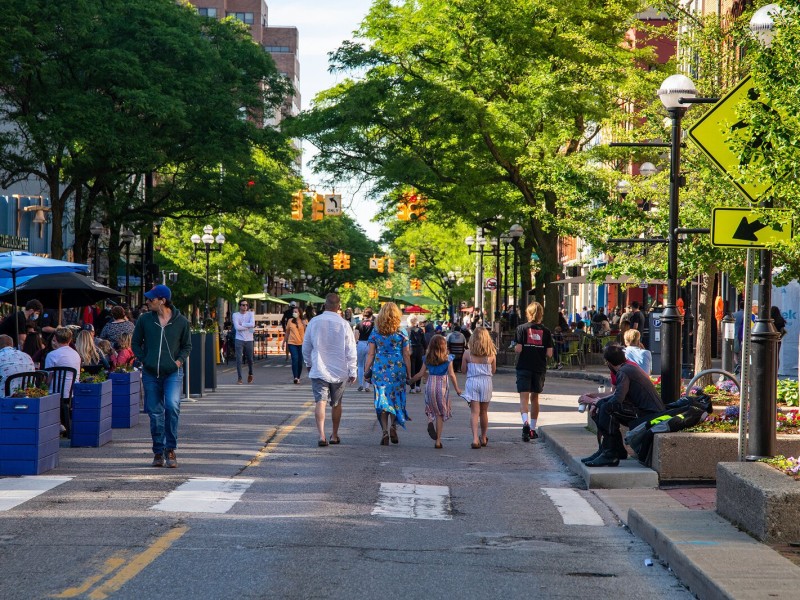
Ann Arbor Comprehensive Land Use Plan approved by planning commission, advances to city council
Ann Arbor City Council will consider allowing massive land use changes intended to improve affordability in the city, following the Ann Arbor Planning Commission’s unanimous Wednesday night vote to pass the draft Comprehensive Land Use Plan 2050.
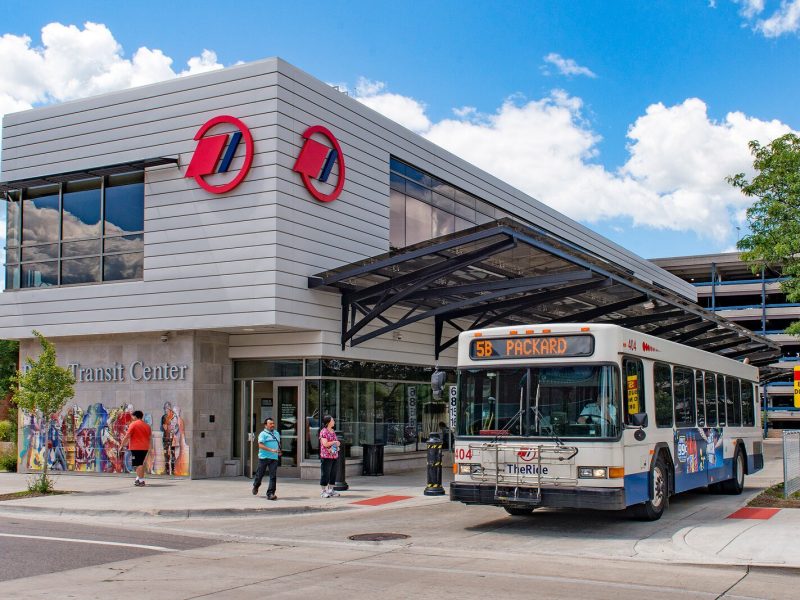
Ann Arbor receives $4.3 million grant for placemaking projects around Blake Transit Center
The city of Ann Arbor recently received a $4.3 million grant to fund placemaking projects as the block surrounding Blake Transit Center is redeveloped.
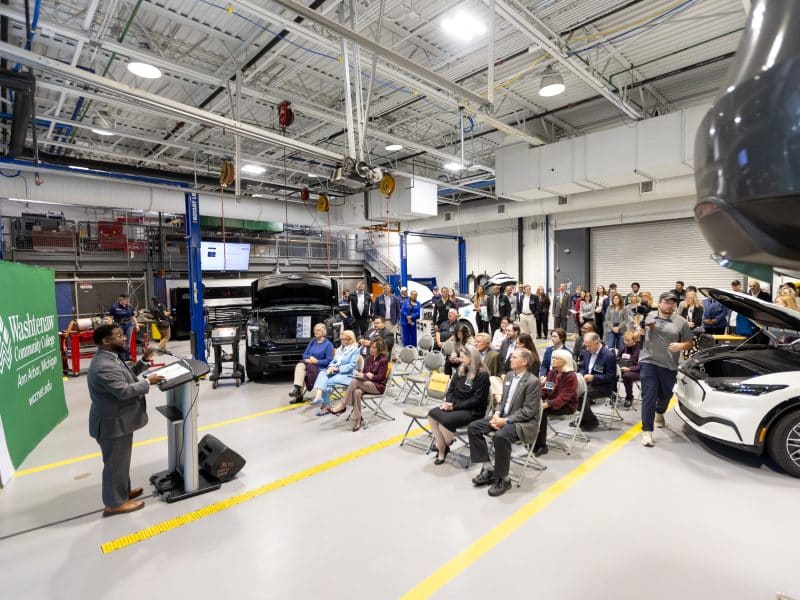
WCC opens new electric vehicle and battery lab to expand mobility education offerings
Building on its long-term commitment to mobility education, Washtenaw Community College has unveiled a new electric vehicle and battery laboratory.


