
“Beyond Incarceration”: New program offers supportive services for people leaving Washtenaw County Jail
Packard Health’s Beyond Incarceration initiative provides connections to primary care, behavioral health services, and recovery resources for individuals preparing for release from the Washtenaw County Jail.
On the Ground Ypsilanti is an “embedded journalism” program covering the city and township of Ypsilanti. It is supported by Ann Arbor SPARK, the Center for Health and Research Transformation, Destination Ann Arbor, Eastern Michigan University, Engage @ EMU, Washtenaw Community College, Washtenaw County Parks and Recreation Commission, and Washtenaw ISD.
Reentry Coach Jessica Slone says one client stands out among the nearly 50 returning citizens she’s served through Pittsfield Township-based Packard Health‘s new Beyond Incarceration program. The client was preparing to leave jail with nowhere to live, no clear recovery plan, a pending divorce, and uncertainty about employment because of his criminal record. Before he was released, Slone helped secure grant funding for his first month’s rent and arranged placement in a sober living home. She also connected him with transportation, clothing, and other necessities before helping enroll him in a paid internship.
Today, she says, he has become active in the recovery community, earned recognition through community involvement, and has even been offered a management position on an upcoming project.
“He is a true example of what reentry can look like,” Slone says. “He has gained some acceptance and even stepped into the recovery community. He has been handling all of his legal issues like a champ.”
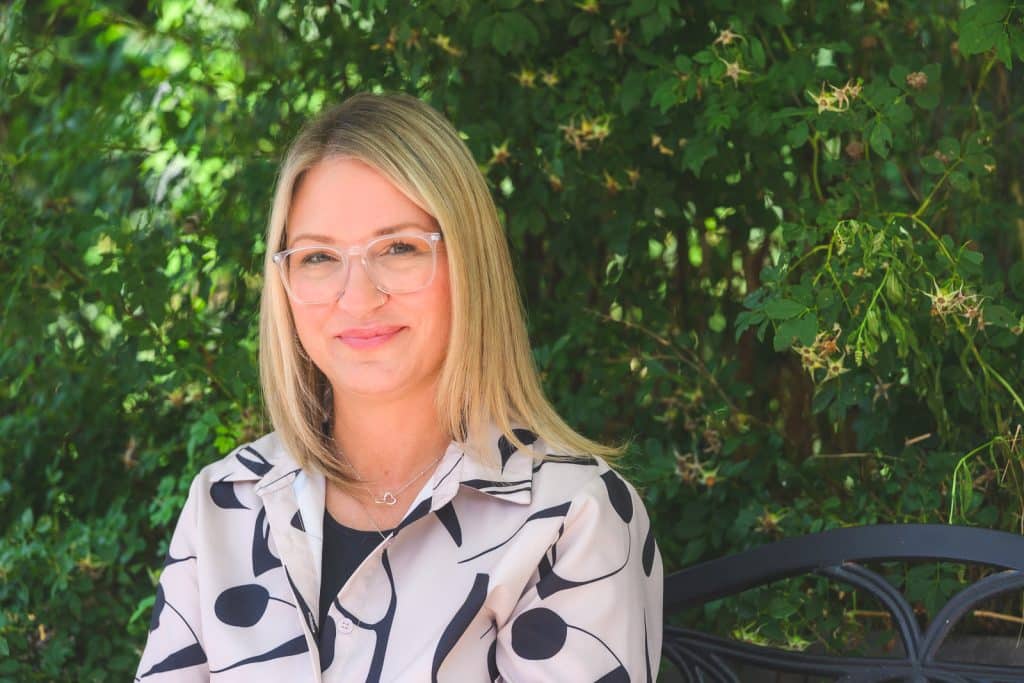
The Beyond Incarceration initiative provides connections to primary care, behavioral health services, and recovery resources for individuals preparing for release from the Washtenaw County Jail. The program creates a continuum of care designed to reduce overdose risk, improve long-term health outcomes, and address barriers that often stand in the way of successful reentry.
According to Packard Health, people leaving incarceration face some of the highest health risks of any population. Up to 80% return to their communities with chronic medical, psychiatric, or substance use conditions, and the risk of a fatal opioid overdose in the weeks immediately following release is more than 10 times higher than that of the general public. By establishing relationships with health care providers before release, the organization hopes to ensure incarceration does not become an interruption in care but rather an opportunity to reconnect individuals with the services they need.
The program is a partnership between Packard Health and the Washtenaw County Sheriff’s Office. Rebecca Fleming, Packard Health’s director of programs and community health initiatives, says the partnership grew naturally out of conversations about medication-assisted treatment (MAT) that expanded into a broader discussion about the challenges people face after leaving jail.
“This has always been something that we wanted to do in our forefront in terms of strategic partnership,” Fleming says. “The sheriff’s office does very similar work to us, helping individuals who are vulnerable. The partnership felt natural.”
Packard Health already had providers eager to work with individuals experiencing substance use disorders and other complex health needs, Fleming explains. Those conversations ultimately evolved into a program designed to connect people not only with MAT but with primary care, health insurance enrollment, transportation assistance, and other supports intended to improve overall quality of life.
“Our MAT medical director, Liza Hutchinson, is always looking for ways to partner,” Fleming says. “She was always a big driver in this opportunity specifically, where we connect folks with MAT resources but also other ones to improve quality of life once out of prison.”
Central to that vision is Slone, whose own lived experience with the justice system allows her to establish trust with clients who may be reluctant to engage with health care providers.
Slone began working directly with incarcerated clients in September 2025 and has since worked one-on-one with nearly 50 individuals preparing to return to the community. Rather than duplicating services already available through jail social workers and case managers, the program focuses on people who might otherwise fall through the cracks. For Slone, whose own recovery journey allows her to connect with clients on a deeply personal level, that trust often develops almost immediately.
“The connection is the easy part,” Slone explains. “The former lifestyle, my history, [and] knowing ‘the struggle’ makes all the difference in the world.”
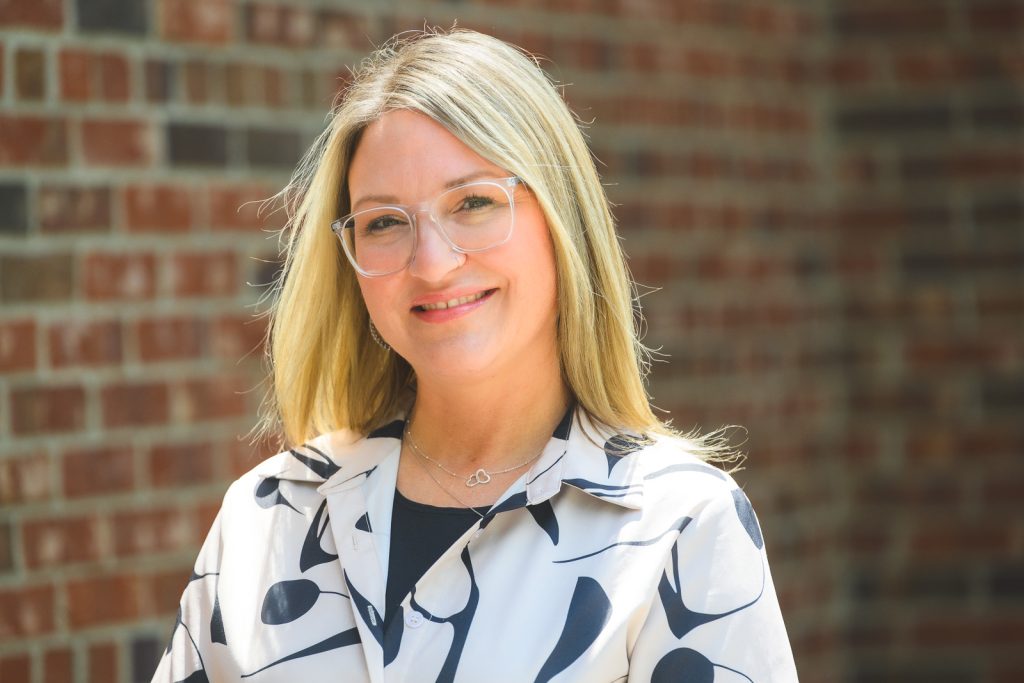
Rather than approaching clients as an outside professional, Slone says she introduces herself as someone who understands the realities they face. In addition to connecting clients with health care resources, Slone helps ease the transition further by accompanying them to doctor’s appointments, job interviews, and housing meetings; helping to arrange transportation; and connecting them with insurance coverage and other community resources. Those seemingly small acts, she says, often become the foundation for lasting change.
“They feel supported and not alone,” Slone says. “The rapport was built prior to where they feel safe and comfortable and, more importantly, they trust me.”
Although launching the initiative required months of administrative planning, Fleming says the collaboration quickly found its place within the sheriff’s office’s existing reentry services.
“The jail has an amazing reentry team and they have been an incredible partner,” Fleming says. “We are extremely fortunate that they have adopted Jessica, and we’re hoping to continue working together in whatever capacity to keep the work going.”
Fleming goes on to explain that the sheriff’s office already serves individuals with the highest levels of need through existing partnerships, but staffing limitations meant others often received less intensive support. Instead, Slone works with what Fleming describes as individuals in the “yellow zone” – people who may not require the highest level of intervention but still face significant challenges obtaining health care, employment, transportation, and housing after release.
“The need is bigger than the resources,” Fleming says. “There are so many clients who could use support, but there’s only a couple of case workers to go around.”
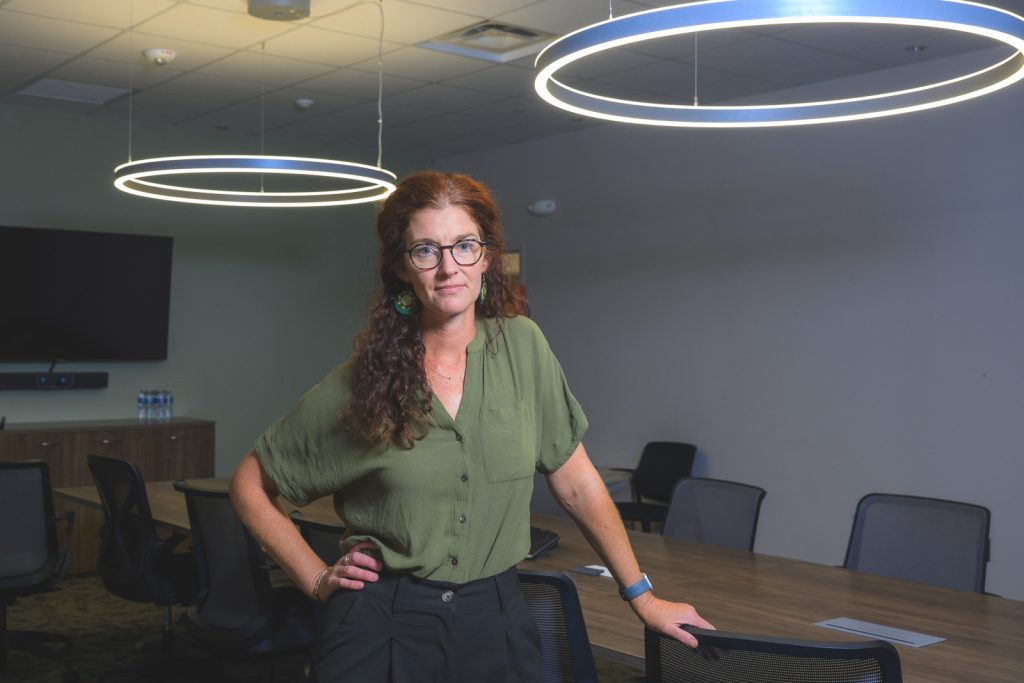
Looking ahead, both Fleming and Slone hope the initiative can continue after its current grant funding expires and eventually expand beyond its existing limitations. Under the grant, Slone can only work with individuals assigned to her while they are still incarcerated and for up to 90 days following release. She says those restrictions prevent her from helping many people who seek assistance after returning to the community.
“I have had people contact me through word of mouth and I have had to turn them away,” Slone says. “… It would make long-term stability more possible if we had more than 90 days once back into the community. One day!”
Author

Related Articles
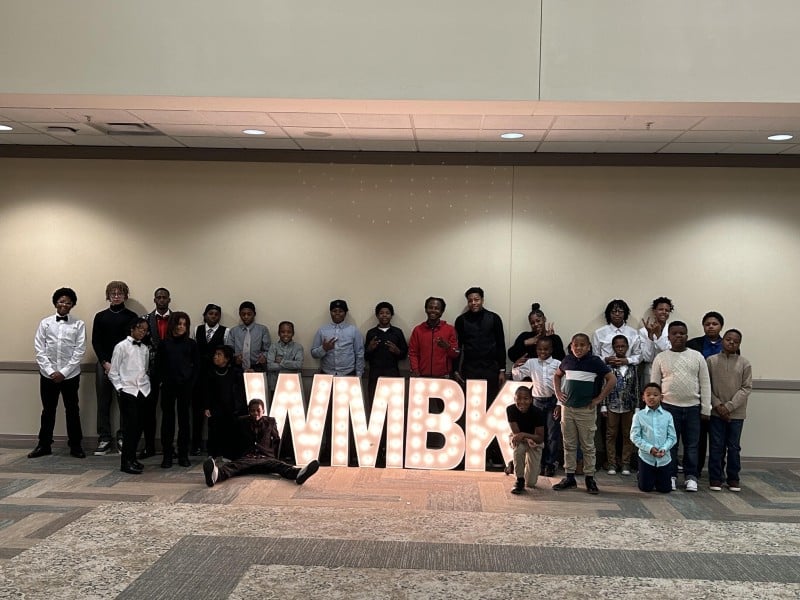
Washtenaw My Brother’s Keeper hosts annual gala on Sunday
The nonprofit’s fourth annual gala will be held Sunday, Oct. 18, at EMU’s Student Center Ballroom, with the theme Keepers & Kicks.

Michigan Folk School holds annual Folk Festival with free demonstrations of traditional skills
The Michigan Folk School holds its free annual Folk Festival on Saturday, Oct. 17, at Staebler Farm County Park.
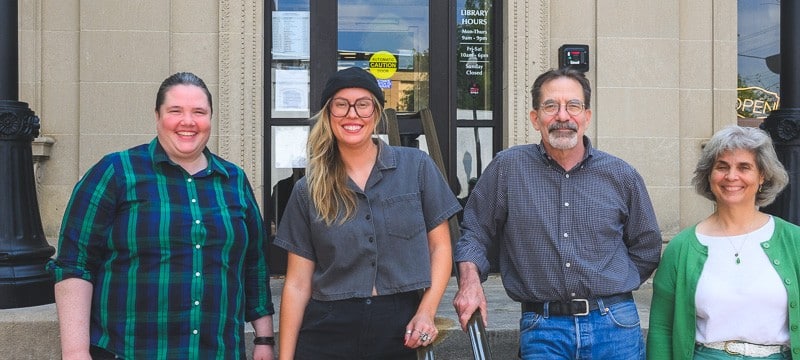
Ypsilanti Heritage Foundation hosts 44th annual tour of historic homes
From noon to 5 p.m. on Oct. 4, residents and visitors are invited to join the Ypsilanti Heritage Foundation’s 44th annual historic home tour, which includes six historic homes in Ypsi’s Southside neighborhood.


