Nobody likes a know-it-all chatbot, U-M study suggests
A new study by U-M researchers finds that when a chatbot disagrees with our opinions, we’re less likely to change our views than to simply dismiss the AI entirely.
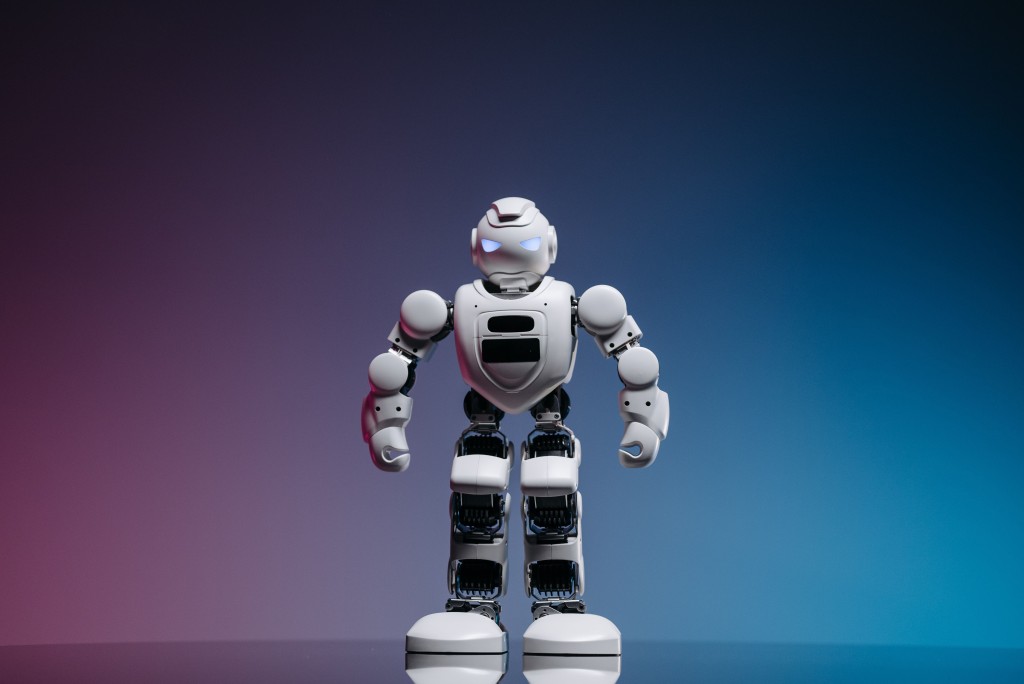
Imagine asking GPT-5 mini whether you should forgive a cheating partner. You’ve thought it through, explained your reasoning, and made up your mind. But instead of offering reassurance, the chatbot pushes back.
Would you reconsider your decision? Or would you question the chatbot’s ability to understand relationships in the first place?
That tension caught the attention of University of Michigan (U-M) psychology researchers, who wanted to know what happens when AI challenges people’s personal judgments.
“These models are sycophantic, meaning they tend to agree with whatever the users say,” says Atakan Atamer, a fourth-year PhD student in psychology who co-led the research with Olivia Pinto and professor Priti Shah.
Such excessive agreeableness, Atamer warns, could reinforce existing biases and leave users overly confident in their opinions.
The study, published in August, presented 482 US adults with hypothetical personal dilemmas, including whether to forgive an unfaithful partner. After participants explained their decisions, an AI model responded with either agreement or disagreement, offering reasoning tailored to their answers. Even when disagreeing, the chatbots remained warm and respectful.
That didn’t necessarily make its opinions any easier to swallow.
“We did not see any confidence change at all in this [disagreement] condition,” Atamer says. “If anything…many participants were even more confident in their initial opinion.”

Participants whose chatbots disagreed with them viewed the AI as less capable of understanding human emotions and were less inclined to use it again. Frequent AI users reacted particularly strongly to whether the chatbot agreed with them.
But disagreement may be bad for business. If users are less willing to return to a chatbot that offers a contrarian view, companies may have a financial reason to keep their chatbots agreeable, even when a little pushback might do users some good.
That tension becomes more personal as people increasingly turn to AI for companionship and emotional support.
Atamer says research on AI and loneliness has produced mixed findings. Some studies suggest chatbots could offer comfort to people lacking human connection, while others raise concerns about reinforcing stereotypes and harmful behaviors. What makes someone feel better in the moment, he cautions, isn’t necessarily what’s best for them in the long run.
There’s another angle worth exploring—we do not necessarily treat advice from people the same way we treat advice from machines.
“You care about what [people] think about you,” Atamer says.
With AI, those social pressures may disappear. You can simply close the conversation.
Atamer cautions that researchers have yet to determine whether the absence of social pressure explains why people respond differently to advice from AI, but hopes to engage in future research that explores whether identical advice is received differently depending on whether it comes from a human or a machine.
Related Articles
Ann Arbor health tech company marks 1 billion hand sanitization alerts in hospitals
BioVigil, an Ann Arbor-based health care technology company, recently reached a significant milestone of alerting partner hospital staff to one billion opportunities to perform hand hygiene.
Week of events celebrating Ann Arbor tech to return in September
Registration is now open for Ann Arbor SPARK’s a2Tech360, an annual weeklong series of events spotlighting Ann Arbor’s tech sector, which will return Sept. 22-Oct. 2.
Ann Arbor SPARK annual meeting emphasizes power of local collaboration in challenging times
Ann Arbor SPARK’s 2026 annual meeting emphasized the Ann Arbor area’s innovation ecosystem as a bulwark against tumultuous times, while also recognizing top local entrepreneurial achievers.