
Ypsi’s Family Empowerment Program marks 15 years of supporting public housing residents
The Family Empowerment Program, which provides supportive housing services to residents of low-income public housing communities, celebrates its 15th anniversary this year.
On the Ground Ypsilanti is an “embedded journalism” program covering the city and township of Ypsilanti. It is supported by Ann Arbor SPARK, the Center for Health and Research Transformation, Destination Ann Arbor, Eastern Michigan University, Engage @ EMU, Washtenaw Community College, Washtenaw County Parks and Recreation Commission, and Washtenaw ISD.
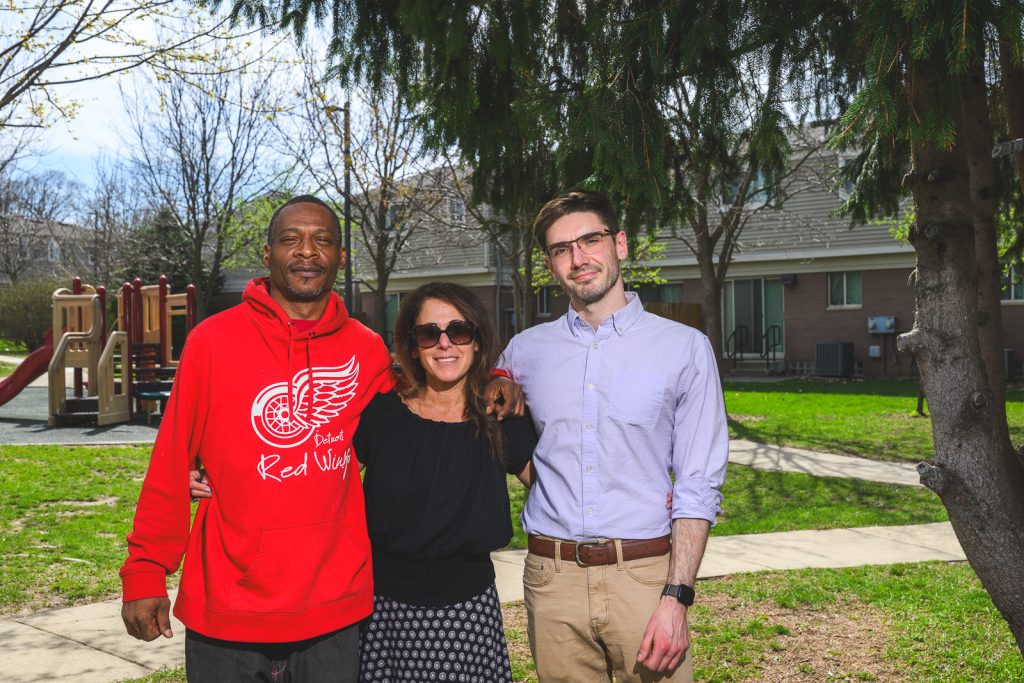
Lamar Thomas says he might have had a very different childhood if Ypsilanti’s Family Empowerment Program (FEP) had been operating when he lived in what he calls the “Ypsilanti projects.” The FEP, which provides supportive housing services to residents of low-income public housing communities, celebrates its 15th anniversary this year. The program serves about 900 individuals across all Ypsilanti Housing Commission (YHC) communities: Sauk Trail Pointe, New Parkridge, and Hamilton Crossing. The YHC serves as the property manager while the FEP’s supportive services are run by staff from Eastern Michigan University’s (EMU) Engage@EMU office.
Thomas, the FEP’s resident service coordinator for Hamilton Crossing, says his mother abandoned him and his brother for about two years starting when he was 13. The brothers lived alone in an apartment complex, which has since been replaced with the New Parkridge Apartments, without adult supervision. Thomas says he was constantly on the lookout for any way to make money, including delivering newspapers, so he could afford to buy food for himself and his brother.
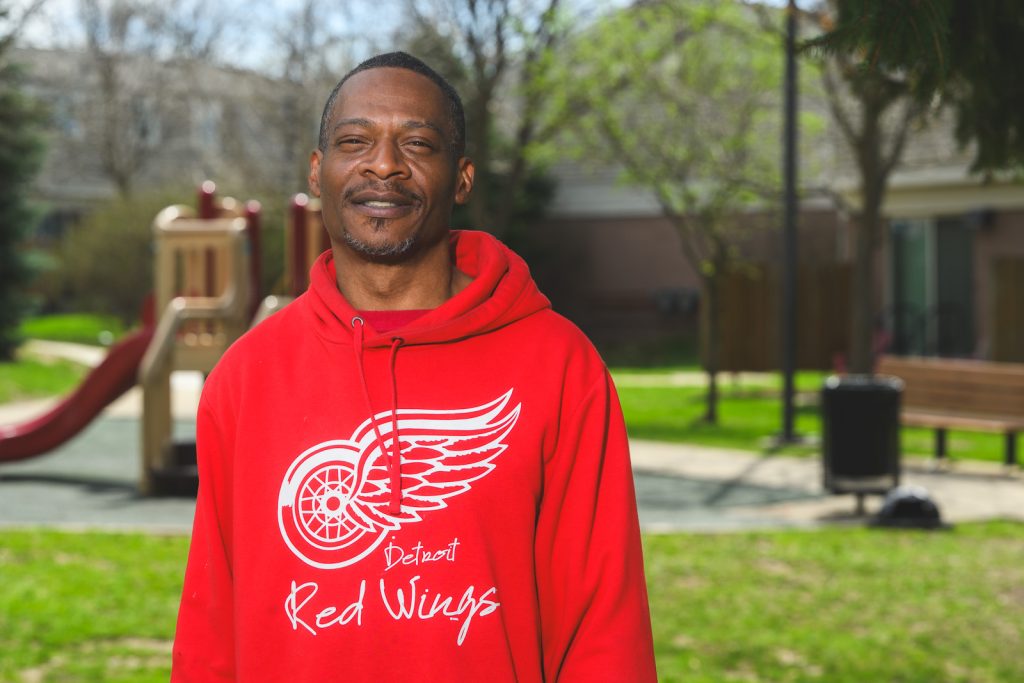
That’s why, when he began working for the FEP, he made an effort to address childhood hunger in the summer months, when families can’t rely on school breakfasts and lunches. Though he helped his colleague Sergio Hernandez create a successful program that taught computer coding skills to youth in the FEP, Thomas says he feels his biggest success was making sure kids didn’t go hungry during the summer.
He started by partnering with Meet Up and Eat Up, the state of Michigan’s food insecurity program, at Sauk Trail, feeding about 15 kids during after-school tutoring sessions. He recruited five of the kids to knock on doors to see how many other children were in the apartments and if they were hungry. Soon, 25 kids started regularly coming to FEP staff for tutoring and food.
Thomas upped the number of meals he ordered from Meet Up and Eat Up and began bringing food to New Parkridge. He did the same thing, recruiting kids to find other hungry kids. He replicated the model one more time at Hamilton Crossing as well.
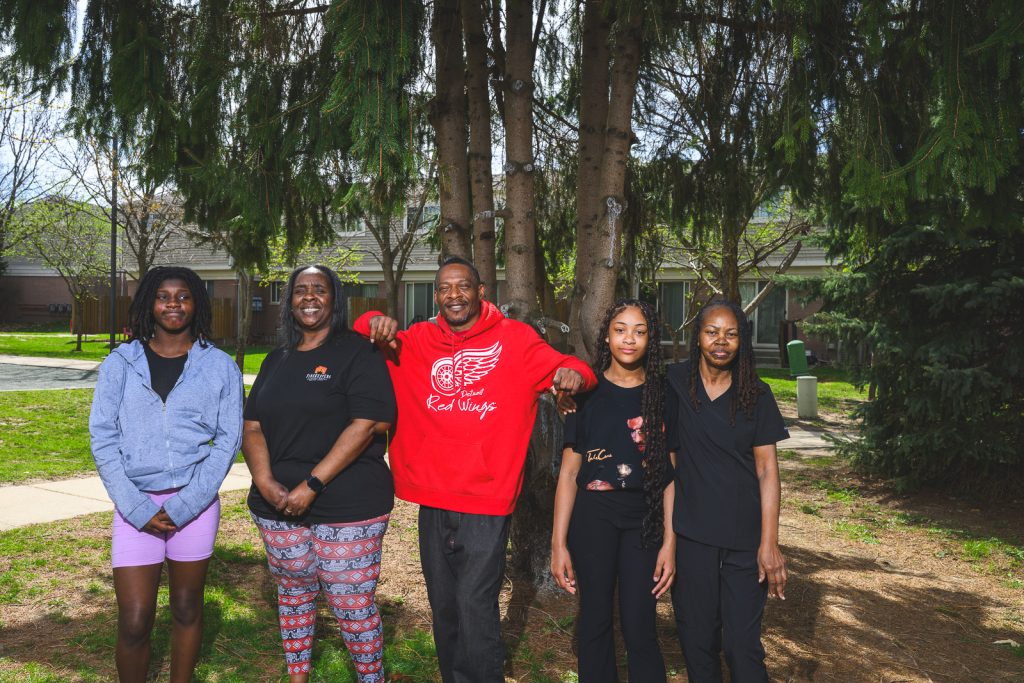
This deep understanding of the community is part of the advantage of the FEP model, with a social worker embedded in each housing complex, listening to each family’s needs.
Engage@EMU Director Jessica “Decky” Alexander says that before the FEP was established, there were “zero” supportive programs for YHC properties. The housing commission first reached out to Engage@EMU to survey residents about what they wanted. From there, Alexander’s predecessor wrote grants, winning one from the Kresge Foundation, and created the earliest version of the FEP 15 years ago. The program only served Hamilton Crossing at the time, but it was so successful that it expanded to all three YHC properties and received some funding from a county mental health millage.
“The program responds to where the community is, what they need. That’s why we looked for additional funding so we could make sure each of these sites has a social worker,” Alexander says.

The FEP’s mission statement is to support families “through resource navigation and community building in order to foster self sufficiency and enhance quality of life.” The program’s aim is to promote economic access and education support. It may provide assistance with housing, food, child care, transportation, or access to health and dental care, all while teaching individuals and families how to navigate complicated systems on their own.
FEP Director Mark Hammond says the program’s work in each community is “not prescriptive,” but based on “an individualized, strength-based approach.”
“We get to know their strengths and weaknesses and see how we can support them with our array of resources, connections, and programs. We want to help you develop skills you might want to work on and remove any barriers, lift up things we might see in an individual that they might not see in themselves,” Hammond says.
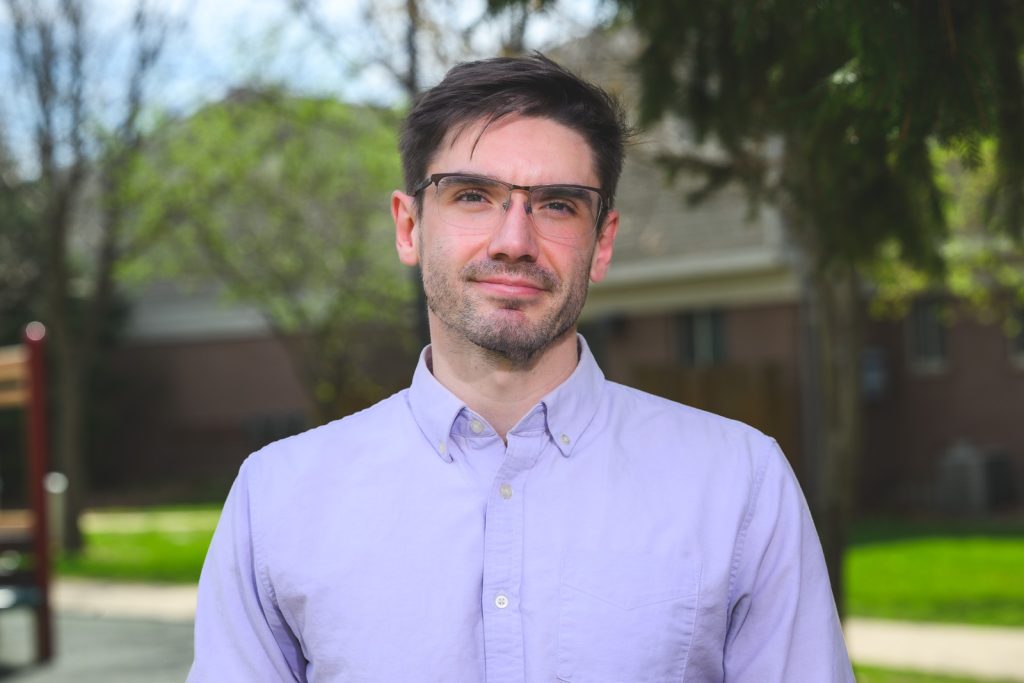
He says the work is largely about removing barriers, which can cover lots of things, from finding job training to clearing a library fine.
As an example of a community-led approach, Hammond notes that about three months ago a few residents were discussing uterine fibroids and wanted more information. Hammond knew that he and his team weren’t equipped to handle that conversation, but their connections and community partnerships could provide the solution. Hammond applied for a small grant to host a program featuring a Michigan Medicine doctor who gave a talk, took questions, and referred residents to services as needed.
Residents of all the communities the FEP serves are surveyed about their needs and wants annually. Hammond says those surveys have led to tailored programs at each community, from bingo games every other week at Hamilton Crossing to coding programs for kids at Sauk Trail Pointe.
“Having bingo at Hamilton Crossing was purely based on interest because people wanted to get together and have something to do,” Hammond says. “We don’t host bingo anywhere else, but we get a ridiculous level of attendance at Hamilton Crossing.”
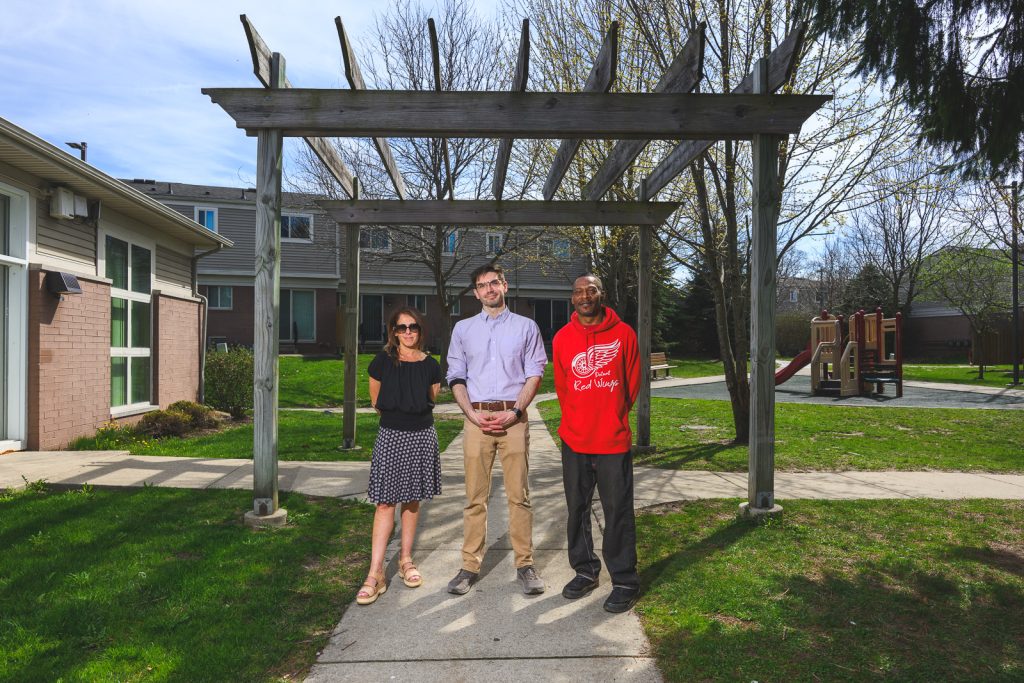
Thomas says professors and mentors warned him that while he “had a calling” as a social worker, he had to be prepared for how much the job would take out of him and that he should make sure he pursued therapy for himself. They also told him to make sure he left job stress at work and didn’t take it home with him.
“I’ve been following that advice this whole time,” he says. “I run this whole complex, and it’s about 344 units, with up to four or five people in each apartment. But you maintain the whole complex by dealing with one person at a time and trying to solve each problem before moving on to the next one. And that’s what works for me. Sometimes I don’t feel like this is a job. It’s what God wants me to do, to uplift people, to give them hope and resources, to cheer them up. I tell them, ‘Life is tough, but you’re tougher.'”
Author

Related Articles
University Lending offers $10,000 grants for low- and moderate-income homebuyers
University Bank’s lending division is providing up to $10,000 grants for low- to moderate-income borrowers in Washtenaw County to achieve their homeownership dreams.

Who actually lives in Ann Arbor’s affordable housing?
Affordable housing residents are a diverse bunch who defy the stereotypes often assigned to them.

Washtenaw County housing documentary creators plan free screenings countywide
“The Road Home,” a new documentary examining challenges in Washtenaw County’s housing and homelessness systems, is now available for anyone interested in organizing a public or private screening.


