
New Ypsi farmers and gardeners added to library’s oral history project
The newest expansion of the Ypsi Farmers & Gardeners Oral History Project adds 12 narrators’ reflections on growing food, family, culture, and community in Ypsi.
On the Ground Ypsilanti is an “embedded journalism” program covering the city and township of Ypsilanti. It is supported by Ann Arbor SPARK, the Center for Health and Research Transformation, Destination Ann Arbor, Eastern Michigan University, Engage @ EMU, Washtenaw Community College, Washtenaw County Parks and Recreation Commission, and Washtenaw ISD.
For generations, Ypsilanti-area farmers and gardeners have preserved more than food. Their seeds, growing practices, and recipes can carry memories of families, homelands, and communities. Gardens can become places of healing after displacement, spaces where elders pass knowledge to younger generations, and small but meaningful expressions of independence in a food system increasingly shaped by forces beyond local control.
Those stories are at the center of the newest expansion of the Ypsi Farmers & Gardeners Oral History Project, which adds 12 narrators and 11 new oral histories to the Ypsilanti District Library‘s digital collection. The project documents the experiences of Black, Indigenous, and people of color (BIPOC) and working-class food growers in the Ypsi area, sharing their reflections on growing food, family, culture, and community.
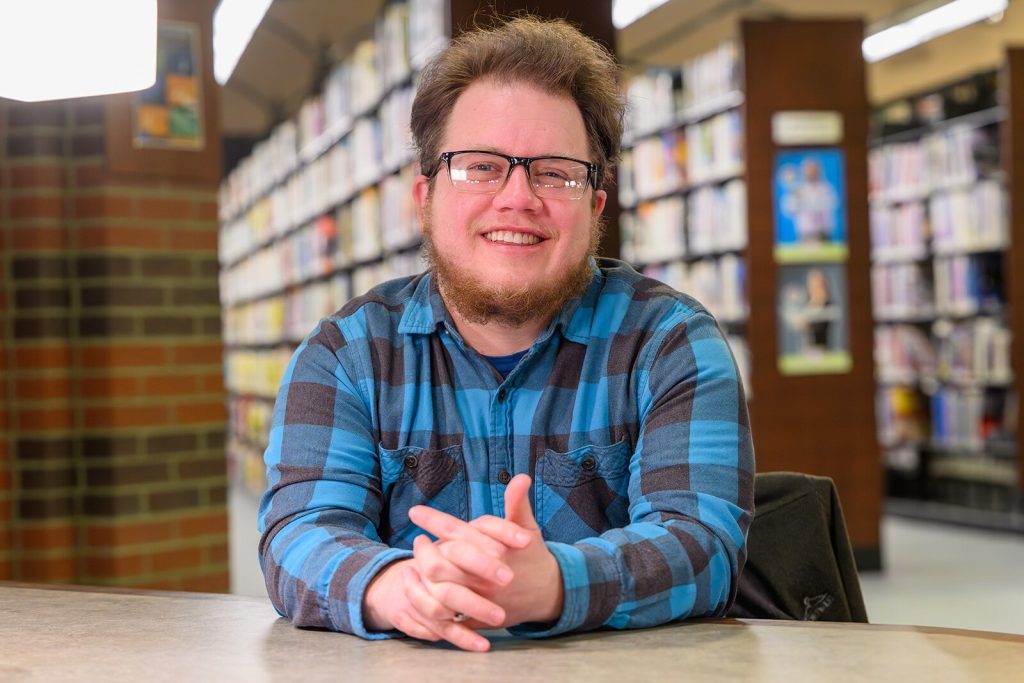
Project lead Finn Bell says the newest round of interviews significantly expands the range of experiences represented in the archive, with the first round of interviews focused particularly on local elders.
“We’re so excited to get to share more stories from Ypsi farmers and gardeners,” Bell says. “The new narrators have such important reflections on how growing food is a way of ensuring cultural legacy and community resilience.”
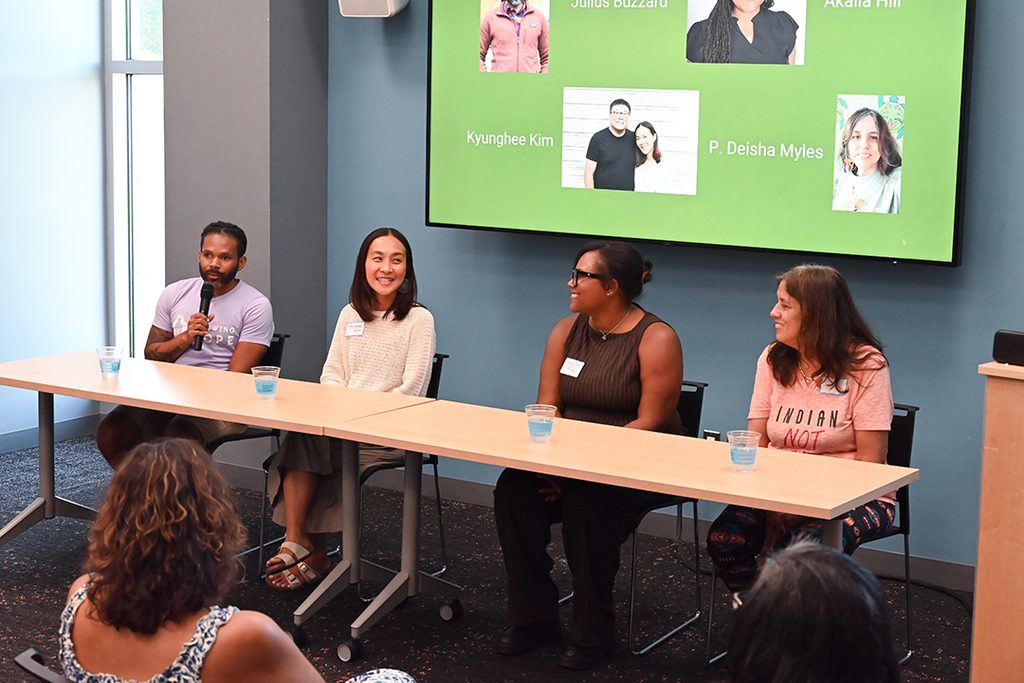
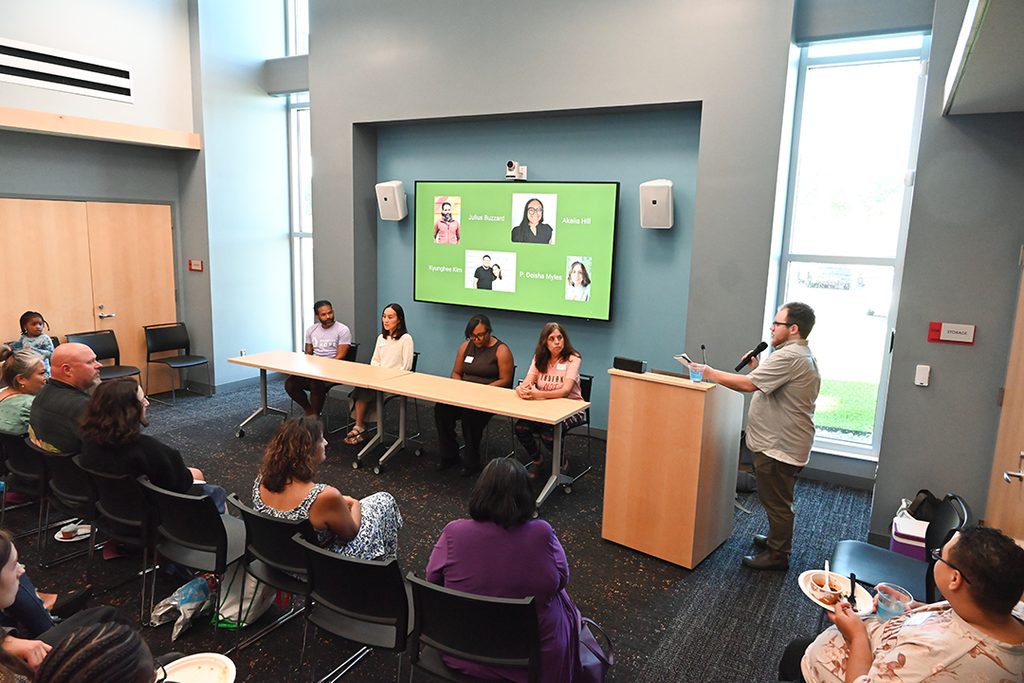
The new round of interviews also includes the input of a new community advisory board, which Bell says helped him connect more deeply with communities that had not yet been adequately represented in the project. P. Deisha Myles, an Anishinaabe community member who now serves on the project’s advisory board, first became involved after attending the project’s original launch in 2023. She arrived with a storyboard about Indigenous food history and presence in the Ypsilanti area, including her research into the history of corn in the Great Lakes.
Rather than receiving resistance or hostility, Myles says Bell readily and excitedly welcomed her contribution. Their initial meeting eventually developed into her expanded participation in this most recent phase of the project, which placed a greater emphasis on representation of growers who are Indigenous, younger, immigrants, and/or refugees.
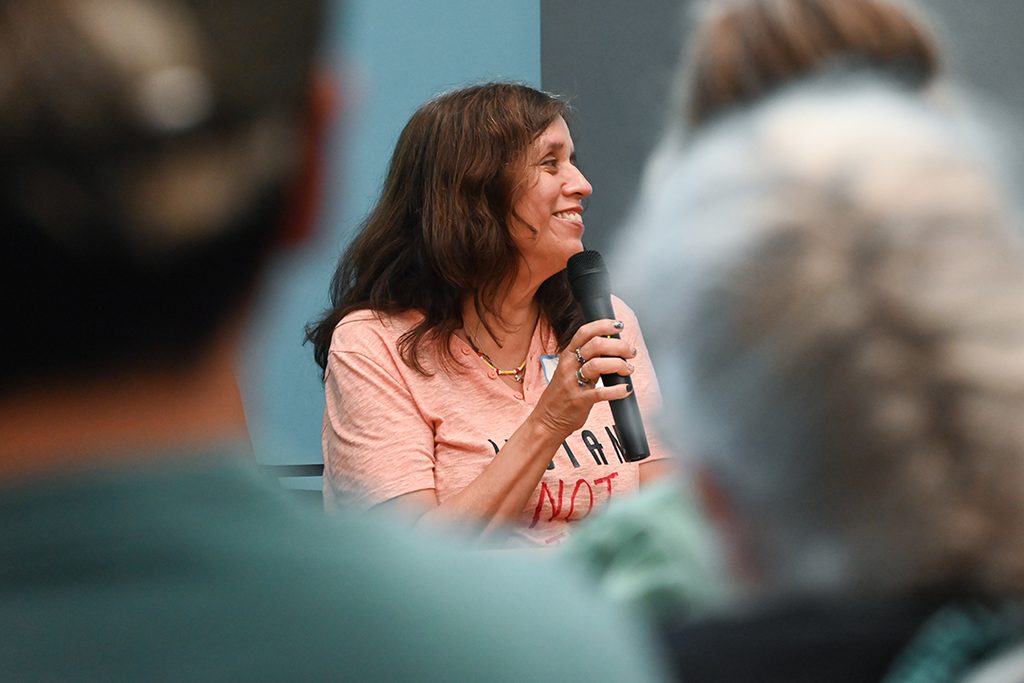
Myles says representation requires looking beyond the immediate absence of certain communities and asking why those absences exist. Indigenous people, she notes, were forcibly removed from the region, while other communities have also experienced displacement through forces including gentrification.
“That isn’t just for Indigenous people,” Myles says of confronting those histories. “This is for everybody.”
The new collection includes Anishinaabe seed-keeper Shiloh Maples, whose work in Indigenous food sovereignty and gardening provides one of the project’s expanded perspectives. Bell also points to new narrators like Ariel O’Jibway, who helped start a seed library at the University of Michigan and wrote a children’s book about pawpaws, as examples of the many different ways local growers connect food with history and culture.
Another new voice in the project is Shalina Rankin, founder of Fiery Maple Wholistic Healing. Her gardening and herbal practices are tied to knowledge and traditions passed down through her grandparents.
The collection’s newest narrators range from backyard gardeners to people operating larger farms. Despite those differences, Bell says several common themes emerge. Access to land remains a persistent challenge, particularly for BIPOC and working-class growers. At the same time, growing food can offer people greater independence and resilience.
The topic of food sovereignty also recurs throughout the interviews. Bell says conversations about seed-saving and culturally specific foods demonstrate how deeply food can be connected to a people’s history, particularly for communities affected by enslavement, colonization, and forced migration. Growing seeds and foods specific to one’s community can become a way of continuing culture, Bell says, especially when displacement has interrupted other forms of cultural transmission.
“Food is the basis of life,” he says, adding that the interviews illustrate the risks of relying too heavily on a small number of large corporations to control food production. “So many of the seeds we grow here in the United States were brought over by enslaved people, and there’s something really important about not losing that heritage when people have made such sacrifices to preserve these cultures, even in the most terrible circumstances.”
For project interviewee Phimmasone Kym Owens, founder and executive director of Refugee Garden Initiatives (RGI), gardening is inseparable from her own experience of displacement. Owens arrived in the United States from Laos as a refugee in 1981 when she was about 4 years old. Her family’s migration, she says, was not simply a search for better opportunities. It was forced by conflict. She describes the garden as a refuge from the trauma she and other refugees carry.
“To me, the garden has always been a refuge from this trauma that I carry, and many others like me,” Owens says. “The act of gardening is another way of being close to the land and taking care of it, and what we give to the land, the land gives back to us in food.”
Gardening also helps Owens maintain a relationship with foods that provide a sense of home and belonging. Growing up in the Midwest after leaving Laos meant adapting to a dramatically different climate and food landscape. During the ’80s, many of the fresh herbs and vegetables familiar to her family were difficult to find locally, leading families to grow what they could during the region’s short summers.
That experience informs the work of RGI, which explores how culturally meaningful foods can become more accessible while creating opportunities for refugees and immigrants to connect, heal, and share their stories. Owens says food can open the door to conversations that might otherwise be difficult to have. RGI began as an idea for a garden where refugee families could grow familiar foods and where children and elders can share knowledge across generations.
“The initiative has evolved beyond food, resources, belonging, identity,” Owens says. “Much like a garden, in its first year you have one bed, next year you have three, and RGI has been growing the same way.”
The spotlight her organization now places on education and storytelling ultimately made participating in Bell’s project a natural fit. Owens says she appreciates that the project specifically centers Ypsilanti growers and gardeners. For her, the collection creates an opportunity for people who help shape the community to receive recognition and share their experiences in their own voices.
“My story has always been about resiliency, being an underdog, and overcoming, and I feel that having these opportunities for Ypsi to share our voice and experiences, to give us some kind of recognition in the public space in our community, shows the beauty of the people who make this community,” explains Owens.
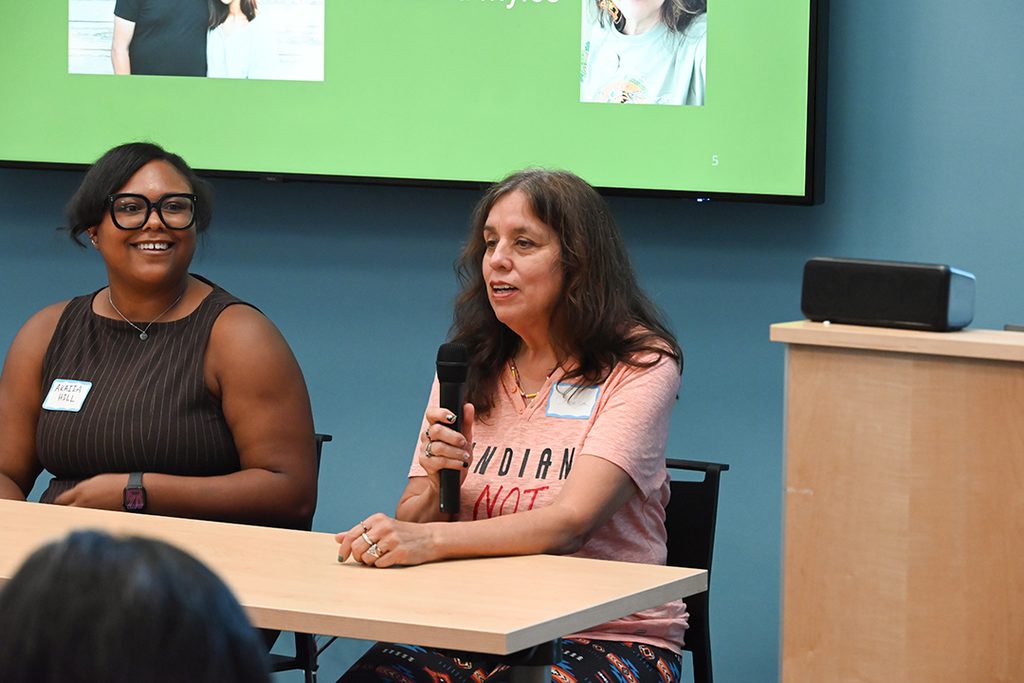
Myles conducted Owens’ oral history interview, creating a conversation that Myles says also reveals connections between seemingly different histories of displacement. Listening to Owens describe fleeing war in Laos made Myles think about the histories of Indigenous people forced from their own homelands. She also sees transformative potential in Owens’ growing work, noting that RGI uses raised beds to create food, flowers, and community on land with a difficult history.
“I hope this project creates a new level of thinking and appreciation and thoughtfulness for those that brought these practices here,” Myles says. “It is important to everyone, regardless of background, to counter this existential threat to the land that we’re all facing.”
The recent deaths of two of the project’s original narrators, Linda Mealing and Melvin Parson, also reinforce for Bell the urgency of preserving people’s stories while they are still able to tell them.
Bell explains that Parson was a good friend and mentor of his. While Parson is well known publicly, the interview captures more personal stories about his grandparents, his background, and the people who helped shape him. Bell also met Mealing through the project. After her death, he attended her celebration of life and learned how meaningful it was for her family to know that her voice had been preserved.
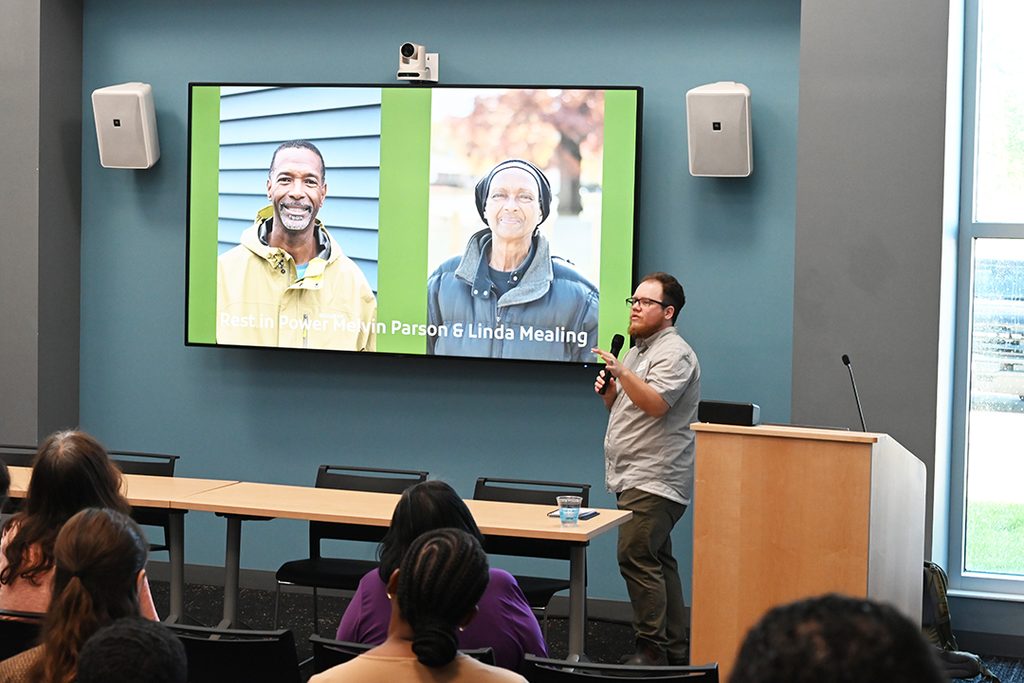
“It feels like a gift to the future from the past,” he says. “We can all think of people who we’ve lost and we wish we had asked them more questions. Oral history is one of the beautiful ways we can ask those questions.”
The archive intentionally includes both farmers and gardeners, Bell explains, recognizing that much of the knowledge surrounding food production exists outside commercial agriculture. The project includes people growing food in backyards, gardens, and even apartment patios, reflecting Bell’s belief that history is not only created through major events or prominent institutions.
“Most people growing food are doing it at a very small scale, and that’s not always valued the way I feel it should be,” Bell says. “These stories are so powerful, and they’re a reminder that history is lived by regular people.”
Looking ahead, Bell says there are many more growers whose stories he hopes to collect. Additional funding remains a challenge, however. Michigan Humanities has been a major supporter, but anticipated federal funding is no longer available to the project. Bell says a smaller University of Michigan funding source helps soften that loss and allows the project to continue conducting some interviews and compensating participants for their labor.
Future outreach may happen more gradually. Bell says Latinx and Arab-American growers are among communities he hopes to represent more fully in the project.
Myles also imagines the project eventually expanding beyond the digital archive through public art and other visual projects that highlight Indigenous contributions to food and the region’s history.
For Owens, the project’s most immediate importance lies in allowing people to define themselves and preserve their own experiences. Storytelling, she says, can be a form of healing, advocacy, and social change. It can influence how people understand food systems, displacement, and the communities around them. And, she says, it ensures that the people who live those histories have the opportunity to tell them themselves.
You can listen to the full Ypsi Farmers & Gardeners Oral History Project collection on YDL’s website. Other local growers interested in contributing to the project, or those interested in supporting the project in other ways, can contact Bell at fmcbell@umich.edu.
“If you don’t tell your story, someone else will,” Owens says. “No one can tell your story better than you can.”
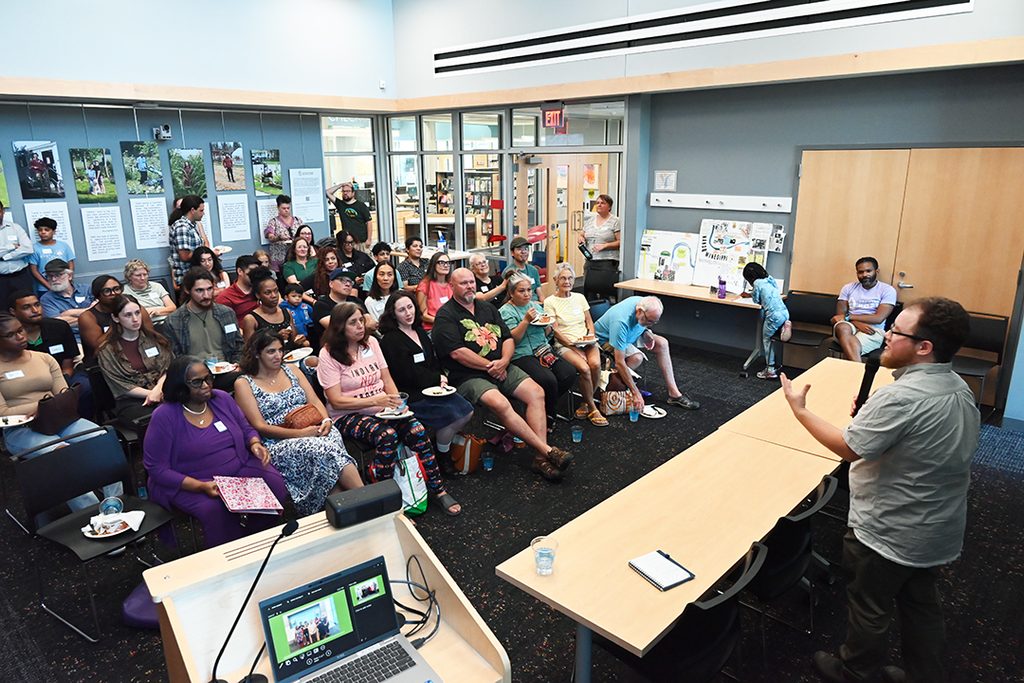
An exhibit on the Ypsi Farmers & Gardeners Oral History Project will be on view at YDL’s Superior branch through Sept. 28.
Author

Related Articles
Ypsi officials and activists prepare for climate emergency
As extreme heat, wildfire smoke, and power outages become more and more prevalent in Washtenaw County, a growing network of local officials, health professionals, and community organizers is working to help Ypsilanti residents do more than simply weather the next emergency.
Ann Arbor Local Food Festival to feature nearly 60 local food vendors and organizations
The event will bring together nearly 60 local businesses, farmers, food vendors, and community organizations for an evening designed to help attendees taste, learn, and connect.
Ann Arbor resident trains “Michigan Conservation Dogs” to sniff out invasive species
Ann Arbor dog trainer Hannah Ashmore is building a network of dogs and handlers trained to sniff out environmental threats that human eyes can miss.


